Key insights
5 slides
Proven impact
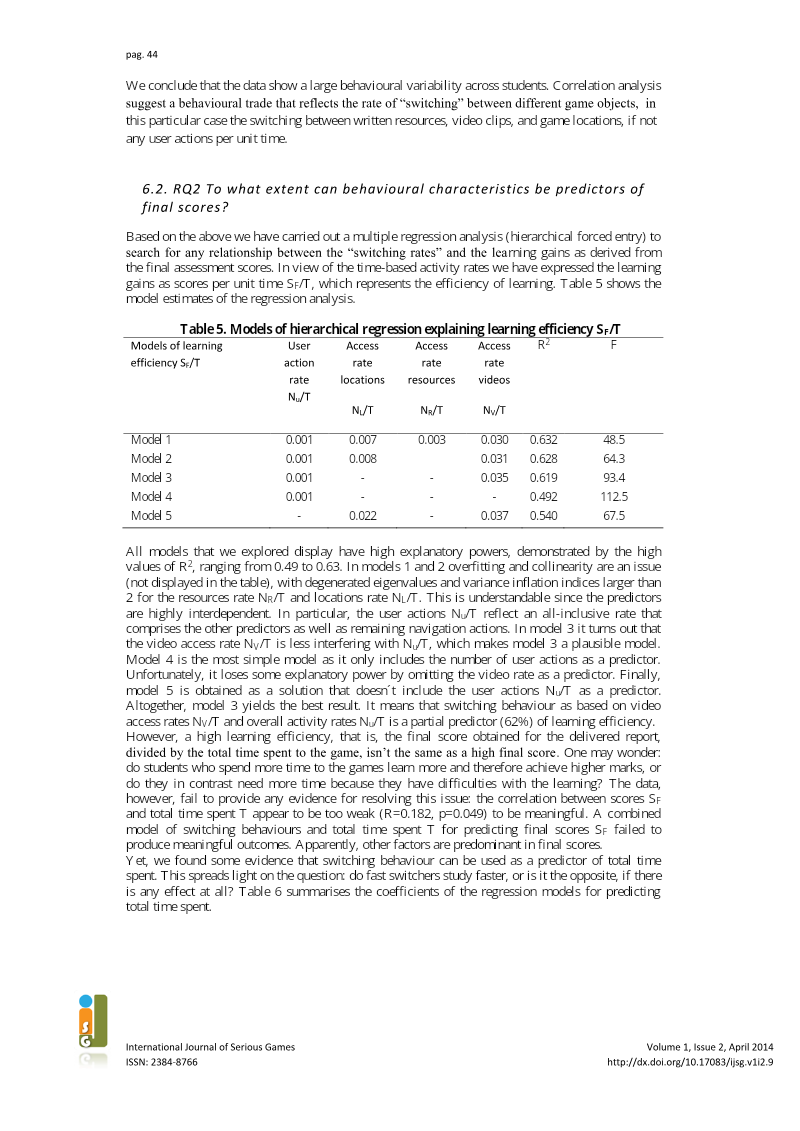
Game-based learning leads to long-term knowledge retention in primary students.
A game-based intervention helped participants accurately apply atomic concepts to real-world materials for at least two months.
Lasting effect. Research involving twelve students and seven teachers demonstrates that this game-based intervention leads to long-term knowledge retention, with participants accurately applying atomic concepts to real-world materials for at least two…
1 / 5
- 01Cooperative board games effectively teach primary school students complex scientific concepts like material hardness by shifting focus from macroscopic observations to submicroscopic atomic structures and chemical bonds.See it on page 1
- 02Research involving twelve students and seven teachers demonstrates that this game-based intervention leads to long-term knowledge retention, with participants accurately applying atomic concepts to real-world materials for at least two months.See it on page 19
- 03Game-based learning serves as an accessible 'object-to-think-with' that increases academic confidence and student motivation without requiring formal chemistry training.See it on page 19
- 04While effective, game-based tools should complement rather than replace traditional instruction to mitigate secondary misconceptions regarding atomic properties, such as particle size or visibility.See it on page 2
- 05The high usability and engagement reported by both students and educators suggest that integrating these games into primary curricula is a viable strategy for enhancing science education.See it on page 21
- 06Future development of these educational tools requires pedagogical oversight and further research into scalability and their role in supporting professional teacher development.See it on page 21
Ask AI about this article
Summary
Cooperative board games serve as a highly effective pedagogical tool for introducing complex scientific concepts to primary school students. By shifting the focus from macroscopic observations, such as the weight or texture of an object, to submicroscopic explanations involving atomic structure and chemical bonding, these games successfully bridge the gap between abstract theory and tangible experience. This approach enables children to grasp the fundamental mechanics of material hardness without requiring formal chemistry training, fostering both increased academic confidence and sustained engagement with scientific principles.
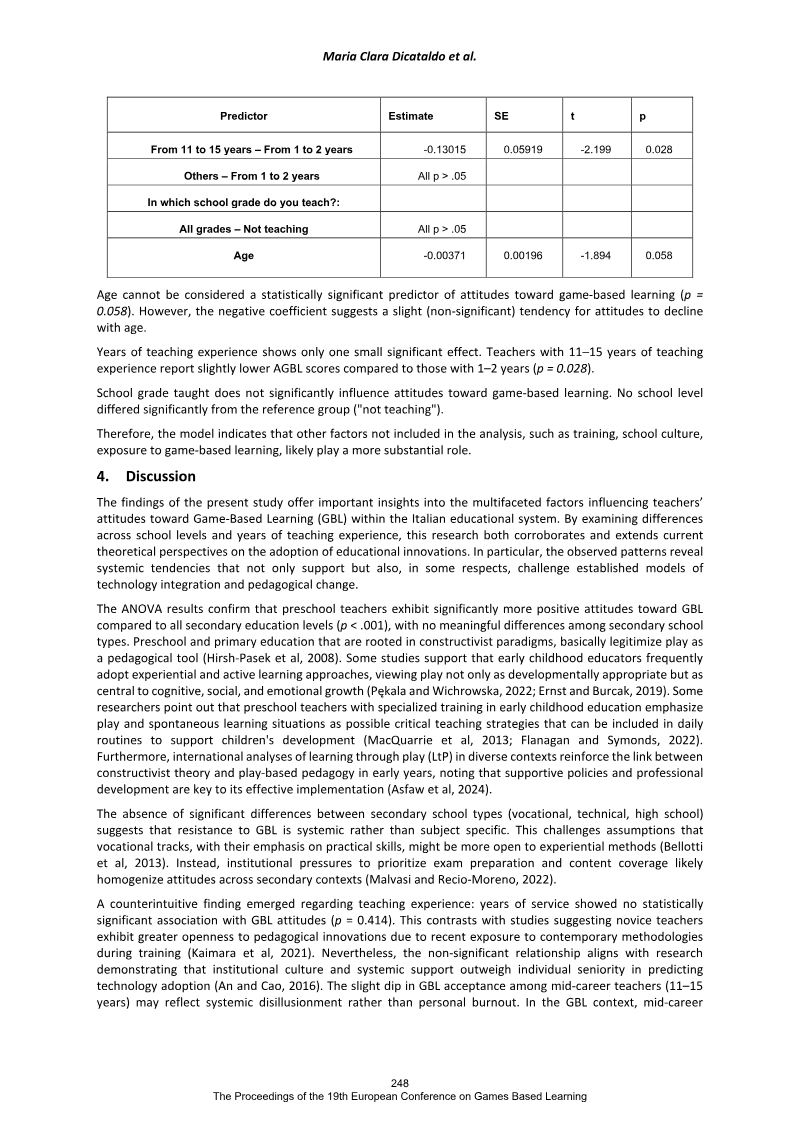
Research involving twelve students and seven teachers confirms that this game-based intervention facilitates long-term knowledge retention, with participants accurately applying atomic concepts to real-world materials for at least two months following the initial session. The game functions as an accessible object-to-think-with, transforming abstract chemistry into a relatable and enjoyable learning experience. Both students and educators report high levels of usability and motivation, suggesting that such interventions are a viable strategy for enhancing primary education curricula.
While the game is a powerful educational aid, it is most effective when used to complement rather than replace traditional instruction. The study reveals that while students successfully adopt the intended scientific framework, they may simultaneously develop secondary misconceptions regarding atomic properties, such as the size or visibility of particles. Consequently, the integration of game-based learning requires careful pedagogical oversight to address these emergent assumptions. Future research should continue to explore the scalability of these tools and their potential to support professional development for teachers, ensuring that game-based strategies remain grounded in robust, multidisciplinary educational theory.