1 free read left. Create a free account for unlimited reading + AI research.
Create free accountWhitepaper European Conference on Games Based Learning (ECGBL)
1 free read left. Create a free account for unlimited reading + AI research.
Create free accountWhitepaperEuropean Conference on Games Based Learning (ECGBL)
The authors built a prototype for the Microsoft HoloLens 2 within the presentXR project, augmenting an existing exhibition at the Senckenberg Natural History Museum in Frankfurt.
This paper examines the opportunities and limitations of immersive augmented reality delivered through head-mounted displays for game-based learning in museums. Its central argument is that such experiences can deepen visitor engagement and presence, but that practical barriers must be resolved before they can be adopted as a routine museum offering. The authors built a prototype for the Microsoft HoloLens 2 within the presentXR project, augmenting an existing whale skeleton exhibition at the Senckenberg Natural History Museum in Frankfurt, Germany. The application used an animated butterfly guide, narrated content, and 3D visualisations such as orca echolocation.
The prototype was evaluated with 109 adult visitors (48% female, 50% male) through guided tours, observation, interviews, and standardised questionnaires. Appreciation was high, with 94% rating the experience good or very good, and 87% willing to pay an additional fee. Usability proved more uneven: a third of users reported difficulties with the hand menu, and difficulties were markedly higher among visitors over 50 (37.5% versus 21.5% for those under 50) and among those without prior AR experience (25% versus 16%). Feedback also highlighted issues with hologram transparency, label placement, voice quality, and the butterfly guide's pacing.
Among the limitations identified are high cognitive load, the need for staff assistance, hardware accessibility barriers, and the single-user design that isolates visitors who arrive in groups. The authors also note a risk that users focus on digital animations rather than the physical exhibits, and that competitive game elements might reduce spatial presence. They conclude that play-oriented rather than goal-oriented designs and multi-user cooperative tasks are promising directions for future prototypes within the LoGaCulture project, while acknowledging that the self-selected sample limits generalisability.
Each row is a game or company this document names, each column a document, oldest first. A mark means that document names it. Select a row to see those documents.

European Conference on Games Based Learning (ECGBL) · 2026



European Conference on Games Based Learning (ECGBL) · 2026

European Conference on Games Based Learning (ECGBL) · 2026



European Conference on Games Based Learning (ECGBL) · 2026



European Conference on Games Based Learning (ECGBL) · 2026



European Conference on Games Based Learning (ECGBL) · 2026



European Conference on Games Based Learning (ECGBL) · 2026



European Conference on Games Based Learning (ECGBL) · 2026



European Conference on Games Based Learning (ECGBL) · 2026



European Conference on Games Based Learning (ECGBL) · 2026



European Conference on Games Based Learning (ECGBL) · 2026



European Conference on Games Based Learning (ECGBL) · 2026
European Conference on Games Based Learning (ECGBL) · 2026
European Conference on Games Based Learning (ECGBL) · 2025
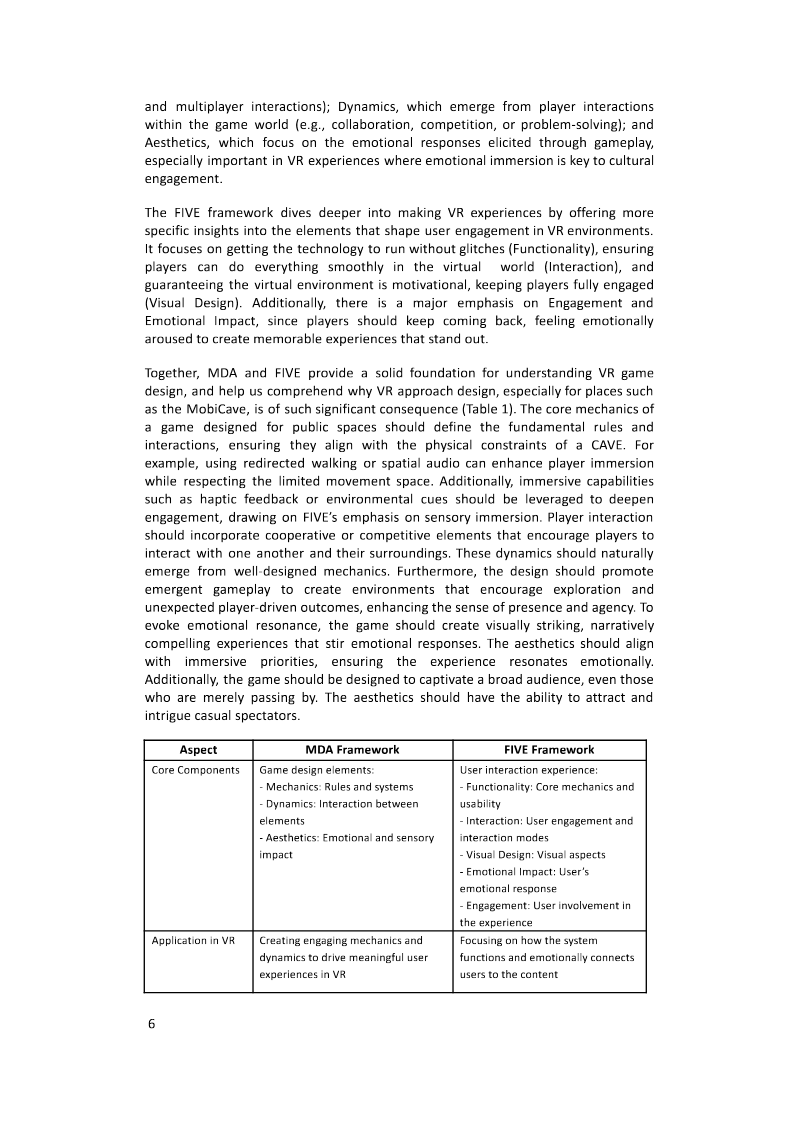
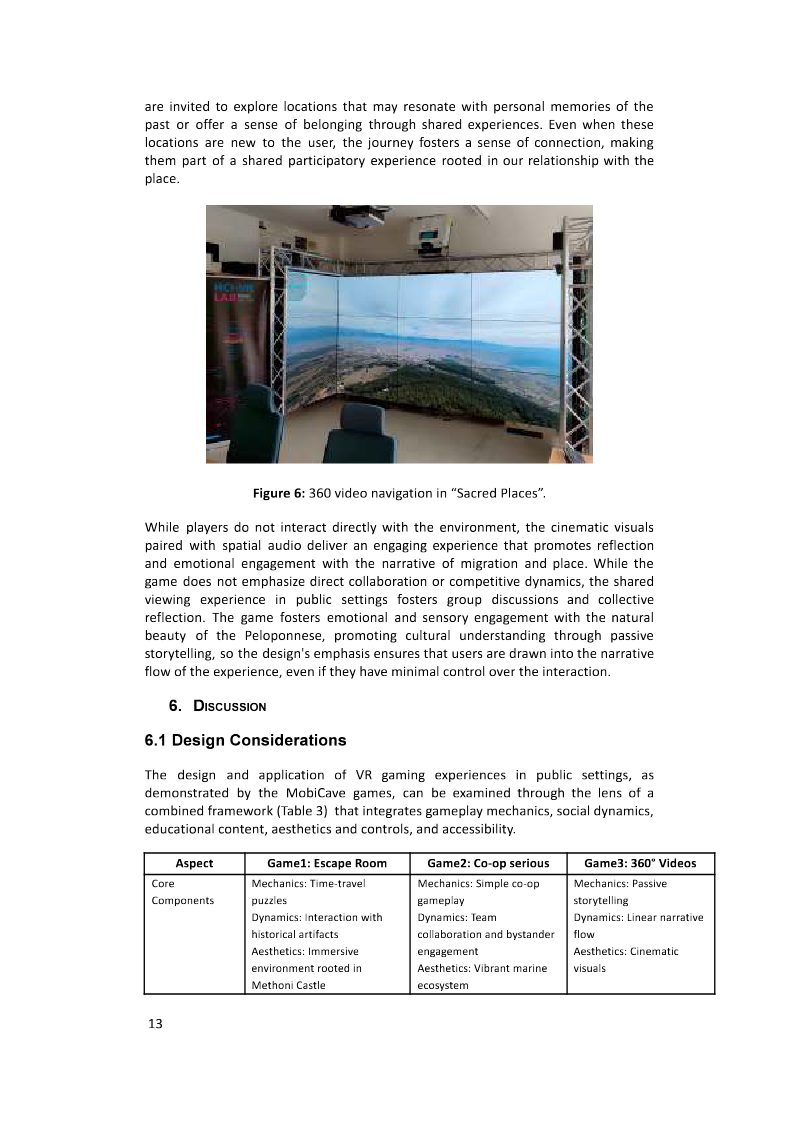
DiGRA · 2025