Key insights
7 slides
The event
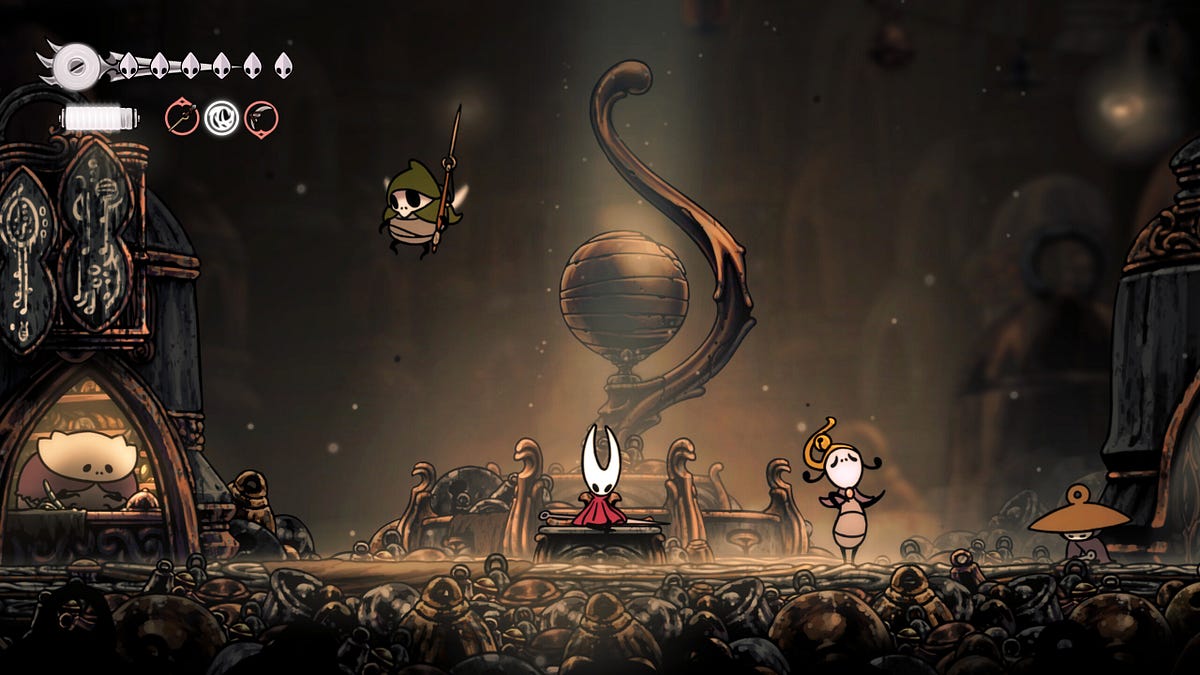
Silksong launched on September 4, 2025, after an 11-year development cycle.
Team Cherry's Hollow Knight: Silksong appeared suddenly on September 4, 2025. The game originated from a 2014 Kickstarter campaign.
The ripple effect
At least 18 independent titles delayed releases to avoid competing with Silksong.
The shadow drop triggered a significant industry impact. Independent developers preemptively delayed their own releases to avoid direct competition for market attention.
The review code debate
Team Cherry forwent pre-release review codes, sparking debate on game criticism.
The decision to bypass pre-release review codes has intensified industry debates.
Labor instability
Layoffs and unionization highlight ongoing labor instability in the industry.
Recent reports indicate ongoing instability, including layoffs at Crystal Dynamics.
Unionization. 450 Blizzard employees unionized.
450
Blizzard employees who unionized
Workload protests
IGN staff protested increased workloads, highlighting broader industry tensions.
IGN staff have engaged in organized protests specifically targeting increased workloads.
Market volatility
Extreme volatility and concentrated attention force indie developers to compete aggressively.
The current gaming market is characterized by extreme volatility and a high concentration of consumer attention. This forces indie developers to compete aggressively for the 'indie game of the week' status.
Creative freedom
Self-funded studios can bypass traditional industry pressures like release-date mandates.
The 11-year development cycle of Silksong demonstrates that self-funded studios can successfully bypass traditional industry pressures. This includes external release-date mandates and rigid project management tools.
1 / 7
Ask AI about this report