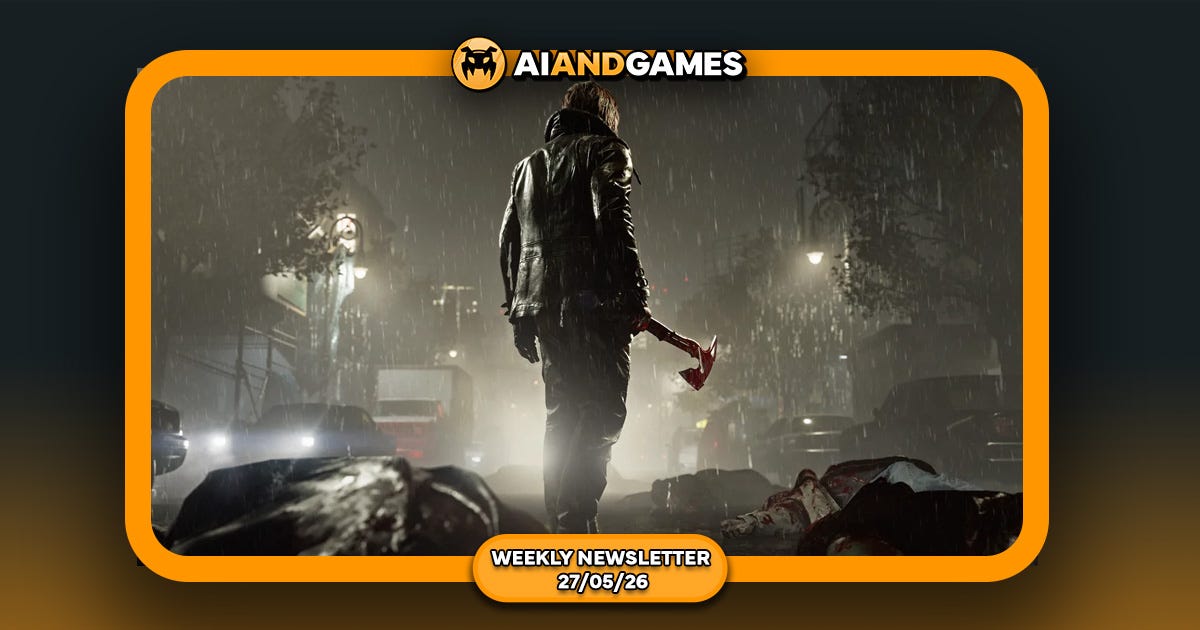
Capcom maintains a strategic focus on integrating artificial intelligence primarily as a mechanism for enhancing production efficiency, specifically within technical domains such as debugging and quality assurance. By positioning AI as a supportive utility rather than a substitute for human creativity, the company aims to mitigate negative public sentiment surrounding generative technologies. This philosophy reflects a broader industry consensus that generative AI currently lacks the necessary value proposition to justify its implementation in creative workflows, particularly when such tools are perceived as replacements for human labor rather than enhancements to the development process.
The current landscape of independent game development offers a varied perspective on how these technologies and design philosophies manifest in practice. Titles such as Outhold demonstrate the potential for high-customization experiences, while others like Rainbow Legends illustrate the persistent challenges of balancing onboarding and difficulty. Meanwhile, games like Luna Abyss highlight the importance of strong world-building and combat mechanics, even as they navigate pacing issues in their structural design. These examples underscore that technical innovation remains secondary to the fundamental requirements of player engagement and cohesive game design.
Looking toward the future of the industry, the discourse surrounding AI continues to evolve as studios balance operational optimization with the preservation of artistic integrity. As the sector prepares for upcoming industry conferences and new project announcements, the emphasis remains on proving the tangible benefits of emerging technologies. The overarching objective for major developers and independent creators alike is to demonstrate that any adoption of AI must prioritize the player experience and the long-term health of the development ecosystem over short-term labor reduction.

AI and Games · 2026
AI and Games · 2026

AI and Games · 2026
AI and Games · 2026

AI and Games · 2026
AI and Games · 2026
AI and Games · 2026

AI and Games · 2026

AI and Games · 2026
AI and Games · 2026
AI and Games · 2026
AI and Games · 2026
BITKRAFT Ventures · 2026
modl.ai · 2025
Google Cloud · 2025
Game Developers Conference · 2025
Informa · 2024
Drake Star Partners · 2024

Perforce · 2024
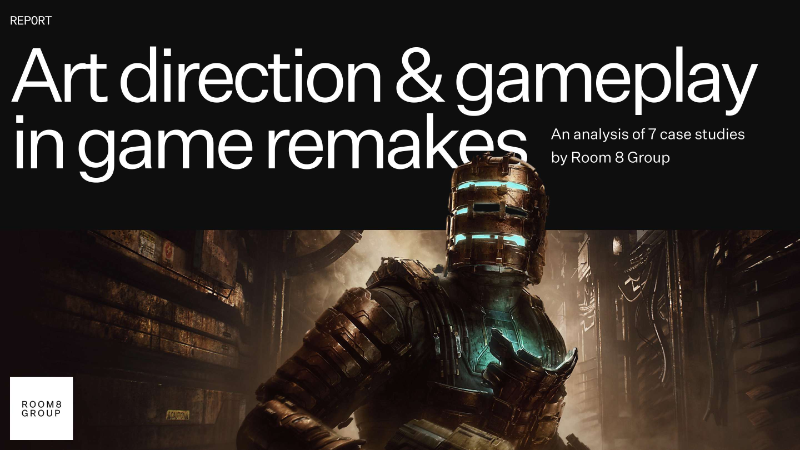
Room 8 Group · 2024
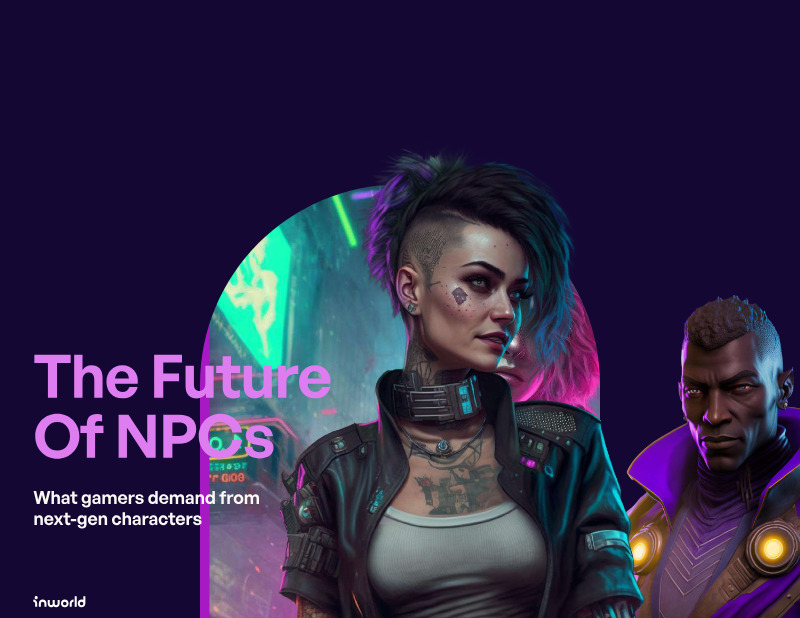
Inworld AI · 2023

University of Bristol

InvestGame
GameAnalytics