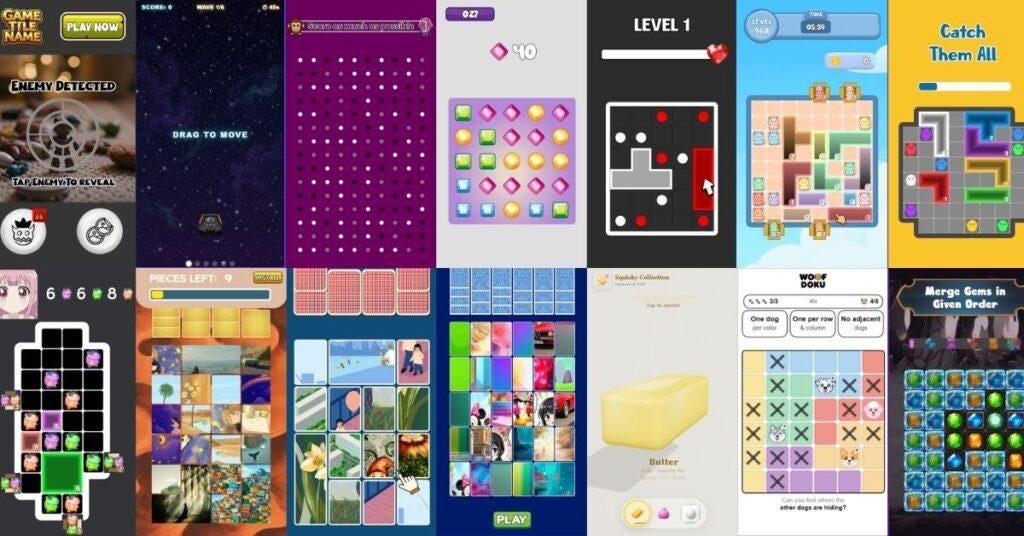
Artificial intelligence significantly enhances the mobile game advertising creative process by accelerating the transition from static concepts to video production. The primary thesis centers on using AI to rapidly iterate through visual ideas, allowing user acquisition managers to identify "winning" concepts through high-volume testing. By leveraging tools like Midjourney, DALL-E, and Stable Diffusion, developers can generate diverse views, angles, and backgrounds that would be too time-consuming or costly for traditional design teams to produce manually.
The methodology emphasizes a structured pipeline where static images are tested against one another to find a top performer, which is then converted into video content. Success in this framework relies heavily on prompt engineering, where detailed, direct prompts—including technical specifications like lens types, lighting conditions, and ISO settings—yield superior results compared to ambiguous inputs. Beyond image generation, the integration of AI voice tools such as Eleven Labs and Synthesia allows for the creation of fully realized video assets.
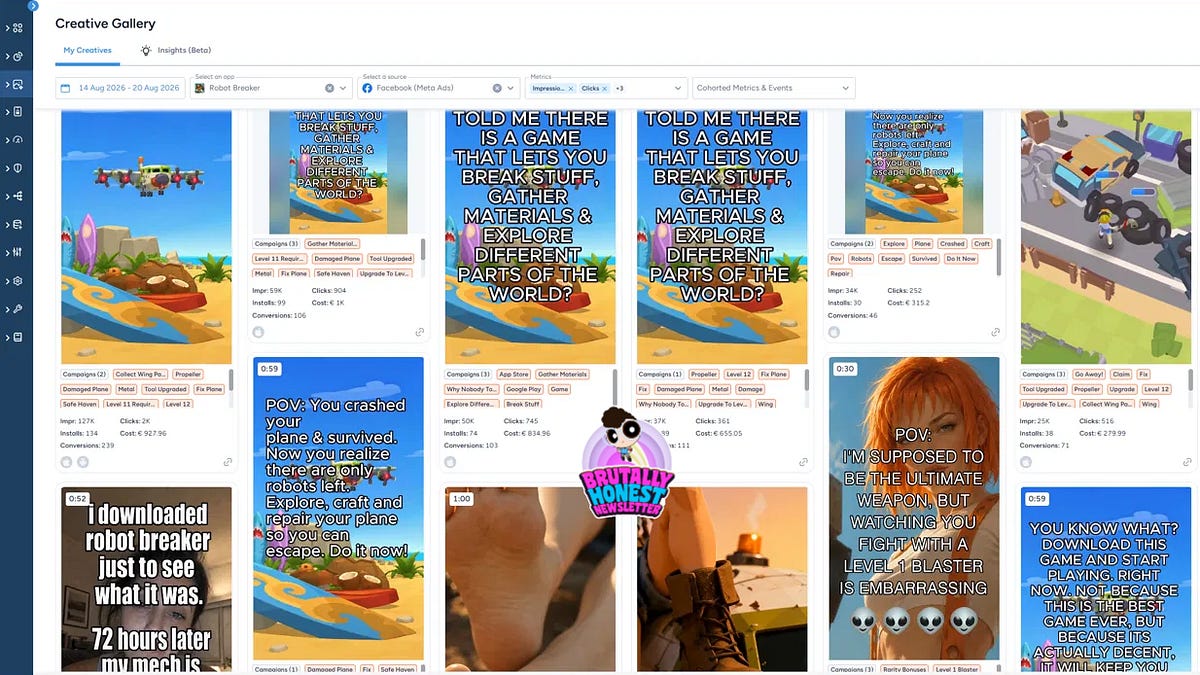
Practical application data suggests that AI-generated statics perform particularly well in Facebook auctions. These visuals often drive higher engagement through likes, shares, and comments, especially when they feature surreal or humorous elements that spark user conversation. To ensure long-term viability, advertisers must monitor cohort metrics, specifically retention and Return on Ad Spend (ROAS) benchmarks, rather than relying solely on click-through rates. For optimal testing on Facebook, the use of Advantage+ App Campaigns (A+C) is recommended to allow for higher campaign limits and more efficient creative exploration across various demographics and optimization goals.