This analysis explores the integration of artificial intelligence into mobile game user acquisition and creative production. The central thesis posits that AI does not replace human creative craft but acts as a powerful force multiplier that collapses production timelines. By automating labor-intensive tasks—such as character animation, voiceover generation, and format reformatting—teams can significantly increase their creative output volume and testing frequency, provided they operate within a disciplined, structured workflow.
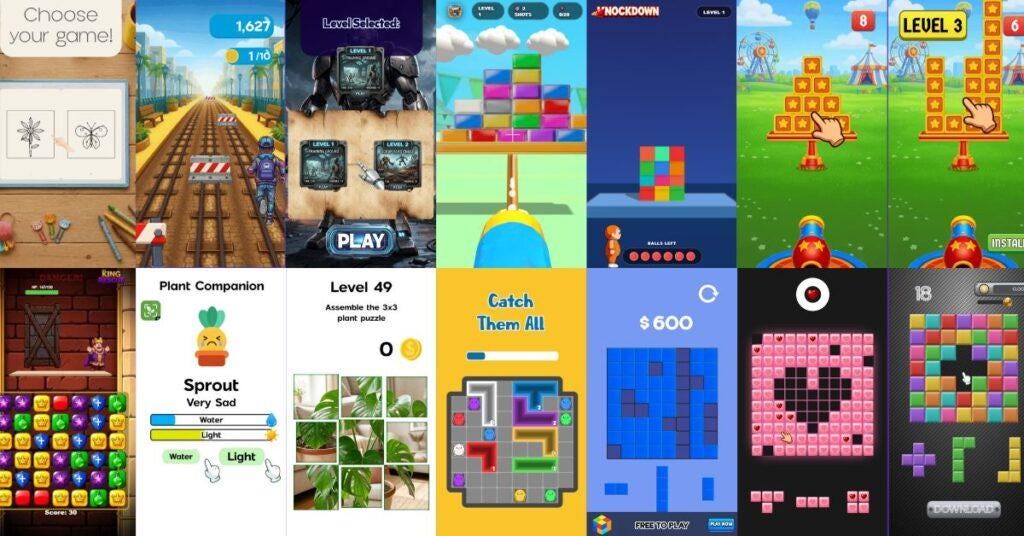
Key findings emphasize that AI is most effective when treated as a modular, role-specific stack rather than a single-tool solution. Successful workflows prioritize creative direction and planning before execution, utilizing tools like ChatGPT for script iteration, ElevenLabs for voiceovers, and HeyGen for animation. The analysis highlights that high-performing creative strategies, such as those observed in the evolution of Township’s advertising, rely on deep psychological loops and playable ad formats that mirror core gameplay mechanics to drive acquisition at scale.
The scope of this analysis covers the mobile gaming industry as of April 2026, focusing on global user acquisition trends and creative production methodologies. The insights are derived from professional industry experience and practical application within creative design teams. The analysis concludes that the competitive advantage in the current market lies in the ability to rapidly iterate and feed performance learnings back into the creative brief, effectively using AI to remove the bottlenecks that previously limited production volume.