1 free read left. Create a free account for unlimited reading + AI research.
Create free accountWhitepaper DiGRA
1 free read left. Create a free account for unlimited reading + AI research.
Create free accountWhitepaperDiGRA
File-level openness on PC platforms blurs the line between a mod and a remaster. Fans can produce visual and technical upgrades identical in form to official releases.
This paper examines fanmade remasters of digital games, positioning community modifications as an under-researched form of game remastering that complements and sometimes contests the remaster and remake practices of the commercial industry. Drawing on platform studies, nostalgia research, and critical concepts such as prosumption, cognitive capitalism, and playbour, the author argues that the distinction between a mod and a remaster becomes blurred on PC platforms, where file-level openness allows fans to produce visual and technical upgrades identical in form to official releases. The central thesis is that grassroots remastering should be studied as its own practice, one that carries different meanings and motivations from industry work.
The paper identifies three categories of fan remastering. The first is modding as archiving, in which fans restore access to games withdrawn from sale by adapting them to modern operating systems and hardware, a response to the finding that more than 80% of pre-2010 games have disappeared from commercial circulation. The second is modding as an alternative to official releases, illustrated by unofficial enhancements such as Silent Hill 2: Enhanced Edition and the Echo-S 7 modification for Final Fantasy VII, which add high-resolution assets and full voice acting while preserving original game design. The third is the use of mods as testing grounds for new technologies, examined through commercialized projects such as Black Mesa and Nvidia's AI-assisted RTX Remix toolkit.
The analysis is critical as well as descriptive. The author notes that licensing ambiguities make many fan activities legally grey, that official fan projects can reinforce corporate IP while exposing modders to exploitative labour conditions, and that even fan efforts to remain faithful to originals often impose contemporary aesthetic interpretations. The study is primarily conceptual and theoretical, drawing on existing literature and selected case studies rather than a systematic dataset, and it situates its arguments within ongoing debates about nostalgia and digital preservation.
 Final Fantasy VIIGame · Square Product Development Division 1 · 1997 · 77 documents
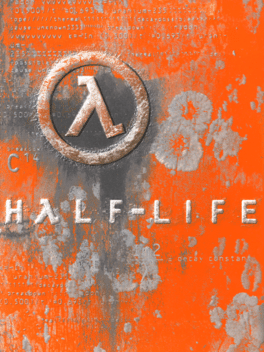 Half-LifeGame · Valve · 1998 · 52 documents
 NVIDIACompany · Technology · 82 documents
 Square EnixCompany · Japan · founded 2003 · 337 documents
 ValveCompany · United States · founded 1996 · 529 documents
 Silent HillGame · Team Silent · 1999 · 63 documents
 Silent Hill 2Game · Team Silent · 2001 · 19 documents
Each row is a game or company this document names, each column a document, oldest first. A mark means that document names it. Select a row to see those documents.
DiGRA · 2026
Extra Credits · 2026