1 free read left. Create a free account for unlimited reading + AI research.
Create free accountArticle GameRefinery
1 free read left. Create a free account for unlimited reading + AI research.
Create free accountArticleGameRefinery
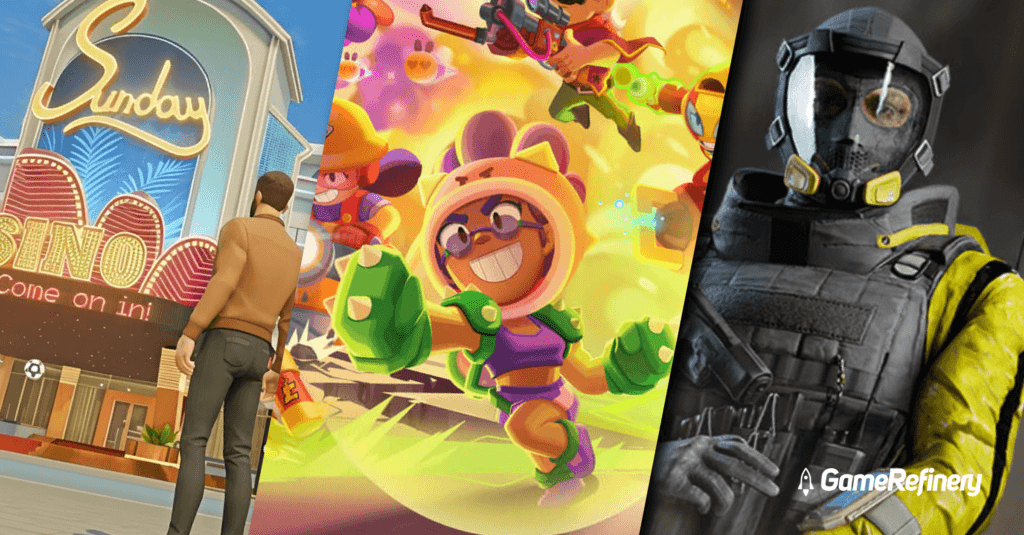
The mobile gaming industry has experienced a significant shift in monetization strategies, with Battle Pass systems evolving from a niche feature in Battle Royale titles to a widespread standard across diverse genres. As of late 2019, 21% of the top 100 grossing iOS games in the United States had implemented a Battle Pass, marking a sharp increase from the low single digits observed at the beginning of the year. This trend indicates that developers are increasingly prioritizing engagement-driven monetization models to boost player retention and revenue.
The adoption of Battle Passes spans various segments, including mid-core titles like Clash of Clans and Clash Royale, as well as casual games such as Gardenscapes and Idle Miner Tycoon. While implementation styles vary—ranging from quest-heavy progression systems to event-linked rewards—the primary objective remains the creation of a compelling, recurring value proposition for players. Successful models often balance exclusive content with a progression curve that encourages daily interaction without cannibalizing existing in-game economies.
Data for this analysis is derived from the GameRefinery service, which tracks in-game features and monetization mechanics across the mobile market. The findings suggest that while some implementations, such as those in Mario Kart Tour, have faced community pushback due to restrictive paywalls or unappealing rewards, the overall industry trajectory favors subscription-based and Battle Pass models. As regulatory scrutiny regarding traditional loot boxes and gacha mechanics continues to grow, these engagement-focused systems are positioned to become a dominant force in mobile game monetization.
GameRefinery · 2026
GameRefinery · 2026
GameRefinery · 2026

GameRefinery · 2026
GameRefinery · 2026
GameRefinery · 2026
GameRefinery · 2026

GameRefinery · 2026
GameRefinery · 2026
GameRefinery · 2026
GameRefinery · 2025
GameRefinery · 2025
Two & a Half Gamers · 2026