1 free read left. Create a free account for unlimited reading + AI research.
Create free account
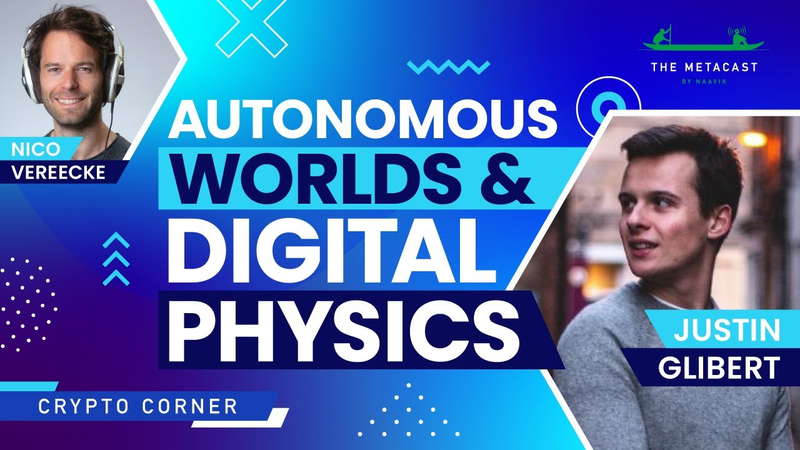
Autonomous Worlds and Digital Physics with 0xPARC- The Metacast by Naavik
Key insights
6 takeaways- 01By shifting from pre-packaged content to rule-based systems, developers can foster emergent social structures and collaborative, player-defined experiences.
- 02Autonomous worlds function as admin-less, persistent digital environments where rules are governed by immutable, on-chain physics rather than centralized server control.
- 03The MUD game engine enables this architecture by decoupling core, synchronous game rules from client-side interfaces, allowing for interoperable systems.
- 04This decentralized framework aims to eliminate the risk of server shutdowns and the trust-based vulnerabilities inherent in traditional, closed-system game design.
- 05The primary technical objective is to optimize on-chain infrastructure to handle massive parallel computation, effectively mimicking the constraints and reliability of the physical universe.
- 06Establishing a neutral, physics-based coordination layer provides a secure foundation for large-scale social experimentation and the migration of real-world economic dynamics into digital spaces.
Ask AI about this video
Transcript
[Music] gm friends and welcome to the metacast brought to you by navik in this crypto corner episodes we are going deep talking about the future of gaming um and how new technologies can shape it i'm joined here by justin glibert who is um yeah so there's two words for two concepts we want to talk about a few times today and that is autonomous worlds and digital physics and so justin is working on autonomous worlds at xerox park um there's yeah war doing amazing amazing stuff so i'll let you talk about xerx spark from there yeah so zurich spark is a it's a foundation that essentially funds projects that advance the plot of ethereum and crypto in general so what we see is that we have a bunch of
efforts to make cryptocurrency and then the role we see for ourselves is we're the xerox part of crypto it's like well if you give a bunch of money to researchers you tell them bill the best computer you can possibly do which is what they did as their spark it doesn't matter if it was three hundred thousand dollars they did it and then they were living in the future so that's the thing that was really interesting um the altar at xerox park was like 300k a piece and they all had one and they all built it in house and then while everybody else in the world was like still using ibm batch processing computer they were sending emails to each other and playing games and they had like an ethernet network inside xerox spark so what we're doing at xerox markets like the hexadecimal prefix before parkinson it's kind of like a throwback at that that particular institution is trying to do something similar where we take a limitation and we say what happens if this administration doesn't exist anymore so as an example for autonomous worlds which is this division we have where we build on-chain realities or like things that are essentially going closer and closer towards sovereign virtual worlds
running with crypto technology one of the limitations we throw away is scalability so we say well right now ethereum is a million gas per second on mainnet we have some sidechains that can go to 10. um what's the world where you have a billion gas per second uh and so we create that world it's completely unsustainable those chains can't run forever they can only run for a couple of months we need to run them on crazy computers but when we like throw away all those like limitations we say okay now that we live in the future what can we build for this um and we have another big branch that does zero knowledge stuff and the limitation with zero knowledge is like the developer tools are suck um like essentially personal computers are like not that great when it comes to proving zika proofs which you want to because you want to prove the proof yourself to keeps like the privacy rollups don't need that because they use zk for scalability but we want to use zika for privacy so if you're using it for privacy you need to run the computation on your own computer and right now it's really bad so that's like one of the limitations we say well let's throw it away or if we don't throw it away let's
at least work on it to start removing it progressively and so the zk team has made like quite a lot of significant contribution to the field in last six months and we're finally at a stage where i mean we could talk about it later maybe after we we talk about um some of the autonomous ward stuff but there are like crazy use cases that are possible now because a bunch of people from xerx park said okay let's just like find obvious limitation and just destroy it in six months um and what we do with xerx park like quite practically is we find those people we put them together and we fund them but it's not an investment it's just we give grants and then the people that fund us are the ethereum foundation bitcoin um knows this a bunch of other people that said okay like here's some money no strings attached use that to like advance the plot um and every time we do crazier projects we have a greater um like bargaining power with those institutions so well here's what you gave us last time here's what we did now can we have more money because we want to expand our operations into even crazier stuff that's roughly kind of like the model of xerox park um why does that not work with like for
profits yeah so the thing that is tricky with for profit is that it does okay so one mental model i have for like non-profit for-profit um equity investment versus grants is that as soon as you say okay i'm raising equity money or like i am building a for-profit company you essentially put a ceiling a cap on how interesting your project can be because your constraint just got thicker like you're in a space where you need to maximize shareholder revenue and then you need to make money so you're already operating in a space that has constraints and for a lot of the stuff we do it seems like we need to not be in that space but and this is to go back to what you're saying as of now xerox is not like sustainable yet because it's just like injection of money from third parties and then we invest this what we're going towards is essentially a model where some teams at xerox park use the technology that has been built by other people to capture value and redistribute this within the ecosystem within the xerox conspiracy basically um
because it's the theory of the firm that says like a thin amount of people capture all the value in a company and then a huge iceberg of value creation is there and so if you have an unbundling which is what happens with crypto right now or like big teams are separated into much smaller teams you're never going to get the google of crypto like the google of crypt like people like dapperlab is trying to do this build a huge company build games build blockchain stuff like that it works but they don't get all the like the pros of the unbundling so right now what we're seeing is we're seeing a lot of team moving way faster because they're unbundling but the problem right now with crypto is every team is trying to make money because they all need to be sustainable but if you don't have to do that if you don't have to make money because you're part of this ecosystem where you know that like you choose co-founders like dependencies as co-founders like what i'm saying is like what you know how you create a company you do like 50 50 but two co-founders what if one of the co-founder is your dependencies you say okay i'm like starting this company it's like a zk wallet and it's like you and i and our third co-founder is open source so we give 33 of our like revenue and
equity to like back to a co-op that redistributes that's the model and so far this has allowed us to put some like super smart people in like writing a piece of math that is going to be open source that if they had been in a startup nobody would have funded it to do them because it was hard and it took a long time but now that it's there we're like okay we have this technology who do we give it to to make money from or like to build on top basically so for the moment you're still funded by grants yeah but over time you expect the tools that you're building right now to be used by companies or protocols that actually generate revenue yes and then you will use you know blockchain technology to in a very granular way and distribute back some of that value to everyone that participated in building absolutely i mean the redistribution part can be done with box intelligence technologies but like the thing that matters the most is like the trust basically like people are there and they know that they will be rewarded for what they're doing uh because there's like this like dependencies as co-founder model i think that ultimately it is unlikely as of now that not like external companies that don't get it are
to use our tools i think what's going to happen is we're going to spin off revenue generating products and that seems like it's actually happening faster than we thought it would happen because we already have like this like latent value creation that has been built upon and now we just need to spark to like like ignite it and start like making money right basically so like we're like well we created all this value now how do we capture some of it and redistribute it and grow bigger basically you said earlier that you're you know taking away limitations from the real world that are in the real world still there yeah it is something how are you spitting out stuff from that so when we take limitations out um it's like so you have like a pipeline of like things that are like really in the future and we start researching now because we expect that those limitations will not be there in like two or three years and there are things that go really close towards like okay it was just us seeing a wave coming before other people we did the work and now that the limitations are gone we can push onto it so the limitation we were talking about which is like this gas per second stuff which is really important
for virtual worlds um people are like so like are such a scarcity mindset when it comes to block space right now that people like like so many like brain cycles and are spending like solidity optimization right so it's always going to be important but we think that while removing those limitations we actually discovered ways to make them actually go away in the real world so so because we unload ourselves i think it was possible like if you're stuck in this idea that no ethereum will always be slow okay it's mainnet and it's going to be like there forever you can't even start thinking about how to remove that whereas first we just like threw it away and by through the way by throwing away the limitation we start discovering ah okay if you like make this like light trade off you can get it like if you like say well instead of running a chain forever we only run it for six months then you can make it work as well and also by doing this we actually find the limitations at the level of physics we're like okay what is the ultimate speed of ethereum with the current software if you have no limitations well we figured it out it's like 120 times faster than mainnet but not many people know that because we just had to push it
that's what the research lab does um and it's really interesting because the way i think about it is kind of like a map so xerox park is like a better map of the territory than most people because most people stay in like the little like center of the forest where there's like a village and stuff like that and sometimes they go out a bit in the wood and like like we don't know if we can do this and then they come back and they build products in the village and what we did is we're just like we sent a bunch of people with torches all around and we found like this like the actual layer around the forest where it stops and so we actually know the trade-off space much better than other people which is kind of interesting but to do this like you really need to not have to care about product market fit at the beginning because if you care about product market fit then you can't do the exploration um that's fascinating i feel like you're describing your work within the the blockchain space and within the ethereum space and i feel like parallels can be drawn within the gaming space where you know we face in blockchain gaming we face a lot of backlash from traditional um game developers um that uses old paradigms to look at new
technologies yeah and that's that's i think where we see a lot of these conflicts let's talk about autonomous worlds i'm curious what does that mean to you yeah yeah so we i we quite deliberately did not name this division and like what i spend most of my time on gaming because um every if you were to call this gaming essentially you kind of like prime people that is like like you see gaming and they already have like a preconceived ideas of what this means and if you try to stretch that boundary it's a lot of work because they already have this like mental model that's there whereas if you make some [ __ ] up like autonomous forms like there's a free space in their brain where there's nothing that has been created around it and and and it's it's quite deliberately two words so autonomous and worlds and both of them are kind of orthogonal to each other you could do research in one and research on the other but what we think is when you bring them together it's more than the sum of their part it's like there's a symbiosis from this idea so let's let's first talk about autonomy so autonomous here means um if you build a world so a virtual world
um or a game like like we can talk about dogfest later which is a nunchang game we i don't think darfus is a world but it's a game but it's an autonomous game and so what this means is like the game runs on autonomous computation we can also call that sovereign computation so one way to think about ethereum which is and then this is a big alpha leak uh one way to think about ethereum is that it is a token with a computer to make smart money the way we think about ethereum it is a computer with a token so it is first and foremost a computer and the token just makes the computer work at scale and it creates the economic incentives to make it alive most people think ethereum is just smart money like the fact that it's called smart contract has been the biggest like misconception ever because it's like oh it's like with money with like some form of tender and we can program it but if you see it as a computer with the token what this actually means is that it's a computer that one lives forever or for as long as the last interior will run for two it is a computer that everybody can use it is one of the most
open and fair computer in the world it's really slow it's an apple ii right now we want to go from apple to pentium but that's a different conversation it's an apple ii it's really slow but it's really fair and open and third the thing that is really interesting is this computer like if you have a program that runs on this computer this program can have one property that no other programs in the world can have unless they run on this computer and it's being admin less so what it means by that is like today we have like super computers with cloud services and stuff like that but in the end someone can still come and unplug them so like they're the computers today regardless of how powerful they are they always need their daddies um the thing that is really interesting with ethereum is that the network makes a credible claim that if a program does not have a function that like lets an admin or someone permission to shut down it will actually be around almost forever and that's what we mean by autonomy like i mean people who watch this might be familiar with um wrapped if which is
this little contract that takes ether and wrap it into prc 20. the crazy thing with wrapped eath is you could not do that with a lithium wrapped it doesn't have an admin nobody can stop rubbed teeth rough ethan's like like i mean it's a really simple program but it's a really simple program that nobody can stop um so the interesting ideas are like uh if we think about it this way can we push the concept further like could we have a like very simple i don't know strategy game that can't be stopped can we have a little like a really simple world with some physics and some like resources that can't be stopped and that actually in my opinion makes some like it it gives something that so far has always been created through um trust and legitimacy so as an example let's say you're playing ultima online um you believe in the work in the world of ultima online because i don't remember how the company was called was keeping in the life but in the day where they stopped you being alive the entire hallucination stops like oh my god yes we're believing this world and we're putting like our time and our investment to like make this reality ours but at some point like the like it just shuts
down they run out of money whatever but here the thing that is interesting is you don't need to build the trust like blizzard did to say hey we're gonna run world of warcraft forever no as soon as you deploy a program on ethereum and you don't add an admin function everybody can see oh it's gonna live forever even if this has been deployed by like a six years old or like a 12 years old kid that has no reputation in the internet it doesn't matter because the world is going to stay alive so that's the autonomous part it's like essentially one way to think about it if you think about in terms of economics is you pay this apple 2 computer to keep your world alive like what this apple 2 computer is like this what this world computer is telling you is like autonomy so you pay for autonomy so that's the autonomous part the work part is this idea that and we can there's like there's a galaxy brained version of this idea that's like it would take a long time to talk about and there's like a smooth brain version of this idea we can talk about the smooth brain first but the smooth version of this idea is that um one thing we discovered while working on dark forest is that if you make a game today um there's this notion of like a magic
circle so like the magic circle is essentially if you're inside the magic circle you're playful and if you're outside you're not playful so most game companies need to design everything inside the magic circle like the forums the markets the game itself the user interface and they give like this whole this package that cost millions of dollars to someone and be like hey here's like a ready magic circle for you the thing that is interesting if you design your game not and you don't make a player promise you don't think about oh the player will experience this instead you create a set of rules that is like fear and emergence and like um essentially like can be built upon the magic circle is created by the players so what happened with our first you say okay here are a bunch of rules um and we put it on this ethereum network um and we didn't draw a magic circle on the ground we never said okay if you click log in on dart first now you're playing and you have like a different name and here's the interface we give you in here in the marketplace but if you're like not logged in you can be like your real you the players created the magic circle
what this means is there were tons of behaviors that were never planned people started selling maps to each other people started creating like marketplaces people started like creating guilds that have smart contract players and people starting creating like different clients and change the art and stuff like that and you can because dark force is just a set of groups everything else is defined by other people and so it's this shift in design mindset where if you're a game designer you've been used to creating an entire package up to the song you hear if someone farts in gta 5. this is like what you have to design what we are doing when and what other people we expect other people to do is when the design work is is that they think about rules of physics and by we can talk about the physics part later but like they think about rules that are fair and emergent and create an interesting reality and then they give this reality to this computer to make it autonomous and they say well we made a gift to the world now you can if you think this reality is interesting you can go do stuff there and players will define themselves with the magic surplus and we saw some of that with loot but loot was like loot was players did draw
the magic circle themselves instead of dom but loot was always like a list of numbers and it was it went really far and when we think it's like okay if loot is a list of numbers what does it mean if like on top of being a list of numbers with embodiment physics violence um or those like concepts that make this reality very rich and interesting um so yeah that's what we mean by autonomous words like the autonomy part is running on sovereign compute which is why we work on like on-chain games this is kind of like something that people talked about and the word part is like how do we move from video games to worlds how do we move from video games to realities basically um so it's less about designing a specific experience for the player like if you design a word you probably won't have achievements like like let's say you're like designed to imagine if god created this reality and added achievements that would be stupid what god did is just like here are some cool rules and then they'll figure it out the rest um one way to think about it is we create switzerland and then you can come and like draw a soccer field and play soccer with your friends and that the player can do that but when they leave the soccer field they're stunned so and the thing that is really interesting
is if there's a soccer field and if there is a volleyball field the people playing soccer on the soccer field can throw a ball on the face of someone like volleyball and they don't have to like go through agreements or standards or whatever or like transfer their nfg from one word to another it's still in all in the same world with the same physics if that makes sense um so what we expect is if we build those realities if we build those words people would build games on top but first and foremost we have to build like an interesting reality that can host those experiences basically are you sure that was a smooth brain version that was really interesting fascinating um what would be is it fair to characterize this in the direction of sort of decentralized minecraft where you know you you have a bunch of physics and you have a bunch of rules and people can do whatever they want within that world i guess it goes further than that yeah but is that a way to start thinking yeah it's a good way to start thinking i think so one way we can think about it is you have an axes for for for games
is that if there's content and there's rules so we can give some examples of like things on that spectrum so like we can build a mental model of it so chess is all rules no content it actually leaves the content part to the app you can play chess on natures.com and have some pieces or you can play chess in an unreal engine 5 engine with like beautiful 3d pieces but you still play chess because chess is all rules no content um you have some games there are old content no rules i mean they always have some rules but there was like cyberpunk 2077 is all content like if you were to play cyberpunk with like all three mothers turned off in no quest like it would not be cool like you explained some from like really weird simulation of the world right um and so minecraft is in the middle there's still a lot of content uh but there's a lot of loops so one problem with minecraft is that as an example let's say you want a new block um adding a new block always need a god or a game designer to see to make this block canonical because the blocks the blocks are coded in java if you want to put a block in minecraft that says
like oh this block keeps growing infinitely over time you could and it would fit into physics so what you want is you want to take minecraft and you want to go closer and closer and closer to um have you heard of like conway's game of life it's like a cellular automata yeah so comics gamer5 is all rules no content it's unplayable but i think that is really interesting with converse game of life i can build a computer and convince game of life you can build a train your train can smash into my computer break it in half it's still business as usual the game is working in minecraft there's no way to do that you in minecraft like every single object has been designed by a game designer and then they fit together so one way to think about it is that the physics of minecraft is it's too much it's not the actual things don't play well together there is no form of like cohesion amongst the blocks it's like almost a miracle that it works together basically whereas this reality um we have this microphone that we're using but if i could smash it hard enough i could break it and in my practice would not happen someone would have to code that rule basically um so you want to take something on minecraft to go closer towards the physics yes and another reason for this and that's like very
familiar to people that are like into the idea of crypto is that we need laws of conservation and another way that like another word that people use to talk about laws of conservation is scarcity so um in conway's game of life you can build space viruses you can build a machine that grows bigger over time and take over the entire world that's really bad because that means like a single bat agent can snap their finger and destroy everything so what you need is you need conservation of energy conservation of momentum and all of those things to work basically to make the world work um another way to think about this is that in this world all of us can be powerful like we can build things we can i can like go and like build a house somewhere and i can do it myself and i need to ask god hey is this house available in the marketplace no i just i just built my [ __ ] house but we can all live together and co-exist because i can't snap my finger and like destroy all of like i don't know the african continent right now it would take me a long time and i would have to like spend a bunch of money and energy onto this so we have all those checks and balances that makes a bunch of agents live together was right now on a computer it's not possible like if you
don't have like an operating system which is kind of like god operating system here would be like zuckerberg's metaverse that like dictates who can do what um if you have an operating system a program can just wipe the memory of another program like there's no rules of physics that like dictates that confrontation essentially um and blockchain is similar right now blockchain has like total property low if i have some if you can't take them away from me unless like you go outside the magic circle and you take a wrench and you beat the [ __ ] out of me till i give you my keys but within the rules of the system itself you can't take them away from me and we actually think that it's like too libertarian to create realities because in a reality like this the reason why it's interesting is because there are always overrides we have a geopolitical drama here like a geopolitical backdrop of drama that like changes your life and make things change because ultimately even if you're nation states even if you're all of this what do you violence but it's always there it makes things change this is actually a solution to the land problem if you sell land in a metaverse or like like in video games and you own it forever then it's actually completely unrealistic because there's no way to impose your
will onto someone else and then you start having those like rent-seeking behaviors where someone that it's almost like being god like i have this piece of land nobody can take it away from me and i can rent it forever whereas if you have a place like a world on the internet where there is violence if people shows up with pickaxes they take your land and that's over and that's really interesting because what is violence violence is social coordination so you create a world where like you go from libertarian to marxist because the marxist vision of the world is that private property is a steel it doesn't exist and what actually matters is social coordination so what we do is we want to go towards like essentially building those worlds that are very programmable where you can deploy games and whatever an experience even defy apps inside but at the core it's not libertarian it's marxist if people show up at the uni swap tools and burn everything and take the tokens they can and we think that it's gonna one be really fun and two it's gonna lead towards like way more interesting cyber space on the internet uh where like much richer relationships will be created and much richer like drama will be created there
basically that's fascinating so if i understand you correctly the world we live in has some sort of very fundamental first principles physics yes which allows all of this basically exactly which i mean it the world is balanced by the physics in which it is exactly and so what you're saying is we want to recreate similar physics it doesn't have to be the same but it needs to have the same properties basically yeah so yeah you don't want people to do to create infinitely exact limits all of these things to make it balance yeah and so you know in india our world is almost endlessly creative yes yes you can't move in all axes like we can't fly these are things that you would be able to to i mean you can't fly through a plane that's true so that's the thing that is you make it yourself you can make it yourself yes given gravity and they have to beat that given the limitations that's fascinating okay now um i'm assuming you know what we're talking about is still a ways out oh yeah what are the next steps on your journey where are you like what are you building right now what are you building next and how should we think about that so remember
how we have like autonomous and world right now we're working on the autonomy part so what we're going to go towards is like autonomous games not words yet we're working on tournaments games so the design problem of turning games into worlds is really hard and it takes a long time and we have like some research for this being done to this but we don't think it's going to be ready until like maybe one two three years so right now we're working on the autonomy part um and what we're trying to do is if you've seen dark force it's like oh we can do 2000 players max at the same time the rules are really simple it's really slow um the production quality of the game is not that high but that's actually not a problem with the blockchain we could have made like an unreal engine five client for dart for us you know because it doesn't actually it's back in front right um so what we're trying to do is we're trying to like essentially go closer towards this one billion gas per second value i gave you uh and also like build an on-chain game engine it's called mud we've been working on for the last nine months when we think about dark forces it was made like wolfenstein 3d it's like we had a bunch of drawn carmax in the room and they were like oh my god we have to
make this thing happen but we're going to write super optimized type code just for this one specific game and there's no way to change it like it's really hard to change out for us what we built is we build some form of like game engine like unity but it doesn't do rendering and stuff like that because that's a client thing it just focuses on like building blocks for a game that runs on chain and this thing is called mud uh we're working on like some form of temporary chain or temporary roll-up we can run mud on and so with those two pieces of technology together we think we can build games like civilization one with smart contracts and programmability with like 50 000 players and we just we're gonna let this work run for like six months and people will be able to deploy uniform pools inside people will be able to create contracts people will be able to create war bones you can have um what's the bank in game of thrones that finances wars um the golden something yeah you can have that you can have a smartphone that says i borrow money from that bank to be able to like wage war against those people that give you part of the revenue like all of this can be done and because it's all on chain it's really easy you just keep deploying smart contracts so we we that's the kind of
stuff we're targeting as of now like for the next like six months it's probably gonna just there will be something out and then when this autonomy part is we're going towards the right direction we're gonna start working on the world part in parallel uh but it's basically two different research agendas they're meant to converge at some point okay um yeah that's really fascinating so can you talk me through the difference between you know what happens on the chain and the clients how do you see that work how should people think about that and how do you see that evolve over time yeah so one way to think about it is the chess example the thing that happens on the chat down the chain is the rules of chess the things that i put on fine is everything else so if you want to have like a if you want to play chess but you want to visualize your chess game in vr with like an unreal engine 5 client you can do that uh and that that's like we the client runs on really fast computers right so they can do that but then ultimately the rules of chess we need to be unchained um also any kind of little program that needs to run and be synchronous and like
like like be synchronized with everything else in the world as an example like a war bond uh that we need to run on the chain as well so it's it's really a separation between how can we think about it so in this reality you can think of this body as your client like it processes reality for you like your eyes and your senses turns into something you can like fit like you can you can appreciate and you can live in uh your organs makes it easy for you to do something like if i grab this glass it's really easy for me i don't have to like think about every single little movements of my muscles that i need to do to grab this like this client makes it easy for me and then the physics of this word would run on the chain basically so what we're doing is we're creating a a robot for players to play in like like your flesh body is basically a robot that has been given to you to like be able to be here right so one other thing about it is like when you send an email on the internet you don't craft the tcp packet by hand gmail does it for you and then it sends it to the cpi packets so it's like the separation between what is strictly necessary for things to work together and be fair and then everything else will put on the client um but what is
really important is we shouldn't trust anything from the client because the client it's like classic mmo development you don't trust the client the client can be changed by the users also the thing that is interesting with not making the client an important part of this or at least it is important but it's not like the most important thing is that machines can participate i think that it's too chauvinistic to say oh if we create virtual wars only humans would be able to be i think machines should be able to go there as well and interact there so this is this also actually requires different design principles a lot of games today rely on the principle that um only players play and then you have all those like capture mechanism and anti-budding and stuff like that because the games are not interesting anymore so how do you create realities where if machines participate it's still interesting so what we think about is the internet is interesting even if machines are participating actually it makes it more fun that we have like weird dally two pictures on twitter and stuff like that so one way to think about this is maybe we will have to go away from antagonistic designs where games are always like non-cooperative and maybe we have to go towards like positive some
worlds where essentially machines being there makes it more interesting that might be something that will have to happen at some point but i think that the battle against keeping the machines out of our world is going to be lost there is which con it's too hard basically don't you think there will be a proof of humanity possible yeah so if there is one that is good enough then it's really easy to just slap this on top of the word and say okay only humans can play um another way to do this is if you play diplomacy it's like a board game no so diplomacy is really simple the rules are really simple but it's all social coordination so you basically have to convince people to do things with you so machines can't really play diplomacy machines can beat the [ __ ] out of you at chess but they can't play diplomacy or at least if they were to be able to play diplomacy like it would that would mean like strong ai is basically solved um maybe we'll get there at some point but as of now it's not the case so it's kind of interesting that like it forces you to go towards designs that are mostly about human coordination essentially fascinating when i think about the future virtual worlds that you're saying
you know might exist in a decent decentralized computer you know i'm thinking of high fidelity and lots of computation happening yeah um in the style of you know ready player one yeah now what we've noticing is that what we've been noticing over the past years is that you know the computation power starts reaching the limits of you know the the world the real world physics right because of you know temperature and the speed of light you know the the amount of computation that's happening um it's just getting lit um how do you see that evolve and you know does your vision of this decentralize this these autonomous worlds will they be able to handle like these these massive scale virtual experiences so there are two ways to answer a question the first one is you can make it hierarchical so what this means is um so here's an example international remittance so transferring monies internationally is actually really slow it takes banks like multiple days to send the money across but the
reason why when i sent you money it's instantaneous it's because banks like maintain checks and balances across multiple countries and they start incurring debts and they sell a list like actually credit card state like credit card bills are settled once a week but it seems instantly just to you so one way we could have this like ready player one thing is that this physics layer is the neutral coordination layer between multiple big uh projects so this is what if you and i hope we're not gonna get there but with the facebook metaverse the google metaverse the unreal engine metaverse if we have like some like indie stuff there would be this neutral layer that they accept to take part in because it's not controlled by anyone because if it's controlled by c roblox all of them would build their own one so this is why it's important that it's neutral so let's say you have this like neutral physics layer um it doesn't have to be really fast because maybe it dictates things at such a huge scale that players don't really interact with them right so that's a possibility you make it hierarchical basically and in the end like well when i built my house maybe it's batched into one physics update at the end of the day and they're all
processed together but until it's like roll-ups like till the end of the day well if if the chinese army shows up in like destroyer entire continent my house will be gone but after the end of the day it gets committed and it's like okay it's on this neutral physics layer i know it's there okay so we could we could make it hierarchical that's one possibility but i totally agree with you like computation especially the one that you can carry around with you and like the laptops were like reaching like a saturation point so that's where things are moving to the cloud where well we can put multiple computers together we can cool them down into surreally and stuff like that um but i think i'm really hopeful about is all of the technology is to be able to satisfy client-side requirements like very high fidelity like rendering and stuff like that and all of this is actually completely orthogonal to the idea of like a neutral back end at the physics layer but i agree this is going to be a problem at some point um one thing that is really interesting though is that we are reaching a cap of how fast we can do serial computation so computation that like requires the previous step to be done um like cpus don't really go faster what we can do is we can have more cpus so we can run things in
parallel the things that is really interesting is all of the games today can't run in parallel they can run maybe on four cores or something like that because they've not been designed in such a way that things are not connected together because they're not designed in a scientific way they're just like there's a player promise there's some game designer to create a document and they have to make it happen the thing that is really interesting about physics and that's like this is like part of like the giga brain and kind of like thesis about this is that this universe can be computed in parallel because every single little because of the speed of light if i do this i can't impact you immediately it needs to like with you with many many many playing time before this like you can hear this thing or even like see it so right now blockchains are so because they're serial a lot of like game servers are capping at certain amount of people because they're serial if you make the world with really strong physics constraints and you remove any global state like there won't be a global uh like i don't know like ocean hops this is just not possible because you have the light needs to travel if you do this you can actually massively paralyze it so it is
actually also a solution for scaling is to go towards very strong requirements on state propagation time and you can make run things in parallel so this is like an interesting insight actually this doesn't this could make things faster this constrains of making things physical and with like some form of speed of life some form of like energy conservation can actually make things faster that's also really interesting i think um so to translate it to in a way that my brain can progress this because whatever happens in australia at this moment yeah only influences me after you know a fraction of a second it doesn't have to be computed at the same place exactly yeah so yeah so you would see like a um if we if we make these constraints location-based you would see and i would describe it as maybe like rollups that are covering the whole yeah the ultimate versions every rope is one coordinate yes and then they have to send messages to each other and it takes time to propagate basically correct wow that's so that's possible that's possible but then it's going to be funny because people won't have global state
anymore yeah um so well one interesting way to think about it is we can add many dimensions so this one doesn't have to be three yeah so if we make it more than three what we can do is we can all agree to put all the wires in the dimensions we don't see because if you wanna like a an auction house you what you'll have is you'll have a computer in like the fifth dimension that people don't see then you have wireless coming from every single place that computer in the fifth dimension and we just make this like social agreement that well we build worlds and like things players experience the first three dimensions that we put all the systems into like four five and six but of course people will go there and it's equivalent to like removing the tile in the ceiling and going crawling into the systems so that's gonna be really interesting as well i don't know if we'll get there but it's it's an it's like a funny thought experiment yeah it feels like you know and i think this is a discussion with like in general the moment we started adding blockchain to virtual worlds and we gave people the ability to translate value or transfer value permissionlessly you become at risk of like human greed and just like bad human behavior um
which would be easily solved if we just all agreed not to be [ __ ] you know yeah um and so i guess you know this is something we might have to enforce as well and in the end like we'll have to design your virtual worlds your autonomous worlds in such a way that you know there will be bad actors yes and they're just because there's violence it's okay no but it's really important this notion of it seems like also this is another another part of the brain version if you have a physics layer that is neutral that word that is transparent people believe in and that is like okay like the rules are fair one could imagine violence moving from this world to that world because here's what's going on if you really are like a cypherpunk crypto believer you believe that a lot of value is moving towards cyberspace so what is like war is just a way for like different parties that disagree fundamentally on things to essentially impose their will onto another if most of the values in cyberspace and that value is in a world where there is violence you could imagine wars moving there and so it
would still have like massive economic downstream effects like people will suffer from this but the like grudgy violence of like soldiers dying on the battlefield might go away and this is kind of interesting like if the violence is good enough and if the physics is good enough in savages we could imagine moving it there and resolution could happen there but this is why this requires like the most neutral system possible because who would like which their war on the facebook metabox like the chinese would you [ __ ] you like we're not gonna use this um so this is what it needs to be neutral yes there there's there should be like a single sort of source of truth yeah but not necessarily a single source of ethic i think i guess yes exactly because you know our western values might not yeah they don't resonate with with people in libertarian values are very western like ultimate private property is not a an axiom of the universe like people made it up and they said we believe in this and so right now the blockchain like essentially like like as as they're designed today private properties like search for strong things that you can't take away from people right it's like the feature
that you need to have yes we don't even think about it anymore but if we want something that is truly global what is the thing we all agreed upon as humans it's physics everything else we fight over but if someone falls from a mountain and they die you're gonna have like people protesting about like not having like suicide hotline and stuff like that nobody's gonna protest against the physics everybody's gonna go in the street and say well we gotta change the concept of gravity because physics is the most amount of legitimacy in this world it's the thing that like everybody agrees upon so i think that if we want to build like virtual boards and cyberspace and whatever we'll need to put physics in cyberspace yes wow that's um yeah man this this this is this is big it feels like um we're speed running um the creation of a human society um and it feels like this virtual world is also gonna be like a very like a good place for experimentation yes yes like how to organize society yeah there's going to be so much experiments there if it if it's created if you don't believe in it
what needs to happen is people need to believe that this is not just like like a little thing that's going to go away it's going to stay there for a long time and so then people will invest things into it time money research all right it is i mean yeah i feel like you know if people made it until now yeah they are going to need some time to digest everything that they've heard and i feel like we might have to do like a series on the globe like the big brain version of what you described because there's a lot to say this is really fascinating well uh justin this this was amazing i mean i've talked to you a few times every time i've been blown away and um this time was no different and i hope yeah listeners also enjoyed this um yeah i think that this rounds of this episode um so we at navik recently did a breakdown of dark first specifically um it doesn't talk about you know what we discussed uh by the end now um you know do check that out and um yeah stay tuned for other episodes justin thanks for having me thanks for joining it was amazing and uh listeners thanks for listening and we'll speak to you in
the next episode cheers [Music] it [Music]
Summary
Autonomous worlds represent a paradigm shift in digital infrastructure, moving away from centralized, admin-controlled gaming environments toward persistent, on-chain realities governed by immutable, physics-based rules. By utilizing blockchain technology as a decentralized foundation rather than a mere financial ledger, these environments function as admin-less computers. This architecture ensures that virtual worlds persist independently of any single entity, effectively eliminating the risk of server shutdowns and the inherent lack of trust found in traditional, closed-system game design.
The development of these worlds relies on the creation of specialized infrastructure, such as the MUD game engine, which separates core, synchronous rules from client-side interfaces. This decoupling allows for the emergence of complex, interoperable systems where players and machines interact within a shared, neutral framework. By prioritizing rule-based systems over pre-packaged content, developers can foster positive-sum environments that encourage emergent social structures and player-defined experiences. This transition shifts the focus of game design from antagonistic competition to collaborative coordination within a sovereign digital space.
Achieving the necessary scale for these environments requires optimizing on-chain infrastructure to handle massive parallel computation, effectively mimicking the constraints of physical reality. By establishing a neutral, physics-based coordination layer, these digital spaces provide a legitimate framework for large-scale social experimentation. This approach not only solves technical challenges related to gas throughput and latency but also creates a sustainable model for digital existence where real-world social and economic dynamics can migrate into secure, decentralized environments. Ultimately, the goal is to build digital realities that function with the permanence and reliability of the physical universe.