1 free read left. Create a free account for unlimited reading + AI research.
Create free account
Why Web3 Needs Great Games
Key insights
6 takeaways- 01Eighty percent of crypto-owning gamers express interest in using digital assets for in-game purchases, highlighting a strong alignment between younger demographics and Web3 utility.
- 02Current Web3 gaming growth is hindered by a reliance on speculative retail traders rather than dedicated gamers and a lack of high-quality, finished titles.
- 03Studios should move beyond traditional post-action metrics like daily active users and instead utilize biopsychosocial data to analyze hundreds of stable player traits for better retention.
- 04Long-term Web3 gaming success requires shifting focus from speculative financial models to high-quality, human-centric game design that prioritizes the player experience.
- 05With over three billion players globally, the gaming industry represents the largest entertainment segment, providing a massive potential user base for Web3 integration.
- 06To ensure sustainability across market cycles, developers must treat Web3 as an evolution of digital entertainment that provides authentic, connective, and utility-driven experiences.
Ask AI about this video
Transcript
foreign [Music] [Music] so for that I would like to ask through the stage Brian Hyman from soulston Assuming he's already in the room hi getting mics out so
how we all liking I'll talk to Gamers so far [Music] pretty excited that gamer gave me a good reason to come back to Toronto all right great welcome to the stage thank you perfect all right well good afternoon everybody day two end of the day thanks everybody for being here really appreciate it my name is Brian Hyman the VP of marketing over at solson and we are okay before that and we are powering the future of human-centric games by equipping game studios with deep psychological player understanding
so my goal for today is simple I'd like each of you to understand the massive opportunities that gaming has inside of web3 and why the player experience really needs to be the priority you know if we're all going to make it we need to come together as Leaders of this industry and work together to evolve The Narrative gaming inside of web 3. and so there might be some luxury experts in this room but for the rest I'd like to give a quick history lesson as it will lay the foundation for why web3 news quality resonating game experiences and so retrospectively uh you know reading content of something other than papers and eventually communicating real time through instant messaging was revolutionary but in the beginning it was widely misunderstood and inaccessible for many and so in this following clip you'll be able to draw some similarities in between early internet discussions and discussions happening today in web 3.
yes maybe not but if we can fast forward into web 2 you know this was the era of social connectivity right user generated content variety of tech Giants that do to lacks Regulatory and privacy concerns really ballooned into Data power houses and really monopolizing behavioral as well as psychological behavioral and personal data anyway and so according to Edelman trust and technology has been slowly declining in recent years and actually reached an all-time low in 2021 our second study from the public affairs Council reported similar results placing trust and Technology just slightly ahead of trust in pharmaceutical companies energy companies and health insurance companies
and so establishing consumer trust for us here player trust is a key component for future success it's a little early to predict the outcomes of games like actually infinity and town stars and bomb crypto the central lands and sandbox but there's only 1500 titles in web 3. tremendous potential exists for studios and for Publishers who seek opportunities for collaboration who really Embrace that player experience and who focus on making great games and so the journey towards web 3 is dizzy as new ideas and communities and Technologies the hurdle towards this next digital epide operating under an ethos of decentralization the shortcomings have led to really provide the foundation for Solutions in webtree yet Mass adoption is still a distant reality we're living in a time when cryptocurrency is being advertised
during the Super Bowl the only 12 percent of Americans actually used it last year you know low adoption certainly cannot be attributed to lack of diversity within crypto there's 18 000 different currencies and over 450 different exchanges but as with any Emerging Market without any regulation really will refine governance the landscape is a battle of human nature you have virtuous Pioneers versus greedy manipulative Bad actors and this is where we can all play apart everybody here is participating in web 3 to an extent to evolve a narrative Landing inside of web3 is going to say encouraging friends family colleagues who just generally become interested in potential of games inside of web 3 take that first step there is no specified launch date it's already here DCS who receive countless pitch decks and listens to thousands of ideas invested in 30 billion dollars into
where three companies in 2021 across metaverse gateways Avatar creators marketplaces gaming Studios blockchain development companies you know established firms like a16v tiger and Sequoia have already multi-billion dollars red free funds development in this space is a long-term play but investment at this scale really means that web3 is here to stay the reason Market pullback will certainly shake out some Bad actors and doors will be open to those who can provide true utility values and potentially some rules to this space you know games are the digital experiences of our time and the core of successful titles in web 3 will probably look a lot like before successful titles in web one and web 2. the gameplay you know should really leverage new technologies but by no means be dictated by them and so next are just three truths simple
truths that we should remember as we work towards Mass adoption and gaining success in red tree gaming is a resilient industry we live in an experienced economy one where humans prioritize experiences over goods and services you know all of us here are in charge of creating authentic connective multi-dimensional worlds for people you know historically during economic downturns there's an inverse correlation in between player engagement and market conditions an adjacent segment of entertainment one that is also popular during recessions is television you know it also provides a temporary escape from stressors and pressures of life but unlike gaming it does not provide it does not have any research showing a positive effect on our well-being over time the fact that binge watching is an accepted term is wildly unfortunate as studies say this style of consumption actually increases
stress anxiety and depression over time gaming is Undisputed largest segment within entertainment because there's film TV and music combined and so all of our efforts are needed now more than ever to control the direction of gaming inside of web 3. you know in up markets as well as down markets individuals become Gamers who become Guild members who become team leaders World creators and Community Builders you know gaming sure it provides a temporary escape from reality but it is much much deeper than that you know games provide unbounded opportunities for self-expression for collaboration for Community accomplishments during the height of the pandemic you know we really saw this come to life gaming became a Lifeline for many people it became a relied upon tool for Professionals in healthcare and education 75 percent of people who became mobile
Gamers during the Peace of the pandemic will remain Gamers you know we're talking an influence of millions of people in a matter of years and so we're riding a pretty large wave of momentum as we navigate these early days and went three and so let's you know acknowledge that we're much as unfortunate to be a part of this industry during such a growth period while remembering the humans that we play games early made games before and so let's focus on the fundamentals over three billion people Gamers represent around 40 of the global population um 77 of Millennials and 81 of gen Z identify as Gamers these two groups hold the vast majority of spending power uh compared to Gen X and Baby Boomers these younger Generations have really Diversified their gaming engagement into a lifestyle you know they play games they create communities about games they watch artists play games they listen others talk about games
you know inside the metaverse the digital and physical words are going to blend seamlessly games will be available to play but players will also have the opportunity to engage with different extensions of a game through branded experiences social events and other creative opportunities gameplay is going to be a critical mechanic in the core Loop of metaverse entertainment and so in the near term let's focus on the fundamentals let's focus on ideas and titles that can drive consistent and stable Revenue you know in other words let's prioritize the humans behind the screens make resonating game experiences and you will be rewarded with sustainable and valuable player bases remember that time in Market is greater than time to Market you know in general creating a game is hard creating a successful profitable title that tracks and retain the community over time is even harder but there's no better time than now web
series desperately needs more game diversity and games have the opportunity to blend many of the positive aspects of web tree like true asset ownership interoperability cross-train expansion Community First ideals 55 of Millennials that game on crypto versus just five percent of all millennials among Gamers who own crypto 80 are interested in using it for in-game purchases and 67 hope that there are additional applications for use inside of Gaming the bottom line is the two largest Generations in the world who control the billions of dollars of spending power Love video games and either own or interested in owning crypto for use inside of gaming now this is a huge reason why let's release more quality gains player bases need to be weighted towards true Gamers not just profit driven retail Traders masquerading as gamers
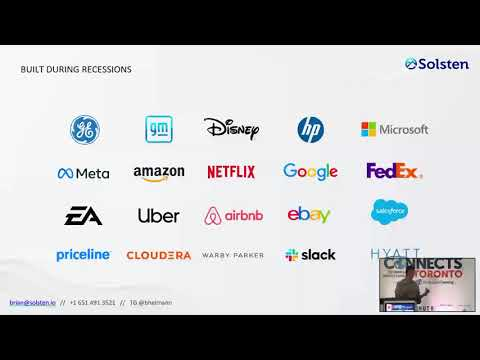
foreign ERS are going to get some errors in their back but it's going to be the resilient Pioneers over to tell the story and so this is a list of companies that were built during recessions Anything is Possible and we certainly often admit that the first chapter of web 3 has been a little bit Rocky you don't have to be a gaming industry veteran a western Enthusiast a financial analyst a gamer it's really understand that there is risk when combining Capital investments into unstable Financial ecosystems that are built on top of Unfinished technology as with any Emerging Market those lines between capitalism and progress have collided very very early to own is the next player to play own is the next revolution in gaming but there are certainly many challenges ahead you know we all understand their traditional gaming model this is very oversimplified inductionist in web 3 gaming is the Catalyst for a
larger experience like blockchain development only compounds the difficulties of traditional game development in addition to your game team it's uiu economists to help me develop my token model and my nft strategy my my development stack looks significantly different now as I consider you know Unchained marketplaces my wallet integration my interoperability and cross-train expansion you know live us need to consider how to maintain an ecosystem of players that purchase and earn and expect the same asset values for their investments into per game we all know the importance of the game for series but how many of us love the current of cryptocurrency it's going to take resilience by games to use web 3 service providers as well as players to really augment the on-ramp process for Mass adoption is going to take collaboration to reduce those friction and turn points for players and a web
tree needs great game studios making High Fidelity game experiences but overall success is going to be dependent on that player experience and that is where Sultan comes in so in the mid-2000s a cultural anthropology of human factors student named Joe Chevy was working in a neuropsychology line at the University of Wisconsin-Madison working on ideas on how to create digital environments that adapted to people in healthy ways this became a core part of who he was as his career progressed through Clinical Psychology adventure-based Psychotherapy U.S design and game design and so four years ago the ambassenberg encountered Solstice recognizing that as we approached this next chapter from the internet as the line between the physical and the virtual start to blend that we have an obligation to really start creating experiences that are truly human centered solson unlocks the power of human understanding by harmonizing behavioral and psychological data Lisa Welsh who is
the former VP of strategy at activating the classified our platform as the ultimate player empathy engine you know players humans are far more than demographic data and observable Behavior um we help Studios safely understand their entire player base on a biopsychosocial level which empowers them to hyper personalize experiences based upon who their players are not just what they do we help teams creating in any genre on any platform at any stage of the roadmap CCT came to us looking to ingest new life into Eve online game that's approaching two decades of Age and what we learned in working with them was that Their audience was motivated by um collaborative competition not just competition for the safe of competition and so we worked to create a new
gratuity with them that was really focused around teamwork and overcoming um obstacles as part of a larger group and the result was a double-digit increase in new player engagement and retention in 2020 we started working with mythical games on Blanco's block party which at the time was very much in pre-production their team had a wide variety of gaming experience but an MMO was Razer shooter elements and playable nfts had never been done before and so they understood the value that human-centered game design could have and we've been a core part of the entire journey of Blancos helping tackle core conversations early like what is the potential market for this game who are the players that sit inside of that and what are they interested in and so we we leveraged um our extensive database of player insights to help them Define their first audience and figure out what mechanics and what features
um that audience would really respond to as well and so after the game went live we helped them adjust their opportunity we support them today's through live Ops and you've added optimization foreign studios in the world enhancing games for millions of players worldwide Mass adoption of a game Mass adoption of an industry can really be boiled down to obtaining trust you know player trust is a key component for longevity and Community inside of the game the relationship between player and publisher can be mutualistic if you choose to understand them at a deeper level you know I'm painting the picture of a player you are using a very very limited color palette if you rely on post action metrics you know Dau is Art and Rolex IEP you know all of these are are great and insightful metrics but they're the same ones that we've been using for
years and games are only becoming more difficult to make and to Market but it doesn't have to be by moving beyond post action metrics and into the world of biopsychosocial data you will be able to dimensionalize your players to a level not possible until now research teams and strengthen their insights by understanding the core psychological makeup of their players you know assessing 400 different scientifically stable traits ux and design teams can create customized experiences because we understand what art styles and themes and mechanics really resonate with those audiences and marketing teams can confidently develop creative and amplification strategies because they understand their player communication preferences their platform preferences there have been a graphics there are values and their motivators and Studio headers can breathe just a little bit easier knowing that there is a single source of truth that all game
teams can align around and so in closing the game industry is running around 10 you know faster than any segment within entertainment and that is something that we can all be excited about web3 represents an open canvas on which the very definition of digital experience can evolve but what it's going to take is going to be resonating qualities main experiences you know the companies and the individuals that are willing to embrace and prioritize human centricity and roadmap their dreams can emerge as the leaders of gaming inside of web 3. and so any of you are interested in learning more about how psychological understanding can impact on current view or future game please recharge one of us after the session thanks for your time [Applause] right
so I have a question actually I was wondering like your the tools that you just presented wouldn't they be very suitable for what to game as well absolutely right yes and so that's the balls of our portfolio is Led two games and I think it's more just encouraging people as we think about players right at home in this space to really prioritize genocentricity because we've all seen how fragile these technosocial ecosystems are inside of web 3. pretty much you know so do you see that companies who didn't use your product through web 2 are then looping sort of more into web 3 as well because of the the more insights that they got through solstice we haven't seen that direct correlation quite yet I think for a lot of the studios I work at meeting with the large particular hesitant and then trying to see how web3 gameplay will play out um but I think overall just regardless of what space you're in person we can help yeah yeah it's still a bit of a wild west out there for sure any other questions
Summary
The gaming industry stands at a critical juncture as it integrates Web3 technologies, necessitating a shift from speculative financial models toward high-quality, human-centric game design. The primary thesis is that long-term success and mass adoption in the Web3 space depend on prioritizing the player experience over purely profit-driven mechanics. While Web3 offers revolutionary potential through asset ownership, interoperability, and community-first ideals, the industry must overcome significant hurdles, including low consumer trust in technology and the volatility of early-stage, unfinished ecosystems.
Data indicates that gaming remains the largest entertainment segment, with over three billion players globally. Younger demographics, specifically Millennials and Gen Z, represent the primary spending power and show a strong affinity for both gaming and cryptocurrency, with 80% of crypto-owning gamers expressing interest in using digital assets for in-game purchases. Despite this, the current Web3 landscape is characterized by a limited number of titles and a reliance on speculative retail traders rather than dedicated gamers. To achieve sustainable growth, studios must move beyond traditional post-action metrics—such as daily active users or revenue—and adopt a deeper, biopsychosocial understanding of their player base.
By leveraging psychological data and human-centric design, developers can create more resonant, personalized experiences that foster retention and community engagement. This approach, which involves analyzing hundreds of scientifically stable traits, allows studios to align their mechanics, art styles, and marketing strategies with the actual motivations and values of their players. Ultimately, the industry must treat Web3 as an evolution of digital entertainment rather than a financial experiment, focusing on creating authentic, connective worlds that provide utility and value to players in both bull and bear market conditions.