Key insights
5 slides
Narrative conflict
The Tomb Raider reboots undermine feminist empowerment claims through ritualized sacrifice.
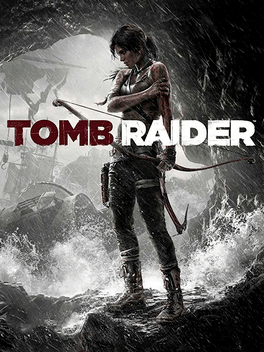
The 2013 and 2015 Tomb Raider reboots feature graphic, cinematic death animations. These animations function as a form of ritualized sacrifice.
1 / 5
- 01The 2013 and 2015 Tomb Raider reboots utilize graphic, cinematic death animations that function as a form of ritualized sacrifice, undermining the games' claims of feminist empowerment.See it on page 9
- 02Gameplay mechanics in these titles commodify female vulnerability, positioning the player as both an observer and perpetrator of eroticized, violent spectacle.See it on page 21
- 03Despite narrative attempts to modernize character arcs for figures like Sam and Hoshi, the structural reliance on female peril and self-harm remains a persistent feature of the player experience.See it on page 12
- 04The industry’s prioritization of these tropes to satisfy player demand limits the potential for nuanced storytelling and character agency.See it on page 19
- 05The eroticization of female suffering in mainstream gaming reinforces broader cultural issues, including the normalization of harassment.See it on page 19
- 06A fundamental shift in design philosophy is required to move away from the commodification of female sacrifice, necessitating greater accountability from both developers and players.See it on page 19
Ask AI about this report
Summary
The Tomb Raider reboot series, specifically the 2013 and 2015 installments, functions as a complex case study in the tension between narrative subversion and the perpetuation of regressive gender tropes. While these titles ostensibly position Lara Croft as a heroic, empowered protagonist, they remain deeply entrenched in the traditional "damsel in distress" and sacrificial female archetypes. By applying Georges Bataille’s theories on ritual sacrifice, it becomes clear that the games commodify female endangerment, transforming Lara’s vulnerability and death into a spectacle of eroticized, violent pleasure for the player.
The graphic, cinematic death animations featured throughout the series serve as a modern iteration of the sacrificial spectacle, effectively undermining the games' claims to feminist progress. The player is positioned in a dual role as both an observer and a perpetrator of this violence, creating a problematic intersection of horror and scopophilic gratification. Even when the narrative attempts to innovate through the arcs of supporting characters like Sam and Hoshi, the reliance on female peril and self-harm remains a persistent, structural feature of the gameplay experience.
Ultimately, the mainstream gaming industry continues to prioritize these tropes to cater to player desire, often at the expense of meaningful character agency. This reliance on the eroticization of female suffering not only limits the potential for nuanced storytelling but also reinforces broader cultural issues, including harassment. A critical shift in design philosophy is necessary to move beyond these harmful patterns, requiring both the industry to abandon the commodification of female sacrifice and players to acknowledge their own culpability in sustaining these enduring, problematic narratives.