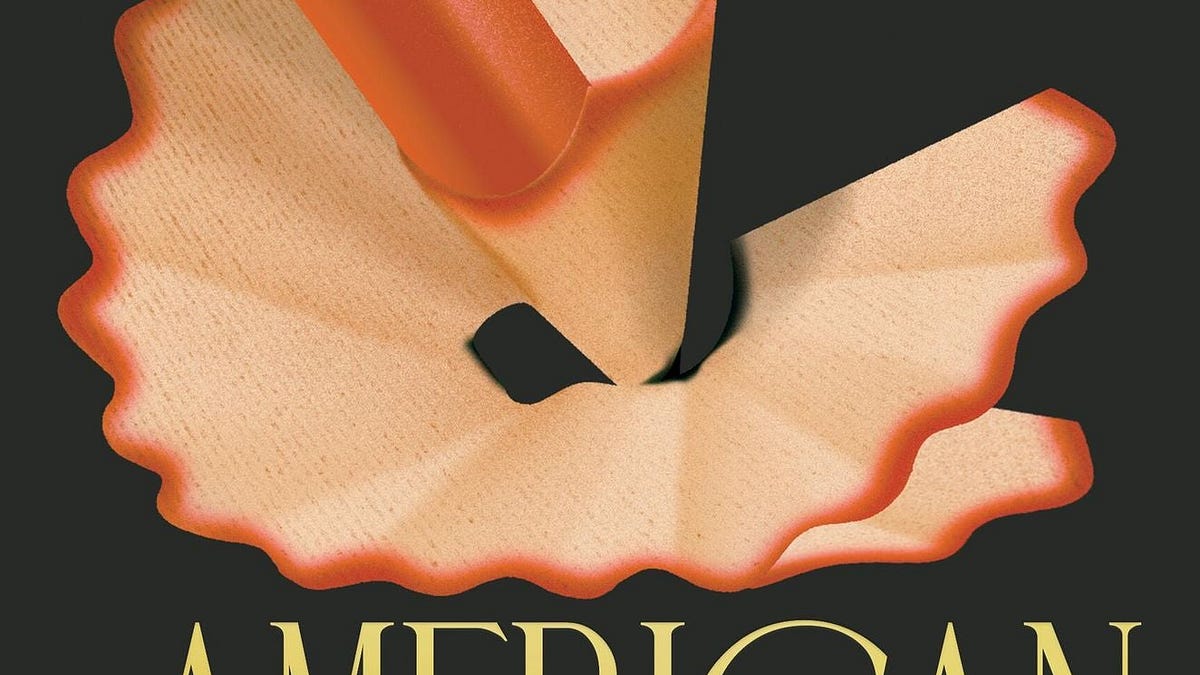
This analysis examines the cultural and personal impact of Min Jin Lee’s 2026 novel, American Hagwon, through the lens of a reviewer who experienced the high-pressure academic environment described in the text. The novel explores the intense, hyper-competitive culture surrounding private tutoring centers—or hagwons—in Korea and California, where families go to extreme lengths to secure elite educational outcomes for their children. The core thesis posits that while the book effectively captures the high-stakes "rat race" of academic achievement, it struggles to balance its critique of this system with a narrative style that some readers may find overly didactic or stilted.
The narrative follows multiple families navigating the pressures of specialized admissions, highlighting the emotional and physical toll of such environments. The reviewer notes that the book’s tone is complex, simultaneously celebrating the triumphs of students who succeed while pitying those who fail. However, the analysis identifies significant stylistic shortcomings, specifically noting that the prose lacks the lyrical quality found in the author’s previous works, such as Pachinko. The reviewer also critiques the characterization of certain antagonists as cartoonish and predictable, which diminishes the overall impact of the story.
Ultimately, the analysis suggests that the novel’s reception is heavily influenced by the reader’s own history with academic pressure. By reflecting on personal experiences at Bronx Science and the subsequent emotional burnout, the reviewer highlights how the book serves as a mirror for the anxieties of high-achieving students. While the novel provides a sharp, albeit polarizing, look at the pursuit of prestige, its prophetic and journalistic cadence may alienate readers seeking a more traditional, escapist narrative experience.
Shannon Liao · 2026

Shannon Liao · 2026
Shannon Liao · 2026
Shannon Liao · 2026
Shannon Liao · 2026
Shannon Liao · 2026
Shannon Liao · 2026
Shannon Liao · 2026
Shannon Liao · 2026

Shannon Liao · 2025
Shannon Liao · 2025
Shannon Liao · 2025
Game Developers Conference · 2025
8Bit · 2026
Values Value · 2026
PitchBook · 2026
FLEGA – Flemish Games Association · 2026
British Esports · 2025

Ukie · 2025
Ukie · 2025
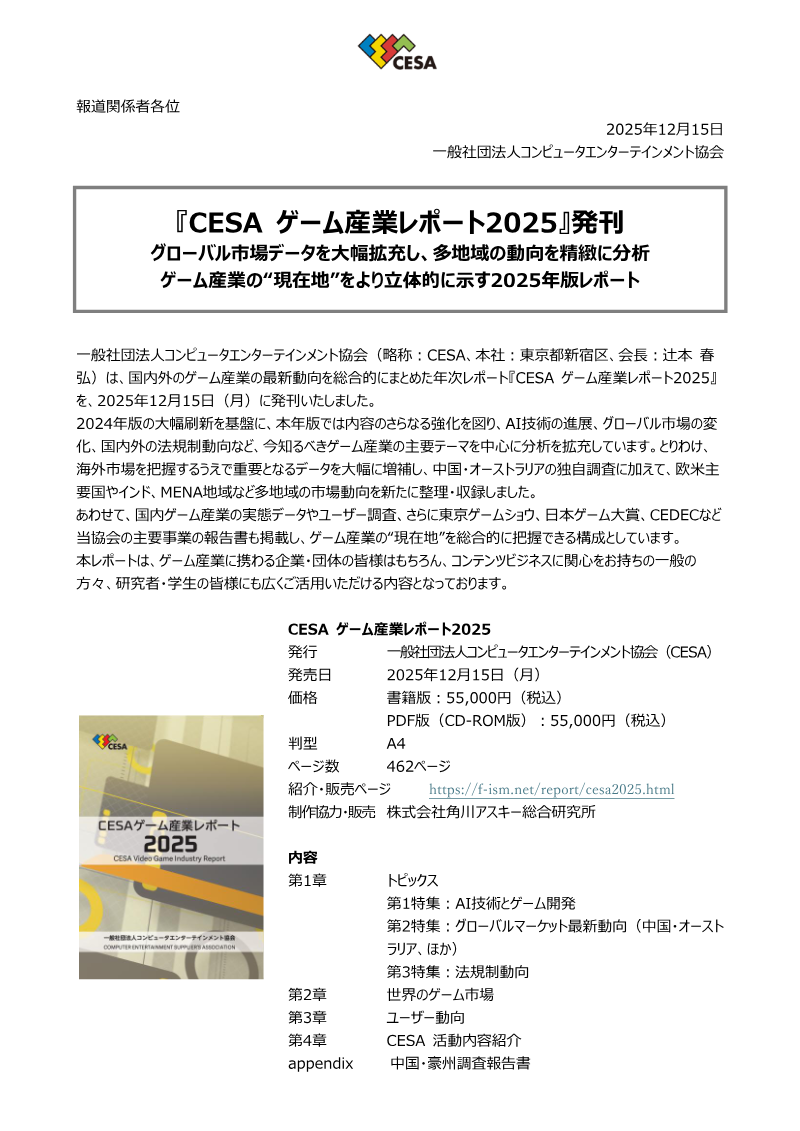
CESA – Computer Entertainment Supplier's Association · 2025
Flemish Games Association · 2025
Vorhaus Advisors · 2025
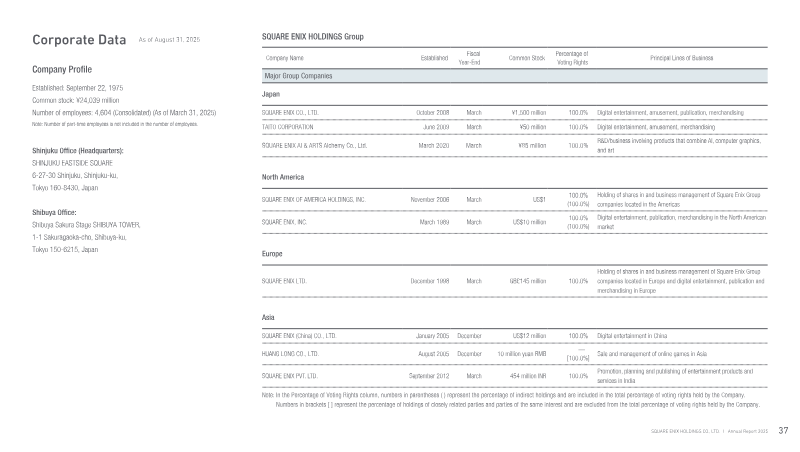
Square Enix · 2025