ArticleShannon Liao
Developers Debunk A.I. Hype: Interviews with Star Wars and Lego Creators
12 Mar 20261 pages~2 min full read
The prevailing narrative that artificial intelligence has reached the proficiency of a senior software engineer is largely viewed as industry hyperbole by active game developers and software professionals. While external policy advocates and technology observers have suggested that generative tools are capable of replacing high-level engineering expertise, those working directly within the gaming and broader tech sectors report a different reality. Rather than streamlining workflows or reducing labor, the integration of these tools has frequently resulted in increased workloads and heightened complexity for existing staff.
The scope of this analysis encompasses the current state of the gaming and software development industries as of March 2026. The findings are derived from qualitative feedback provided by engineers and developers in response to public claims regarding the efficacy of AI in professional coding environments. These insights highlight a significant disconnect between the optimistic projections of AI proponents and the practical, often labor-intensive experiences of those tasked with implementing these technologies in real-world production pipelines.
Ultimately, the evidence suggests that the promise of AI-driven automation in software development is currently overstated. Instead of serving as a replacement for senior-level human judgment, AI tools are creating new operational burdens. The consensus among practitioners indicates that the industry remains reliant on human expertise, as the current generation of AI tools fails to meet the sophisticated requirements of professional game development, often necessitating more, rather than less, human intervention to manage and correct the output.
Shannon Liao · 2026

Shannon Liao · 2026
Shannon Liao · 2026

Shannon Liao · 2026
Shannon Liao · 2026
Shannon Liao · 2026
Shannon Liao · 2026

Shannon Liao · 2026

Shannon Liao · 2025

Shannon Liao · 2025

Shannon Liao · 2025
Shannon Liao · 2025
BITKRAFT Ventures · 2026
modl.ai · 2025
Google Cloud · 2025
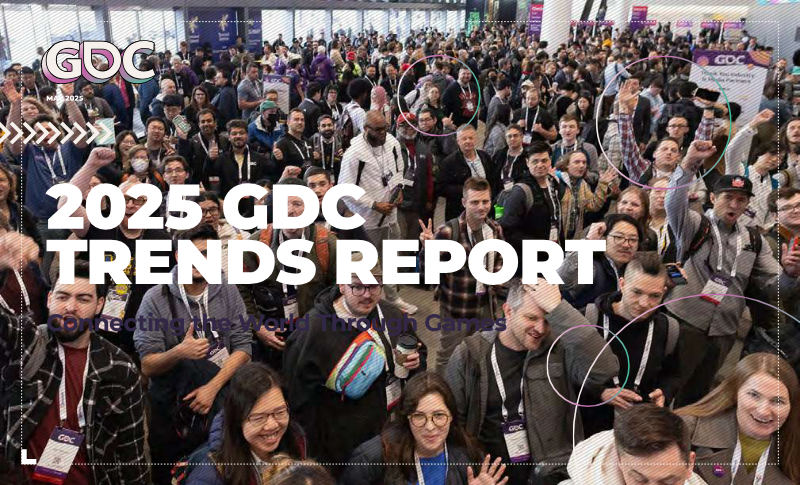
Game Developers Conference · 2025
Informa · 2024
Drake Star Partners · 2024

Perforce · 2024
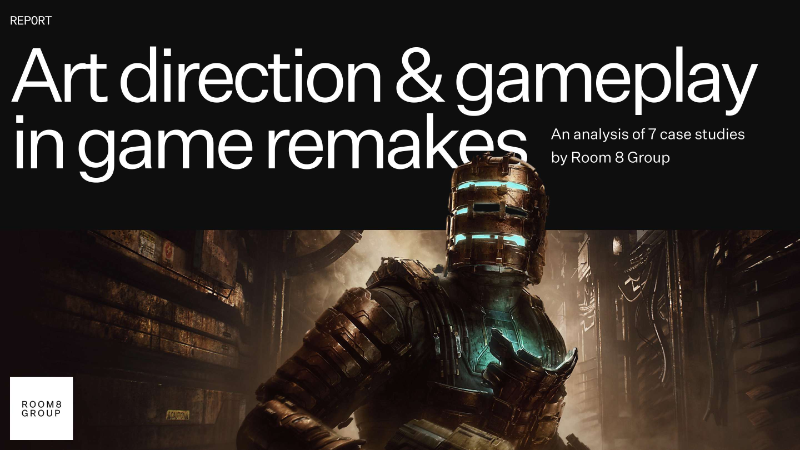
Room 8 Group · 2024
Inworld AI · 2023
University of Bristol
InvestGame
GameAnalytics