
The Coachella Valley Music and Arts Festival, held in Palm Springs, California, serves as a significant case study for the enduring relevance of live, human-centric entertainment in an increasingly automated era. The event, which has operated since 1999, functions as a master class in marketing and a vital cultural touchpoint. Recent observations highlight a generational transition within the industry, exemplified by the collaborative performances of established icons like Madonna alongside contemporary pop figures such as Sabrina Carpenter.
The experience of attending such large-scale festivals involves navigating logistical challenges, including extreme heat, high costs, and physical exhaustion. Success at these events relies on strategic planning, such as managing hydration, utilizing protective gear, and maintaining realistic expectations regarding artist schedules. Beyond the logistical hurdles, the festival environment fosters spontaneous discovery, as evidenced by the unexpected appeal of performances by artists like Taemin. These moments of genuine engagement underscore the continued value of live, human-crafted artistry over digital or automated alternatives.
While the festival landscape is often viewed as indulgent, it maintains a distinct cultural legitimacy compared to other industry gatherings. The event demonstrates that the universal appeal of music remains a powerful draw, even as the broader professional landscape grapples with the integration of artificial intelligence. Ultimately, the festival serves as a testament to the necessity of human expertise and the irreplaceable nature of shared, live experiences, reinforcing the consensus that while technology can assist in pragmatic tasks, it cannot replicate the soul and grit of human performance.
Shannon Liao · 2026

Shannon Liao · 2026
Shannon Liao · 2026
Shannon Liao · 2026
Shannon Liao · 2026

Shannon Liao · 2026
Shannon Liao · 2026

Shannon Liao · 2026

Shannon Liao · 2025

Shannon Liao · 2025

Shannon Liao · 2025
Shannon Liao · 2025
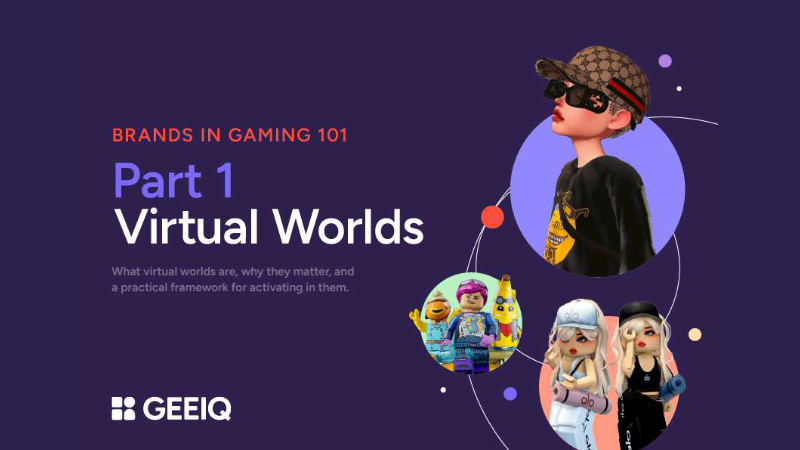
GEEIQ · 2026
Almedia · 2026
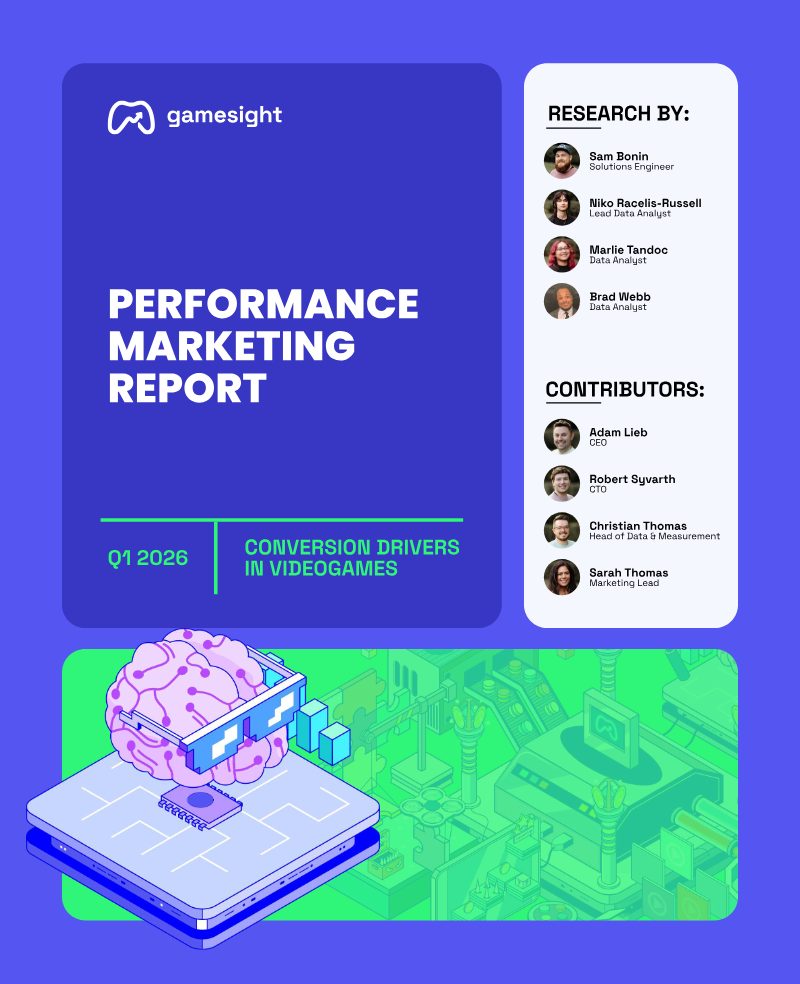
Gamesight · 2026
InvestGame · 2026

SocialPeta · 2026
SocialPeta · 2026
Anzu · 2026
SocialPeta · 2026
Raptive · 2026
InvestGame · 2026
InvestGame · 2026

Moloco · 2026