1 free read left. Create a free account for unlimited reading + AI research.
Create free accountWhitepaper Journal of Games Criticism
1 free read left. Create a free account for unlimited reading + AI research.
Create free accountWhitepaperJournal of Games Criticism
Distilling the key insights…
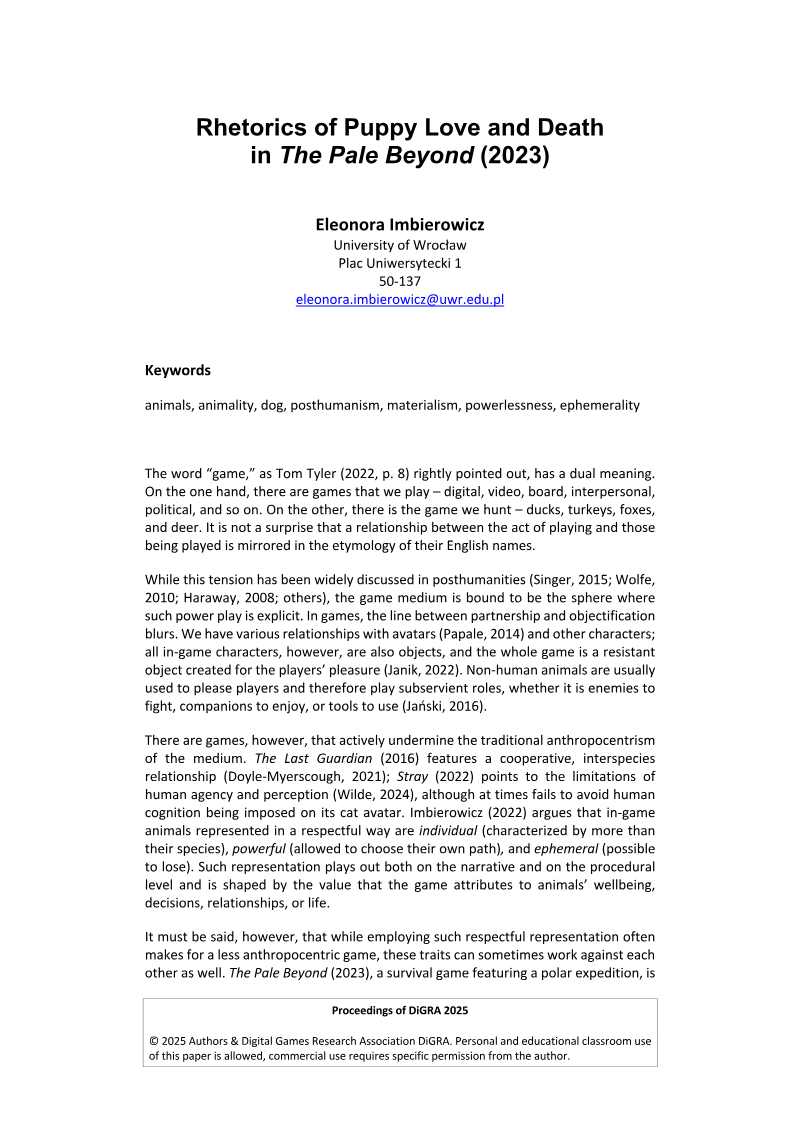
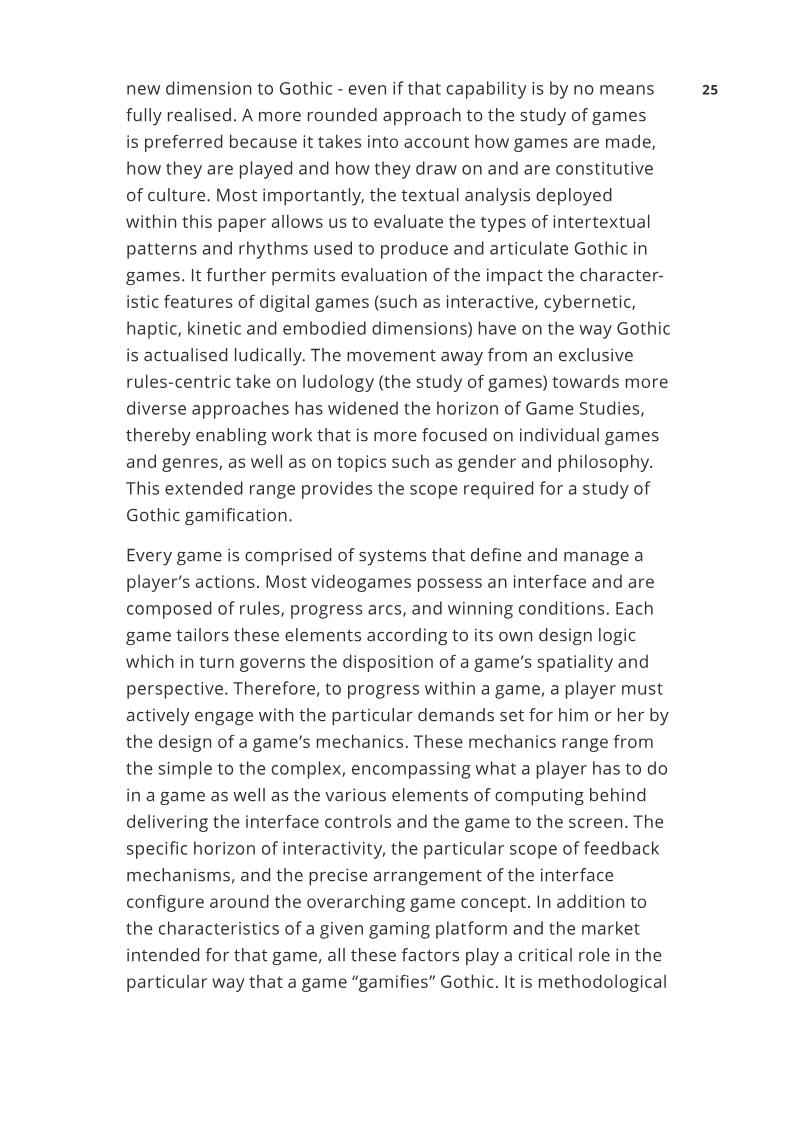
Academic game studies currently suffers from a restrictive purity complex that prioritizes formal, rule-based systems at the expense of the medium’s inherent complexity. By attempting to isolate mechanics from audiovisual representation, traditional formalist approaches have inadvertently fostered exclusionary, masculinist ideologies that fail to capture the reality of play. A more robust critical framework must abandon these rigid, top-down taxonomies in favor of a bottom-up, phenomenological perspective that treats video games as hybrid, messy assemblages rather than isolated digital artifacts.
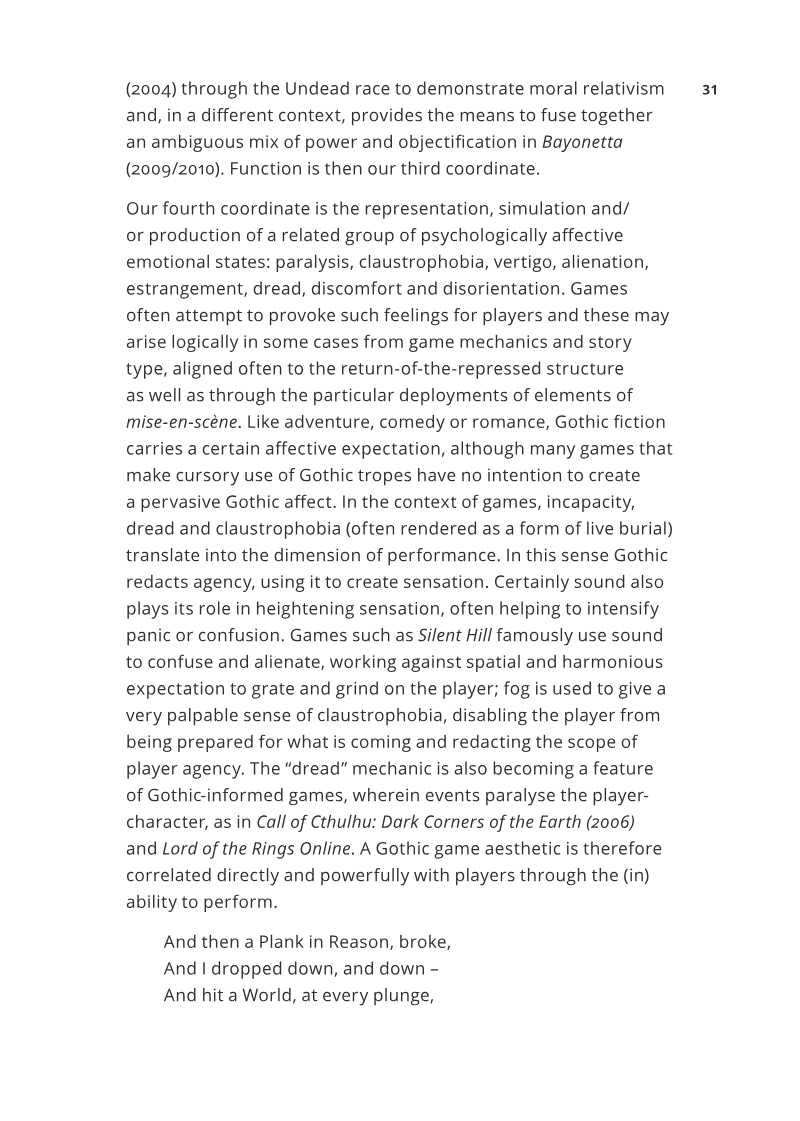
The core of this proposed methodology lies in recognizing the video game as an ergodic, cybernetic circuit. In this model, the player, the physical hardware, and the virtual content function as an inseparable, cyborgian entity. This perspective rejects the immersion fallacy—the false notion that virtual content exists independently of its material and formal properties—and instead emphasizes the embodied experience of the player. By bridging the gap between the physical and the virtual, critics can better articulate how players inhabit and interact with these digital spaces.
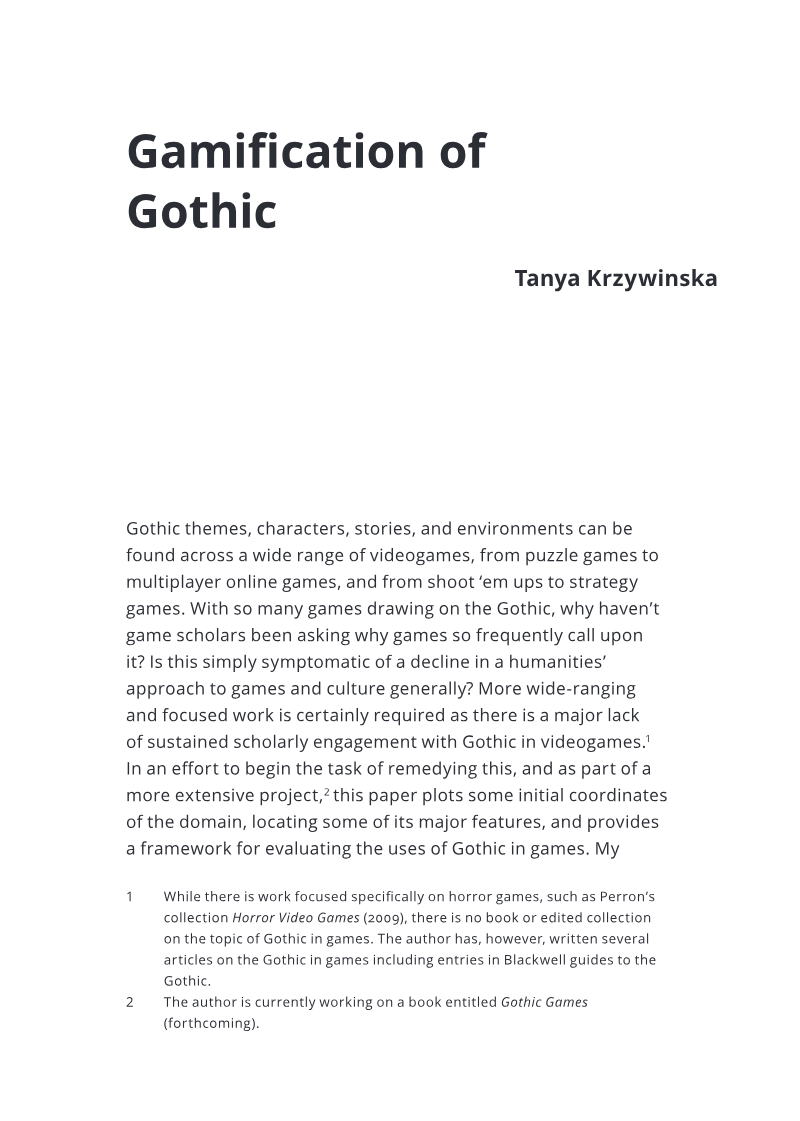
Ultimately, the field must evolve to embrace a descriptive, inclusive approach that evaluates games on their own merits rather than forcing them into narrow definitions. This shift requires academic criticism to engage more deeply with the rich, emerging discourses found within online gaming communities. By synthesizing academic theory with the lived, diverse experiences of players, the industry can develop a more accurate critical vocabulary that reflects the unique, multifaceted nature of video games as a cultural form.
Journal of Games Criticism · 2026
Journal of Games Criticism · 2026
Journal of Games Criticism · 2025
Journal of Games Criticism · 2025
Journal of Games Criticism · 2025
Journal of Games Criticism · 2025
Journal of Games Criticism · 2024
Journal of Games Criticism · 2024
Journal of Games Criticism · 2024
Journal of Games Criticism · 2024
Journal of Games Criticism · 2024
Journal of Games Criticism · 2024
DiGRA · 2025