1 free read left. Create a free account for unlimited reading + AI research.
Create free accountArticle gamevironments
1 free read left. Create a free account for unlimited reading + AI research.
Create free accountArticlegamevironments
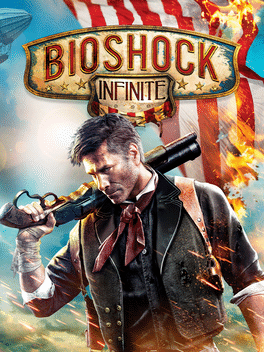
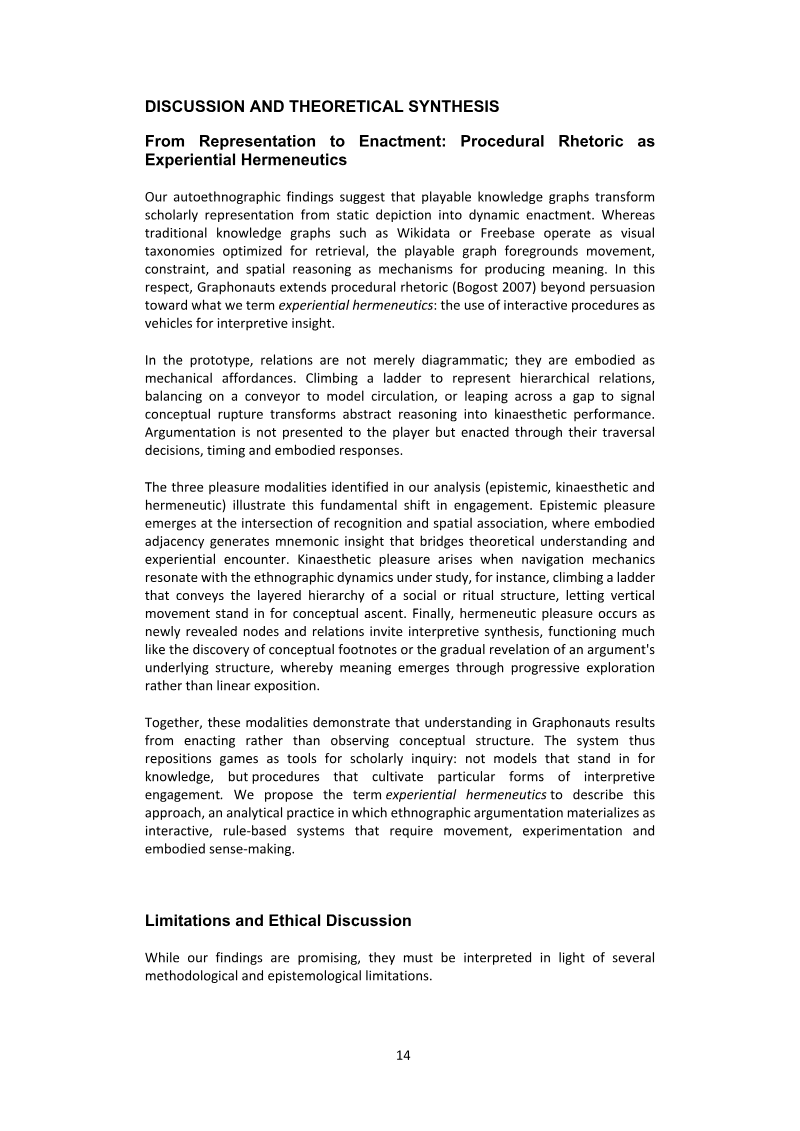
The analysis examines the four baptism scenes in BioShock Infinite and situates them within a critique of American religious exceptionalism.
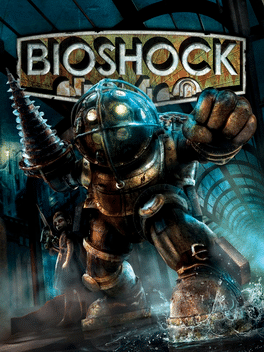
Frank Bosman's analysis examines the four baptism scenes in BioShock Infinite as a lens for understanding the game's treatment of redemption, sin, and death, situating these scenes within a broader critique of American religious exceptionalism. The article draws on a close reading of the game's multiverse-based narrative, which opens with the 1890 Wounded Knee massacre, combined with a cultural theological method. Its central claim is that the game fuses American nationalism with Protestant Christianity through Columbia's imagery of a "shining city upon a hill," its sainted Founders, and its prophet figure, Comstock.
Bosman's reading centers on the theology of baptism as ritual death and rebirth. He argues that three of the four baptism scenes involve drowning or near-drowning tied to death, and that these moments reflect the game's preoccupation with sin and redemption while often failing to deliver genuine cleansing. In his interpretation, the first baptism's liturgy, structured in a manner resembling the Jewish Dayenu prayer, reinforces these themes. The game's controversy, including a 2013 refund request over an unskippable baptism scene, serves as a touchstone for the tension between religious readings of the work and the critical distance it maintains.
The analysis concludes that BioShock Infinite treats redemption as possible but costly. Protagonist Booker DeWitt attains true redemption only through willing submission and the sacrifice of his life, while the refusal of baptism produces two miserable alternate timelines. Bosman reads the game as ultimately critiquing religiously inspired American exceptionalism, portraying ritual cleansing as an empty gesture against ongoing violence. While he rejects the characterization of the game as blasphemous, he presents it as evidence of video games' capacity to engage critically with religious ideas, a conclusion grounded entirely in interpretive analysis of the narrative rather than quantitative data.
Each row is a game or company this document names, each column a document, oldest first. A mark means that document names it. Select a row to see those documents.
gamevironments · 2026
gamevironments · 2026
gamevironments · 2026
gamevironments · 2026
gamevironments · 2026

gamevironments · 2025

gamevironments · 2025

gamevironments · 2025

gamevironments · 2025

gamevironments · 2025

gamevironments · 2025
gamevironments · 2025
DiGRA · 2026