1 free read left. Create a free account for unlimited reading + AI research.
Create free accountWhitepaper DiGRA
1 free read left. Create a free account for unlimited reading + AI research.
Create free accountWhitepaperDiGRA
The authors point to Agatha Christie adaptations, Richard Osman's Thursday Murder Club and long-running television series as evidence of this appeal.
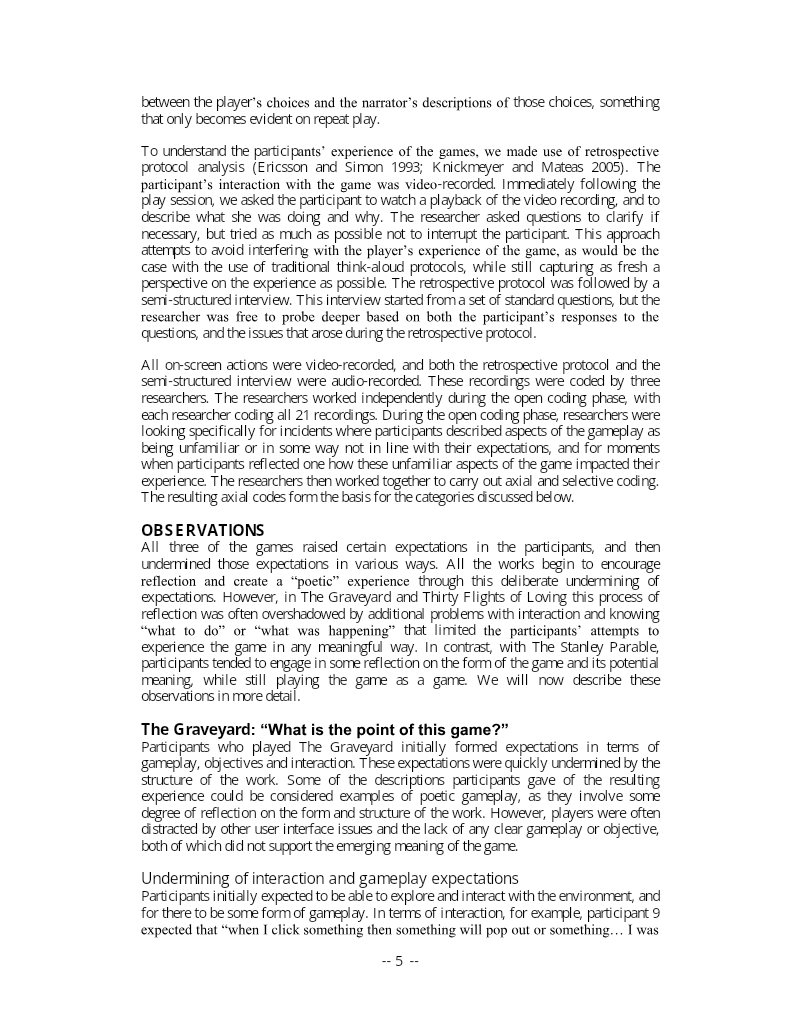
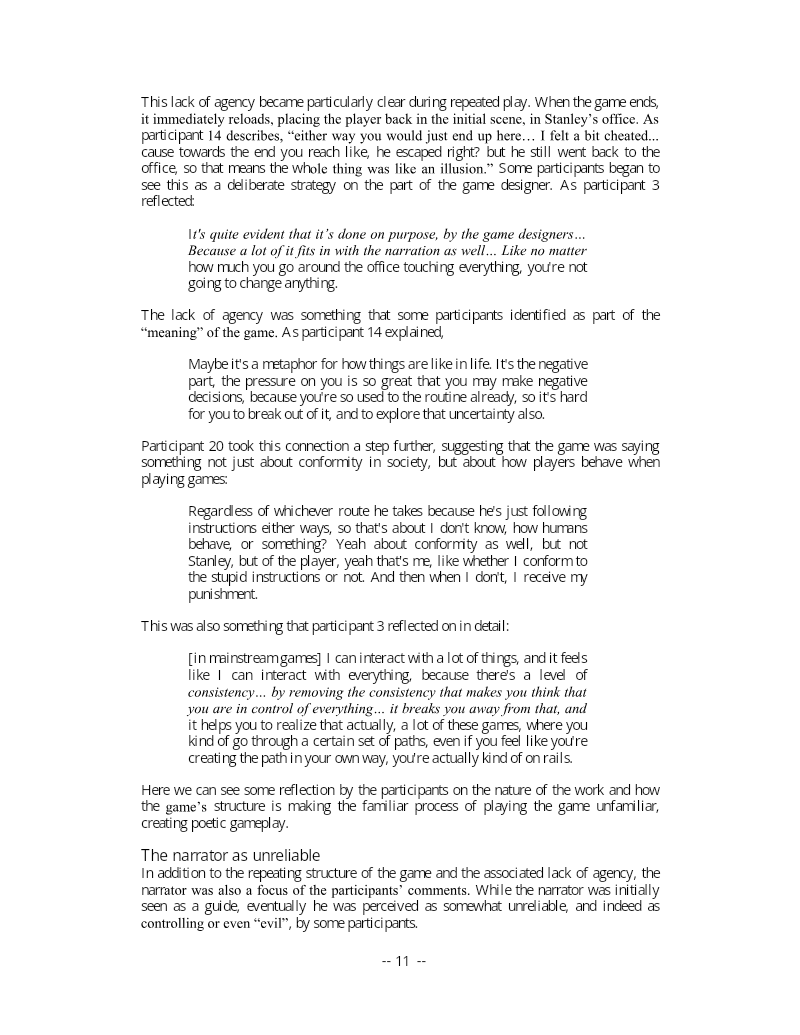
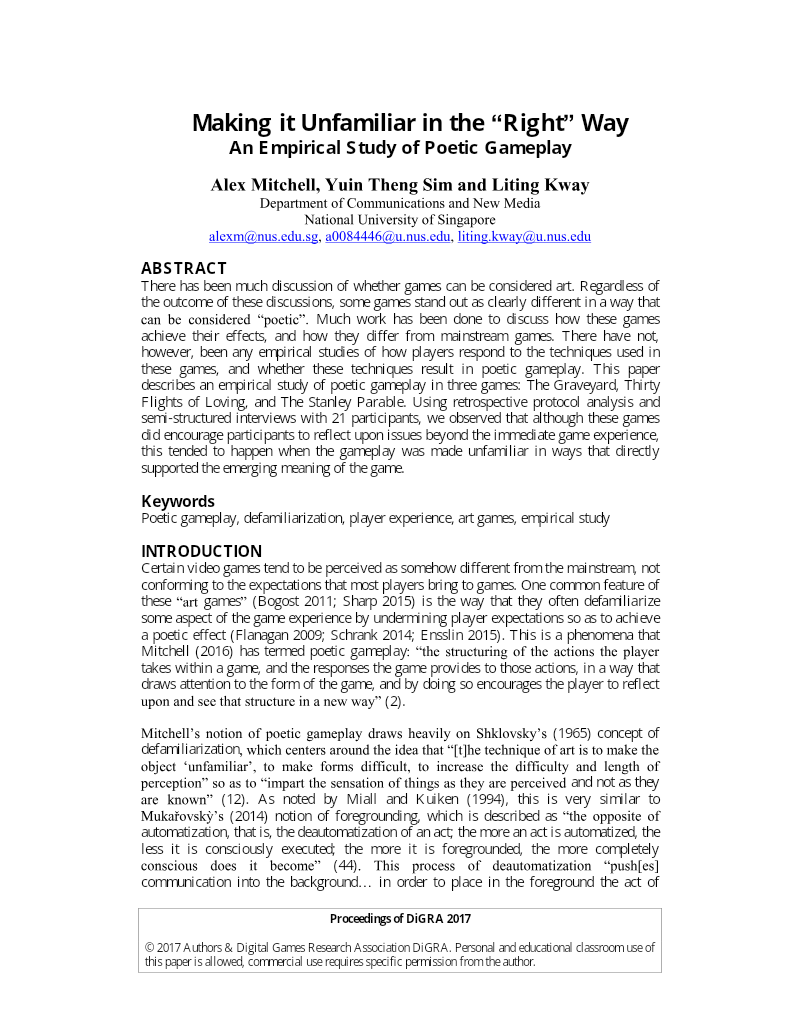
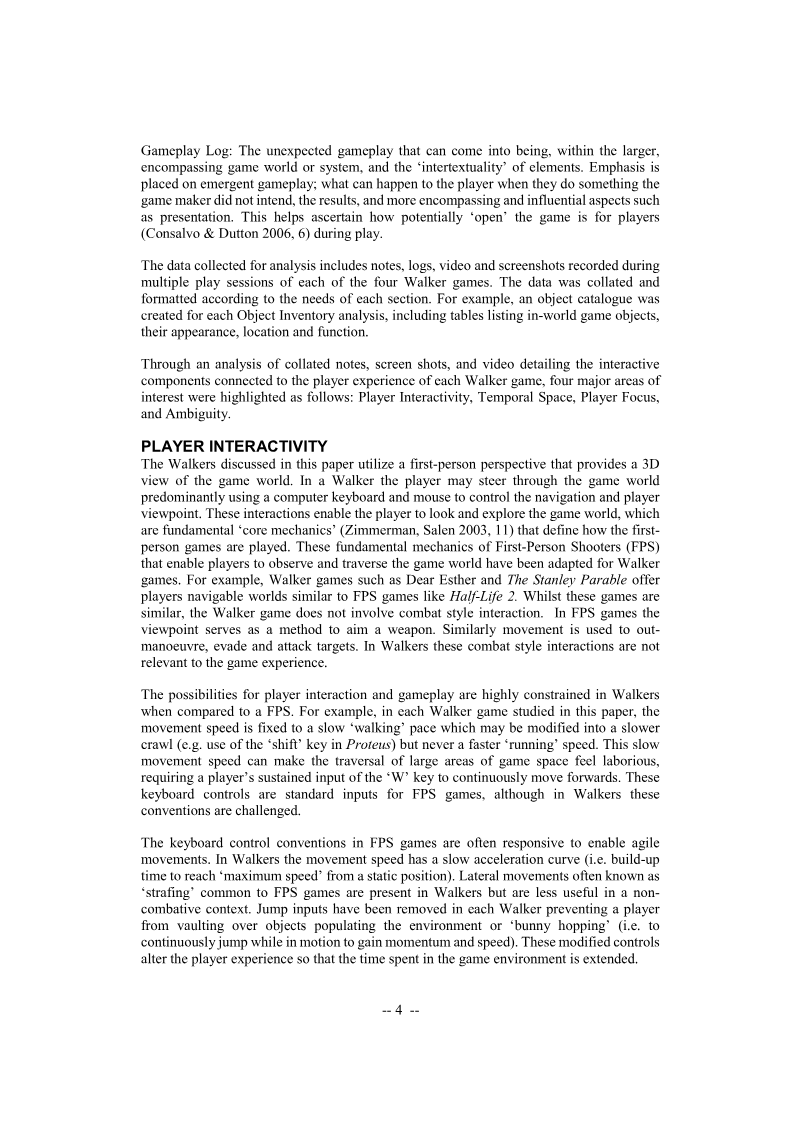
This DiGRA 2026 extended abstract by Dean Bowman and James McLean examines the contradictory pleasures of cosy detective videogames, asking how the comforting, low-stakes qualities of "cosy" design sit alongside the premeditated murder at the heart of the detective genre. The authors frame their inquiry around a perceived renaissance of detective fiction in popular culture, pointing to Agatha Christie adaptations, Richard Osman's Thursday Murder Club, and long-running television series as evidence of a particular appeal in "cosy crime." Their central argument is that cosy crime games are doubly complex, combining the relaxation associated with cosy gaming and the reassurance of traditional crime narratives, and that these tensions merit scholarly attention.
The paper grounds its analysis in a historical account of cosy crime as a reaction to hardboiled fiction and police procedurals, drawing on golden age conventions such as puzzle-based plots, country house settings, humour, and moral resolution. It also relies on the Project Horseshoe report, which defines cosy games through safety, abundance, and softness, while acknowledging that cosy gaming remains difficult to define and is often described as a feeling or vibe rather than a fixed genre. The authors identify Microïds' Poirot adaptations and Square Enix's FMV title The Centennial Case: A Shijima Story as their core case studies, contrasting them with the more open and intellectually demanding The Curse of the Golden Idol.
Methodologically, the authors combine formalist and pragmatic approaches, drawing on Rick Altman's pragmatic genre analysis to argue that whether a game counts as cosy crime depends as much on what players bring to and need from it as on its formal construction. The paper is an extended abstract, so it does not report empirical data such as survey results or sample sizes; its evidence base is primarily theoretical and textual, supported by a substantial body of existing scholarship on detective fiction and cosy gaming.
Each row is a game or company this document names, each column a document, oldest first. A mark means that document names it. Select a row to see those documents.

DiGRA · 2026

DiGRA · 2026



DiGRA · 2026
DiGRA · 2025