More on Serious Games
View all
Whitepaper
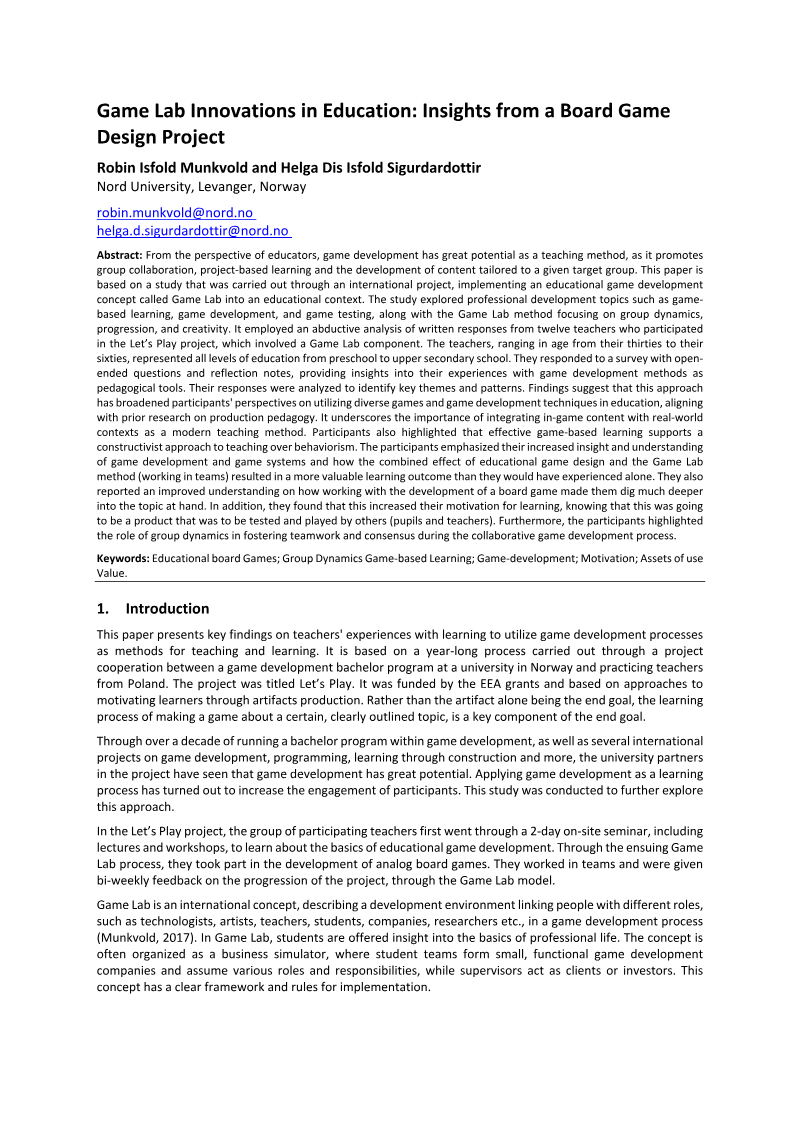
Game Lab Innovations in Education: Insights from a Board Game Design Project
European Conference on Games Based Learning (ECGBL) · 2024
Game Developers Conference
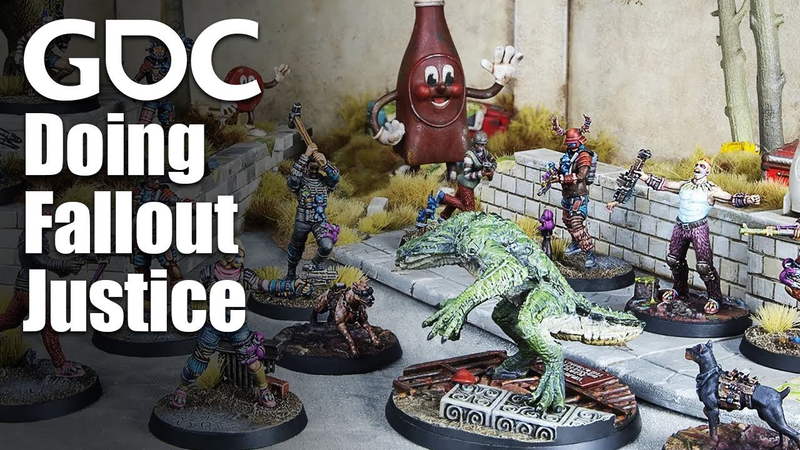
Making 'Fallout' for Tabletop (or How to Be Different but the Same)
Game Developers Conference · 2024
Whitepaper
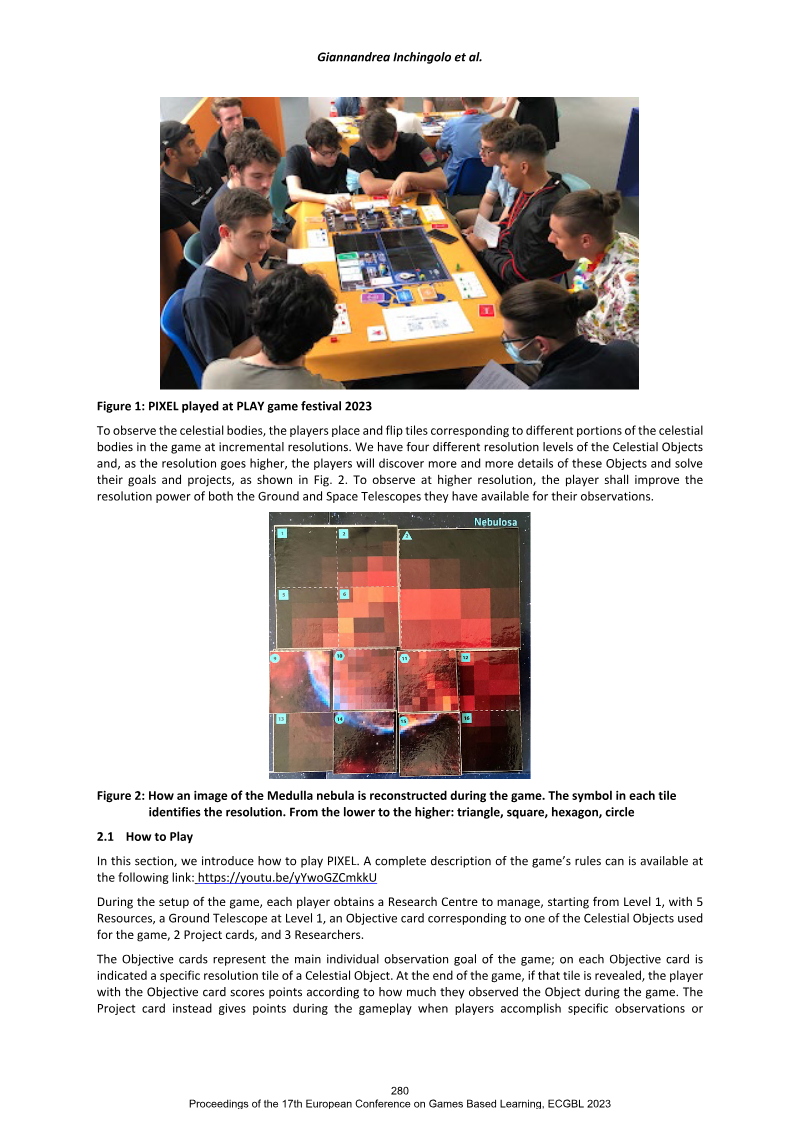
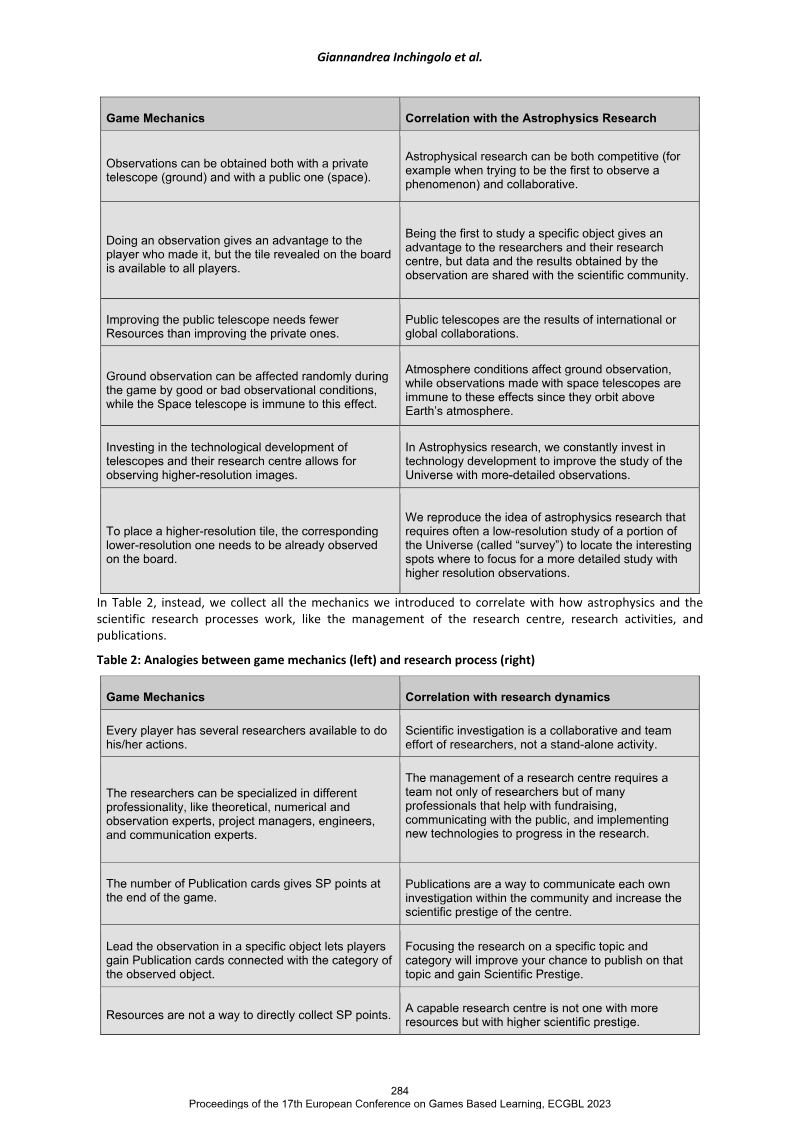
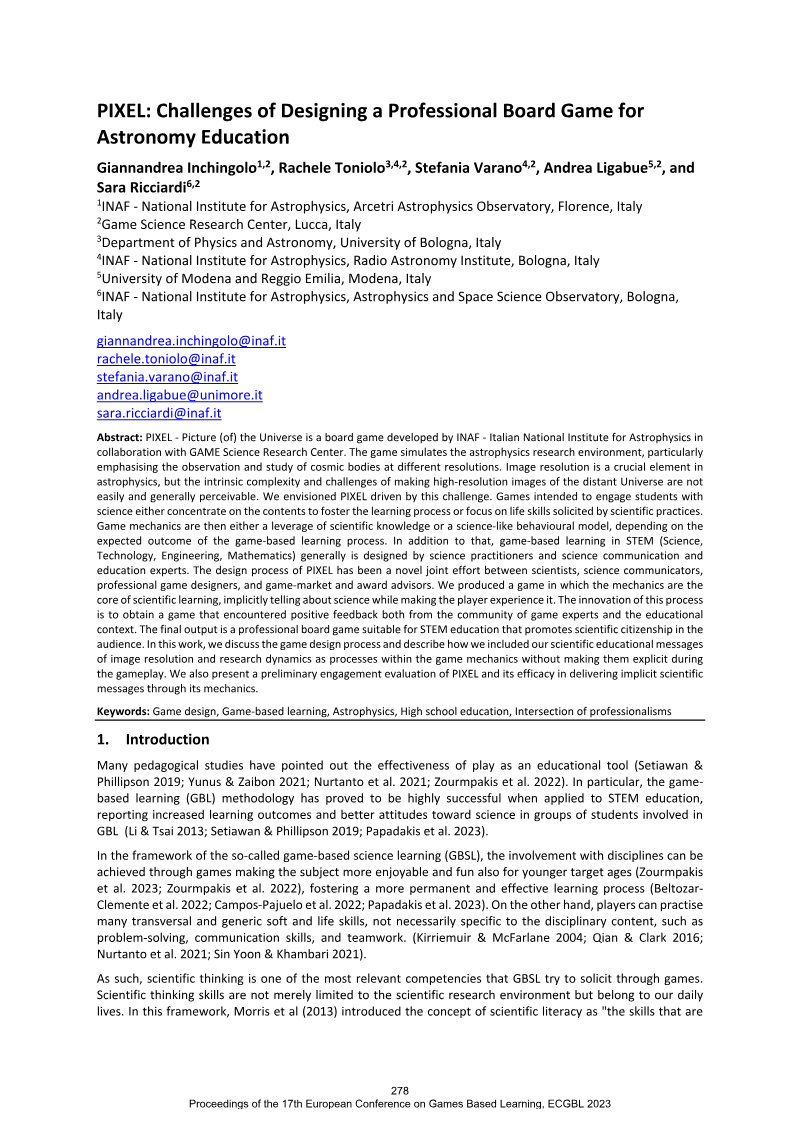
PIXEL: Challenges of Designing a Professional Board Game for Astronomy Education
European Conference on Games Based Learning (ECGBL) · 2023
Game Developers Conference
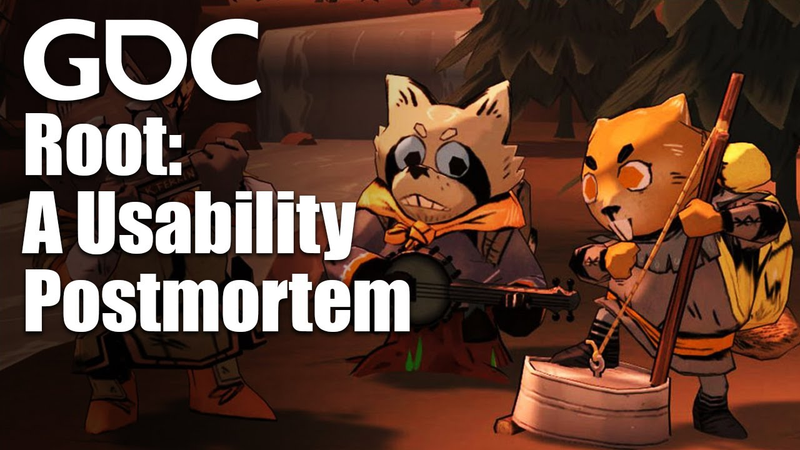
'Root': A Usability Postmortem
Game Developers Conference · 2022
Whitepaper
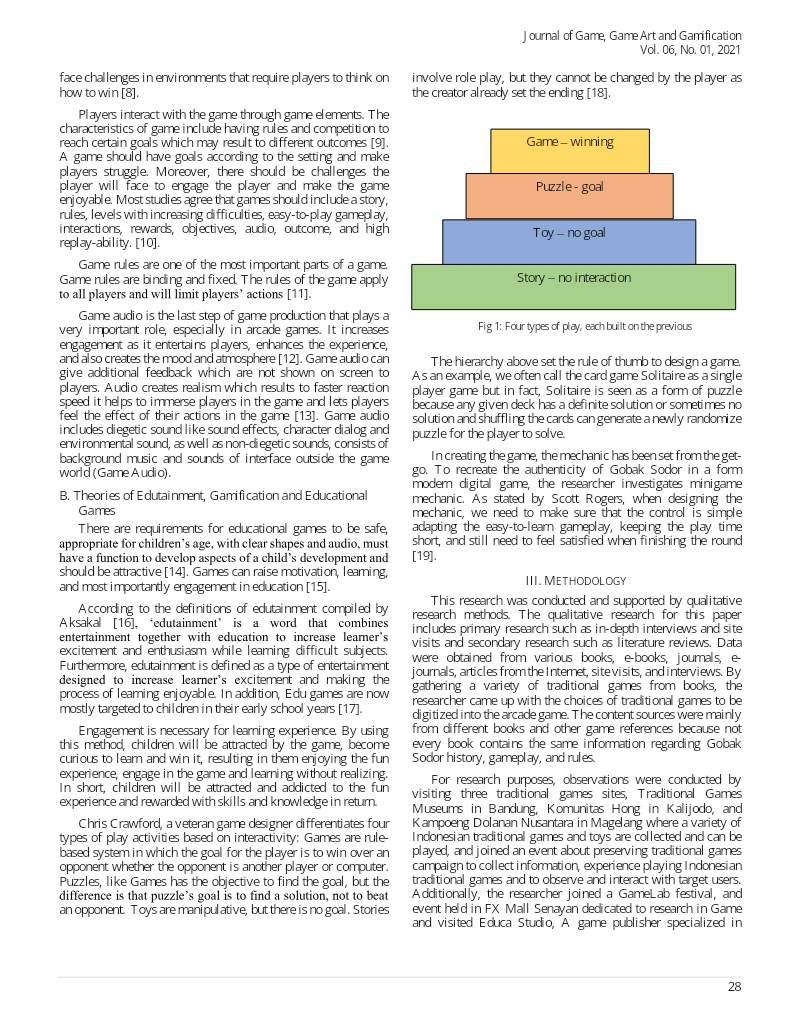
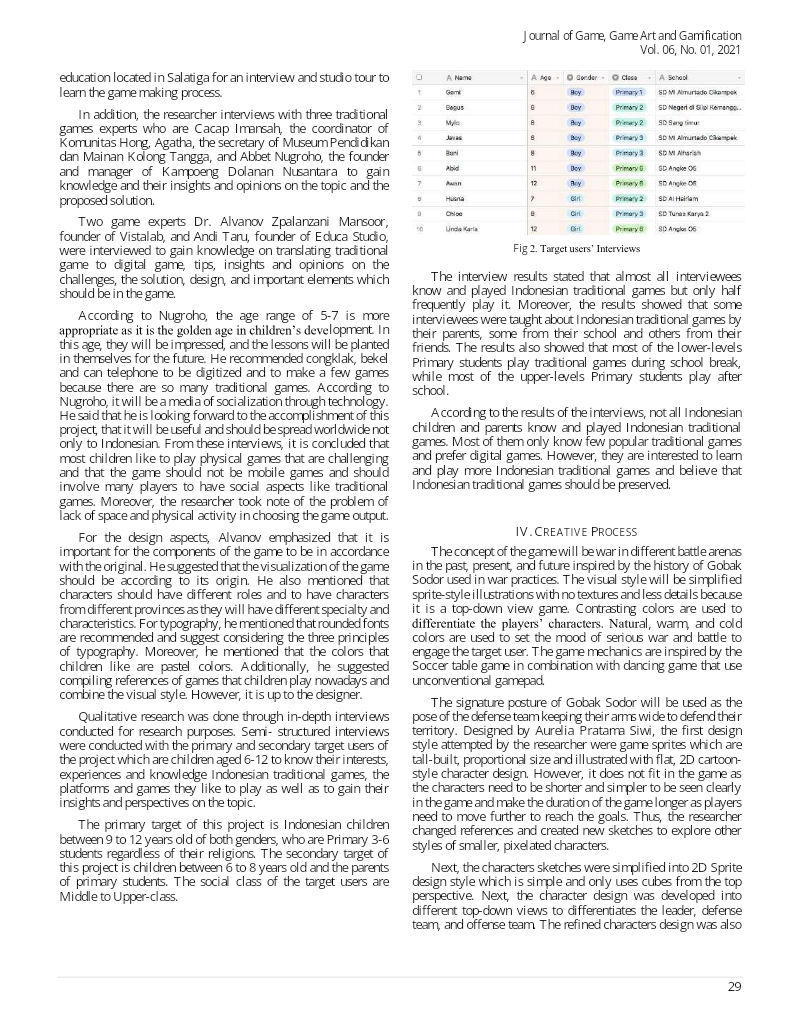
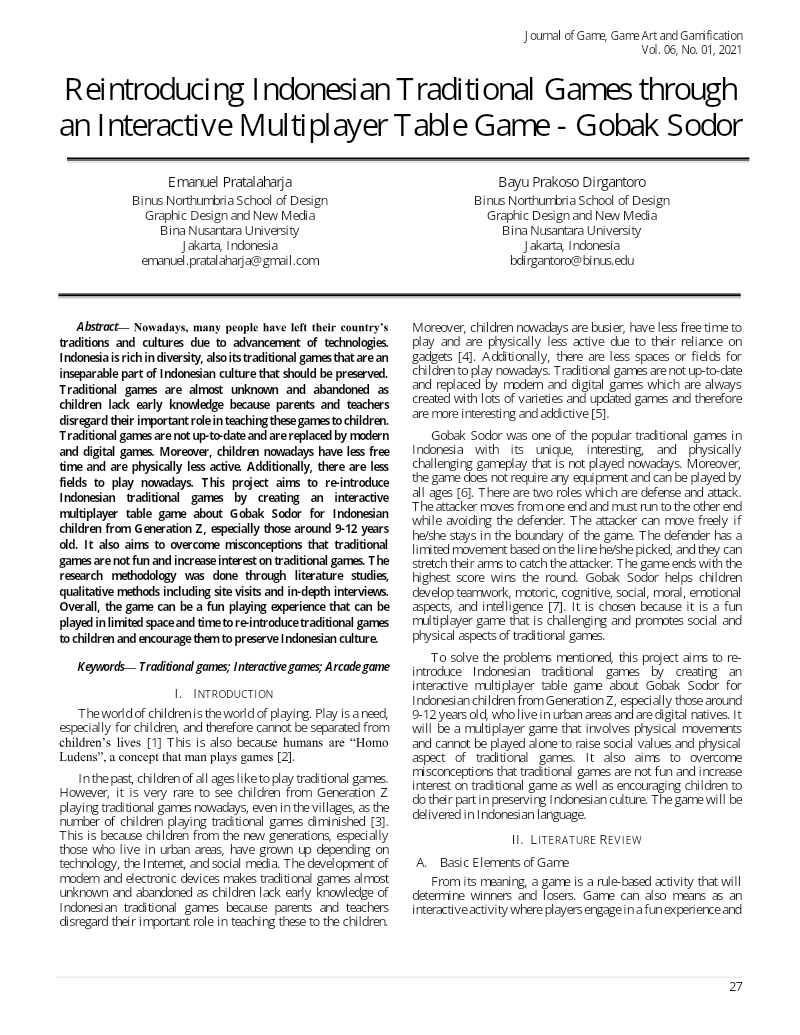
Reintroducing Indonesian Traditional Games through an Interactive Multiplayer Table Game: Gobak Sodor
Journal of Games, Game Art, and Gamification · 2021
Game Developers Conference
The State and Future of Board Games
Game Developers Conference · 2021
Whitepaper
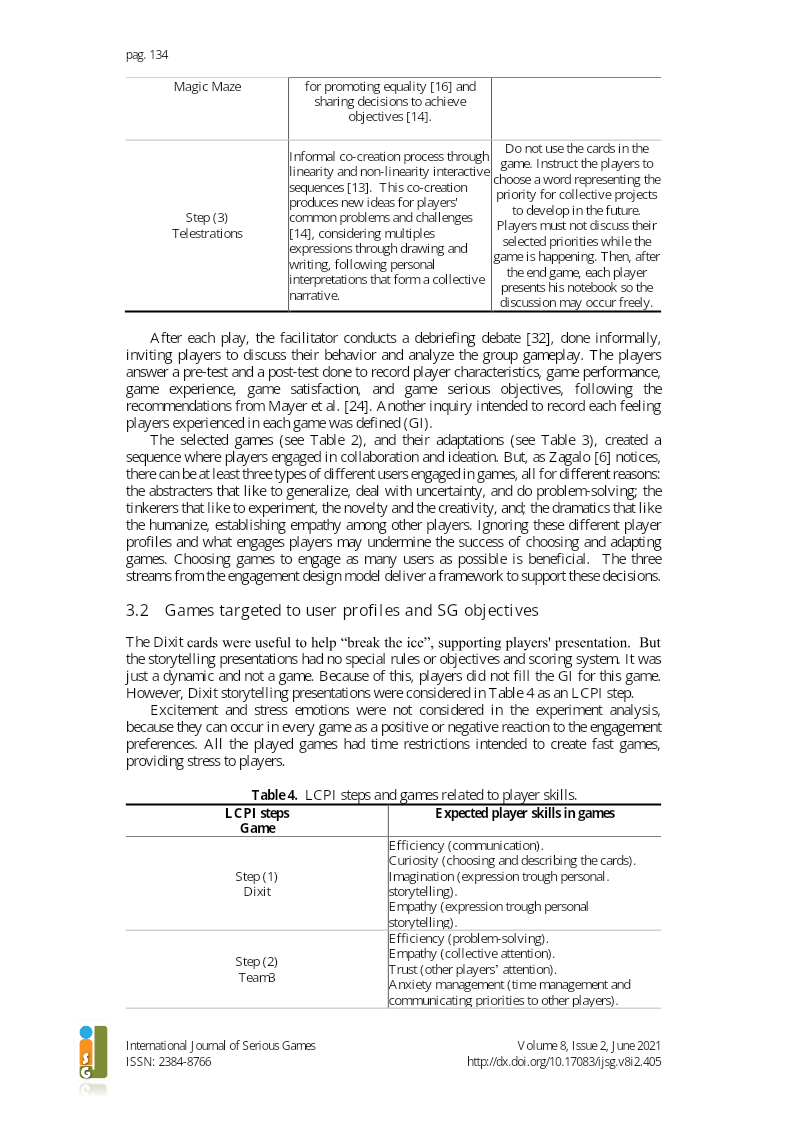
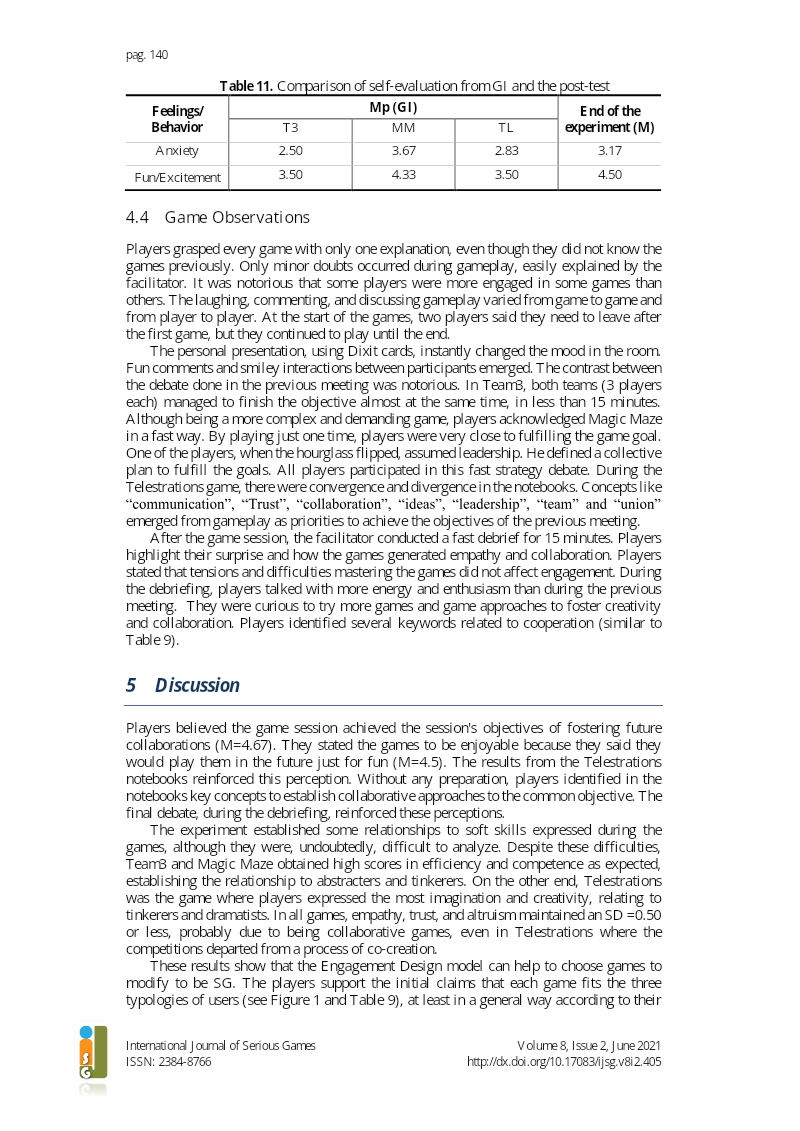
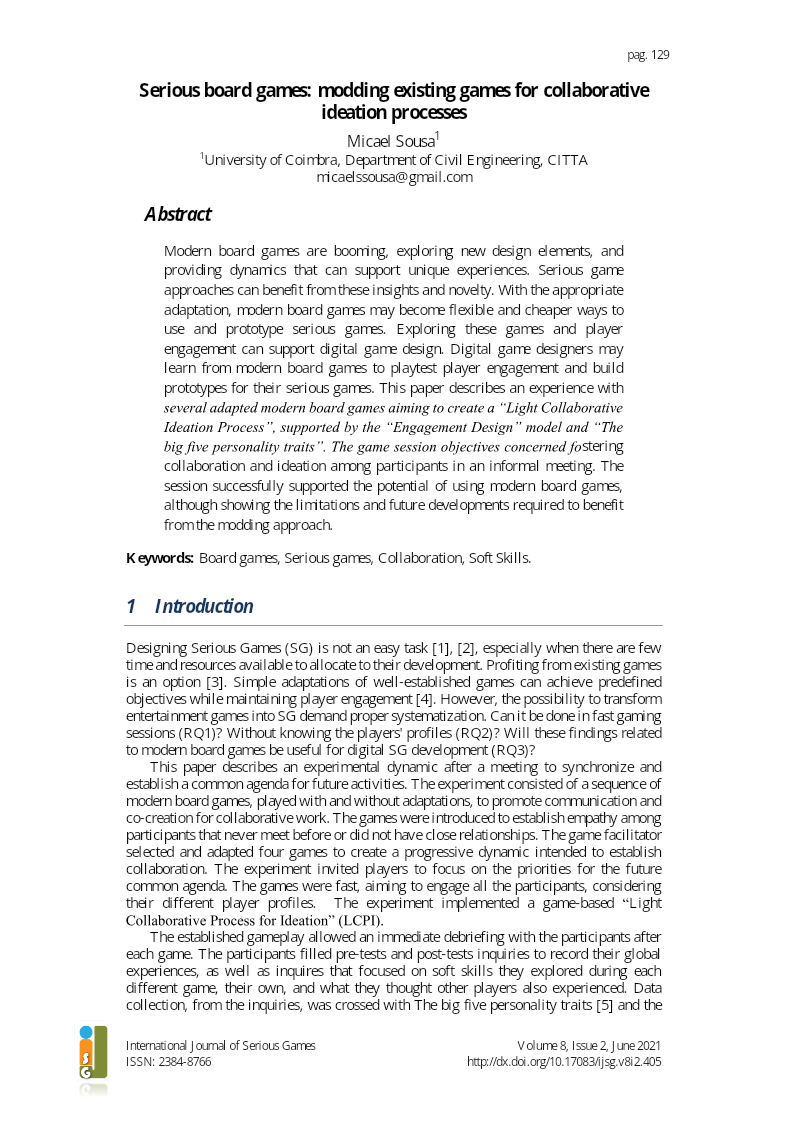
Serious Board Games: Modding Existing Games for Collaborative Ideation Processes
International Journal of Serious Games · 2021

Game Developers Conference
Board Game Design Day: Cardboard Interfaces: UX for Board Games
Game Developers Conference · 2018
Game Developers Conference
The State and Future of Board Games: From Apps to "Legacies"
Game Developers Conference · 2018
Game Developers Conference
Mechs vs. Minions: Why Would Riot Make a Board Game?
Game Developers Conference · 2017
Game Developers Conference
Board Game Design Day: The Making of Pandemic Legacy
Game Developers Conference · 2017
Game Developers Conference
How Board Games Matter
Game Developers Conference · 2015