1 free read left. Create a free account for unlimited reading + AI research.
Create free account
GI Podcast | Landfall's Rebecca Lautner on Peak's 23 million sales and looking past friendslop
Key insights
6 takeaways- 01Landfall Games has achieved 23 million units in total sales for its flagship title, Peak, providing the financial stability necessary to pursue a project-focused business model.
- 02Landfall rejects the industry-standard live service model and sequel-heavy development, instead focusing on a diverse portfolio of mechanic-driven, original projects.
- 03The company’s publishing arm, Evil Landfall, utilizes a 'vibe-based' investment strategy that prioritizes long-term interpersonal trust over traditional, data-heavy market research.
- 04The studio prioritizes rapid experimentation and short development cycles, exemplified by the creation of Content Warning in only one month.
- 05The studio leverages agile release strategies, such as shadow drops and direct community engagement, to maintain momentum without the overhead of long-term maintenance.
- 06Operational success is driven by a 'fail fast' philosophy in Stockholm that emphasizes internal quality standards and creative autonomy over external market trends.
Ask AI about this video
Transcript
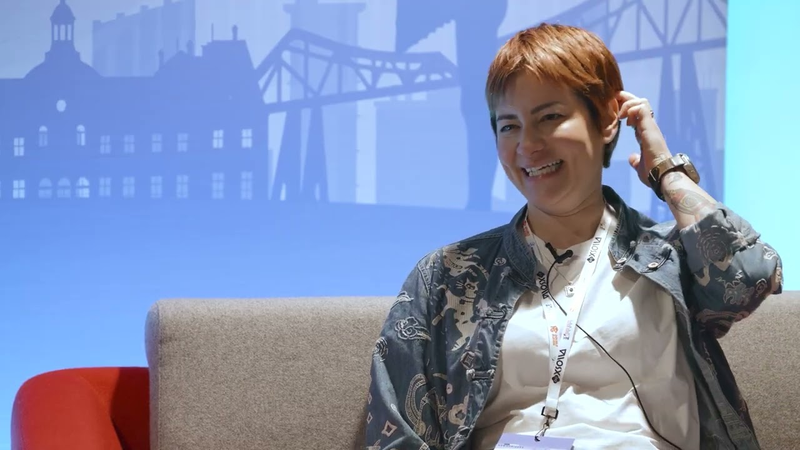
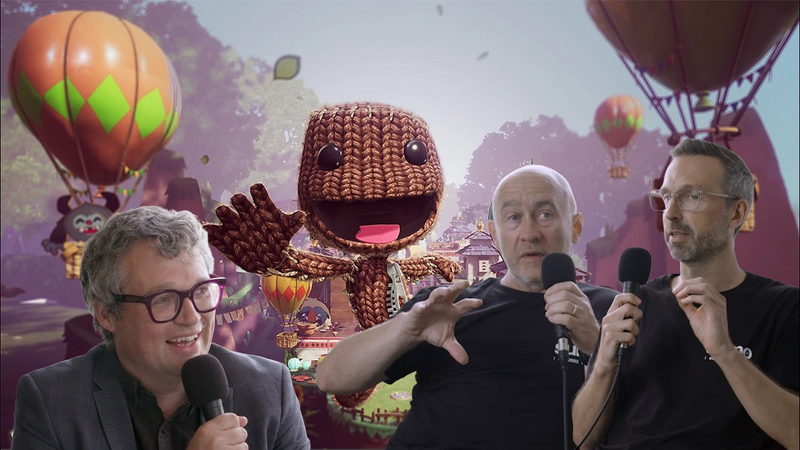
Hello and welcome to the gamesindustry.biz podcast. I'm Louisis Pacwood, the features editor, and this week we've got a recording of fireside chat I did at Game Republic New Horizons with Rebecca Lner, who's the CBO for Landfall Games. She talked about how Peak has now sold 23 million copies, but the company's happy to move on.
But here now, I hand you over to Lewis Pacwood from gamesindustry.biz.
So I am honored to welcome from Landfall Games, Rebecca Lner, who's the CBO. Um, obviously Landfall Games is probably best known for Peak. Um, but they've also launched Evil Landfall recently, so we're going to talk a lot about that. So, Rebecca Louder, she's now I think you've flown in from Australia, haven't you?
Yes, I came from Australia
and it took long
like 25 hours.
25 hours. Yeah.
And you come all the way to Murb from This is amazing. come all the way to Medford from Australia.
And about half of that 25 hours, I think, was spent just outside Thornab on a trans penine express train. Was that
right?
Yes.
Um,
so Landfall Games, so it was formed in 2015 and then I guess your first big release was Cluster Truck, the brilliantly named Cluster Truck. Um, and then since then there's been, oh, what what games have we been? I've got it written down here. Stick Fight the game. Totally Accurate Battlegrounds, Totally Totally Accurate Battle Simulator rounds, content warning, haste, and then peaked last year, which was
huge. I know it sold something
like 10 million by August.
We're 23 now.
You're 23. Oh my god. 23 million. Wow. Okay. Um, but then the big news this year is that you've launched Evil Landfall. So,
yeah,
this was back in I think April you announced this. It's kind of sort of a publisher but not. Can you explain what Evil Landfall is?
Yes. Um I'll try. So uh Evil Landfall existed basically already for 4 years. We founded it in uh 2022 and it was
called Landfall Publishing. It was mainly to establish our self-publishing part, you know, within the company. Um, and that was founded by two of the original founders of Landfall Games and then three more people which is Hannah our um Hannah social media and marketing manager Tim our CFO and myself.
So Landfall Publishing has been around for a while. We didn't really kind of call it that.
No, exactly. We just never we never made it public because it didn't really matter public facing. Um so at some point uh last year we decided we we want a new CEO because our old CEO was one of the founders of the company who had the title but he was not really working in that title. He's one of the main game people that we have, you know, he's the creator of the landfall games and and everything around that. But so we wanted new leadership and we decided this uh this would be Kirsten, our colleague who had been working with us for three and a half years at that point.
And then when we appointed her CEO, we also thought it would be good to public
facing be more open about the funding activities that we're doing.
Okay.
Um and then we rebranded to Eva Landfall and came up with that and since then
came up with that name. So came up with it.
Honestly, it was us in a in a group call, you know, with all the landfall people and then trying to find a new name for it. And you you go to the usual ones like Landfall Interactive and Landfall Presents and all of it was just very boring in our eyes.
And then Yeah. Not very Landfall. Exactly. Um and we're known for being pretty open about thinking that publishers are evil. So, us going more into the publishing side, even if it's just self-publishing and publishing support. Um, we decided then this must be our evil error and Kirsten really liked it. She's the head of evil,
but you put the question mark on there. It's a little bit
it's like is it
is it maybe a little bit evil?
Yeah.
So, so Landfall Publishing has been around. So, you kind of you're not new to this. I know content warning for example, I don't think that was made by Landfall, was it? for you.
It is all the games are all made by Land, you know, internally. Yes. And we're self-publishing them.
Okay. And you're self-publishing. So you you've had the publishing kind of facilities, but Evil Landfall, you're you're kind of not providing the whole suite of publishing. Is that right? You're you're kind of just doing giving the money essentially.
Yes. For for the internal games, you know, that we're self-publishing with Evil Landfall, that's full service publishing. But for the project based investment that we're mainly doing out, you know, outwards for external games, that is um it's project based investment with advisory. So we will take studios by the hand and we will help them out you know if they if they want to get in touch with a platform holder or if they want feedback during the development.
So you give them some advice.
Absolutely. Yeah.
But otherwise it's like here's some cash.
Exactly.
We want them to learn how to self-publish. That's the deal. It's basically the deal that we would have liked to have back then. Okay.
When we had our first game and then we signed with a publisher and it was good but you know at some point we decided,
oh we want to do this ourselves and we didn't really have a say in it. And then we learned how to self-publish. Yeah.
And built up, you know, all the experience and and the relationships that you need for it. And now we just want to pay that forward.
I guess that's the thing. Sometimes when you're with a publisher, you don't necessarily have a say where that marketing budget goes or maybe not as much of the say.
Yeah. I I think, you know, things have changed. There are certainly very good publishers out there. It always depends, right?
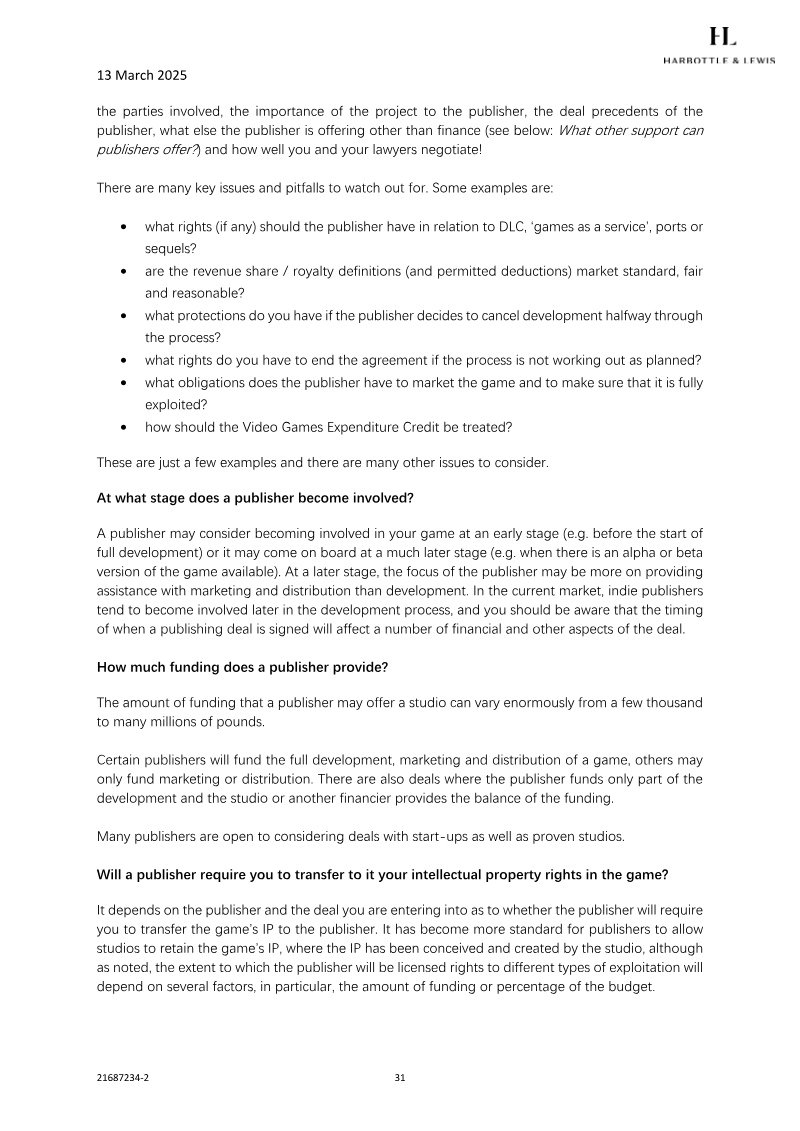
Yeah. Yeah. Of course. You drew me a brilliant diagram earlier from the structure of of landfall. I tried. It's it's quite it's quite confusing, but as far as I can gather, so you started off Landfall Games as quite a tra traditionally structured company, but the developers were mostly employed as freelancers.
And
no, the back then the developers were all fixed employees.
They're all fixed employees, but now you've moved over to freelance. Is it so does that mean kind of basically anyone who develops a landful game can just pick and choose when they want to work or what they want to work on?
Um well kind of um we we do at this
point you know we we kind of choose the teams based on the project that we're working on and mainly it's William and Peter you know of the evil landfall core team um who are working on the games and then they pick the people that they want to make games with and if you look at peak you know it was a collaboration with Aquar which is absolutely no you know not landful people about that collaboration.
I mean, obviously that game did so well. I often think, you know, afterwards, after you saw these millions and millions of people, it must be a bit like a bank job. You've just run from a bank job and you've got the big bag of money in the middle of the table and you're all looking at it going, "Who's going to take it?"
Was it a bit like that?
We did.
Or are you you get on really well?
We get along really well.
Um, we've been friends with Akrab for a long time. That's how that even came to be, right? So we met them at some point I think at GDC and then we stayed in touch and um then we they were working on another crap's treasure
and we made content warning at that time
and we released around the same time but content warning took us about a month to
make.
A month?
Yes.
No.
Yeah. It was a game jam. We needed a game for April 1st cuz that's the thing that landfall does. Every April pools we have landfall day and our community is waiting for something and sometimes it's a completely new game. Sometimes it's a DLC. Um, we had Landfall Archives, which is just a bunch of prototypes that we never released. So, there's always something. And then we didn't have something for that year. So, we sent a couple of people to Soul, South Korea.
You're talking about peak now.
No,
no, this is this is content content warning. Yeah.
Okay.
Um, and they were in Soul for a game jam and for one month they came back with content warning and we shadow dropped it on April 1st, two weeks later
and then
and then that sold really well. It It's done very well. They're all done really well.
Really really well. Yeah. And Another Crabs Treasure did do well, but not that well.
And then they they were funnily pissed, you know.
Well, this sucks.
Well, they spent ages working on that.
Exactly. Yeah. And then at that point, we decided, okay, let's just do it again. What happens if we bring the
Acrobat people, like three of their developers and some of our developers back to South Korea
in February?
Why Korea by the way? Ah, so one of our developers was in Australia and the others were in Sweden and Stockholm where we're based and then they picked the middle.
Okay.
And that was
simple as that.
No specific reason. Yeah.
Um so that's how it happened. They went back to Seoul and um made a month game jam made Peak then we worked on it separately
um for a little bit and then we we dropped it in June.
Yeah.
Last year. Yeah. And then
that's how it's done.
I I wanted to ask about friend slop.
Yeah.
Because obviously this is the term that seemed everyone seems to have settled on for these kind of games is cooperative online games. Not exactly the nicest term. I don't know who came up with it. Some idiot journalist probably.
Probably.
What do you think? Do you do you call the games friend slop at landfall?
We actually do.
You do? Yeah. Yeah. You've embraced it.
We don't really care. Absolutely. Yeah.
Yeah. That's it. It's like Yeah. more power to you. And are you kind of is that the only kind of thing you're focusing on at land for? Is it are you exclusively focusing on
I think we're we're um obviously pretty good at it, but I don't think that's going to be the main focus moving forward. There's so many different ideas that that come from within the team, you know, and specifically and P are always working on something new and it's it's going in very different genres and directions. Um,
so there might be something new in that direction whenever they they feel it, but at the moment we're working on something completely different.
Oh, really? Okay. Can you give us a hint about what it might be?
Sorry. Damn.
But uh but yeah, speaking of new games, actually, I knew there was a game meant to launch. Yeah.
This April Fools. What happened there? Cuz we had this the live stream and then suddenly it was like, "Sorry guys, there's nothing this year." What What happened? Um, so we were working on something and we really liked it until we tested it with uh our closest
community, which we always do.
Um, and they didn't like it that much and then we bended.
Oh, really? Yeah.
Just like that.
Yeah, just like that.
Oh, that's it. Well, fail fast, I guess.
Exactly. Yeah, it was, you know, we also we had like a bunch of other things happening on April 1st, right? It was um content warning coming consoles. I like the kick. Was it help becomes kick in peak as well? That was
fun. Fun one.
Yeah, there is um Yeah, there is a bunch of uh what was I saying?
You you're looking at a bunch of things launching a bunch of things today.
Yes. So, there were a bunch of things happening on April 1st already and we obviously wanted to have a new game because the community is just used to us bringing something out, but it just it wasn't what we wanted it to be. and then read.
Are you still going to work on it? You going to maybe
potentially? Yeah, there are some people in the team who are still looking looking into it. Yeah.
Okay. Try and get it past the play test.
Good stuff. Um
I kind of Oh, yeah. I would go to go back to Evil Land for so obviously you said you you're kind of looking out for games presumably when you're at Melbourne Games Week. That's what you were doing.
Kind of looking out for new games.
How to fish was the first one under the Evil Landfall name.
Yeah. Under Evil Landfall. Yeah.
Which kind of came out early this year. and sold I think I think the last report was by August it had sold 10 million yes copies.
That's the that's the last info I have from them.
Okay. Well, that's Yeah. So, obviously it days games, isn't it?
Yeah.
They've done very well. I mean, how do you pick them? Oh my god. There's people in his room that are going, "HOW ON EARTH DO YOU do you find these games that sell millions and millions?"
Um, you know, by now we actually do have 13 projects that we have invested.
Oh, 13. Wow.
Yes. Yeah. So, we started about six years ago to invest
and um there was a bunch of games that did really well and there's also a bunch that didn't do that well, you know.
Um
How to fish specifically was a studio that we got to know maybe 3 years ago
from which is an incubator in Sweden.
Oh yeah.
Um and they showed us a game back then and that was not the game that we wanted to sign but we stayed in touch and when they showed us how to fish it was like the most obvious thing ever, right? It's you see that game and it just looks landfall.
It's it's a game that we could have made and that's exactly how we picked them. I think it's we don't really do that much market research and have like a like a magic sheet where you put in all the numbers and then you find out it's like oh this is going to sell this many copies and it's like we don't know it's just it's vibes.
Yeah. And for this one, we just knew this this we can help them along the development, you know, and give them feedback. And the team was very excited like overall.
Um, and they were so good to work with.
Um, Kirsten, the our CEO, she actually had calls with them every week.
Really? So, you kind of quite work quite closely with them.
Yes. Yeah.
Kirsten did. Yeah.
Yeah. But then it is just a case of like, oh, here's a letter of money, go and work. And then maybe just some advice on on
Exactly. Yeah. So we're involved as much as they want us to be technically. Okay. So if if it's a studio that had already made games and and put them out there and they just need the money or risk management, you know, then that's totally fine. We just completely stay out of it. We also don't put our label on anything that that we haven't made, right? Um but specifically for How to Fish, it's a very um for days games, it's a very young studio and they wanted a lot of feedback and we were able to to give that to them because of the nature of the game, you know, it just made sense. So,
but it sounds like in terms of scouting games, it's more about building relationships with studios because you didn't want to sign their first game, but actually you thought actually you see something there, let's keep in touch.
Yeah. Yeah, that's really interesting. In terms of the actual deal with with that game, can you talk a bit about the publishing deal? Is there anything you can reveal? I I don't want to force you to divulge the the full contract, but I mean in terms of recoup and things like that, how does it work?
Yeah. Um, so we we do recoup 100% but it's never from day one. So we have a
ref share that gives them a really really good runway at first until we recoup and then we switch.
Yeah.
And it's um I'd say it's a really nice um structure. It's definitely better than than a usual publishing
term. Okay. And you said you've got 13 projects kind of like that you you've got
you're looking at. I mean what kind of range of of of games are there? Are they all going to be Friendlop games or what are you looking at here?
No, we have a 2D platformer called Webbed from Australia which is really really cute and did really well.
And then um what else did we have? Um we had uh a game called Spanky also from Australia which
Spanky often.
Yes, it was it was um tag but you have to spank.
Was great.
Sounds great.
It did not do that well. But it was a good approach. Um, no, it could be anything honestly. Uh, we also supported Perfect Random who made
Sulfur.
Okay.
Which is a first person shooter and it's really, really great. And then, um, we supported Semi Works who made Repo which is on the French club.
Okay.
Yeah. And we had in them.
I think you've got your fingers in all of the French slop pies it sounds like. So you did repo as well or you had a hand.
Yeah, they did it because you were like, "Okay, here's some money."
Yeah.
And that was easy because they were friends for a really long time before that. They're also based in Sweden. They're in Upsala. Um, and we've been hanging out for a long time. So, we supported them already when they make their first game called Voidigo.
And then they moved on to Semi Works to to make make repo. And obviously that was, you know, that was great.
That was fantastic.
Yeah.
So, in terms of the game, the projects you're supporting, there are kind of some of these kind of co-op games, but not you're not kind of just
not necessarily. Yeah. Could be anything. There's a bunch of other games that are that we signed that are coming out at some at some point
next year. Yeah. That are absolutely not.
Yeah.
Interesting. Interesting. So, what in terms of that, if you're not just looking out for kind of like these co-op games, what what are you looking for in
a studio or a game?
It so hard to say. It just needs to feel right. So, usually, you know, when we get pitches, it goes to um an email address that is shared by Kirsten and I. And then we both go through it and we kind of we're like the the bottleneck
and whatever we think is good we bring on to the rest of to the rest of the team and then we play it all together and then it just needs to be fun and catchy and
create those moments that are just you know that just work. It's Yeah. And obviously you know with the team it it needs to um there needs to be a good relationship you know just based on trust. We want to be able to give feedback along the way if they want that. You know, we ultimately they get to make their own decisions. We don't put our fingers in in any of anything that they want to decide. You know, it's ultimately up to up to them, but there needs to just be like a nice vibe.
Nice vibe. It seems Lon is very vibe based.
Yeah.
Is that fair to say?
Yeah. Absolutely.
And it also sounds like you're not afraid to kind of back first kind of time studios as well like to pitch.
Yeah.
Yeah. That doesn't
I mean they did make a game before. Yeah, they did make a game before. um which didn't really do well. Um but yes, they're really really young. They're 23 years old.
Yeah. Yeah, that's it. Um just looking at my list of questions here, I I kind of wanted to ask about your background a little bit.
So you you didn't kind of come from the games industry originally. Is that right? So you you're from Germany.
Yes.
Uh and I think you were working for a government body or
can you tell us a little bit about that? What was it called? Yeah, it was called Berlin Baltic Nordic at first
and it was an initiative that was funded by the government and by the European Union
uh to build a network for the games industry and that was about 11 years ago or something.
That's when the German government noticed me games.
Then we we got
more people buy games than games and
films. I can't even say that anymore.
Crazy. Um so we got a bunch of funding. M um and then I was supposed to build up a network for the games industry first of all between Berlin and the Baltics and Nordics meaning I was just traveling around in the Baltics and Nordics um and trying to meet as many people as possible and that could have been anyone like any part of the games industry. So it was AAA indies publishers investors service providers you know everyone and I would just add them to my network and then connect them with each other and host events and bring them to to other conferences you know and just try to um create business opportunities. So networking is your superpower.
Yes.
Yeah. Yeah.
I I guess. Yeah. Um but then um obviously going to all those conferences you notice
well it doesn't really make sense because all the people that come to those conferences are international. They're not necessarily just Burnland and Baltics and Nordics. So at some point I went back to to the government and said we need to open this more. And then it became Games Europe. And by now it's still running and it's called Games
Transatlantic. Okay.
And it's a it's connecting the German games industry. How did you end up at Landfall then?
Oh, I met Peter, one of the founders of Landfall, at a conference in Lithuania.
Oh, right.
Yes. And we were at a an event there and then started hanging out and then he kept asking me to join that. I didn't
He was like, I need your contact. Now he you know you have to you have to see Peter Bum and Philip who are the original founders of Landfall they just wanted to make games right as it is so often and then the studio is successful and then they need to grow and someone needs to take care of the business and that was better and he never really wanted to
um and that's my thing so then he asked me to join so I can take over so he can go back to making games again.
Oh I see. I see. So you're the the business brain behind it.
Yes.
Yeah. Um, in terms of uh Oh, yeah. I was
going to ask you as well because before all this, you you you did a is it was it a PhD in Oh, no, no, sorry.
No, just a bachelor.
A bachelor's degree, but you you learned Mandarin.
Yes.
And I wondered how has that come in handy in the obviously with the I know how to fish, for example. I think about a third of the players are Chinese, you know.
Has your Mandarin come in handy in your gamers industry business?
Um, I mean, I don't really talk to the how to fish players in China. I was going to say, are you on the chat forums there?
No. Um, it comes in handy um when we're in business conversations with Chinese studios and they have their own private conversation on a video call and they don't know that I can understand them. That comes in.
But I usually I don't go around and I'm like, "By the way, you speaking."
Exactly. No one really um especially in China, no one really knows this, right? So, it's it's kind of like it's nice.
It's another superpower.
Yeah.
Yeah. I mean, in terms of Chinese
is is that something is that a country where you're looking for kind of talent for for to sign for Evil Lamp?
Generally everywhere. We're looking globally. It doesn't really matter to us. We've just been um uh at an event in uh in Shanghai during China Joy that was mainly focused on on indies in in Shanghai as well. So, I got to meet a bunch of really good studios and it's really cool to see, but also it's such a different market.
You know, it's for us to break into the Chinese market, it just it happens kind of organically and sometimes we get a little bit of help from um agencies like II Gamer, you know, who are doing the marketing for us and then Heybox is a good good studio to talk to for key distribution, you know.
Oh, right. Yeah. Yeah.
Yeah. There's a bunch of those things that we're definitely using.
Um but apart from that
Yeah.
Yeah. Well, we've got about 20 minutes left. I just wanted to kind of look a bit towards the future because I'm really interested in the way the industry is evolving. You know, how do you see the games industry evolving in the next 5 years cuz so much stuff is
changing.
Yes. Honestly, I don't know anymore with all the things that are currently happening. I'm like, wow, lots is moving
and I honestly don't dare to make a prediction. What I really really like to see is that so many more studios, you know, like Landfall are starting like indie studios, you know, starting to get into the investment bit and like supporting other indies, you know, with their funds. And I think that's that's a great
so many. I think Agro Crabing Game Company this year
seems every other week an indie.
It's wild and it's so needed and it's really really nice deal structures and if you get a deal from Outl.
Yeah. Yeah. That's fantastic.
Yeah.
Um, so obviously the rise of Do you think this is where things are going? Indie is going to take over now, you know, is that is that the future?
I think shorter development cycles, you know, like like we're doing it. It's like it it really enables you to try a lot of different things, but also been a
game faster and not spend horrendous money on it over years and years, you know, and then it being a fail. Um, so I think it's shifting towards or anyone at everyone that I've been talking to, you know, in the past couple of conferences that I went to, we're like, oh yeah, we're going to to shorter development cycles and we want to make games faster, you know, and then it enables you to be Yeah. It's it's just an easier way to make games, especially for us. Yeah.
So you kind of you embrace that philosophy yourself then, you know,
100%. So if game's not working, I mean, how long do you give a game before you kind of like Right.
One month.
One month. Yes, we have um after taps which took us six years to make and the whole team afterwards was like also don't want to work.
It did really well. Tap
it did really well. Yeah, absolutely. And we still love that game honestly. I I still play it once in a while. I'm like, "Oh, actually really fun."
Um but it took six years and everyone was so over it, you know, at that point. And uh
then we decided we're going to make games fast, you know, and like shorter and smaller projects.
And then we started working on Haze
and Haze took us three and a half years to make and it kept getting longer and we were like, "Ah, this sucks." And we kind of changed the the corner of the game a million times. You know, it went through so many different phases and we completely lost uh what what it was supposed to be, you know, at some point. Um, and then in between we needed something for April 1st and it was definitely not going to be haste because it wasn't ready. So that's how we make content warning. We're like, okay, let's do one month. Let's make a game and put it out there on April 1st. And then we realized, oh, this is how how we make games. We just lock in for one month
and uh figure out the core of the game. If that sticks and if that's catchy, then we we work on it a little more. And it can be a couple of months, you know, even after it did. Um, and we polish it and then we put it out there. That's just that's how our team works best.
Yeah. I mean that must require a lot of kind of trust and collaboration to do
that. You know people I mean how does it work on a day-to-day level? Do people just own their own work and then do you make decisions quickly? Is it like okay we need to make say yes or no right now? Is that
Yeah, we everything is very chaotic and spontaneous at landfall. But I think we found a team that just works really well together and also we've been doing this in this constellation for now well since I joined for seven years and the team that before you know has been together for 10 11 years now
um and everyone kind of knows what they're responsible for and what they're doing and that being said it's not always really smooth
there's a lots of arguments and people like no I want this feature in we need to keep this
not that much
to be honest on that side it's more you know when we come in for the publishing things and they're like, "Oh, we made a game. Can you release it next week?" And we're like, "Ah,
but then everyone knows how to jump in and it kind of works because by now we built the relationships with the platform holders, you know, and we can
reach out and be like, "Hey, we have this ready. Can we do this, you know, and we can reach out to Val and Steam?" Um, and we have a community that is always waiting for one of our next games. So, it's just um we have a lot of uh advantage when it comes to that. Um, but yeah, not so much for the game design. I think for for the game design, it's mostly Villim and Patter who just built a team around them, you know, and it just because the teams are all so small
and they're freelance. Is everyone working remotely? I mean,
we do have a house. We have an office.
An actual house.
Yes.
What does it look like? Has it got bean bags?
It's a big house.
It's amazing.
Stephan says it's amazing about this.
Tell tell me about the house. Come on. Stephan says we have to talk about the house. Uh it's a house. It's a big house in a suburb of Stockholm.
Um and we got that house because we also had a city office uh in one of the nicest streets in Stockholm and it was very big and very expensive.
Uh and at the same time we thought it would be nice to have something in the
suburbs like a small house if people don't want to go into the city center or if we have guests so we can host them there because we have a lot of like international indies just coming over and hanging out with us. Yeah.
Um, so when we were looking at houses, there was another house across the street that was also available and that was the bigger house and then we just
bought that house and then no one ever wanted to go back to the city office again. So we cancelled that office and since then we just have the house. It has a gym.
It has a hangout room. It has a bar.
There's a bar. That sounds dangerous.
That's where one bar to hang out. That's where we have like meetings, you know. Um, and then we have a big lunchroom and we eat lunch together. We have a chef that cooks for us.
You got a chef? Oh my god.
He's basically he's a he's really good friend of Landfall and he was
hanging out with us every day and at some point we were like just cook.
Oh my god, this sounds like the best place to work I've ever
This is great.
It's honestly before that we were just ordering food and everyone would sit at their desk, you know, and and eat and
we're not really talking, you was like if we didn't talk about the games, it was just everyone for themselves and it was kind of sad. And uh after Yonatan the chef joined us, it's you know at 1 p.m. or 12:30 there is a bell ringing and everyone comes running and then we have a joke.
Yeah.
We're conditioned celebrated.
Um and then we come running and then we have a nice lunch at the table and everyone is talking you know and we have like it's basically in all hands you know with food.
Okay. Okay. Well, I guess that leads me to ask about, you know, remote work versus kind of in the office because obviously a lot of companies have said everyone has to come back into the office now. What's your view on it at Landfall? Does everyone have to be in the office or would you prefer them to be in the office?
No, we everyone can decide for themselves. We obviously because we do have a house and it's very cozy, you know, and it's it's a really nice vibe to be there. People just come.
Um, and even, you know, some other indies that are not not working at landfall, they're also coming to our house.
Really? So come in, eat your food once
in a
while. Fantastic.
It's a it's a very nice uh nice place to to work and hang out, you know, and have conversations. And fact is it's just easier if you're around, you know, to go and walk up to someone and to their desk and have a chat than having to go on a video call.
Yeah. I guess in terms of the kind of games you make, you're talking about kind of making these games really fast. That requires, I'm guess, quite a lot of communication between teams.
Yes. So when that happens is um we basically we pick a team that is going to work on a project and then we put them all together somewhere. It might be our house, it might be somewhere else, you know, where it's where it's convenient for them. We might send them to Korea.
Um uh and then yeah, they just lock in. It's honestly it's one month of them just doing this and we're the rest of the team is basically on standby and looking at the first bills that they send us, you know, and then we all pay together and we do like a little feedback round and
Yeah.
Yeah.
And in terms of the games you're looking for, you know, do you want the
developers that you're signing uh to follow the same model? Do you want them to do the kind of same fail fast, you know, make a game in a month thing or
It's up to them. Yeah,
we we don't really it's it's not a must 100% but obviously it's beneficial. Um but generally like one game that we've just signed is going to release at the end of next year,
you know, so it doesn't really matter. It's up to them. We wouldn't want too well, we wouldn't want to come in too short before release because then we can't do anything for them, you know, and we can't really have an impact or give them feedback. Um, and we don't want to have games that are releasing in in four years necessarily because we just, you know, it's not what we do.
Yeah.
We don't have the attention span.
And of course, the market might have changed so much in four years that you Exactly.
Yeah. That's it. Do you do ever do kind of speculative funding? I think you mentioned with Repo like you invested in that
that game, you know. Do you kind of like just if you like a studio, you say,
"Here's some money, see what you come up with." Does that ever happen? Um so everything we do is usually project based but specifically for semi works um who make repo it's equity investment and that came to be really early on because they needed funding just support for the studio to go on and
so you do do a bit of equity investment as well as the project funding.
Yes, very rarely but it is three studios that we have invested in. Yeah. And the rest is project based. Um, one of them is perfect random, then semi works, and then um I don't know if I can talk about the other one.
Go on.
I'll leave it up for now.
Okay. All right. Well, it's fine. I'll be
It was just recently, that's why I'm
I'll be combing through your public business records to try.
Um, I kind of wanted to ask, you know, what's the secret to your success? I mean, this is what everyone in this room probably wants to know. What can I do that Landfall does to make my games better? Is there any any secret sauce?
We get Oh, yeah. See, we get that
question so often about the secret sauce. And
honestly, there was a time when I when I answered, "You just need a villain who makes amazing games, you know, and put them out." And then I got angry at myself and was like, "No, actually that's absolutely not true." Because he makes great games, you know, and the team makes amazing games, but if we as the team wouldn't be around them, you know, that would absolutely not be possible. So there's a lot of things that that come together, right? Um I think uh what is what's important for us is first of all we've been around for quite some time and then we had a successful game just right at the beginning
and that gave us financial stability and and freedom to just move on and try a bunch of new things.
So your advice is to have this big success and then you get the freedom to play around. I mean, yeah. No, honestly, it's it's so hard, right? Because I I wish it would be that easy, but there was some luck in it. You know, we made a good game and it sold really well and
then we did a lot of things right after that. You know, we we made we included our community right from the start. you know, we built on social media and always had our community be part of some of the decisions, you know, and it's like we built up things like April 1st where the community knows it's landfall day and they're waiting for something and then they're disappointed when there's nothing new, which is something that we're putting a lot of pressure on us obviously and it's sad to disappoint them
uh this year, but there's so many things that just come together that make us really stable, you know, and I think community is one of the biggest ones 100% that we have. Yeah, let's talk a little bit about that because I mean I think this community first idea is something that's really trickling through to a lot of developers and I know speaking to some UK studios now, you know, whereas once they would develop a game in secret for years and years, now they're like, "Okay, let's get it in front of an audience first, you know, is that essential to kind of for games now or certainly for your games?"
For our games, I think it certainly is. Yeah, we have a fantastic community and marketing manager and it's honestly it's just one person and she has help
obviously around her from um um a little bit of support I think one person at the moment and then probably looking at another one but she has built that community from scratch for the past 10 years
and she built our social media channels to that like the the amount of love that she puts into talking to our community like when I see some posts uh on on Tik Tok and they're asking for the fifth millionth time,
when is this coming to console? And she answers all of those threats. It's just it's a lot of care.
And then you've also done some shadow drops, right? So, you know, it's not necessarily about getting a game in front, you know, doing the development in front like you did with Tabs, for example.
Exactly. Yeah. You know, and that only works because we have built up that community that is now waiting for things and they're not necessarily looking at a game being like, "Oh, that's game, this game is fun. Who's it by?" You know, but they're like, "Which is a new what is a new land for you? A shadow drop is something you could do after you.
It's only possible. Yeah. Because we had the success and we have um we have built
this April 1st thing, you know, around it.
Yeah, that's it.
Um just to finish off, I mean, I kind of touched on the uh what's going to happen in the next few years? Um are there any big trends that you see on the horizon? Like I think we talked a little bit about adverts and games. Is that going to be kind of something you might see more of? Well, I hope not, but I guess
yeah,
you know, I
No, I I don't I really don't know.
Um I think indie games are just getting so much attention. It's so cool to see, you know, what's coming out there and um the numbers are just crazy and it's so many new studios that you've never heard of and all of a sudden there is a hit and it goes viral and that's very cool that there's a platform for that. Um but you know there's also it happens so randomly it's
Yeah. Well that's the thing isn't it? I mean but then you say that but then looking at landfalls games you seem to just have hit after hit after hit. So
there must be something
you I think for us also you know having that financial stability gives you a lot of creative freedom as that you know to just try out new things. So for so many studios it's about making a game that is actually successful so they get to be that studio still you know and and and go on to another project at some point but with in these times you know with so little discoverability it's just so hard to to have a success so a lot of studios stick to something that has already had success because
you know that's how you can measure it's like oh this is successful I maybe I should make a friend look you know
yeah this is the thing we've seen a lot of fast follows right of and other games like that. It seems I'm sure at least some people in this room are making some kind of co-op game on
it. How do you feel about that? You know, are you flattered by the imitation or are you
Absolutely. I think that's cool. But if you have to make it your own, right? It's
um you know when
uh when we made content warning,
it was obviously inspired by Lethal Company. No shame in that. But we made it completely our own, you know, with our own mechanics and something special that made it what it is, you know, and was very different from company. And if you find like your own little hook that makes your game special in the same genre, that's cool. Absolutely. I'm all Yeah, I'm all for that. But it just
just putting a new skin on things, you know, and having the same mechanics, like that's not going to fly.
Yeah. Um but so what I so what I meant is for us you know having that creative freedom just lets us doodle around you know and then trying new things and not being worried about if the next game um is not that successful and obviously we want our games to be successful we want them to be good but I think having that that peace you know
so it's about the spark that kind of originality you know
you know I guess in that sense you don't really do sequels you can we no we're not looking for peak two next year
we we're We're not a live service studio and we don't really update games even,
you know. Yeah,
there's we always make sure that they work uh and we patch, you know, and there's a couple of updates and we want our community to be happy, but we're also very outspoken and Hannah, our social media and marketing and community manager, she has done a really really good job and working with our community to let them know like this is not how we work and they can't really expect that from us. They still do and there's still disappointment but at least we're very open with this. We just we want to make a lot of different games,
you know, and we want to be creative and keep on working on new things instead of just focusing on one.
I you know, in a way kind of I'm sure a lot of other students be thinking, "Oh my god, you've got like 23 million players or whatever of peak and then you just be like, "Yeah, we're done with that. Okay, next thing." You know, which seems like what
from a business point of view, believe me, it is very frustrating sometimes because there's so much opportunity in there. Um, but that's just not what we're about, you know, and I learned to I learned to accept that really really early on when when I joined the team. I was like, "Okay, we we have a very different um path that we that we want
to go." And that's fine.
Would you ever consider passing the games on to someone else? Cuz I know, for example, Evil Empire took over Bro from Studio.
Would you consider passing on the reigns to another developer?
Um, so far we haven't. And that's mainly because we we're so specific with the games that we work on and all of them are like they're so landfall that bringing someone external in to to take over or work on them would just never really made any sense to us.
Um but there might be, you know, in the future. It's I think we're getting to a point where we have so many games that um the community still love and they're constantly asking for updates still and we just can't handle it because you know in the core team of Evil Landfold, we're six people. It's just not sustainable. Um, so potentially, you know, there's some some landfall people who work as freelancers who might take over some projects. You never know.
Yeah, it' be interesting. I think we've got time for one more question. Um, just one last thing. There's a looking again
looking at the future. It feels like graphics aren't that important these days. Like it feels like all the kids are playing Roblox and they're playing, you know, these kind of content warning and things like that which aren't like photo realistic graphics or anything. Do you get what the sense do you get from your audience? Is anyone out there going, "Oh, I wish you look more like Call of Duty." I'm kind of bullish.
I think I think if you play a landfall game that you know what you're getting. You know, we're not really about the graphics. We I mean for Haste, we kind of had a completely different approach.
And it was if you look at that that art style, it's like we brought a completely different team in, you know, and artists from all over the world to to get there because we had no idea how to do this. and it was really cool, but it it doesn't necessarily it feels like a landfall game, but it doesn't look like a landfall game. So, we're trying around with things, but it's it's not what we're about. We're completely about the mechanics.
Yeah, graphics are down the bottom of the list. Well, thank you so much, Rebecca. That was absolutely fascinating. Rebecca
Summary
Landfall Games has established a highly successful development model centered on rapid experimentation and creative autonomy, underscored by the 23 million units sold of its flagship title, Peak. Rather than tethering the studio’s future to the "friendslop" genre or the industry-standard live service model, the company is pivoting toward a diverse portfolio of mechanic-driven projects. This strategy relies on short development cycles, as evidenced by the successful one-month creation of Content Warning, which allows the studio to mitigate financial risk while maintaining high levels of creative momentum.
The studio’s operational philosophy, based in Stockholm, emphasizes a "fail fast" approach where internal quality standards take precedence over market trends. Through its publishing arm, Evil Landfall, the company provides project-based investment and advisory support to external developers. This partnership model prioritizes long-term interpersonal trust and "vibe-based" alignment over traditional, data-heavy market research. By fostering a communal, flexible work environment, the studio maintains an agile structure that supports unconventional release strategies, such as shadow drops, which are bolstered by direct and transparent community engagement.
Ultimately, the studio’s success demonstrates the viability of an indie-led, project-focused business model that rejects the pressure of sequels and long-term maintenance. By leveraging the financial stability afforded by past hits, the organization avoids the pitfalls of corporate stagnation, instead favoring original concepts and small-team dynamics. This approach highlights a broader industry trend toward decentralized, agile development where creative freedom and strong professional relationships serve as the primary drivers of commercial and cultural impact.







Comments