1 free read left. Create a free account for unlimited reading + AI research.
Create free accountArticle Alinea Analytics
1 free read left. Create a free account for unlimited reading + AI research.
Create free accountArticleAlinea Analytics
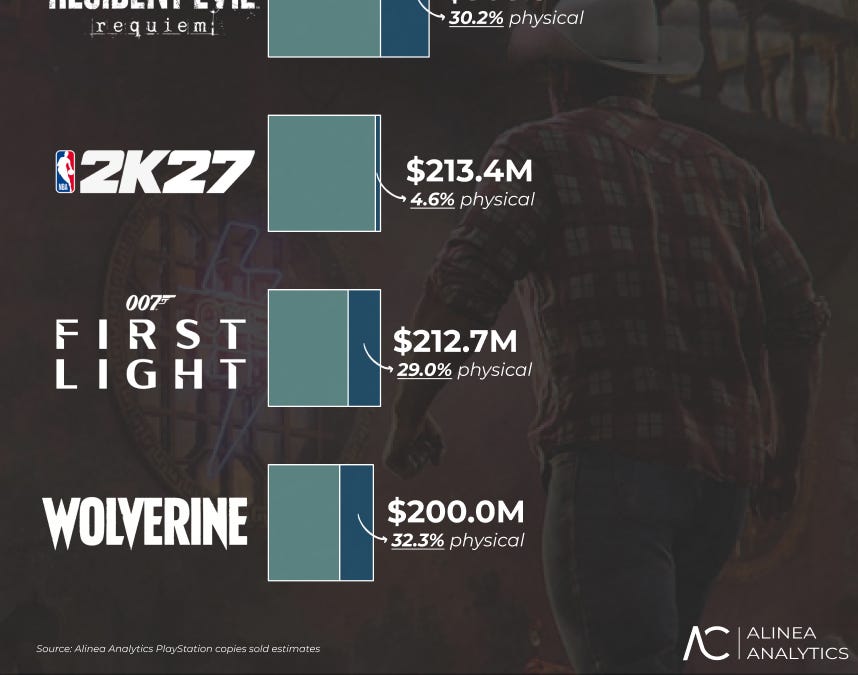
The analysis examines how the Xbox Game Pass subscription model affects first-party and third-party game revenue during the first half of 2026. It posits that the model drives player engagement and reach while simultaneously cannibalizing premium sales for high-profile titles.
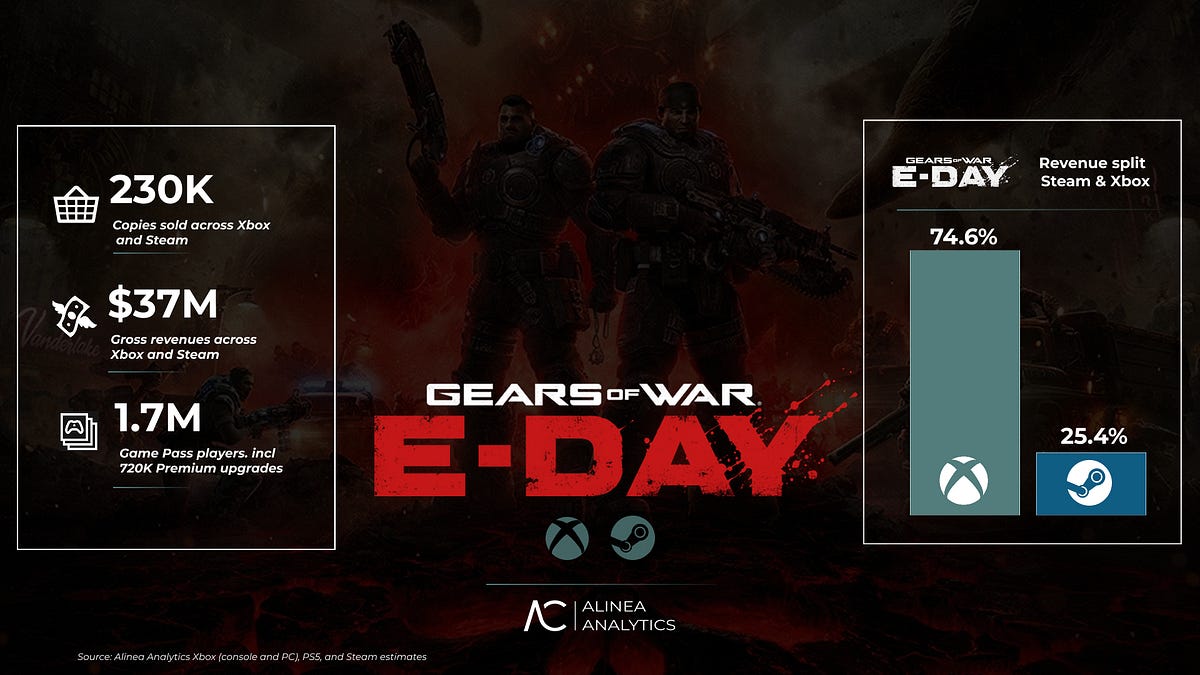
The analysis examines the impact of the Xbox Game Pass subscription model on first-party and third-party game revenue during the first half of 2026. The central thesis posits that while Game Pass effectively drives player engagement and reach, it simultaneously cannibalizes premium sales for high-profile titles. This trend creates significant financial pressure for Xbox, which is currently operating under a 3% accountability margin, suggesting that the platform’s strategy of day-one releases is becoming increasingly unsustainable.
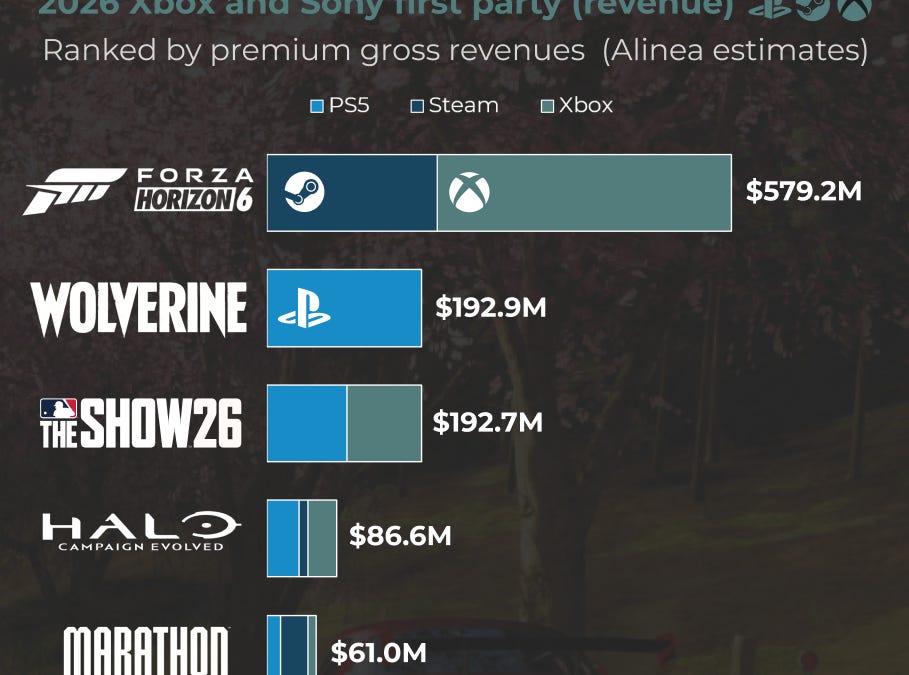
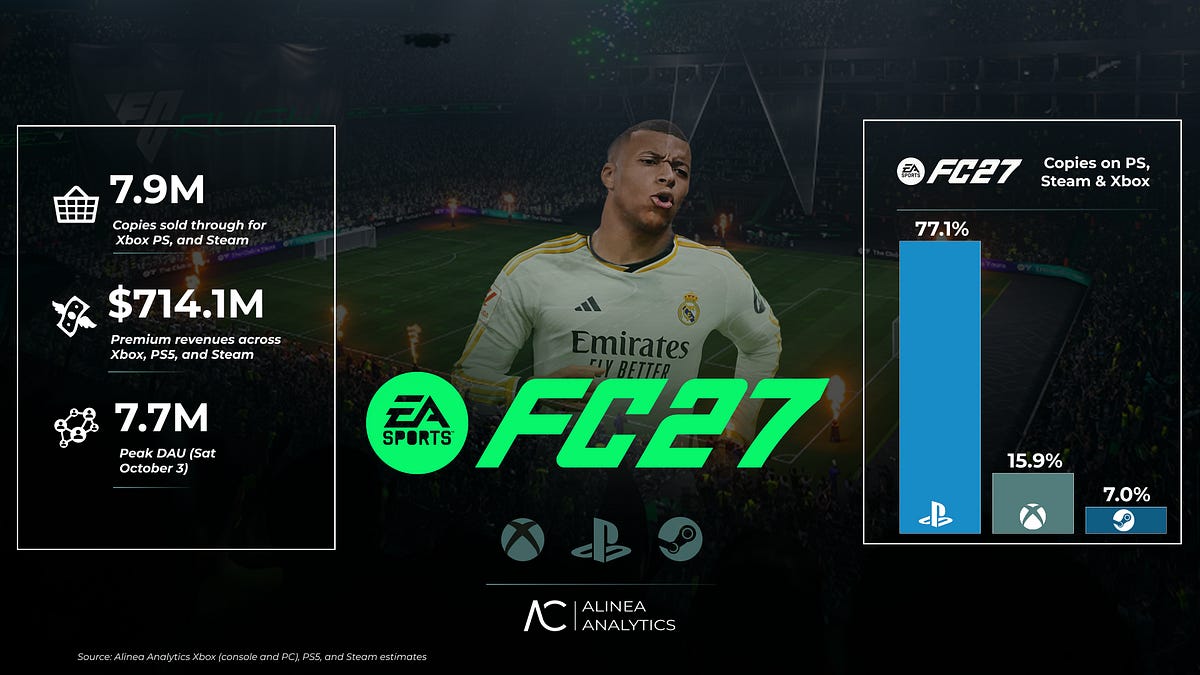
Key data points highlight the scale of this cannibalization. Forza Horizon 6, a major day-one release, attracted 6.8 million Game Pass players, generating $270 million in revenue through premium upgrades and sales. However, other titles show more severe revenue displacement; Subnautica 2 drew 3.5 million Game Pass players while selling only 100,000 units on Xbox, contrasting sharply with its 5.4 million copies sold on Steam. Similarly, Escape the Backrooms and High on Life 2 demonstrated significantly lower sales on Xbox compared to PlayStation, where the titles are not included in a subscription service.
The analysis utilizes proprietary engagement metrics and sales estimates to track performance across console, PC, and cloud platforms. It identifies a clear distinction between new, high-demand releases and older back-catalogue titles. For instance, the inclusion of Cyberpunk 2077 is cited as a successful model for subscription services, as the game had already exhausted its primary sales potential before joining the platform. Conversely, the report concludes that the current strategy of offering major tentpole franchises on day one is likely to face further restrictions, following the precedent set by the removal of Call of Duty from the service.
Alinea Analytics · 2026
Alinea Analytics · 2026
Alinea Analytics · 2026
Alinea Analytics · 2026
Alinea Analytics · 2026
Alinea Analytics · 2026
Alinea Analytics · 2026
Alinea Analytics · 2026
Alinea Analytics · 2026
Alinea Analytics · 2026
Alinea Analytics · 2026
Alinea Analytics · 2026
Newzoo · 2026