PocketGamer.biz
1 free read left. Create a free account for unlimited reading + AI research.
Create free account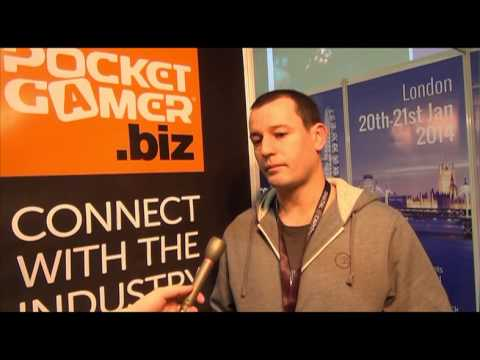
[Music] meeting Publishers generally so we have a game called Salvage um which we're seeking to find a publisher for next year and we've met a lot of Publishers some are interested some are not and and um I think it will do us very well next year what has been interesting for me is seeing the different categories of uh publisher and where they're investing their time and their money um yeah very interesting seeing who is looking for uh games which have been already soft launched and which metrics can be shown people are looking for the new thing uh people are looking for something taking a big risk and and seeing big rewards um so a a sort of spectrum of of risk reward Publishers I guess yes so we went to GDC in San Francisco um which obviously is a is a very big show um I think I prefer this one because it's condensed you can meet people quickly there's sort of quick
turnover of of meetings uh we went to Cologne or rather James Parker from repos went to cologne and had some very interesting meetings there very much focus on games and the um you know sort of the the that was an enjoyable meeting uh event by all accounts as well well I think we're going to see some uh interesting second screen applications so people getting an iPad and a you know an Android tablet connected into a a Xbox One a PS4 uh PCS and I think there has been you know the Wii U has begun putting some games out there but I do not think we've seen the more interesting uses of that and and I think there's a whole wave of games coming which will take advantage of the the number of screens which are in people's homes these days
The gaming industry is currently navigating a diverse landscape of publisher investment strategies, characterized by a spectrum of risk tolerance. While some publishers prioritize titles with proven performance metrics from soft launches, others actively seek high-risk, high-reward projects that offer innovation. This environment necessitates that developers effectively match their titles with the specific investment profiles of potential partners to secure publishing agreements. Industry events like Game Connection Europe serve as vital hubs for these interactions, offering a more condensed and efficient networking environment compared to larger, broader conferences like GDC.
A significant emerging trend for 2014 involves the integration of second-screen technology into the console and PC gaming experience. Although the Wii U pioneered the concept of dual-screen gameplay, the industry has yet to fully exploit the potential of connecting tablets and mobile devices to platforms like the Xbox One and PlayStation 4. The proliferation of multiple screens within the average household presents a largely untapped opportunity for developers to create more immersive and complex interactive experiences.
The upcoming wave of second-screen applications is expected to move beyond basic utility, focusing instead on deeper integration between handheld devices and primary gaming hardware. By leveraging the ubiquity of tablets and smartphones, developers aim to enhance player engagement and expand the functional scope of home gaming systems. This shift represents a strategic effort to capitalize on existing consumer hardware to foster new forms of gameplay that have not yet been fully realized in the current market.

PocketGamer.biz · 2026

PocketGamer.biz · 2026

PocketGamer.biz · 2026

PocketGamer.biz · 2026

PocketGamer.biz · 2026

PocketGamer.biz · 2026

PocketGamer.biz · 2026

PocketGamer.biz · 2026

PocketGamer.biz · 2026

PocketGamer.biz · 2026

PocketGamer.biz · 2026

PocketGamer.biz · 2026