1 free read left. Create a free account for unlimited reading + AI research.
Create free accountReport K-GAMES – Korea Association of Game Industry
1 free read left. Create a free account for unlimited reading + AI research.
Create free accountReportK-GAMES – Korea Association of Game Industry
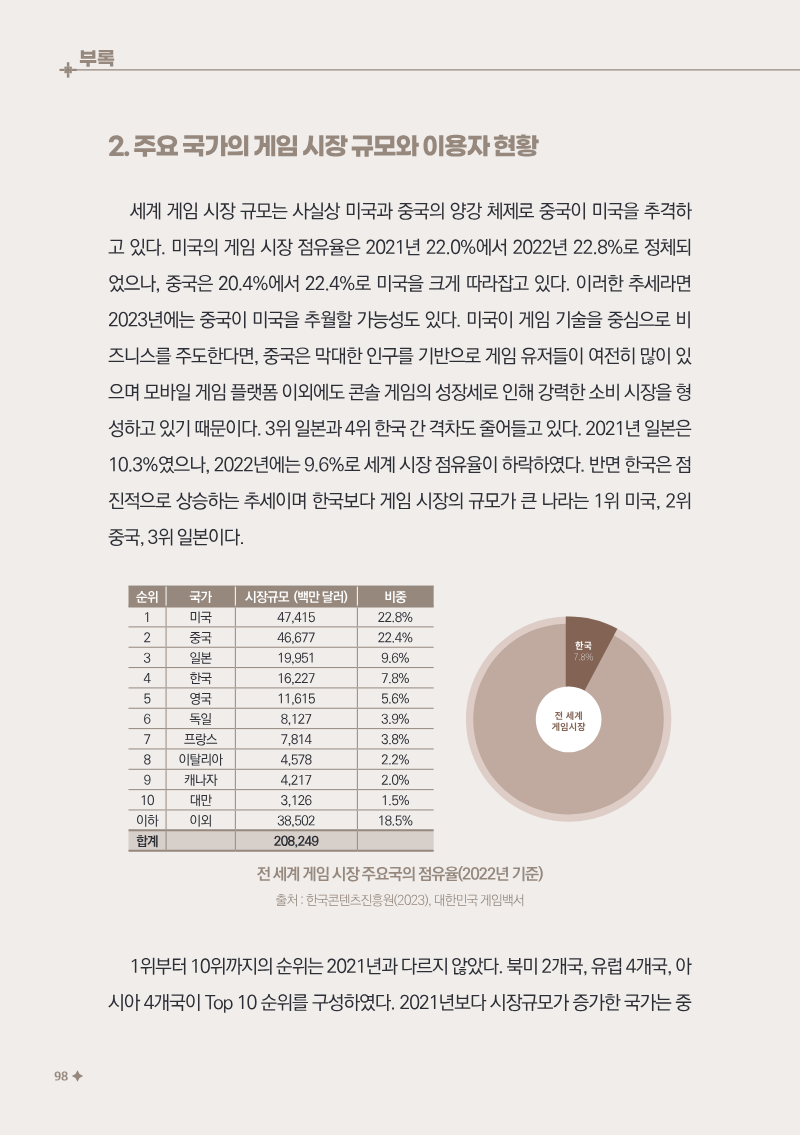
This contributes to a global market where the United States and China form a duopoly. Gaming has evolved beyond entertainment to become a significant cultural and industrial force.
Games have evolved beyond simple entertainment to become a significant cultural, artistic, and industrial force, serving as a primary engine for economic growth. As gaming becomes a universal activity across all age groups, the necessity for comprehensive game literacy education has become paramount. This educational framework aims to foster a critical understanding of game mechanics, promote healthy consumption habits, and maximize the positive potential of gaming through gamification and game-based learning. By equipping individuals with the skills to navigate digital environments safely and creatively, society can better integrate gaming into educational and social structures.
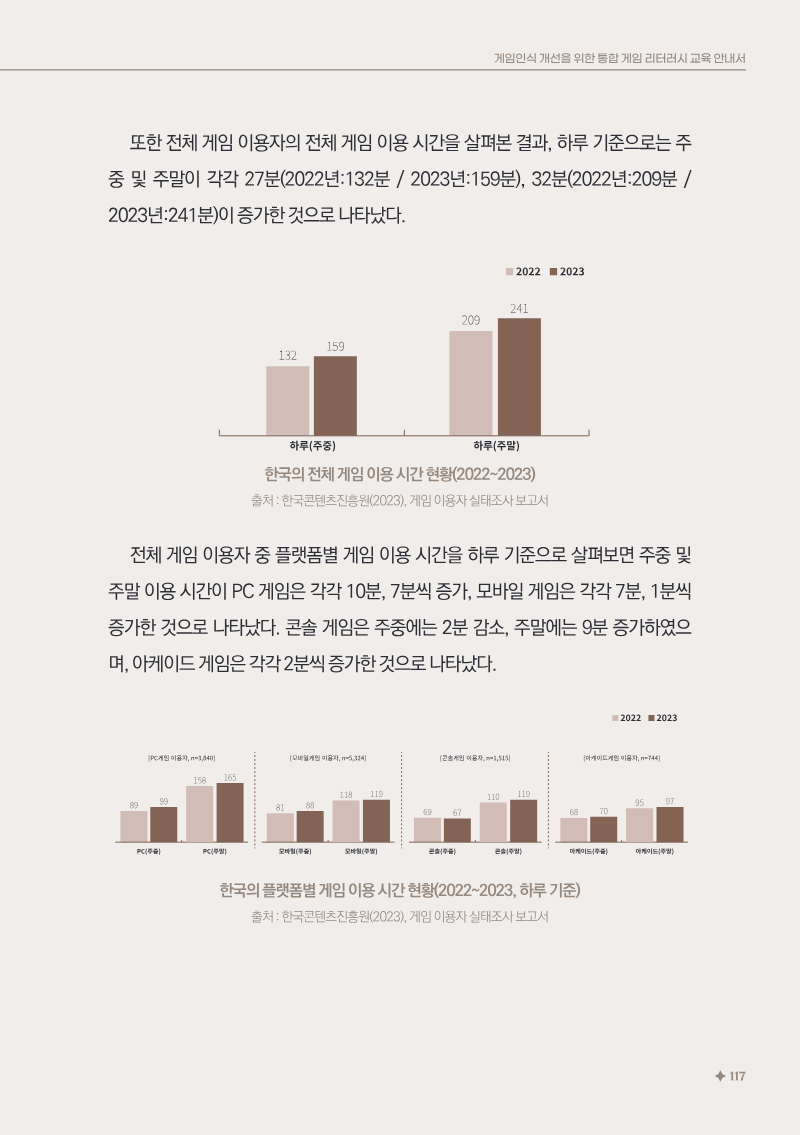
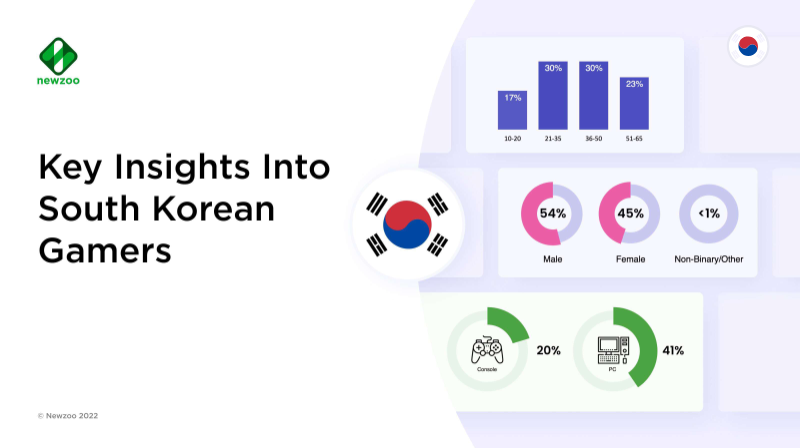
The scope of this initiative is global, with a particular focus on the rapid expansion of the Asian market and the sustained growth of the mobile gaming sector. As of 2022, the global market is characterized by a duopoly between the United States and China, with the South Korean market surpassing 22 trillion won in value. Data indicates that daily average game usage times in Korea have risen across both PC and mobile platforms, reflecting a broader international trend where gaming is increasingly viewed as a core component of media literacy. Countries such as Germany, the United States, Japan, and Australia are actively implementing systematic education and rating classification schemes to manage this growth and encourage responsible engagement.
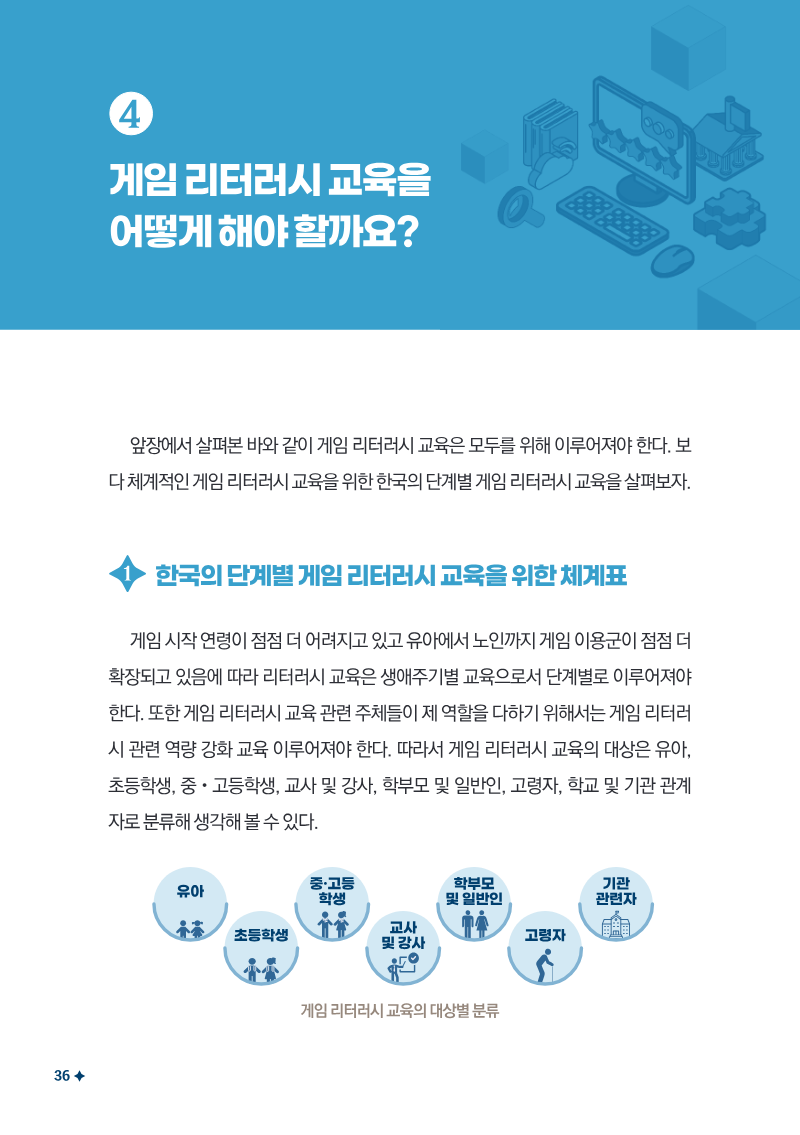
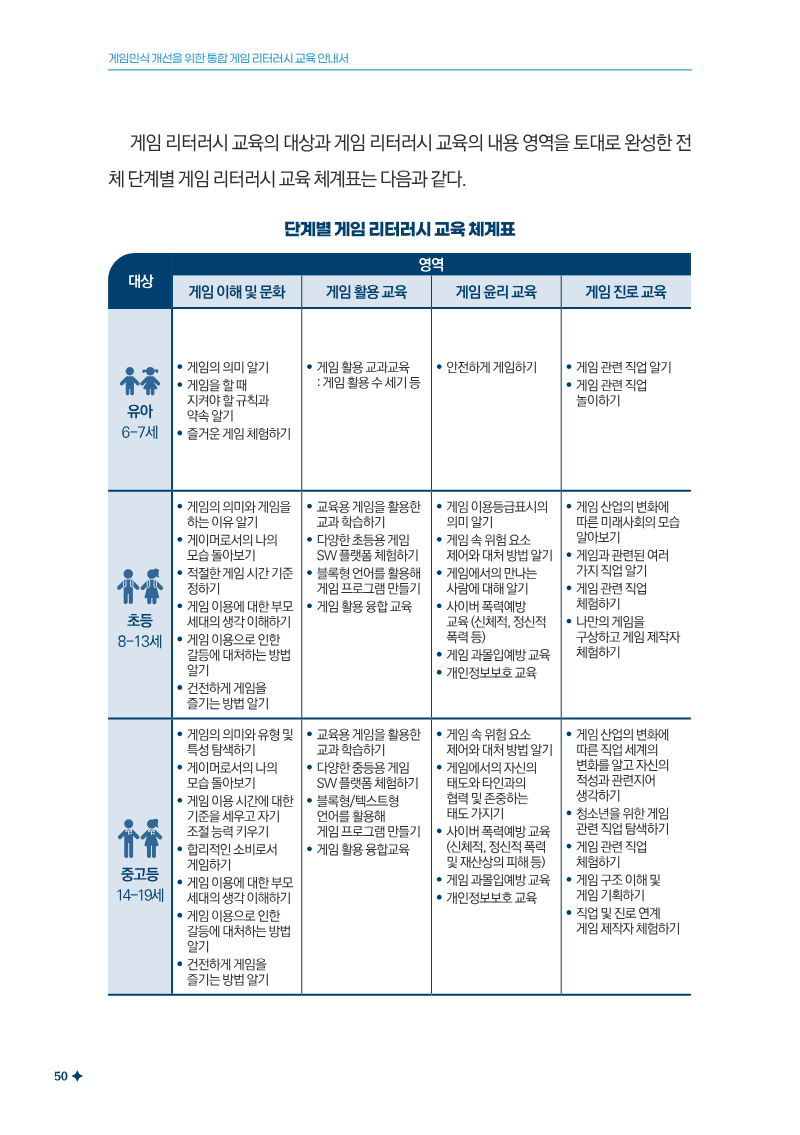
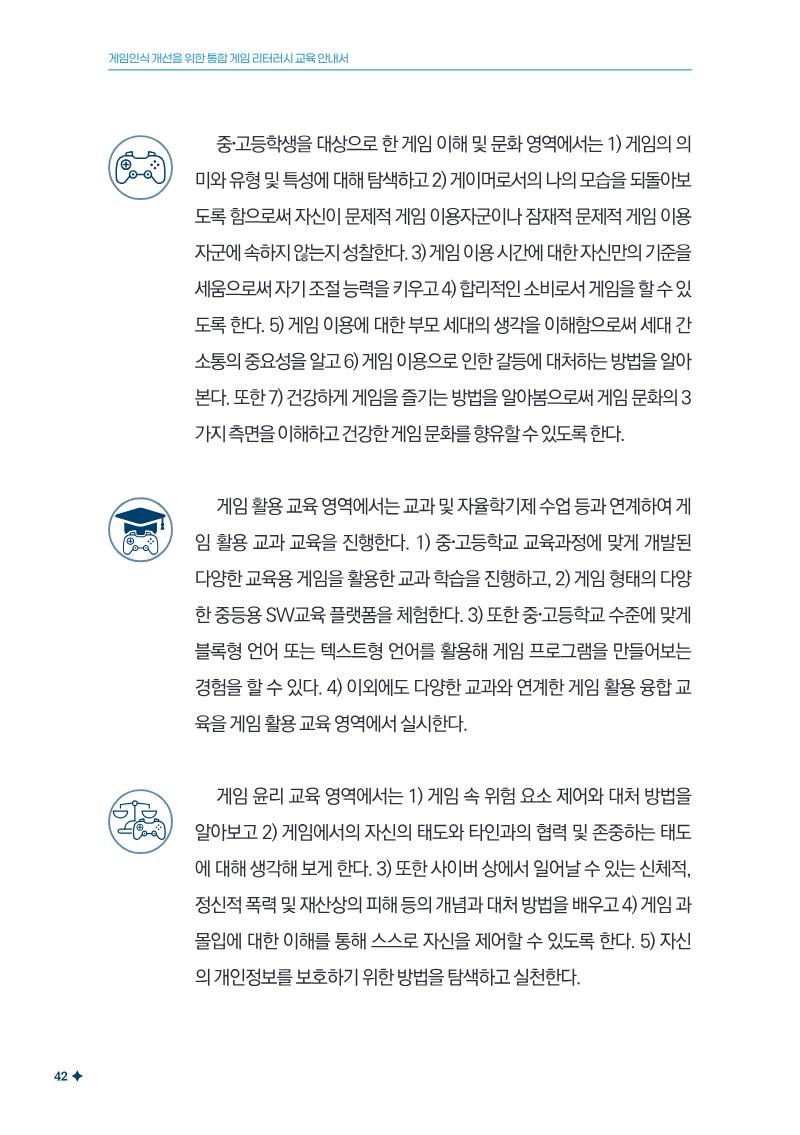
To ensure long-term success, a life-cycle approach to education is essential, targeting everyone from young children to the elderly, as well as parents and educators. This structured curriculum covers game culture, ethical usage, and career exploration, utilizing a spiral learning model for students to progressively build self-regulation and professional skills. By fostering cooperation between educational stakeholders and aligning these programs with international standards for game classification and safety, the industry can effectively mitigate risks like cyberbullying while promoting gaming as a tool for social development and family communication.
NEXON Co. · 2026
NEXON Co. · 2026
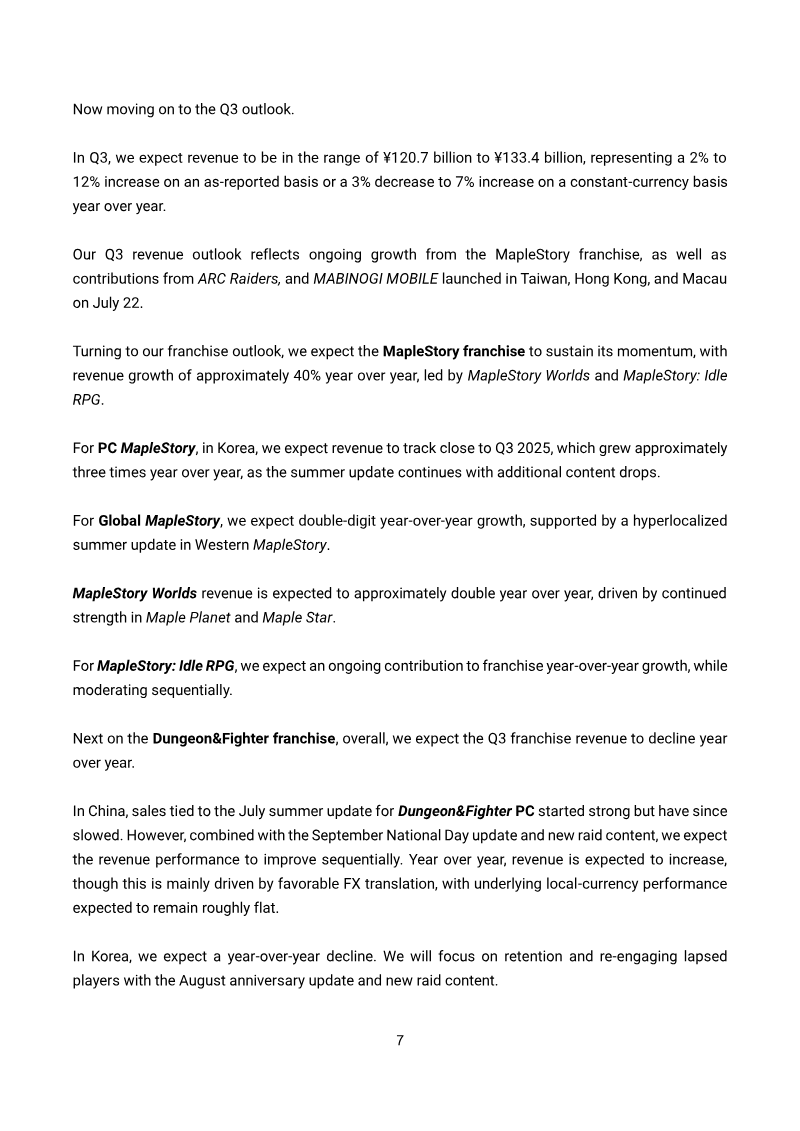
NEXON Co. · 2026
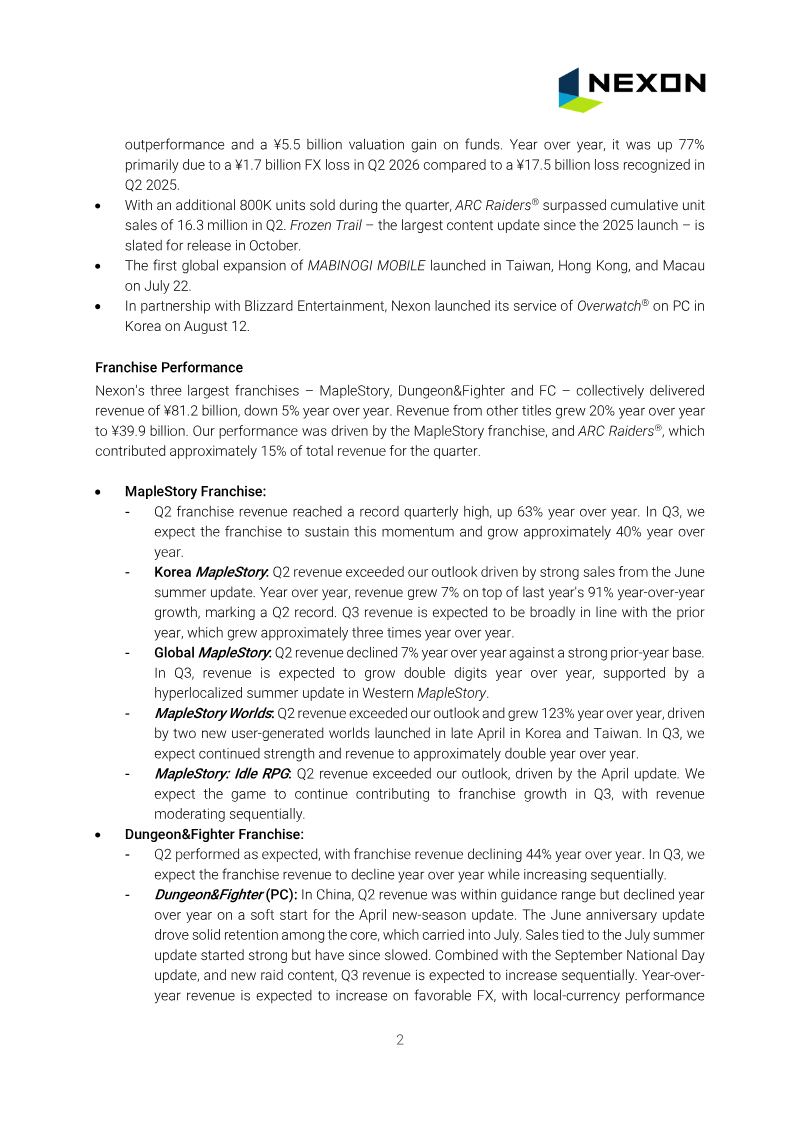
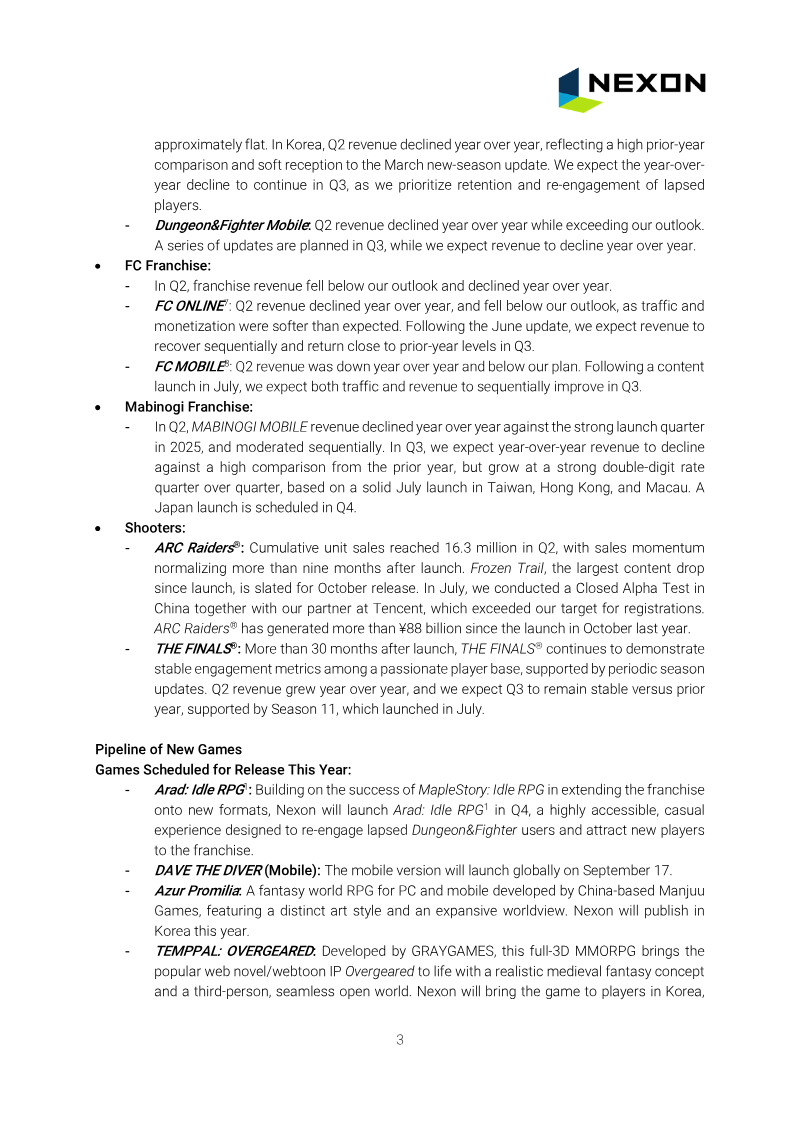
NEXON Co. · 2026
NEXON Co. · 2026
NEXON Co. · 2026
NEXON Co. · 2026
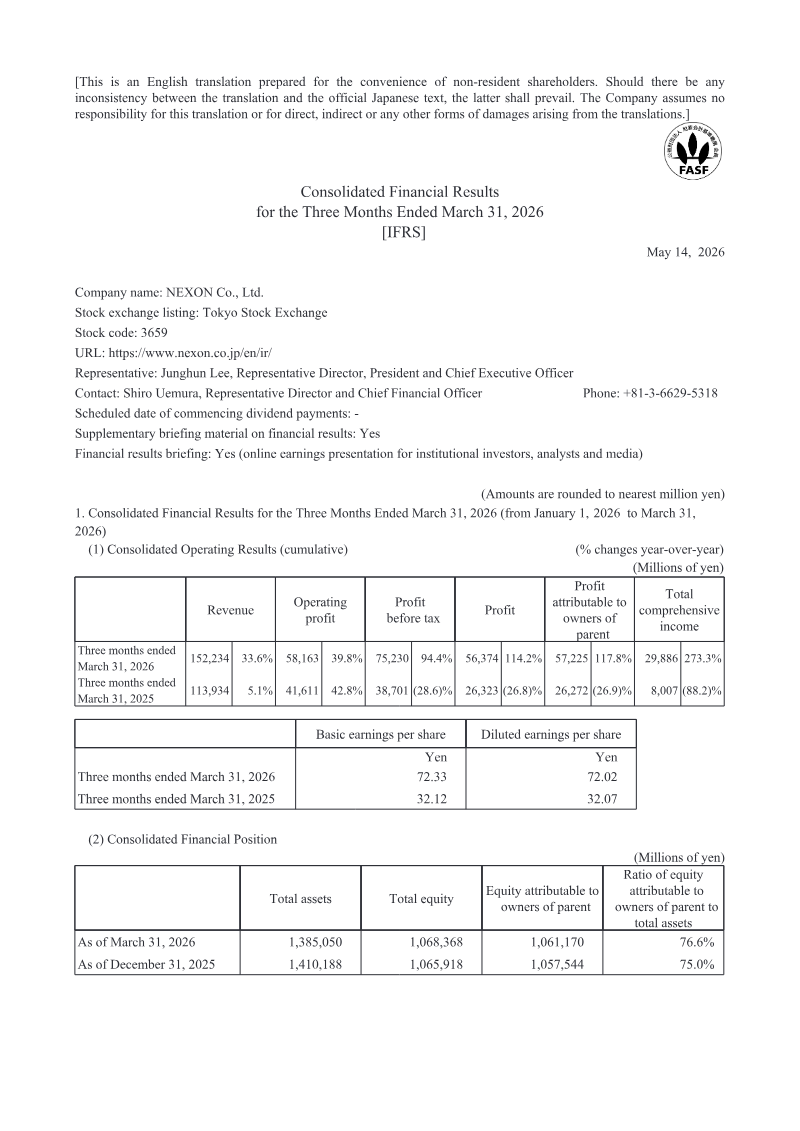
NEXON Co. · 2026
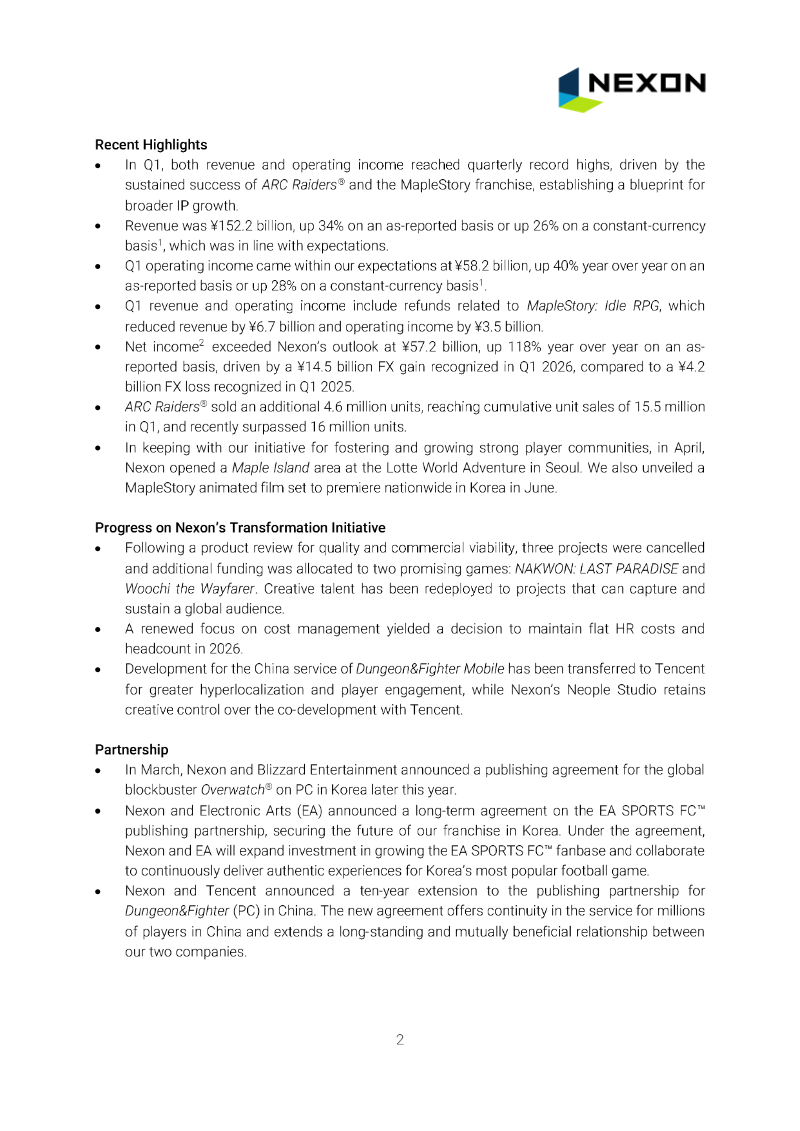
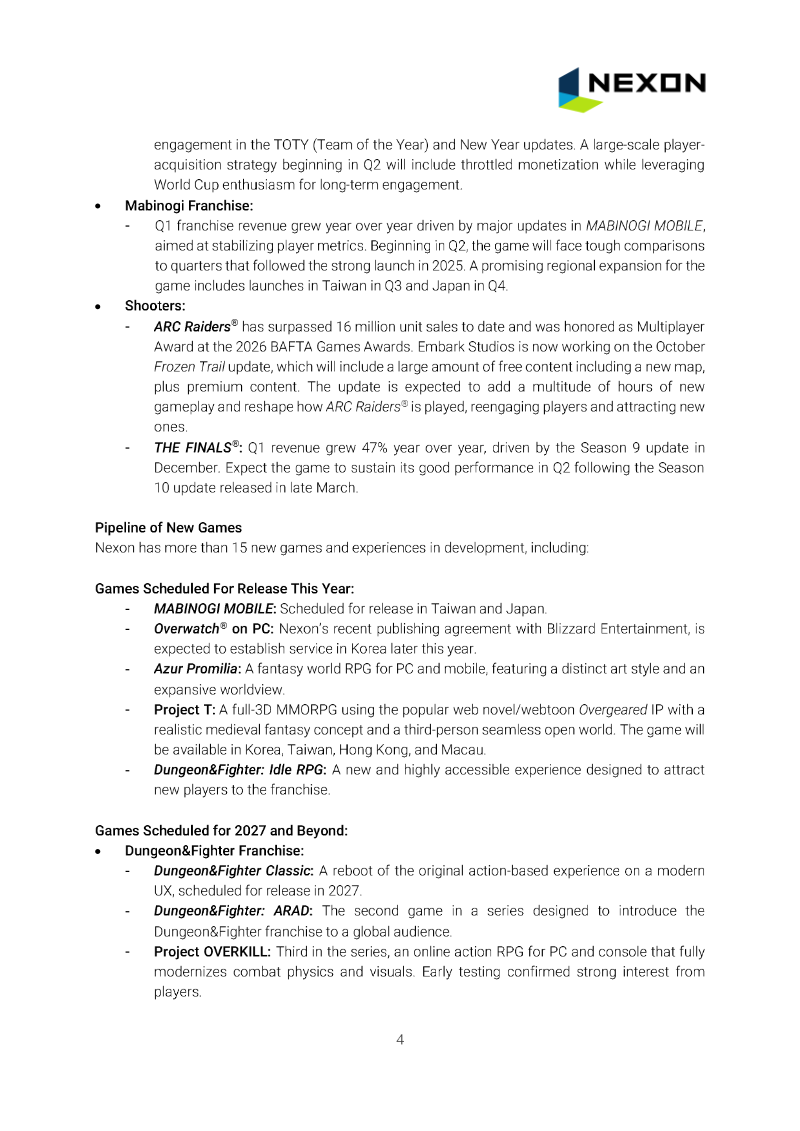
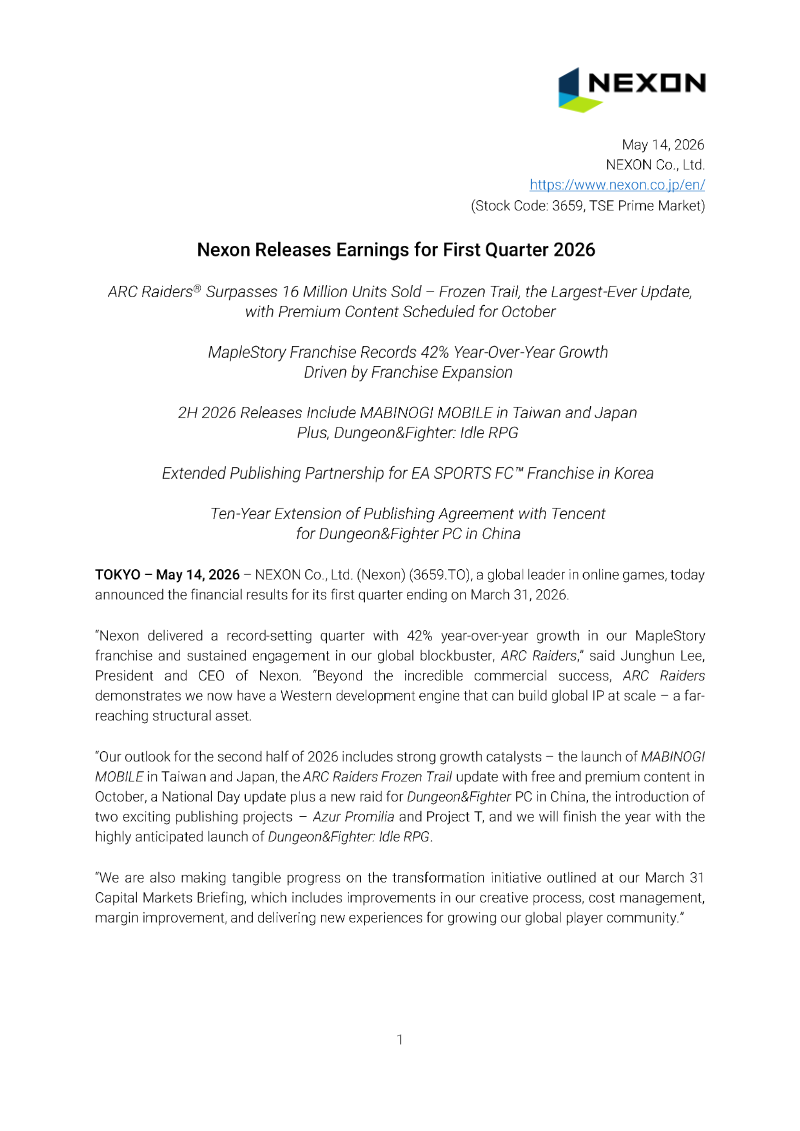
NEXON Co. · 2026
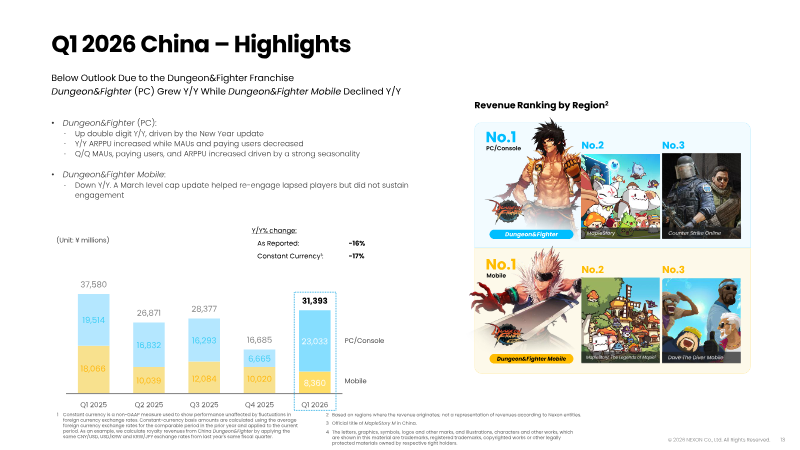
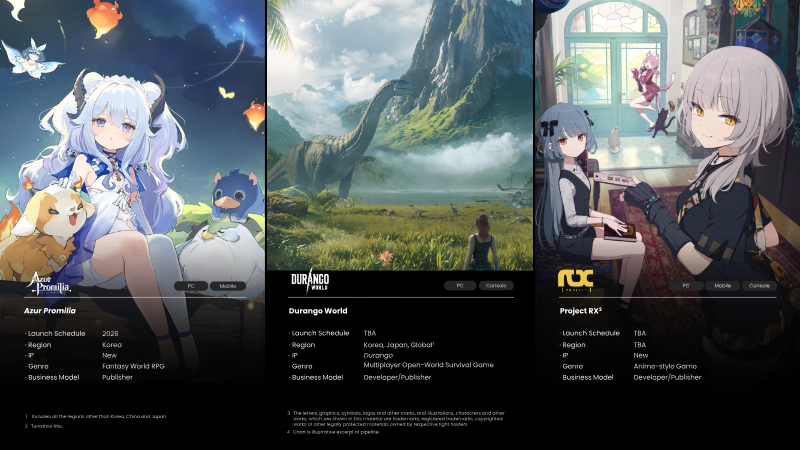
NEXON Co. · 2026
NEXON Co. · 2026
NEXON Co. · 2026
Korea Creative Content Agency · 2025