1 free read left. Create a free account for unlimited reading + AI research.
Create free accountArticle Hit Points
1 free read left. Create a free account for unlimited reading + AI research.
Create free accountArticleHit Points
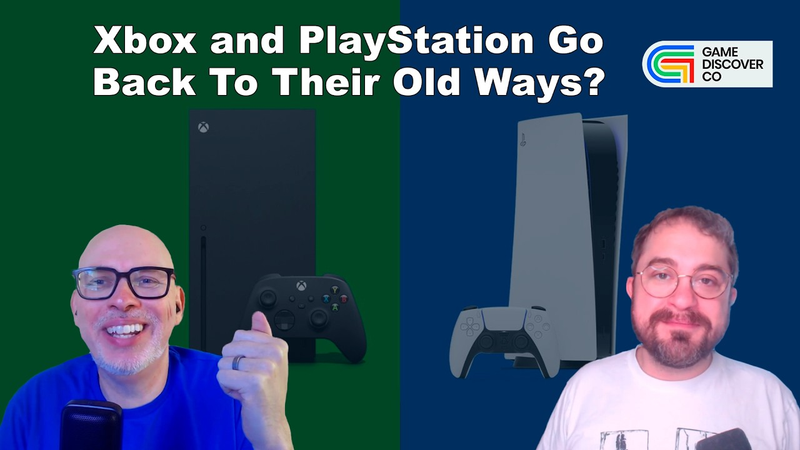
The delay of Bethesda’s Starfield and Redfall from 2022 to the first half of 2023 highlights a significant shift in the development expectations for Microsoft’s first-party studios. While the postponement is framed as a commitment to quality and polish, it places substantial pressure on Bethesda, a studio historically associated with technical instability and reliance on post-launch community fixes. This move reflects a broader trend where Microsoft’s acquisition strategy and the Game Pass model provide a financial safety net, allowing developers to prioritize development time over rigid, market-driven release windows.
The delay leaves the Xbox Game Pass library for 2022 appearing thin, as Starfield was positioned as the primary first-party anchor for the year. Without this major title, Microsoft faces a challenge in maintaining the momentum of its first-party output, which currently struggles to match the strength of its third-party catalog. While the subscription model unhooks the company from traditional seasonal sales cycles, the lack of high-profile, internal releases risks testing consumer patience regarding the long-term value of Microsoft’s massive investment in its studio network.
Beyond the immediate impact on Xbox, the industry landscape remains volatile, characterized by ongoing corporate controversies, shifting investment trends, and consolidation. Notable developments include internal friction at Sony regarding executive communication, continued publisher interest in blockchain and NFT integration despite market skepticism, and ongoing structural changes at major studios like EA and Criterion. These events underscore a period of transition for the gaming sector, where the promise of long-term stability through subscription services and acquisitions is currently being weighed against the immediate need for consistent, high-quality software releases.
Hit Points · 2026
Hit Points · 2026

Hit Points · 2026
Hit Points · 2026

Hit Points · 2026

Hit Points · 2026

Hit Points · 2026
Hit Points · 2026
Hit Points · 2026
Hit Points · 2026
Hit Points · 2026
Hit Points · 2026