1 free read left. Create a free account for unlimited reading + AI research.
Create free account
10 key trends shaking up the mobile games market in 2015
Key insights
7 takeaways- 01Smaller developers are increasingly pivoting toward paid game models to avoid the resource-heavy update requirements of the games-as-a-service model.
- 02Free-to-play developers face mounting pressure from international regulators regarding aggressive monetization practices and the protection of minors.
- 03High user acquisition costs have created a significant barrier to entry, allowing well-funded companies like Supercell and King to dominate top-grossing charts through massive advertising and television campaigns.
- 04Emerging markets in Southeast Asia, India, and Indonesia are becoming critical growth areas due to the rapid proliferation of affordable Android devices.
- 05To combat high acquisition costs, studios are increasingly utilizing celebrity endorsements and established intellectual property to drive player engagement and lower marketing spend.
- 06German developers are successfully transitioning their expertise from the PC browser market to mobile, while traditional hubs like Finland face an increasingly difficult competitive landscape.
- 07The industry is shifting toward a platform-agnostic development model, prioritizing cross-platform reach over hardware-specific optimization to consolidate global market presence.
Ask AI about this video
Transcript
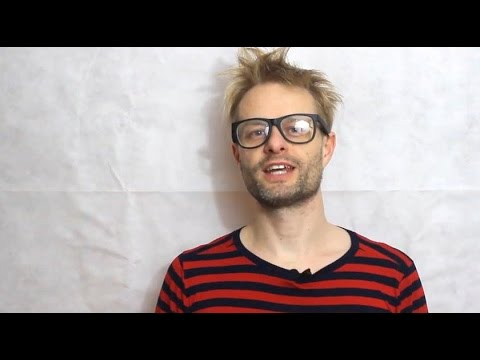
[Music] [Applause] [Music] Hi, this is John Jordan, pocket gamer.biz, and we're just going to go through some of the key trends that are affected games in 2014 are going to be impacting the industry in 2015. First one, return of paid. So, as we all know, paid games have been coming back in um in quite significant way. Uh we've seen particularly uh recently with with us two's monument valley um which has done about six million dollars of of revenue particularly on iOS um we're particularly seeing with with Apple it's um as as a curated platform it seems to be focusing more heavily on small indie developers who are doing paid games it just seems to be a tendency of the kind of stuff that's being featured and equally for the smaller indies who fail to do the big freeto-play games that are games as a service need to be updated pretty much um at least once a week um they just don't have the big teams and the big services and the big data analys to do that. So, we're seeing a big kind of recoiling of these smaller, certainly smaller than 10-man teams who are going
back to really kind of console days. They're going back to making small, highly polished, paid for content, and they're seeing a reaction to that from the audience, particularly in terms of the more hardcore gaming audience who've never liked freeto play um and just want the kind of quality expectation they have when they have a paid game. Trend number two, demonization of free-to-play games. So 2014 we kind of expected that everyone would agree that freeto play is if not the best way of playing games certainly one of the best ways of playing games. Um that completely didn't happen. Um not only did we see a backlash from the hardcore guys who continue to hate freeto-play games. We also started to see a backlash from regulators um government governmental agencies all all the way around the world. We had kind of seen this previously in 2013 in Japan where they brought in some laws about how much you could charge miners in freeto play games. But we thought the Japanese market was a bit different, a bit special, wouldn't really affect anywhere else. What we've seen in 2014 is in Europe, in the US, and in the UK um kind of regulators looking at looking looking at the free-to-play model um trying to put some kind of legal framework over it. Um there not to date been hard kind
of laws changed, but there certainly been recommendations about how much you should um kind of uh monetize certain levels. There's even been some hilarious things where people have suggested um certain games um had too long a kind of waiting kind of gating times, notably EA's Dungeon Keeper, which um was hilarious if governments want to get involved in game design, but that's the way it is. But the whole the whole thing is that we're kind of seeing these two kind of kind of double prong attacks really on freeto play. We're seeing it still from a certain level of gamers who um don't dislike dislike the kind of design of freeto-play games. Um and we're seeing a kind of backlash of people who are kind of I guess a bit more societ society worried about um people spending a lot of money and I guess we'll see a lot more people um erroneously in my opinion um comparing freeto-play game with gambling. Um so free to play games win out in the end clearly in terms of the amount of revenue going through them freeto play games have won the audience. I guess the big thing ongoing that will kind of kick up another fuss potentially in 2015 is um how steam operates with in freeto play. There are free to play games on Steam, but if that market goes heavily
free to play in the way that the app stores have done, um I think we're going to see even more of a backlash. The third trend is user acquisition. So this horrible term we all use, UA. Um so with UA clearly there's a lot of stuff going on, but basically all that means is um advertising really. It's a it's a more kind of performance advertising way of getting users. For mobile games, that's been about buying users um in various advertising manner. Um what we've kind of seen with with user acquisition is as we kind of expect in for the key markets it's got more expensive as more companies are trying to compete for those users. Um what we've kind of seen though in 2014 is the key winners in this freeto-play market. So the supercell, the kings, the gung-ho, the machine zones, they just have so much money they can they can basically outbid anyone um for for the kind of key audiences. Um, so we kind of had this kind of uh everyone unless you're one of these big kind of companies who really can spend a you're kind of looking at at least half a million dollars to spend if you want to have any impact really. Um, so most companies clearly can't do that. So in
some ways we're kind of seeing user acquisition um kind of become useless to most people. In some ways that's kind of driving more extreme user acquisition. So we're seeing a lot of these companies now at the top end we're seeing um kind of big TV ad campaigns. So we saw that um from a company called UKool in in America with their game. We've seen it clearly from King. We've seen it from Supercell. Um we see it in some markets more than others. Korea is very big um TV market. I think we'll see it generally in all western markets. We're going to see more kind of a TV advertising of of of mobile games. In some other ways, um user edition isn't a bad thing in its own right. If you can find the right market, it's a clear way of you spend a certain amount of money, maybe $2 or $3, um and you get a download. What you do with that download is then up to your game design. Um in some ways, it's become very commoditized as well. So with the rise of Facebook, which probably takes about a third of user acquisition money at the moment for games um that that's just if you have half a million pounds to spend um then you can spend it in a quite effective way and that's good for your business. Um clearly for the people who can't do that, we're seeing a kind of recall partly that's um has helped the rise of paid games which have a different kind
of um kind of advertising option that um particularly we're seeing lots of people talking about Twitter now. Will Twitter become as powerful as Facebook? um it's not as big an audience, but it's um kind of in some ways more powerful, more mobile, more now as some people describe it. And we're kind of seeing kind of other clever ways. So obviously YouTube has obviously been a big thing for a long time, but the kind of rise of the YouTubers um we're kind of seeing a lot of kind of advertising dollars and creativity more than advertising dollars going into that. So um so the Finnish company seriously did a big quite big deal, have done quite a few big deals, not not in monetary terms, but for their game u best fiends and they've had a quite big impact on that. So I think we'll see more creative uses of of the social media. So our fourth trend is my little joke of being stasis not moving. So clearly what we've seen in 2014 is not much movement at the very top of the top grossing chart. Partly that's just an economic outcome of those games making so much money now they can then spend so much more money attracting the new generation of gamers that no one else can can get a look in. there's just
no one has deep enough pockets um because you can generate so much money at the top grossing charts now. Um kind of famously of the top 10 top grossing games at the end of 2014, seven of them are also the top grossing games in 2013. Um and the ones that kind of had changed were kind of like kind of sequels or or so we had Candy Crush Saga and Candy Crush Soda Saga which is kind of effectively a sister app. That's how King call it. I mean that was now a top grossing game but that's kind of riding on the coattails. Um there have been a few others which we'll talk about in our later trends piece, but basically it's very hard to break into that real kind of top of of the charts. Um and this is causes a problem for people. Um and it in some it's not a bad thing um because it forces people to think about other ways of how they kind of uh kind of find success in the games. Maybe the top grossing iPhone games market is not something to look at. Maybe you need to look at other um other kind of platforms. Maybe you need to look at other markets. Obviously the US market is fairly static. most of the European markets have been fairly static but um maybe some of the smaller markets so maybe the Vietnamese market or the
Indian market or the Indonesian market are not very static um but it's kind of in general the stasis is kind of generally seen as a bad thing because just nothing's changing so um but maybe in the end we just need to stop looking at the top grossing chart we need to start thinking of other ways of discovery so um I guess with all things in the world wherever there's a a problem it causes strengths and weaknesses and and the most creative people will use the uh take on the weaknesses to create their own strengths So our fifth trend is [Applause] dynamism. Um so following on from a fourth trend that was that was stasis. Um it's kind of like a glass half full situation. It's the other side of the coin. Wherever you see a market that's static, the mobile games industry is just never static. There's just so much going on. There's so much global reach. There's so many new companies coming in. There's so much growth going on that nothing ever is static over the entirety of the market. So clearly um we have markets uh geographical markets that are growing very fast. So the Chinese market still grew maybe like 90% in 2014 that will still grow 50% in 2015. We have
markets that are kind of really nient. So kind of India it's often used an example Indonesia similar and a lot of Southeast Asia so Vietnam Philippines I mean these are very large population groups that um you know they're kind of they're following the trend um a couple years behind everyone else finally getting smart phones a lot of Android phones going in there. cheap Android phones, sure, and and the obviously the population is not rich in the way that the easter the western European market is rich, but there's just a lot of people out there who haven't really played mobile games yet. So, there's going to be a lot of kind of dynamism in that. And clearly, even for for Western developers, um we might think you're not going to have the big freeto-play hit now, but um virtual reality is clearly going to be a trend whether it's a big hit in 2015, maybe 2016. Wearables, another lots of question marks, maybe it will go nowhere, but there's always lots of new kind of markets. There's always new technology coming in. There's always new ways of making uh games for some sort of computing hardware. And even in terms of trends, we can kind of say, you know, match three and Clash of Clan type clones, those strategy games kind of overdone a little bit. Well, massly overdone. But what's the next new thing
to come out? You know, will someone finally make a MOA stick? Will a hybrid MOA come out? Well, there's lots of different genres and you only need to be have a few people kind of breaking into that market and suddenly your next big thing. When you just have a global audience of billions of people playing games, the next Flappy Bird is always around the corner. Our sixth trend is kind of going is a kind of a contradictory one I guess. So in some ways we have a global village now. In some ways it's the whole Marshall McLuhan thing. The whole the whole world is closed into one kind of location where everyone kind of can see what's going on. And certainly when it comes to app stores um with the exception of perhaps China, pretty much anything that's on the Google Play and on on the Apple App Store is pretty much going to all territories. So you can have a hit that suddenly goes virally globally. I mean Flappy Birds is the obvious example. Um and suddenly this this kind of like mass audience can be engaged very very quickly. Similarly we have this kind of like thinking local things. So exact opposite even though most games
can be available globally. Most audiences um certainly not necessarily nationality audience but certainly cultural audiences have are very kind of keenly kind of attuned to what kind of content they like. So you maybe some games maybe a Clash of Clans that has a lot of advertising money or or a Candy Crush saga maybe they those can be marketed universally in the same way that Disney can be marketed marketedly universally but for most markets and certainly when we see in Asia so certainly for China, Japan and Korea those markets are heavily focused from um local content. So it's local developers, local publishers coming up with certain gaming styles that are different coming up with certain brands that are different. And I kind of can I kind of guess we're going to see every every year certainly 2015 we're going to see kind of a conflict between this kind of you can address every market any developer anywhere in the world can be addressed any market but equally the most lucrative markets are going to be probably niche markets partly because you don't have to pay so much in terms of user acquisition to uh engage with those markets. So our seventh trend is the power of Kardashian. obviously just not the power of Kardashian, the power of brands really, but uh the best exampler of uh
of how brands have kind of really um worked with the mobile gaming audience is kind of the slightly peculiar in many ways before before the event um kind of Kim Kardashian game from glue. So certainly I had only the slightest of opinion of who Kim Kardashian was before I started playing the game. Um, and um, after about a year of playing it every day, I don't necessarily know why Kim Kardashian is famous, but certainly I know a bit more about her and her family and her manager and her mom and all that kind of crazy stuff. Um, why is this interesting? Well, famously now, Glue pretty much had a game called um, Stardom Hollywood um, which didn't go anywhere. Didn't have any any celebrities in it. Didn't have any brands in it. Basically reskinned it, put Kim Kim Kardashian in it um, and it worked really well. So, it's clearly not the gameplay that's engaging people. It's the fact that Kim Kardashian was a very obvious um brand. So people see a game who are Kim Kim Kardashian fans, they see it in the app store, they download it, they talk to their friends. So people like me who don't know really who Kim Kardashian is. See everyone's playing Kim Kardashian. Oh, I'll try that game out. See, see if I like it. So kind of brands clearly are good in terms
of getting users. There's a kind of argument about whether brands um mean you have to spend less on user acquisition. There's um a lot of people who kind of work with movies tend to say while um working with a brand will get you more users, you still have to do the user acquisition to kind of and you just get more effect. So you can't sometimes go I'm going to buy a brand and then not do any marketing on it. That's not how it works. Kind of more subtly actually talking to um Gabam who like Lou are doing a lot of licensing deals with movies. Um they kind of say a brand often gives you a wider audience but also a more engaged audience than you get. um they have a game for the Hunger Games film and it's a quite a hardcore kind of card battling game. Um and I'm sure a lot of that audience wouldn't really engage with card battling games other than the fact it has Jennifer Lawrence on the on the icon. So we kind of see brands as as a way of uh both kind of overcoming the cost of user acquisition and and a way of kind of leveraging user acquisition as well. Um, it's the other thing quickly to mention is brands are kind of interesting, but it people aren't really licensing movie brands in the same way as they did before because
Games are as a service now. And the way Kim Kardashian works really well is Kim Kardashian is a life person. She is a celebrity. She's always doing stuff. You can follow Kim Kardashian on Twitter and she's going to get married, she's going to have a kid, she's going to maybe now have another kid and get divorced or whatever whatever happens in her life will be to some degree reflected in the game. So by by partnering with a real life celebrity they glue have basically now have their game as a service which is attached to a person as a service which is effectively what a a celebrity is. And so you have this kind of incredible synergy of anything she does in the real world can then feed back into the game. So the eighth trend is whatever happened to publishers 2.0. So publishers 2.0 is a bit of a kind of a a term I mean not necessarily I invented but a term that we spoke about a lot on pocketame.biz. So we had publishers in the in the retail model. We knew what publishers did and they had money. They could get your game onto shelf space at the Christmas the keep periods. Um there was a lot of argument between developers about whether publishers did anything else. They obviously did PR, they did marketing, they maybe did some um kind of QA, but a lot of that stuff um wasn't wasn't seem to be being very useful in
the kind of the the digital world. In the mobile world, the initial reaction was we don't need publishers anymore. We can make our game, put it on the app store and and job done. Clearly now that's not the case. Um people still need money. So publishers can provide money but other people can provide money as well. Um but the idea of publishers 2.0 were they weren't publishing in the same way they were perhaps providing niche services. And sometimes we're kind of seeing that now with a company like Tilting Point which don't even publish the game. So if you're a developer who work with them and they won't put their name on the app store your name will go on it but they'll provide certain services a lot of data maybe some money maybe some user acquisition. Um that's kind of a smart way of working. Interestingly particularly for Tilting Point they've kind of finessed their model a little bit. So they will do some publishing now as well cuz sometimes it's better for them to have they have bit of kind of um kind of relationships with Apple and Google. Uh so maybe that they can kind of leverage a bit of that publishing. Um so you're kind of seeing maybe you're seeing publishers 2.5 kind of come back in now. But equally you're seeing lots of crazy people become publishers. So um people who do a lot of marketing. So a company called Fixu who
do user acquisition. They're getting back into the publishing game. You have traditional publishers doing publishing like they always did before. And then you have some kind of developers who were developers been really successful um and they kind of become publishers as well. So a good example of that is Creative Mobile in Lithuania in Lithuania, excuse me, in Estonia. Um so they've been very successful on Android uh with some of their racing games and now they're kind of publishing games under their own license. So I think publishing is always there quite what we call those kind of companies is probably um probably a moot point. So ninth trend it's kind of split in two ways. So, one, Germany on the rise, feeling on the decline. Well, who knows? Um, maybe slightly kind of weird trends. Um, countries clearly are not on the decline. What we're looking at is kind of like um the performance of companies within those within those countries. So, clearly Finland has been at the at the forefront certainly in North America and Western Europe of mobile games. We had Roio the biggest mobile company to to to come out of the initial app store followed by Supercell again the biggest
company in the west to come out of the app store. Both of those happen to be based in Helsinki. Um since then we've seen kind of Finland um partly because it has had those successes partly because it's built up these big companies and certainly some of them like ROI have started to kind of shed jobs. You start to have kind of like the effect that people who understand the market very well do their own startups because they've been successful they get funding. So particularly in Finland, we've seen a lot of startups understand freeto play very well, understand brands very well, setting up their their studios and getting, you know, fairly substantial sums of money, you know, five $5 million, you know, some up to $10 million to to build the next generation. So almost infinity seeing the on the third generation of mobile games companies. You could argue the fourth perhaps. Um I guess the interesting thing is we've seen some of those companies release some games in 2014 and those games haven't really caught the market. They've not been successful. Obviously, it's very hard to make a freeto- play hit. most of the games that released in the free-to-play mobile games market will not be successful. This is not a a criticism per se of Finland. But I think it's interesting that it's a country that has been seen as being the kind of heartland of mobile games and now we're seeing all we're seeing is that it's very hard to
make successful mobile games now whether you're in Finland or in the UK or in Japan or anywhere. Um so this is a slightly journalistic kind of creation but I think interesting to watch nevertheless. So Germany on the rise. I guess what's interesting Germany. Germany always got freetoplay games. Germany was massive massive in PC browser games. Um, and for the initial initial generation of mo freeto-play mobile games, just those companies just couldn't reinvent themselves. They couldn't kind of work out what the differences between browser games were in mobile games. And there's a massive difference. There's a difference in terms of how long people play. There's a difference in terms of how you find that audience. There's different in terms of the type of games that people want to consume on those platforms. Um, we've finally seen now, I think in 2014, a good rise of ger German companies. So again, it's maybe startups, it's maybe people coming out of Big Point. It's people coming out of of Game Forge, setting up new companies, getting new funding, going through a couple of kind of iterations of their own games. Um, and now coming out and doing, uh, you know, proving they can do free to play games. So Flare Games, I guess, are the prime example of a company that came um, its founders came out of an existing browser based game company set up just
do mobile games and and they seem to be very well, we say very successful, they seem to be doing pretty well at the moment. We'll see how they get on this year. And similarly, we've seen like a company like Ano Games do very hardcore PC browser games. Taken them a few years, but now they're putting those games on mobile as well. So, a bit more a bit less of a kind of disruptive approach, but they're kind of taking existing content. They've worked out how to kind of change the user, the kind of user interface, and maybe they're just kind of their existing PC players are now playing on mobile as well. But we've kind of seen um you know, those German developers, they were a bit behind everyone else now. Maybe maybe now they're kind of they're kind of rising up. And it'd be interesting to see um how that how those kind of two countries play off play out throughout 2015. UK I don't really think there's been much change now. So UK can do better. We can do better lads. Come on. Okay. So now now to my last trend. Being being a journalist you always have to kind of fit in more than people expect. So my last trend is is is there's loads of trends. There's just you know whenever whenever we say there's 10 trends there's always lots more trends we could put in. So I'm not going to go into detail on these things but clearly there's just so much going on in the mobile market. I think China China is
interesting. My own feeling is we know we understand the Chinese market fairly well now actually it's quite a mature market. It's growing very fast but to many I think within China that growth is now baked in. People kind of know what's going on. The smart Chinese companies are now looking outside China. They're either coming to the west they're looking to Southeast Asia. We kind of have this um we've mentioned social networks a few times. There's loads of social networks particularly on mobile. So there's Kaca, there's Line, there's WeChat, there's Viber, there's WhatsApp, there's Telegraph even. I mean there's just new stuff coming up all the time. how those are interacting with with mobile games is always changing. So we know Line has now done a deal with with Gree to do first party games. We know Kaka's still extremely strong in Korea, but is it becoming less strong? You know what's going to happen with with with WhatsApp? There's um Tango as well. There's all this kind of stuff going there. There's a lot of dynamism in that space, but equally, you know, that some of those things be saturated quite quickly. Other things we've got going on. Smart TV. Is smart TV ever going to go anywhere? Again, there's another push with with with Android TV. Is that going to change anything that we've seen before is Apple ever going to do anything in this space? Um I think the
underlying trend, this is a very boring one. It's kind of thing that makes me happy, but um most other people doesn't. But um consolidation when it comes to companies. So so a merger and acquisition um actually 2014 was actually pretty sizable for the game space. You had some pretty big deals going on there. You had you had Twitch, you had uh Microsoft by Mo um Moyang. Um you had um even kind of stuff with Supercell's shares being kind of sold around. There's a lot of money going on there. I think that could be seen as as nice consolidation. That's kind of like um that's kind of nice acquisition. I think 2015 we're going to see a bit nasty kind of M&A acquisition. We're going to see a lot of companies who had venture funding basically not have proved their business model basically going to get bought for a dollar or something. You know, I think particularly in some of the more kind of bubbly markets like uh particularly China where it's very unclear how valuations of those companies have come about. We're going to see you know kind of um yeah deals we didn't expect to happen. Companies who we thought were quite strong are going to collapse. So, I think there's going to be a lot of kind of interesting news certainly from a geny point of view. And I kind of think there's there's some wider things
as well that aren't necessarily about mobile games. I kind of think we're all a bit surprised about console. Console we kind of expected to be a bit kind of um these generations of consoles to be the kind of like really the last ones. We didn't expect to really see PlayStation, Xbox, PlayStation 4 and Xbox One really find the kind of strength they have, but they still proven. I mean, they're still interesting. Quite is there a next generation of consoles? What's the point of a box with a brand on? The fact that it's a box with a brand on maybe is the most interesting thing. Um, and I I guess kind of um the last thing is how do we is does hardware really matter at all in general? You know, we kind of had things steam boxes. Will Steam boxes happen? What's Steam? You know, Steam's not really a mobile platform, but could it be? Is is Steam going to go free to play? We're kind of seeing actually the rise of in general just the rise of content. So, developers are not mobile developers. They're not PC developers. Games pretty much now go over everywhere. Um, and uh that in its own way is disruptive. [Music] [Applause]
Summary
The mobile gaming industry in 2015 is defined by a complex interplay between established market dominance and emerging creative shifts. A primary trend is the resurgence of paid games, particularly among small, independent teams lacking the resources to maintain the rigorous update schedules required by the games-as-a-service model. Simultaneously, the free-to-play sector faces a dual challenge: persistent criticism from hardcore gamers and increasing scrutiny from international regulators concerned with monetization practices, particularly regarding minors and aggressive gating mechanics.
Market dynamics are heavily influenced by the high cost of user acquisition, which has effectively created a barrier to entry for smaller developers. The top-grossing charts exhibit significant stasis, with a small cohort of well-funded companies—such as Supercell and King—utilizing massive advertising budgets and television campaigns to maintain their positions. This environment has forced smaller studios to seek alternative discovery methods, including leveraging social media influencers and niche platforms. Furthermore, the industry is seeing a rise in the use of celebrity and intellectual property brands, which serve as a dual-purpose tool for lowering acquisition costs and fostering deeper player engagement.
Geographically, the industry is experiencing a shift in power. While Finland has historically been a hub for mobile success, the market is becoming increasingly difficult for all developers regardless of location. Conversely, German developers are finding success by adapting their expertise from the PC browser market to mobile platforms. Emerging markets in Southeast Asia, India, and Indonesia represent significant growth potential due to the proliferation of affordable Android devices. Ultimately, the industry is moving toward a model of platform-agnostic content, where developers prioritize cross-platform reach over traditional hardware-specific development, signaling a broader consolidation of the global gaming landscape.





















Comments