Motion Twin
Company
4 documents in the library are about Motion Twin, from writers such as How To Market A Game, DiGRA and Jason Schreier. Each has a summary and key insights with the page they come from.
Connections
Each row is a game or company named alongside Motion Twin, each column a document, oldest first. A mark means that document names it. Select a row to see those documents.
Documents about Motion Twin
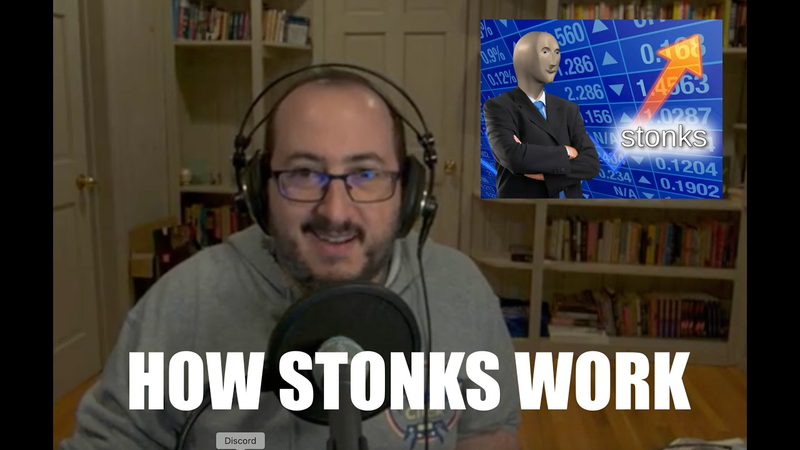
'Shareholder Greed' And How Publicly Traded Companies Actually Work
Publicly traded companies in the video game industry operate under a structural mandate to prioritize growth and shareholder returns, a system often mischaracterized as mere corporate greed.
- Publicly traded companies are legally bound by fiduciary duty to maximize profits for shareholders, which mandates a constant focus on growth and quarterly earnings performance rather than individual creative or product-based decision-making.
- Privately owned studios like Larian (creators of Baldur's Gate 3) have a competitive advantage in risk-taking because they are not beholden to public market expectations, allowing them to pursue unconventional development cycles like multi-year early access.
- The 'greedy' behavior often attributed to gaming executives is a systemic output of the public market structure, where institutional investors—including pension funds and retail 401k holders—demand consistent annual returns of 7% to 10% or higher.
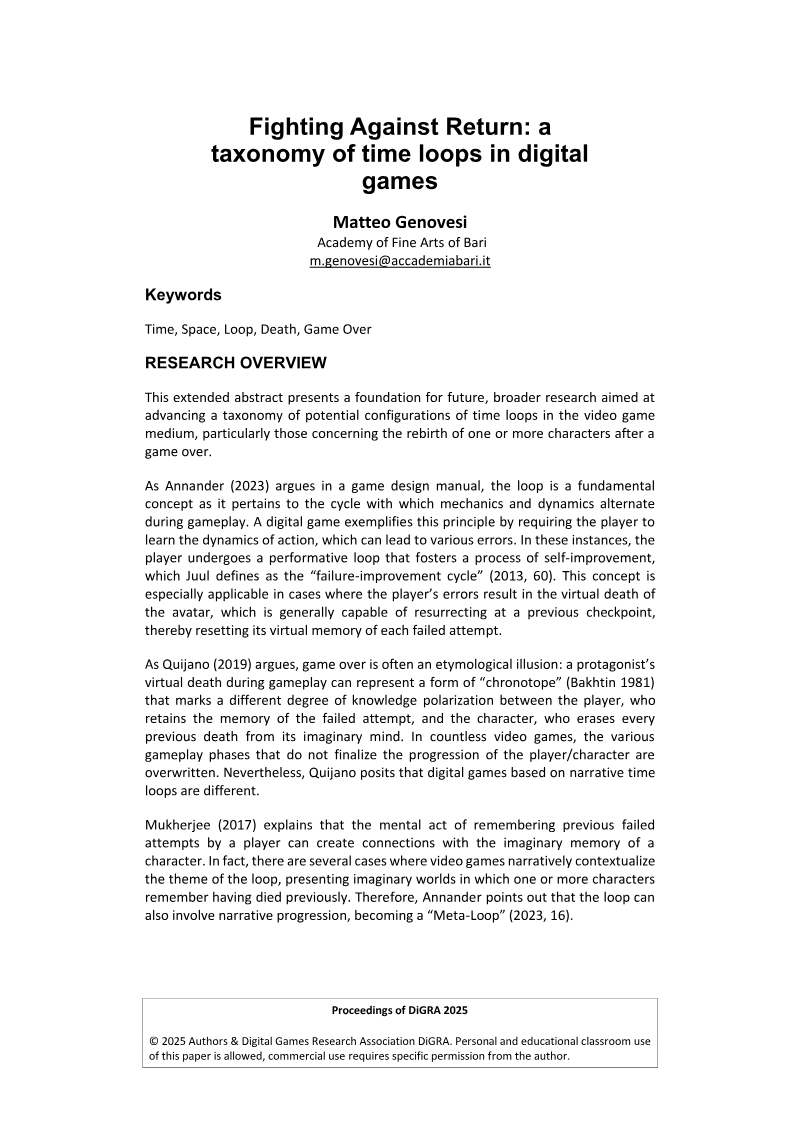
Fighting Against Return: A Taxonomy of Time Loops in Digital Games
This research outlines a foundational taxonomy for time loops in digital games, specifically focusing on instances where character rebirth occurs after a "game over" state.
- The report proposes a taxonomy of time loop configurations in digital games, focused on how characters are reborn after a game over, and argues that loops are a foundational structure of play.
- It links Juul's 'failure-improvement cycle' to narrative cases where the character forgets previous deaths while the player remembers, and introduces the term 'Meta-Loop' for loops that extend from mechanical repetition into narrative progression.
- The author argues that the implementation of loops is inseparable from the navigable spaces players traverse.
The Best Slides I Saw at GDC 2019
A curated roundup of standout presentation slides from GDC 2019, this blog post distills practical marketing and business lessons for indie developers from the conference's discoverability-focused and business sessions.
- Modern game sales have shifted from a launch-day peak model to a 'long burn' trajectory, where revenue growth in the second month can significantly outperform initial launch week figures compared to 2014 trends.
- Developers should utilize lead magnets, such as offering free content in exchange for email addresses, to effectively build mailing lists and drive marketing spikes.
- When pitching to platforms like Steam or Sony, developers must engage with two distinct internal departments: the Content team, which evaluates game quality, and the Promotion team, which handles store marketing.
Decorticating Dead Cells: A Business and Marketing Deep Dive
Steve Filby's GDC 2019 talk on Motion Twin's roguelike-metroidvania Dead Cells lays out the business and marketing approach behind the game's Early Access success, as captured in a set of attendee notes.
- The development of Dead Cells cost approximately $800,000, with the team allocating $70,000 toward events and $50,000 for a trailer that primarily served to facilitate press coverage rather than drive direct sales.
- Competitive analysis should involve playing all games within a genre and using tools like NoScope or Social Blade to track viewership trends and identify key features like modular design and late-game content.
- Early Access strategy requires transparency regarding development timelines and a focus on building community rapport by explicitly highlighting how player feedback has influenced game updates.
