indie
CompanyUnited States
Documents about indie
4 Sound Styles in 1 Day??? (Fail)
The process of establishing a cohesive audio identity for an indie game requires focused iteration rather than rapid, multi-directional experimentation.
- Attempting to develop four distinct audio styles in a single day results in inconsistent, underdeveloped, and technically flawed sound design.
- Prioritizing quantity over quality leads to execution errors, such as overly complex chord progressions and ineffective use of processed vocals that fail to match the game's visual aesthetic.
- Rapid-fire production models prevent the necessary refinement of sound effects, causing them to feel underpowered and lacking in impact.
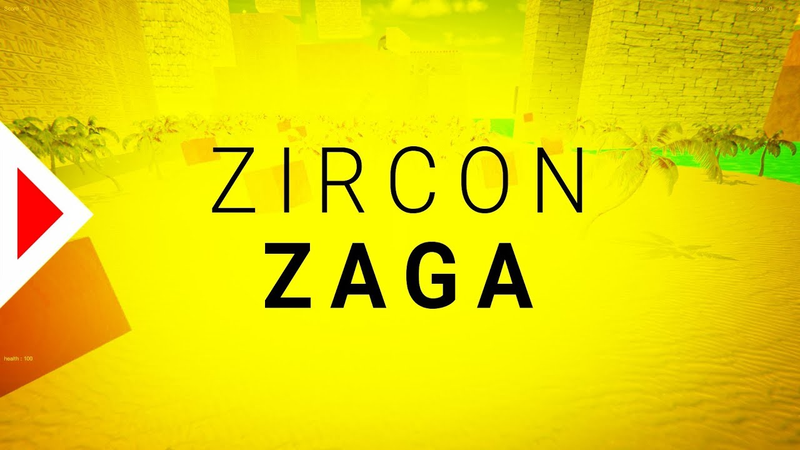
Zirkon Zaga: Jonas Plays Your Game #003
The indie platformer Zirkon Zaga, developed in Unity, serves as a case study for balancing aesthetic choices with mechanical refinement.
- Prioritize refining core movement and camera mechanics before expanding level content to avoid costly downstream rework.
- Fix the wall-jump mechanic by implementing fixed velocity values instead of additive velocity to ensure predictable jump heights.
- Address critical navigation barriers by adding an invert Y-axis option for camera controls and implementing a checkpoint system to reduce player frustration.
Game Art - Dev Log - (Background and Stuff)
This development log details the iterative design process for an indie game, focusing on refining visual feedback, background aesthetics, and user interface clarity.
- Improving gameplay readability and immersion requires iterative refinements to visual feedback, specifically addressing cursor visibility, particle transitions, and object interaction responsiveness.
- The developer achieved a consistent, handcrafted aesthetic by photographing physical play-doh models and processing them in Photoshop for digital implementation.
- Implementing custom shaders to create a subtle, animated 'wobble' effect in the background helped maintain visual cohesion without distracting the player.
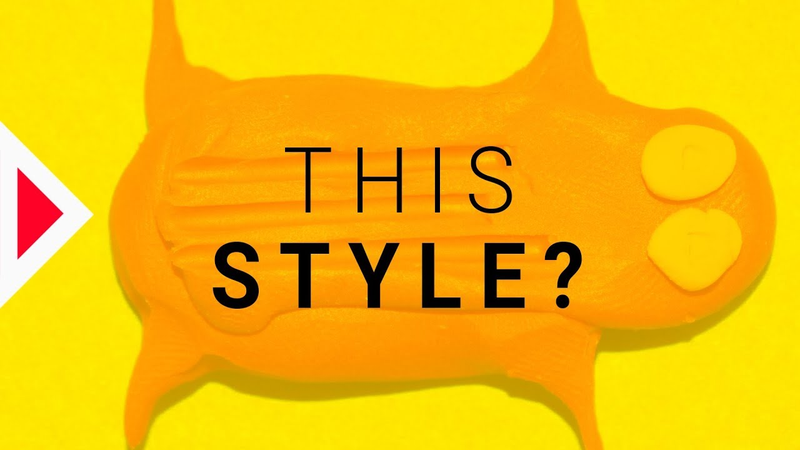
We Chose a Style! - (Nice!)
The selection of a definitive art style for an indie real-time strategy (RTS) game is a critical step in establishing brand identity and player immersion.
- The developer selected a space-themed art style for their RTS game to establish a unique brand identity and avoid the market saturation associated with dragon-themed aesthetics.
- The space theme was chosen over robot, flower, and dragon alternatives because it best supports a strategic command power fantasy while allowing for an efficient, analog-based animation workflow.
- Maintaining a single, cohesive visual direction is prioritized to ensure consistent marketing and prevent audience confusion across promotional materials.
I Will Play Your Game! - Let's play (+Feedback)
The initiative to revive a series dedicated to playing and critiquing indie games serves as a platform for developers to gain exposure and constructive feedback.
- The initiative functions as an experimental feedback loop designed to provide actionable design critique to indie developers while offering educational content to a YouTube audience.
- Developers must submit a functional download link, a project summary, and visual assets to be considered for the critique series.
- Submissions are prioritized based on the developer's ability to identify specific areas for critique, such as core mechanics, design choices, or unresolved technical challenges.
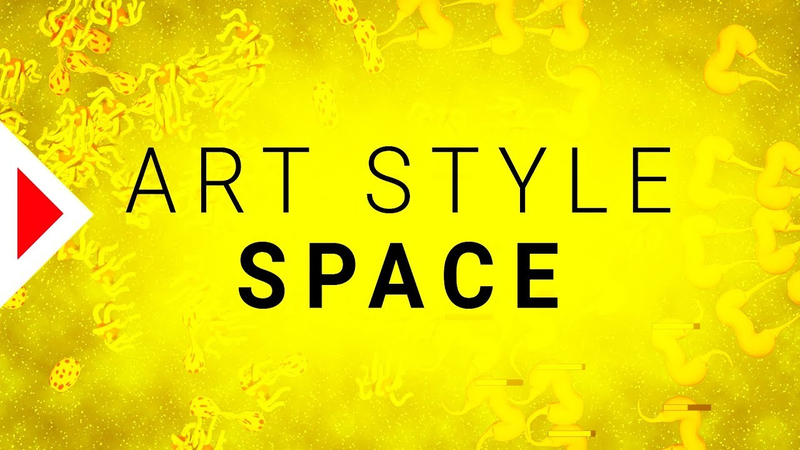
Designing an Art Style for Your Game - in 1 Day: Space!
Developing a unique visual identity for indie games can be achieved through unconventional physical media, such as play dough and stop-motion animation.
- Using physical media like play dough and stop-motion animation creates a distinct, biological aesthetic that differentiates indie games from standard digital rendering.
- The production workflow requires sculpting physical models, capturing sequential frames, and using post-production software to refine assets for game engine implementation.
- Manual masking and cutting in image editing software are necessary to achieve high-quality sprite transparency, as green-screen techniques often fail due to inconsistent lighting and shadows.
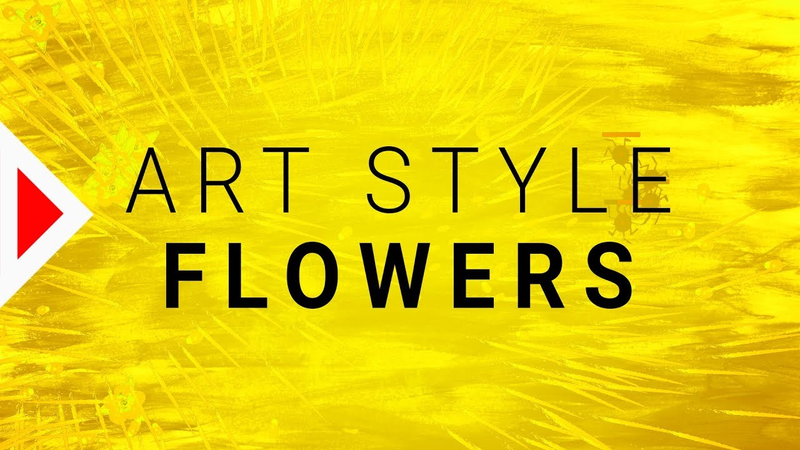
Analog Painting Game Art Style in 1 Day: Flowers!
The integration of traditional analog painting into digital game development presents a unique aesthetic challenge, particularly when balancing physical texture with technical constraints.
- Maintaining player readability requires neutral, minimalist background brushwork to prevent visual clutter from obscuring gameplay elements.
- High-resolution photography is essential during the digitization process, as low-quality captures introduce excessive grain that degrades sprite clarity.
- Complex physical textures, such as those created with additives like sugar, often fail to translate to digital formats and produce unintended visual artifacts.
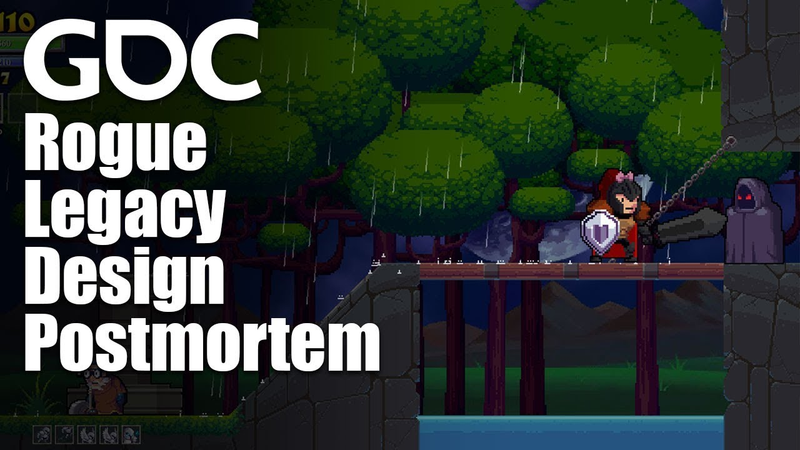
Rogue Legacy Design Postmortem: Budget Development
The development of the indie title Rogue Legacy serves as a case study in budget-conscious game design.
- Cellar Door Games developed Rogue Legacy over 18 months with a total production cost of less than $15,000, recouping all development expenses within one hour of launch.
- The team achieved rapid development by prioritizing 'good, not perfect' solutions, focusing on gameplay mechanics over high-fidelity assets and reusing systems from previous projects.
- To increase accessibility, the developers removed traditional roguelike 'floor clearing' and 'obscurity' mechanics, replacing them with a persistent lineage system that allows players to spend gold on character upgrades after every death.
Fake 3D Game Art Style in 1 Day: Robots!
The development process for implementing a fake 3D art style in a 2D strategy game centers on the use of normal maps to simulate depth and dynamic lighting.
- Developers can simulate 3D depth in 2D strategy games by using normal maps generated from 3D models to enable dynamic lighting on 2D sprites.
- By rendering 3D models with a custom shader that outputs surface orientation instead of color, sprites can react to light sources correctly regardless of their rotation.
- This workflow allows for the use of high-polygon 3D models for pre-rendered sprites without incurring real-time performance costs, as the engine only processes the normal map shading during gameplay.
What We Can Learn From Indie Fiction Authors
The indie fiction publishing market offers a blueprint for sustainable game development in an increasingly crowded digital landscape.
- Build and actively manage a mailing list to capture leads, as it is the primary tool for driving immediate reviews and sales during new product launches.
- Increase production velocity by releasing more games faster, as statistical trends in indie publishing suggest that 20% of titles often generate 80% of total income.
- Maintain strict genre consistency across your portfolio to ensure store algorithms correctly categorize your products and to build a loyal, predictable customer base.
Creating an Art Style for Your Game in Just 1 Day: Dragons!
Developing a cohesive 2D art style for an indie strategy game within a single day is a viable method for rapid prototyping and visual exploration.
- Rapidly prototyping a 2D art style in a single day allows developers to evaluate the technical feasibility and emotional alignment of visual assets against core gameplay goals.
- Character identity should be established through silhouettes before integrating assets into the game engine to test hitboxes and animation flow.
- Backgrounds must be designed and tested alongside character sprites, as the environment significantly dictates the tone and visual clarity of the game.
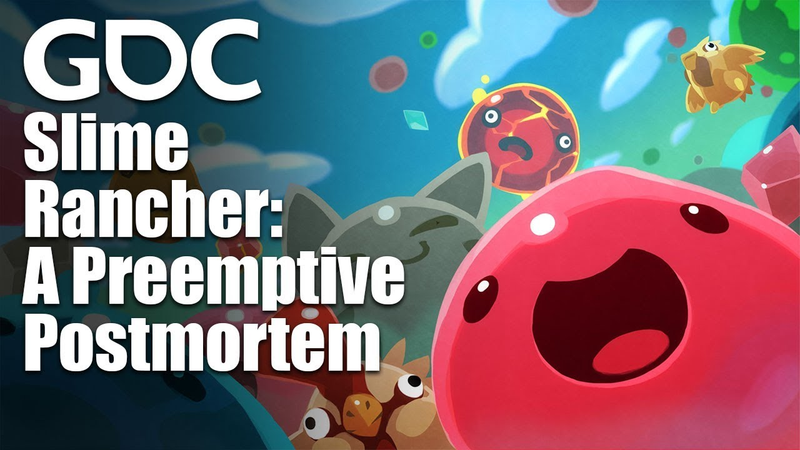
Slime Rancher: A Preemptive Postmortem
The success of Slime Rancher stems from a development philosophy that prioritizes a highly polished, satisfying core gameplay loop over speculative features or complex systems.
- Treat Early Access as a live service product rather than a development phase, focusing on major, feature-based content updates that generate hype rather than minor patch notes.
- Design games to be 'YouTube-friendly' by prioritizing emergent, unpredictable character behaviors and satisfying core gameplay loops that are visually engaging for spectators.
- Leverage organic growth on YouTube by distributing keys to smaller creators first, allowing the game to naturally climb the 'food chain' to larger influencers like Markiplier and Jacksepticeye without direct outreach.