Criterion Games
CompanyUnited Kingdom
Documents about Criterion Games

The Game Business39 min
As a Battlefield studio, is Criterion Games really still Criterion?
Criterion Games has evolved from its origins as an independent developer of high-octane racing titles like Burnout and Need for Speed into a foundational pillar of the Battlefield franchise.
- Criterion Games has transitioned from an independent racing developer into a core support studio for the Battlefield franchise, working alongside DICE, Ripple Effect, and Motive.
- The studio maintains its creative identity by applying its historical expertise in high-octane, responsive gameplay mechanics to the Battlefield live-service model.
- Nearly 25% of the studio's workforce has over a decade of tenure, providing the institutional knowledge necessary to preserve the studio's design culture during its integration into a larger ecosystem.
The Game BusinessSep 2026
The Game Business28 min
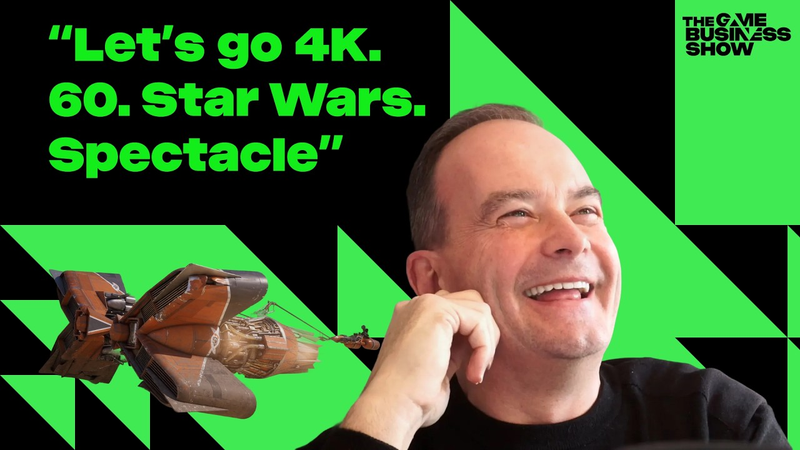
How come Fuse Games gets to make a Star Wars racing game?
Fuse Games, a UK-based independent studio founded three years ago by former leaders from EA’s Criterion Games, is currently developing Star Wars: Galactic Racer.
- Fuse Games, a 75-person independent studio founded by former Criterion Games leaders, is developing 'Star Wars: Galactic Racer' using Unreal Engine.
- The studio employs a distributed development model, partnering with other UK studios to scale capacity and avoid the industry's traditional cycle of project-based hiring and layoffs.
- The game aims to revitalize the racing genre by blending 4K 60fps visuals with 'racing adventure' elements that allow players to inhabit canonical Star Wars characters.
The Game BusinessFeb 2026

Game Developers Conference57 min
Give Up Control: Zen and the Art of Leadership
Traditional command-and-control leadership models in the game development industry are increasingly viewed as unsustainable, often fostering toxic work environments and chronic burnout.
- Criterion Games achieved a record-low 3% cultural entropy score by abandoning rigid production dogmas in favor of servant leadership.
- Transitioning from command-and-control models to servant leadership replaces fear-based management with a focus on autonomy, mastery, and purpose.
- Effective leadership in game development requires abandoning the 'hero archetype' to act as a facilitator who synthesizes collective vision rather than dictating tasks.
Game Developers ConferenceOct 2020

Game Developers Conference59 min
Beat it: A Retrospective of Need for Speed: Hot Pursuit
Need for Speed: Hot Pursuit serves as a pivotal case study in bridging the gap between console connectivity and actual player behavior.
- Criterion Games developed the 'Autolog' system for Need for Speed: Hot Pursuit to facilitate asynchronous social interaction, allowing players to compete with friends without requiring them to be online simultaneously.
- The Autolog system utilized a 'beat it' recommendation engine that specifically targeted players with notifications when a friend surpassed their leaderboard time, creating a persistent competitive loop.
- To maximize engagement, the game featured a dynamic feed that tracked every action and provided direct, in-game calls to action, allowing players to jump immediately into events where their friends had recently set records.
Game Developers ConferenceJan 2017
