Skip to main content
Game Industry
Library
Ask AI
Cited answers
Search…
⌘
K
Library
Search
TL;DR
Connect your AI
PRO
Browse
Topics
Collections
Writers
Glossary highlights
Theme
Help
About
Privacy
Terms
RSS feed
Subscribe
Game Industry
Library
Library
TL;DR
Search
Ask AI
Saved
Collections
Monetization & Live Ops
Monetization & Live Ops
Revenue models, in-game economies, retention and live operations.
324 documents
Reports
Presentations
Whitepapers
Newest first
Oldest first
Title A–Z
Title Z–A
Newzoo
Report
How to Win with H5 Gamers
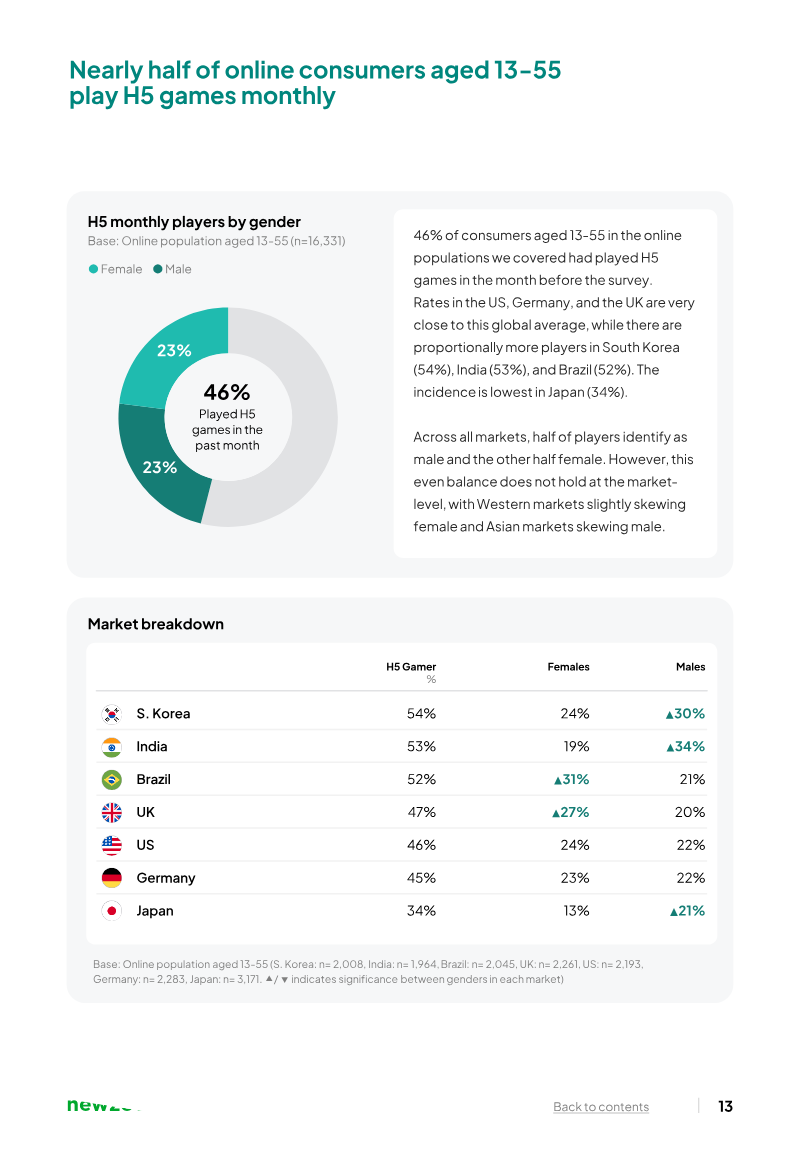
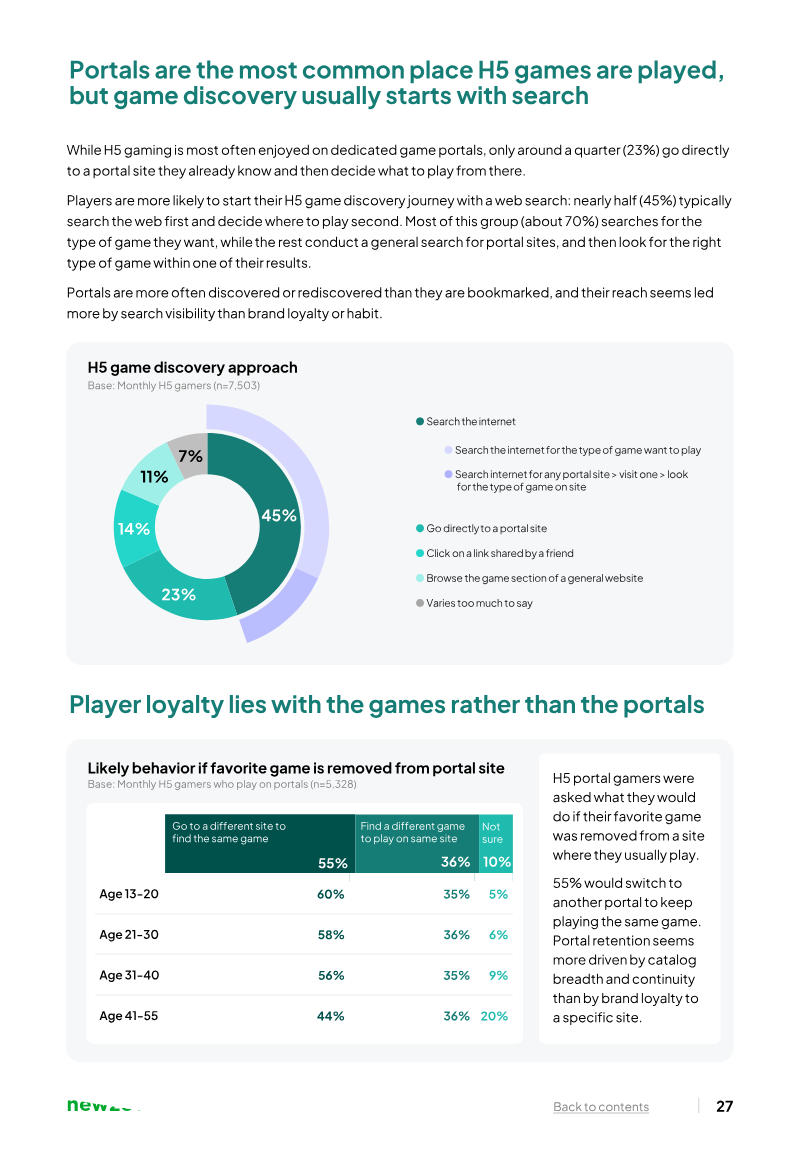
HTML5 gaming has emerged as a significant, mobile-first sector that captures the attention of 46 percent of online consumers aged 13 to 55 on a monthly basis. By prioritizing a low-friction, free-to-play model, this segment effectively drives user engagement and site loyalty, particularly among younger demographics. These games function as powerful retention tools, increasing the time spent on websites and social media platforms by approximately 40 percent. The sector’s growth is underpinned by its accessibility, as players frequently utilize portals to engage with content across various smartphone devices. The audience for HTML5 games is diverse, mirroring the broader mobile app market. Younger players, specifically those between the ages of 13 and 30, demonstrate a preference for midcore, competitive genres and exhibit higher multi-device usage. Conversely, older demographics gravitate toward casual, puzzle-based experiences. While portal loyalty remains relatively low, the strategic integration of these games fosters habit-forming behavior and can significantly boost subscription rates across all age groups. Monetization within the HTML5 ecosystem relies heavily on user-friendly advertising strategies. Approximately 69 percent of players prefer ad-supported experiences over paid, ad-free alternatives. Success in this space requires a delicate balance; while players are willing to engage with rewarded ads that provide tangible in-game benefits, they show a strong aversion to disruptive, mid-game interruptions. To minimize churn and maximize long-term engagement, developers must prioritize seamless technical performance and ensure that advertising formats remain non-intrusive, respecting the player's desire for a fluid, high-quality gaming experience.
Newzoo
Report
Mobile Games: Placing Smartphone and Tablet Gaming in Perspective of the Total Games Market 2012
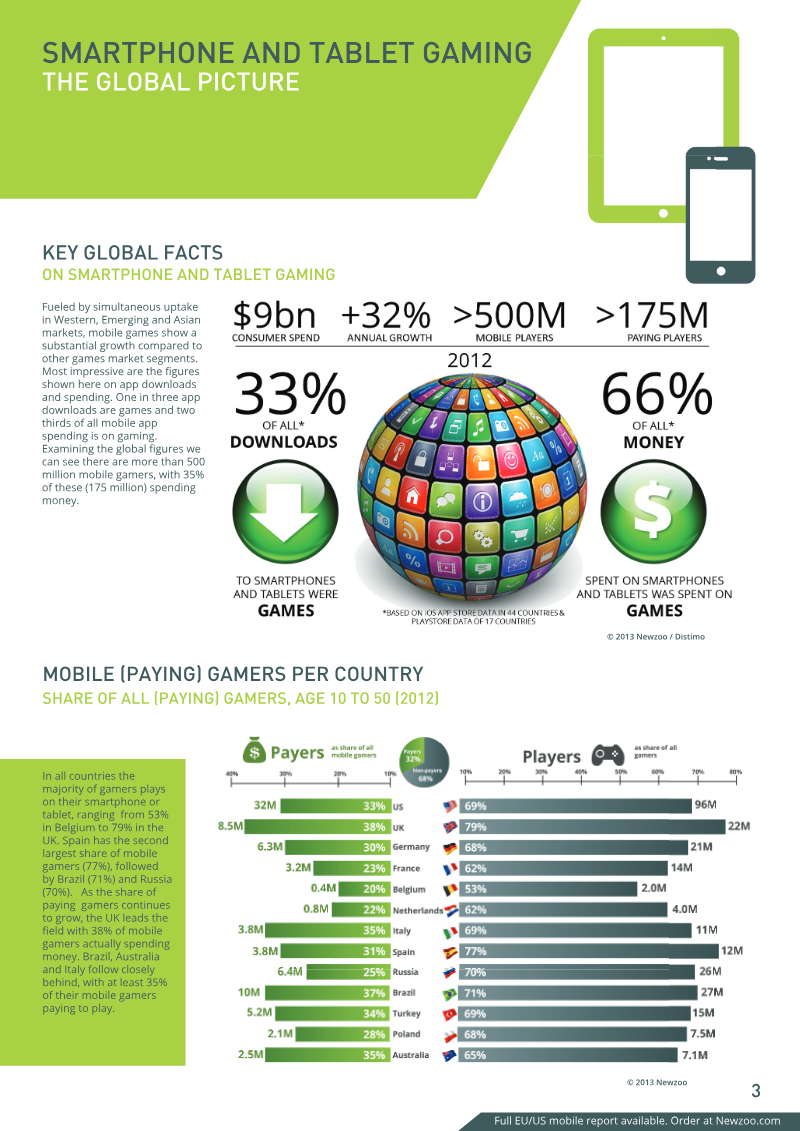
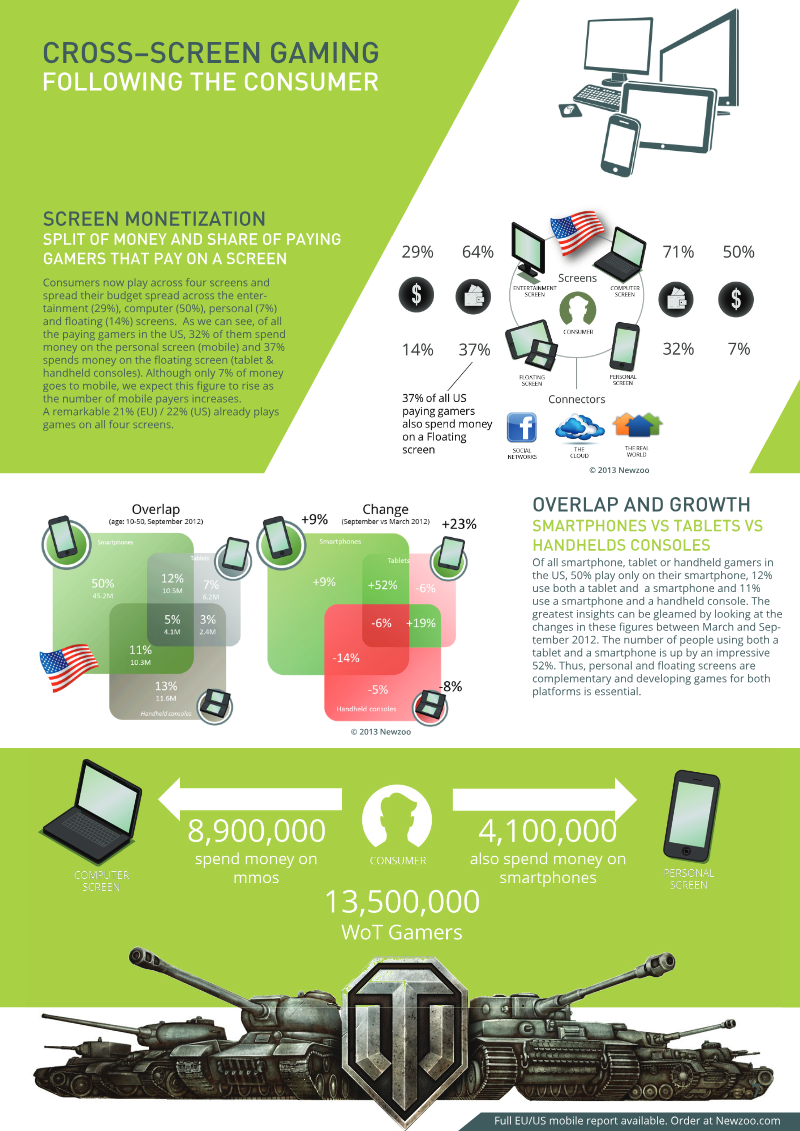
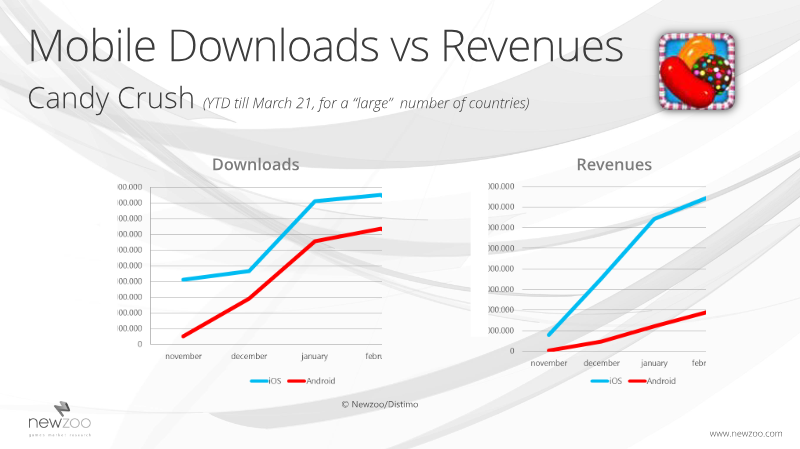
The 2012 mobile gaming landscape was defined by a rapid shift in consumer behavior, characterized by the adoption of multiple screens and the dominance of free-to-play (F2P) monetization models. The industry experienced a significant transition as gamers moved away from traditional PC and TV-centric play toward a multi-screen environment that includes smartphones and tablets. This shift necessitated a move away from single-screen metrics, which had previously led to investor confusion and a 50% decline in external investment volume during 2012. Key findings indicate that mobile gaming became a primary revenue driver, with two out of every three dollars spent on smartphones and tablets allocated to games. By the end of 2012, there were over 500 million mobile gamers globally, 175 million of whom were paying users. F2P models emerged as the most profitable strategy, accounting for 70% of iOS revenue in the US and Europe. While the iOS App Store maintained a dominant revenue share in Western markets, Google Play showed stronger performance in Japan. Demographic data revealed that iOS gamers generally possessed higher incomes and were more likely to be in full-time employment compared to their Google Play counterparts. The analysis, which covers 44 countries for iOS data and 17 for Google Play, emphasizes that the modern games market is a global, multi-screen ecosystem. The research highlights that mobile and tablet usage is complementary, with a 52% increase in users engaging with both devices between March and September 2012. Ultimately, the findings suggest that for game publishers to succeed, they must adopt a multi-screen strategy that balances consumer value with monetization, as the launch of a game now serves only as the starting point for a long-term service-based relationship with the player.
Newzoo
Report
Global Monetization of Games: Emerging Markets as Drivers of Growth
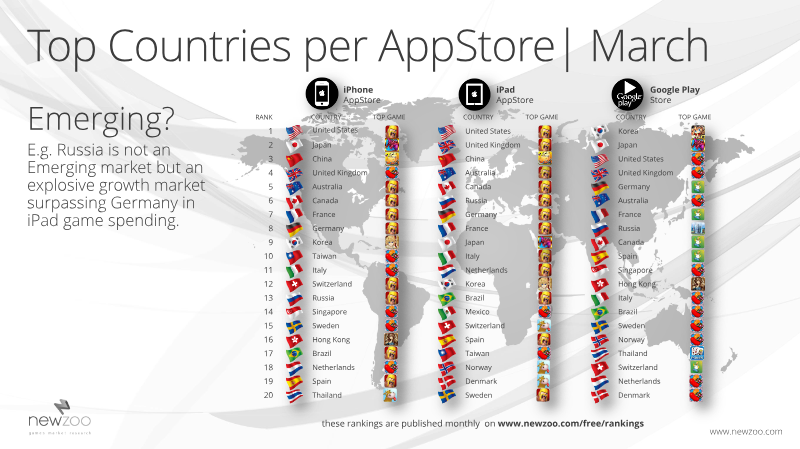
The global gaming industry is undergoing a significant transformation, with total market value projected to reach $70.4 billion. Mobile gaming serves as the primary catalyst for this expansion, currently experiencing a 35% year-over-year growth rate. This surge is fundamentally altering how companies approach revenue generation, necessitating a move away from traditional platform-centric metrics toward a more nuanced screen segmentation model. By tracking player behavior, time investment, and conversion rates across various devices, organizations can better align their monetization strategies with actual consumer engagement patterns. Emerging markets, particularly Russia, are identified as critical engines for this industry-wide growth. To capitalize on these regions, companies must transition toward a Games as a Service operational framework. This shift requires internal organizational restructuring to prioritize live operations, sophisticated data analytics, and proactive community management. These competencies are no longer optional but are essential for maintaining long-term player retention and maximizing lifetime value in an increasingly competitive global landscape. Success in this evolving environment depends on the integration of granular consumer data and localized market insights. As the industry moves toward a service-oriented model, the ability to synthesize platform-specific trends with regional demographic behaviors becomes the primary differentiator for stakeholders. By adopting these data-driven methodologies, firms can navigate the complexities of the 2013 market landscape and secure sustainable growth across both established and developing territories.
Newzoo
Report
Impact of Free-to-Play: Online, Mobile & Cross-Platform
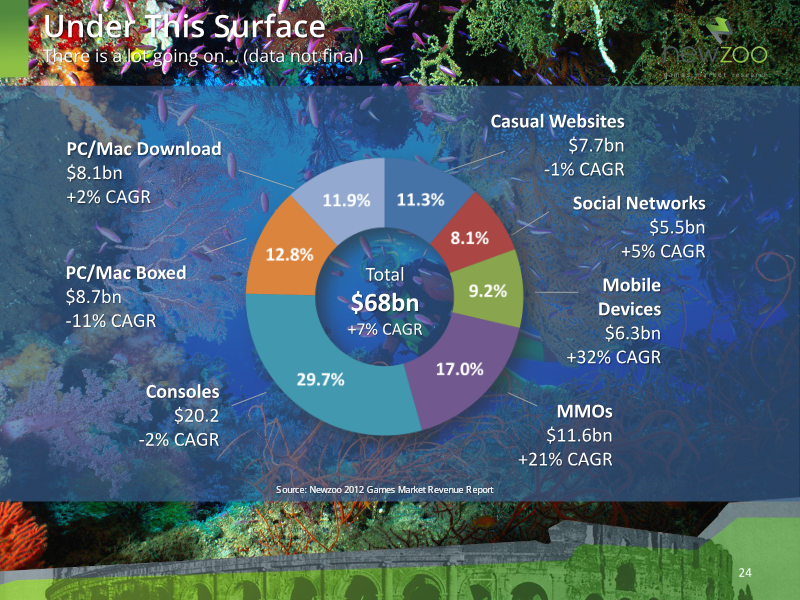
The global games industry is undergoing a fundamental transformation as the traditional boxed product model stagnates in favor of free-to-play mechanics and cross-platform accessibility. As of 2012, the market is shifting toward a service-oriented ecosystem where mobile devices and massively multiplayer online games serve as the primary engines for growth. Mobile revenue is projected to expand at a compound annual growth rate of 32 percent, significantly outpacing the decline of dedicated handheld consoles. This transition necessitates a departure from legacy revenue-only metrics, requiring publishers to prioritize granular tracking of player engagement time and the conversion rates of paying users to ensure long-term sustainability. Success in this evolving landscape depends on treating free-to-play as a holistic business strategy rather than a mere pricing tactic. Titles such as League of Legends and Kingdoms of Camelot demonstrate that profitability is increasingly tied to continuous service updates and the ability to capture value across multiple hardware environments. The integration of the Screen Segmentation Model reveals that while computer screens remain the primary venue for total playtime, a growing cohort of high-value gamers now fluidly transitions between entertainment, personal, and mobile screens. Major retailers are responding to this trend by aggressively integrating free-to-play models to secure market share. Ultimately, the industry is moving toward a multi-device reality where consumer spending is no longer tethered to a single platform. While the paying demographic remains predominantly male, the expansion of mobile monetization is creating a global footprint that challenges established retail norms. To remain competitive, publishers must reorganize their operations to support cross-platform experiences that provide consistent value, as modern players increasingly distribute their gaming budgets across a diverse array of digital touchpoints.
Newzoo
Report
The 5 Factors Defining the Future of Esports
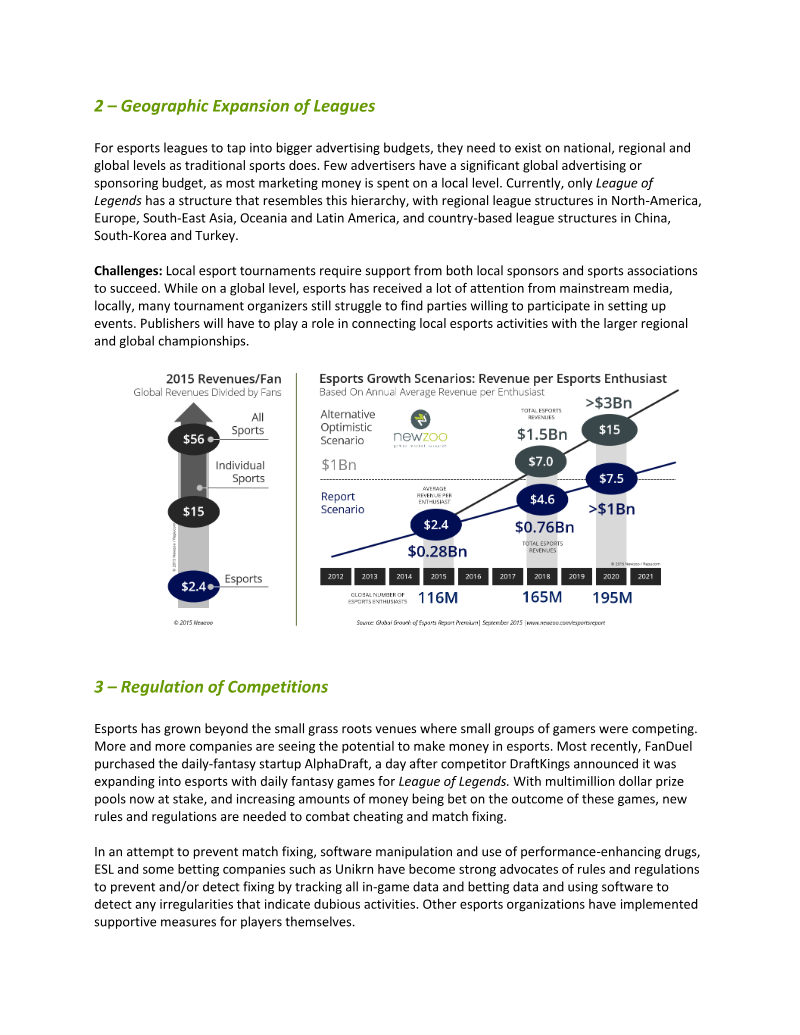
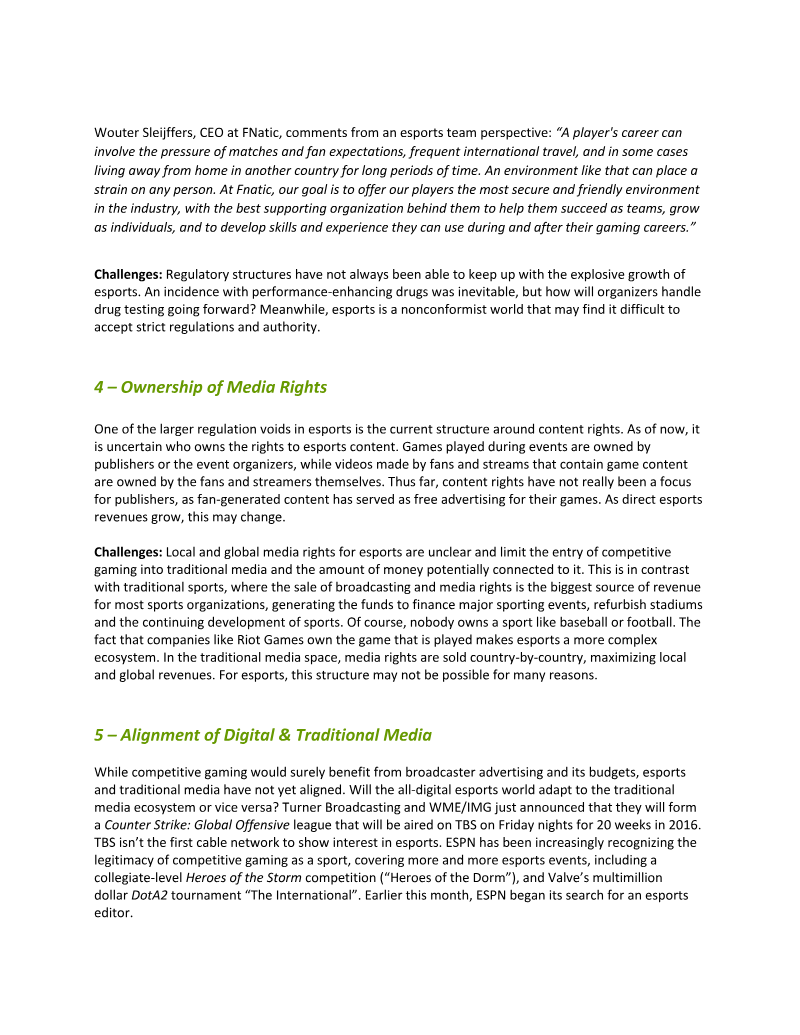
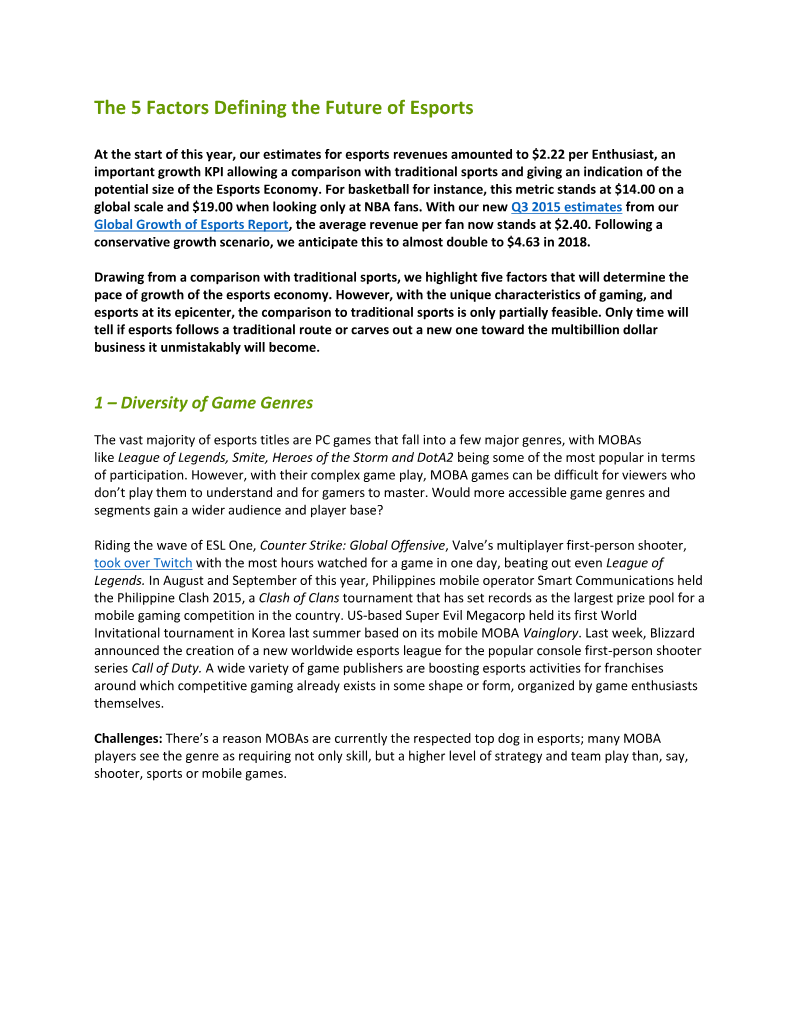
The esports industry is currently undergoing a rapid evolution, with revenue per enthusiast projected to grow from $2.40 in 2015 to $4.63 by 2018. As the sector matures, its trajectory is being shaped by five critical factors: the diversification of game genres, the geographic expansion of leagues, the implementation of formal competition regulations, the clarification of media rights, and the integration of digital and traditional media. While the industry draws parallels to traditional sports, its unique structure—specifically the fact that game publishers own the intellectual property of the games themselves—creates a distinct ecosystem that requires a tailored approach to growth. Key findings indicate that while MOBAs currently dominate the competitive landscape, the rise of first-person shooters and mobile titles is broadening the audience base. However, this growth faces structural hurdles. For instance, the lack of standardized, globalized league hierarchies limits the industry’s ability to capture local advertising budgets. Furthermore, the rapid influx of capital and betting interest necessitates robust regulatory frameworks to prevent match-fixing and ensure player welfare, a challenge complicated by the industry's nonconformist culture. The monetization of esports is further hindered by ambiguous media rights, which contrast sharply with the established broadcasting models of traditional sports. While partnerships with networks like TBS and ESPN signal increasing mainstream legitimacy, brands remain cautious due to lingering demographic prejudices and a lack of integrated advertising technology. Ultimately, the industry’s transition into a multibillion-dollar business depends on its ability to reconcile these internal complexities with the demands of global media and advertising markets. Data for these insights is derived from the Global Esports Audience & Revenue Model, incorporating industry-wide trends and expert perspectives to provide a comprehensive outlook on the sector's future.
Newzoo
Presentation
The Global Games Market: Trends, Market Data and Opportunities
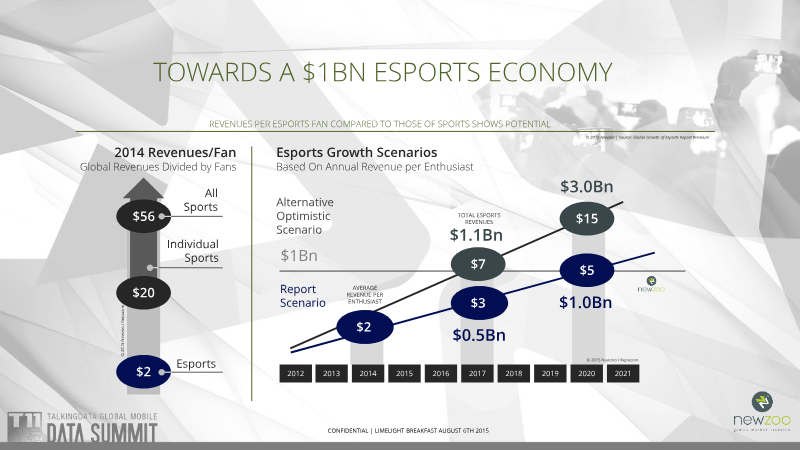
The global games industry is currently undergoing a fundamental transformation characterized by the rapid ascent of mobile gaming and the professionalization of competitive esports. As the market matures, the esports sector is projected to reach a $1 billion valuation by 2019, fueled by an increasing convergence between traditional sports and digital competitive play. This growth is underpinned by a shift toward data-centric business models, where advanced analytics and big data integration serve as the primary drivers for monetization, user retention, and strategic decision-making. Mobile gaming remains the dominant force in this landscape, with China, Japan, and the United States serving as the primary engines of revenue. In the United States, the most valuable consumer segment consists of employed, family-oriented males aged 21 to 35 who demonstrate high engagement across multiple platforms. Conversely, the Chinese market presents a more complex environment defined by Apple’s hardware dominance and a highly fragmented Android ecosystem. Navigating these regional nuances requires granular insights, such as genre-specific payment rates and session behavior, to effectively optimize user experiences. Success in this evolving market increasingly depends on the application of sophisticated metrics to refine product development and marketing strategies. Implementing data-driven interventions, such as post-purchase tutorials, has proven effective in increasing repeat order rates and overall lifetime value. By leveraging comprehensive mobile game metrics and behavioral analytics, stakeholders can better navigate the complexities of international markets and capitalize on the shifting preferences of a global player base. This analytical approach is essential for maintaining a competitive edge as the industry continues to integrate deeper technological and behavioral insights into its core operations.
Newzoo
Report
The eSports Economy: Trends, Audience and Revenue Growth Towards 2017
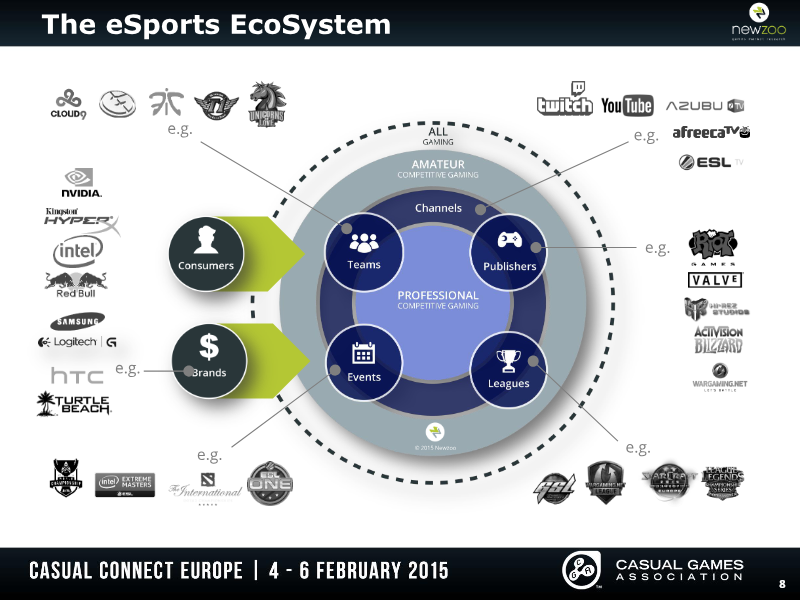
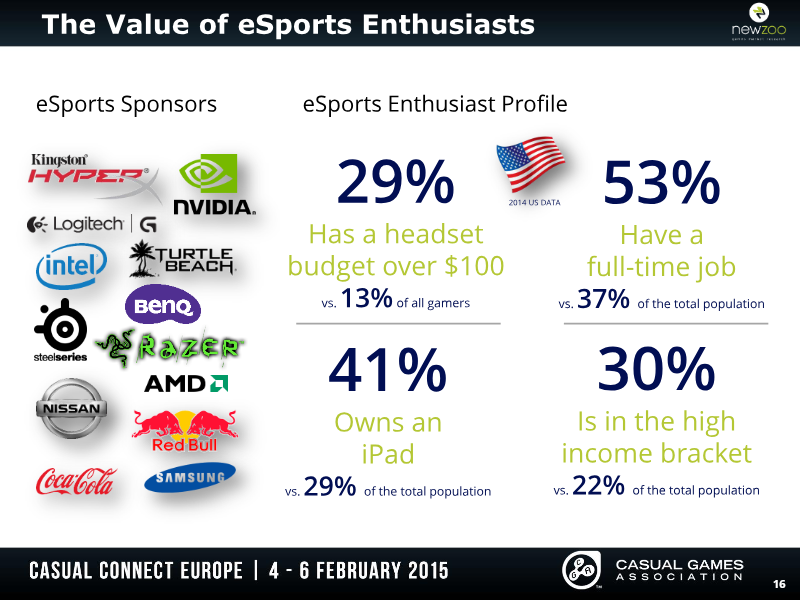
The eSports economy is experiencing rapid expansion, driven by a fundamental shift in how consumers interact with gaming content. The primary thesis posits that eSports has evolved from a niche hobby into a major professional industry, fueled by the rise of consumer-generated content, streaming platforms, and professionalized competitive leagues. This growth is supported by a global audience that is increasingly distinct from traditional gaming demographics, with approximately 40% of eSports viewers not actively participating in the games they watch. Key findings highlight that the number of eSports enthusiasts is projected to surpass 100 million, with a compound annual growth rate of 20% between 2012 and 2017. The industry ecosystem is supported by a complex network of publishers, hardware brands, and streaming services like Twitch, which reported 100 million unique monthly viewers in 2014. Financial data underscores the professionalization of the sector, noting that prize pools for major events like the Dota 2 Championships have reached significant scale through crowd-funding and publisher investment. Furthermore, the eSports enthusiast profile reveals a highly desirable demographic, characterized by high income levels, full-time employment, and a strong propensity for hardware investment. The scope of this analysis is global, covering the period leading up to 2017. The methodology relies on the Newzoo Global eSports Audience and Revenue models, which synthesize data from consumer surveys, platform metrics, and industry partnerships. The analysis concludes that eSports represents the "tip of the iceberg" in a broader gaming industry shift toward new revenue models, including advertising, media rights, and merchandise, positioning gaming as a major competitor to traditional sports in terms of global reach and commercial viability.
Newzoo
Report
Sizing & Profiling eSports' Popularity: The West
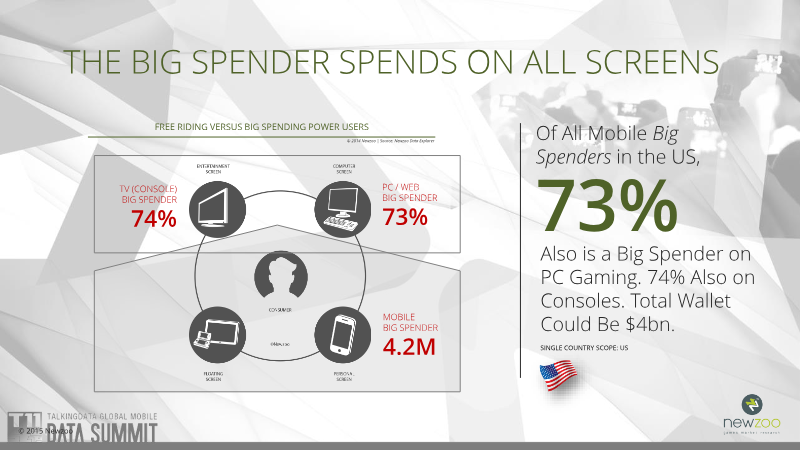
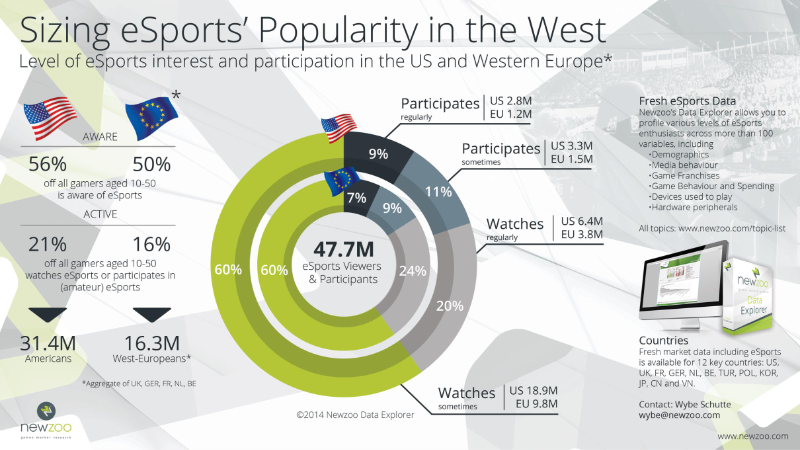
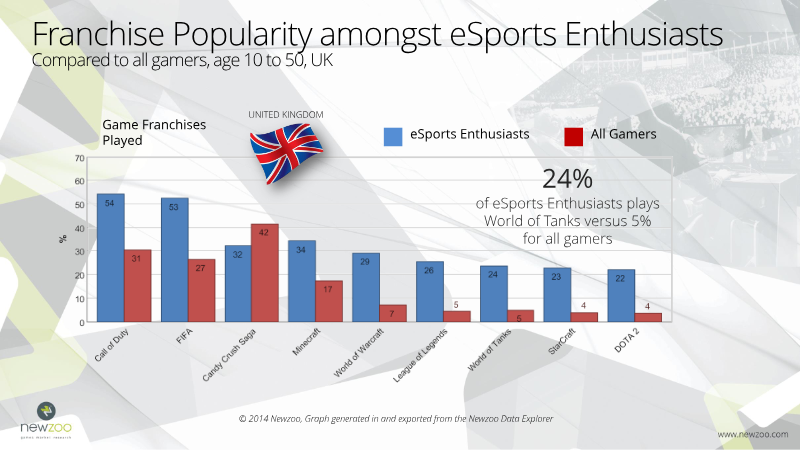
The rapid expansion of eSports in Western markets represents a significant shift in the gaming industry, driven by the rise of free-to-play titles such as League of Legends, Dota 2, and World of Tanks. This growth is characterized by a transition where time spent engaging with game franchises has become a critical key performance indicator, often serving as a precursor to increased monetary spending. As eSports viewership continues to double year-over-year, major publishers and global brands are increasingly utilizing competitive gaming as a primary marketing vehicle to reach affluent young males aged 18 to 34. Data indicates that eSports enthusiasts are highly dedicated, with average viewers watching over ten times per month for sessions lasting approximately 2.2 hours. The demographic profile of these participants is notably valuable to advertisers; for instance, 22% of eSports enthusiasts are identified as big spenders on games, compared to only 8% of the general gaming population. Furthermore, these enthusiasts demonstrate higher professional stability and engagement across multiple platforms, including console and mobile gaming, than the average gamer. The scope of this analysis covers the United States and Western Europe, utilizing primary consumer research to profile engagement levels across various demographics and media behaviors. The findings highlight that eSports has evolved from a niche interest into a mainstream phenomenon, with major tournament prize pools reaching millions of dollars and concurrent viewership figures rivaling traditional sports events. This research underscores the strategic importance of competitive gaming for companies seeking to maximize user retention and monetization in an increasingly crowded digital entertainment landscape.
Newzoo
Report
Understanding the iPhone: Current Usage and Trends
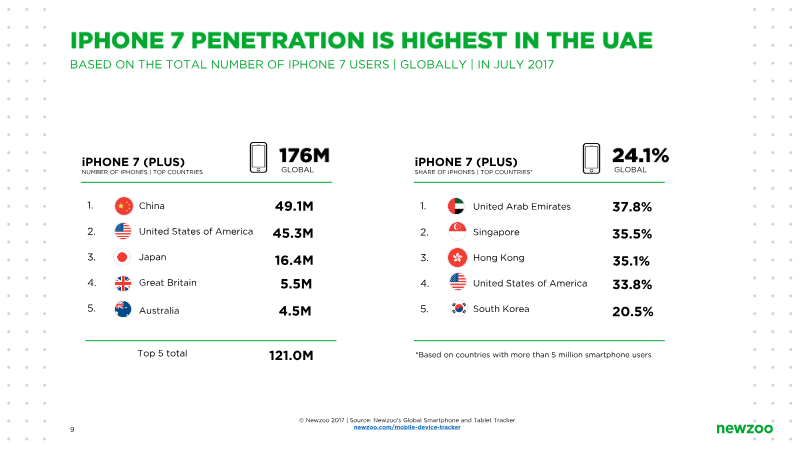
As of July 2017, the global landscape of iPhone usage reflects a decade of significant market penetration, with 730 million active devices worldwide. This figure represents approximately one-tenth of the global population. Over the ten-year period following the product's 2007 launch, Apple maintained a consistent sales velocity, averaging 323,000 units sold daily. Data indicates that 61% of all iPhones ever sold remain in active use, with a strong concentration of newer hardware; 82% of currently active devices were released in 2014 or later, underscoring a rapid upgrade cycle among the user base. Geographically, China leads the world in iPhone adoption with 243 million active users. The United States follows as a major market, while the United Arab Emirates, Singapore, and Hong Kong exhibit the highest penetration rates for the iPhone 7 series. Market trends reveal a clear consumer preference for larger screen sizes, as evidenced by the iPhone 7 Plus surpassing the iPhone 6 Plus in total active units by mid-2017. Furthermore, the ecosystem demonstrates high software engagement, with 88% of all active iOS devices running iOS 10 by July 2017. These insights are derived from the Global Smartphone and Tablet Tracker, a proprietary intelligence platform that monitors device usage, brand performance, and operating system adoption across 100 countries. By analyzing monthly device activity, the findings highlight the shifting dynamics of mobile hardware, specifically the transition toward newer, larger-screen models and the sustained loyalty of the global Apple user base. This analysis serves to quantify the scale of Apple’s influence on the mobile market and provides a benchmark for understanding consumer behavior in the smartphone sector.
Esports Bar
Report
Understanding Media Rights in Esports
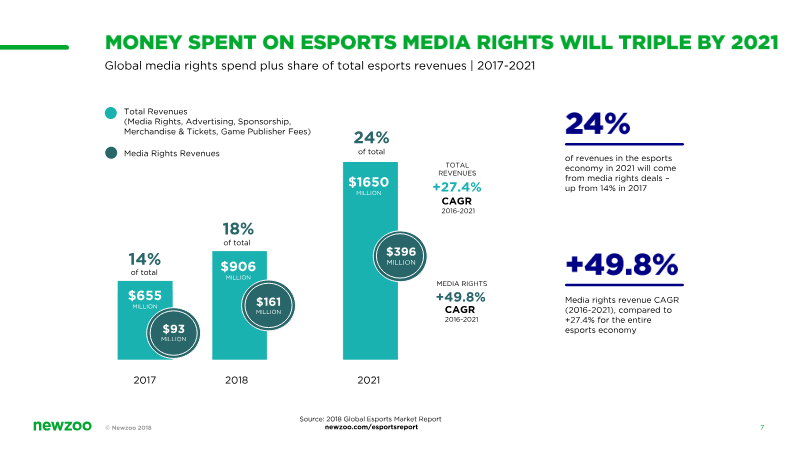
The esports media rights landscape is undergoing rapid expansion, positioning itself as the fastest-growing revenue stream within the global esports economy. While media rights accounted for 14% of total esports revenues in 2017, this share is projected to reach 24% by 2021. The market is expected to generate nearly $100 million in deals during the current year, with forecasts indicating this figure will rise to $400 million by 2021. This growth is driven by intense competition among major tech platforms and traditional broadcasters seeking to capture premium, exclusive content to engage younger, high-income demographics. North America currently leads the global market, accounting for 44% of media rights revenues due to its established sports culture and the presence of major media conglomerates. The industry is increasingly adopting structural models from traditional sports, such as the UFC, to maximize property value. Key case studies, including the Overwatch League and ELEAGUE, demonstrate that digital and linear broadcasting rights can successfully coexist to reach diverse audience segments. Furthermore, the transition of viewers between platforms, such as the shift of the Smite Pro League to Mixer, suggests that esports audiences are largely platform-agnostic, provided the content remains accessible. Monetization strategies are evolving beyond traditional advertising to include direct-to-consumer models. Experiments like the Overwatch League’s All-Access Pass highlight a growing trend toward premium, tiered experiences that offer exclusive shoulder content, personalized camera angles, and ad-free viewing. As the industry matures, organizers are increasingly leveraging shoulder programming—such as pre-match analysis, player interviews, and highlight reels—to maintain engagement during off-peak hours and create additional inventory for advertisers. These developments underscore a broader shift toward sophisticated content distribution and fan-centric monetization strategies designed to increase the long-term return on investment for rights holders.
Newzoo
Report
Betting on Billions: Unlocking the Power of Mobile Gamers
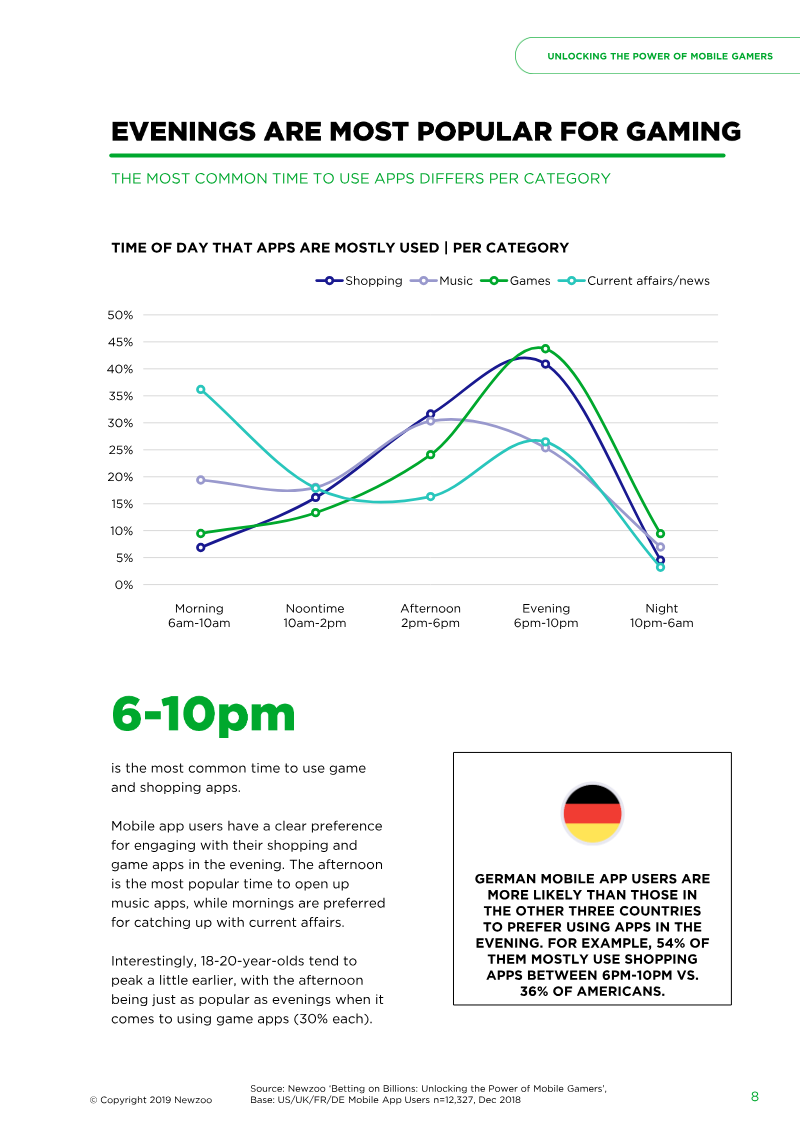
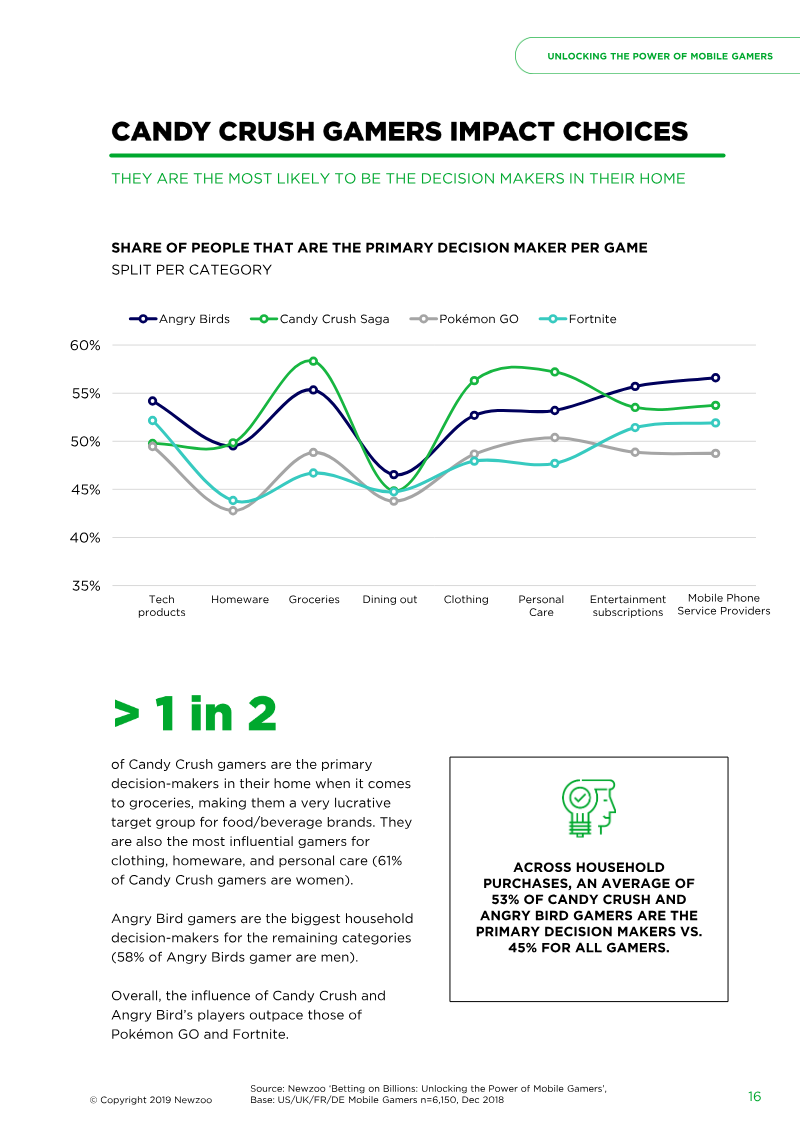
Mobile gaming represents a significant, underutilized opportunity for brands to engage a vast and influential consumer base. The primary thesis is that mobile gamers are not only a massive demographic but also possess higher purchasing influence and greater receptivity to advertising than non-gamers. By leveraging the diverse gaming landscape, brands can move beyond outdated stereotypes to reach a highly engaged audience that mirrors the broader population in terms of gender and age, while offering specific targeting potential through varied game genres. The research, conducted in late 2018, surveyed 12,327 mobile app users across the U.S., U.K., Germany, and France. Findings indicate that gaming is the third-most-popular app category, with 50% of users engaging with games weekly. Notably, mobile gamers are 23% more likely than non-gamers to influence the purchasing decisions of friends, family, and colleagues. This influence is highly segmented: female gamers often drive decisions regarding groceries and clothing, while male gamers exert more influence over technology and automotive purchases. Furthermore, gamers demonstrate a higher propensity for "splurging" and show a stronger preference for premium brands compared to non-gamers. The data also highlights that mobile gamers are more receptive to advertising, with 53% agreeing that ads help them stay informed about products and services. Because gaming apps see peak usage in the evenings, they provide a prime environment for contextual marketing. The report concludes that brands should adopt a strategic approach by aligning their messaging with specific game genres—such as puzzle games for older, female-skewing demographics or action titles for younger males—and emphasizing corporate values, which resonate strongly with this audience. By integrating these insights, brands can effectively capture the attention of a diverse, high-value consumer segment.
Pangle
Report
Mobile Game Genre Report: Hypercasual
The hypercasual mobile game genre remains a dominant force in the global market, characterized by simple, accessible gameplay and a reliance on high-volume user acquisition. In 2021, hypercasual titles accounted for 36 of the top 100 most downloaded mobile games globally, representing a 157% increase in volume since 2018. While the genre maintains a strong presence in both Eastern and Western markets, it is significantly more prevalent in the U.S. and U.K. than in Japan and South Korea. The genre is currently undergoing a structural evolution, with many developers shifting toward "hybridcasual" models that incorporate deeper meta-features, live-ops, and in-app purchases to improve long-term player retention. Data indicates that runner and racing games emerged as the most popular hypercasual subgenre in 2021, displacing simulation and puzzle titles that previously led the charts. User acquisition strategies are increasingly focused on retention-based optimization rather than simple install counts, as developers seek to maximize customer lifetime value. Monetization remains heavily weighted toward in-app advertising, with interstitial videos serving as the most widely adopted format. However, successful studios are increasingly diversifying revenue streams by integrating subscription models, gacha systems, and exclusive cosmetic items to supplement ad-based income. The analysis highlights significant cultural differences in player preferences and design requirements between regions. Western markets generally favor minimalist, intuitive user interfaces, whereas Asian markets often respond better to more complex, information-dense designs. Furthermore, successful localization—including culturally relevant live events and ad creative—is identified as a critical factor for publishers seeking to scale in the competitive Asian landscape. By leveraging data-driven ad networks and adapting to regional nuances, developers can effectively navigate the evolving hypercasual ecosystem and sustain growth in an increasingly consolidated market.
Previous
1
2
3
…
27
Next