
Game Developers Conference
Game Developers Conference (GDC, now the GDC Festival of Gaming) is the professional event for the games industry. It publishes recorded talks and interviews, annual industry survey reports such as the State of the Game Industry, and news articles.
Documents
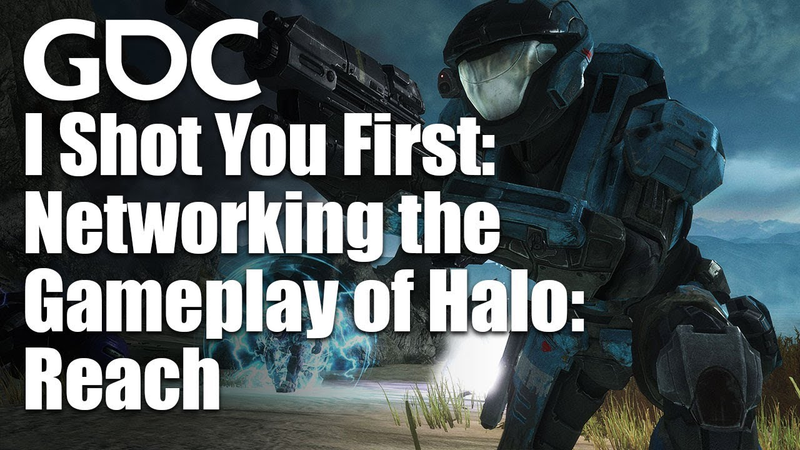
I Shot You First: Networking the Gameplay of Halo: Reach
The networking architecture of Halo: Reach centers on maintaining a responsive, low-latency multiplayer experience for 16 players within a host-client model, specifically designed to circumvent the bandwidth limitations inherent in peer-to-peer environments.
- The Halo: Reach networking architecture reduced total bandwidth consumption by over 80% compared to previous iterations by utilizing a tiered replication protocol that categorizes data into state, event, and control streams.
- The system prioritizes player responsiveness by favoring immediate local feedback and aggressive client-side prediction over perfect global synchronization for its 16-player host-client model.
- Engineers decoupled logical physics from visual interpolation to maintain smooth movement and collision accuracy, even when network update frequencies are lowered.
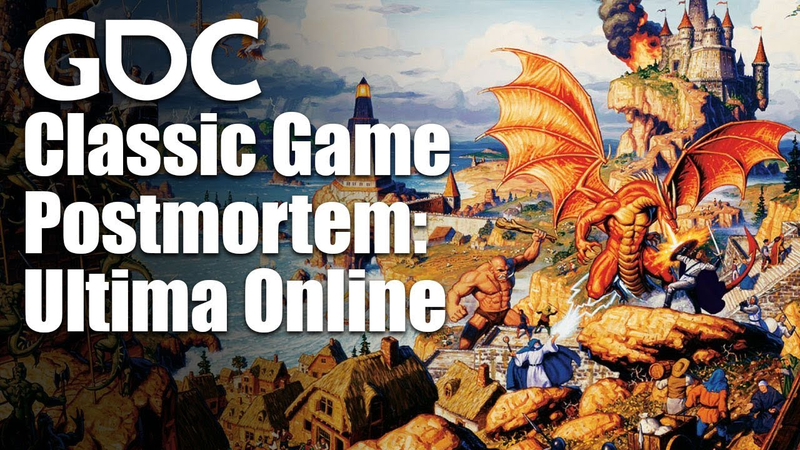
Classic Game Postmortem: Ultima Online
The development of Ultima Online represents a foundational shift in the gaming industry, marking the transition from traditional tabletop and MUD-based social experiences to the graphical massively multiplayer online genre.
- Ultima Online demonstrated the viability of the massively multiplayer online (MMO) market when 50,000 users signed up for a paid beta, far exceeding the initial internal sales projection of 30,000 units over the game's entire lifetime.
- The development team utilized a 'seamless server' architecture to distribute map data across multiple servers in real-time, a technical innovation that allowed thousands of players to inhabit the same virtual space.
- The game was managed through a 'shard' system where individual servers evolved distinct cultures based on player behavior, such as role-playing versus player-killing (PK) tendencies, which provided valuable data on emergent community dynamics.
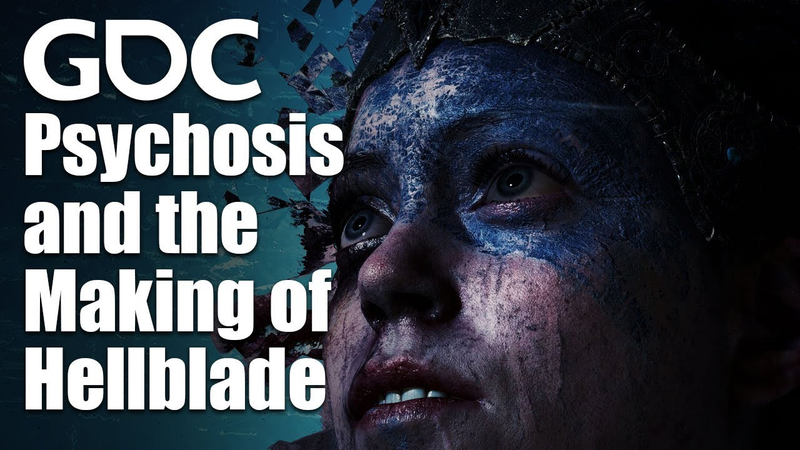
Breaking Through: Psychosis and the Making of Hellblade
The independent AAA development model emerged as a strategic response to the escalating costs and creative constraints inherent in the traditional gaming industry.
- The 'independent AAA' model utilizes a lean core team of twenty professionals to maintain creative autonomy and bypass the high costs and constraints of traditional publisher-led development.
- By focusing on digital-only distribution and omitting non-essential features like multiplayer, studios can achieve high-fidelity, character-driven narratives without the bloated budgets of mainstream titles.
- The development of Hellblade utilized in-house motion capture and modular asset design to maintain high production values while reducing overall financial risk.
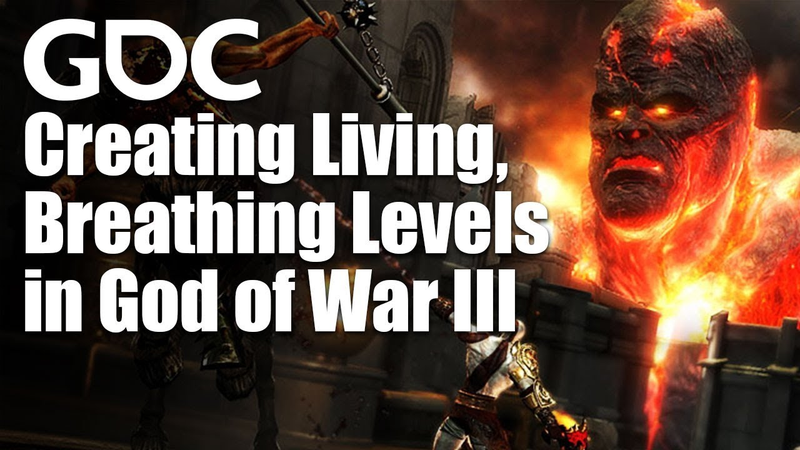
The Titans: Creating Living, Breathing Levels in God of War III
The development of the Titan sequences in God of War III represents a landmark achievement in balancing massive-scale spectacle with interactive gameplay.
- The God of War III development team transformed 500-meter-tall Titans into dynamic, interactive environments rather than static boss arenas, resulting in 25-minute immersive gameplay sequences.
- To overcome technical limitations, the studio developed custom tools to manage collision, camera logic, and entity attachment on moving, animated meshes in real time.
- The project was completed over a nine-month development cycle, utilizing gray-box testing and standardized nomenclature to manage the complexity of large-scale sequences.
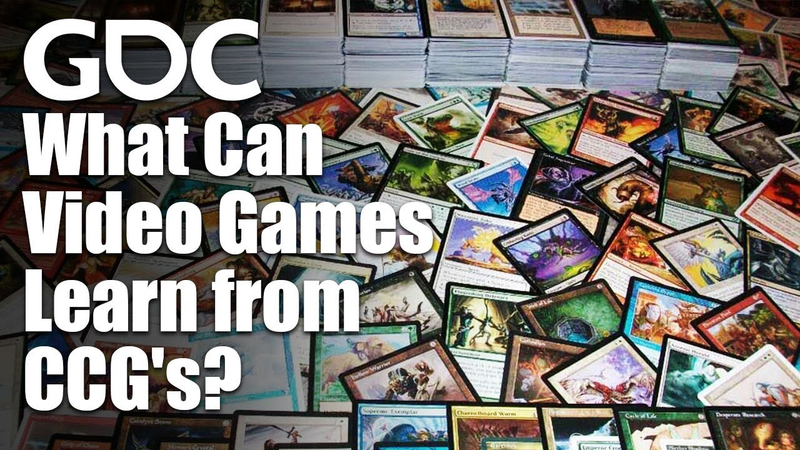
What Can Video Games Learn from Collectible Card Games?
The integration of collectible card game mechanics into broader video game design offers a sustainable framework for long-term player retention and recurring revenue.
- Implement rotation systems to manage content lifecycles, which prevents power creep and complexity creep while concentrating player populations into active formats.
- Utilize logarithmic value scaling to reward long-term player commitment without creating insurmountable barriers for new entrants.
- Integrate a calculated degree of randomness into gameplay to bridge skill gaps and encourage a core loop of strategy reconfiguration.
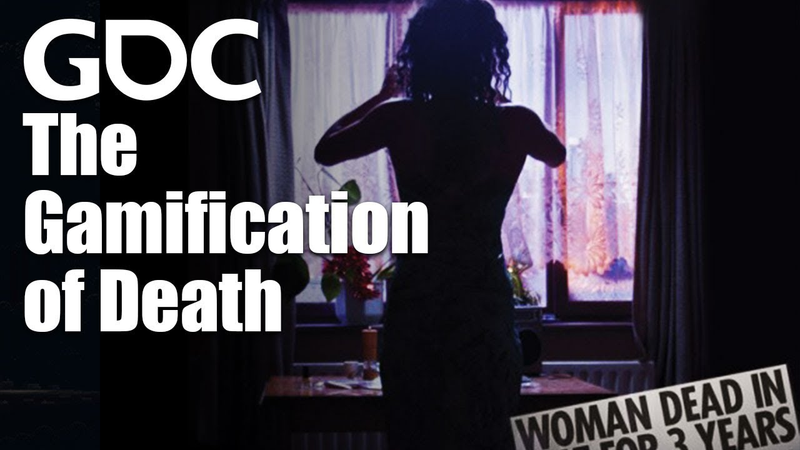
The Gamification of Death
The attempt to translate real-world tragedies into interactive experiences reveals a fundamental incompatibility between traditional game design and the gravity of human mortality.
- Traditional game mechanics like mission-based quests, win conditions, and reward systems are fundamentally incompatible with representing sensitive subjects like human mortality.
- Imposing arbitrary gaming objectives on real-world tragedies risks trivializing the subject matter and corrupting the veracity of the narrative.
- Successful projects addressing death are shifting away from puzzle-solving and choice-based progression toward non-linear, reflective environments that focus on universal themes like the passage of time.
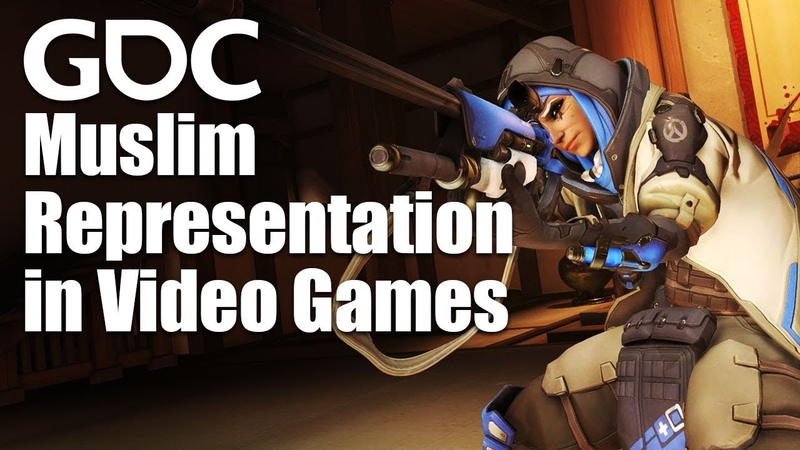
A How-To Guide for Muslim Representation in Video Games
The video game industry faces a critical imperative to move beyond the reductive stereotypes and tokenism that have historically marginalized the global Muslim population.
- The global Muslim population of 1.6 billion is currently underserved by industry narratives that rely on reductive stereotypes, conflating the faith with conflict or monolithic Middle Eastern identities.
- Authentic representation requires moving beyond tokenism by integrating diverse Muslim characters across entire casts rather than relying on isolated, stereotypical portrayals.
- Studios should prioritize the inclusion of Muslim voices throughout the creative process by hiring Muslim professionals and utilizing cultural consultants to ensure accuracy in religious attire, rituals, and symbolism.
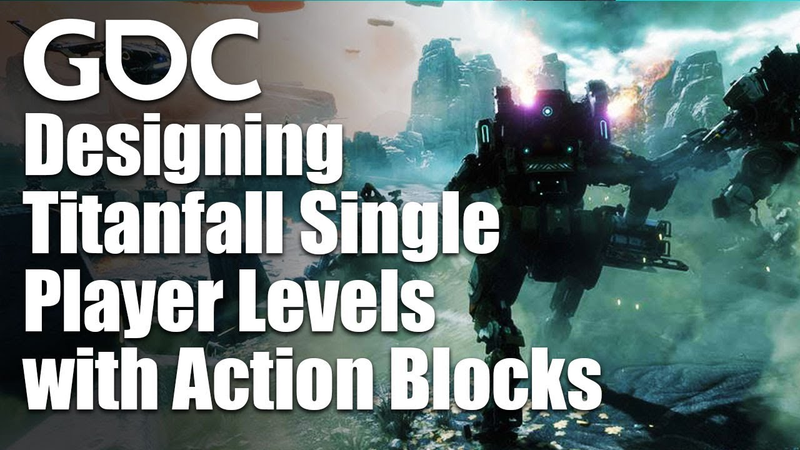
Designing Unforgettable Titanfall Single Player Levels with Action Blocks
The development of the single-player campaign for Titanfall 2 relied on the implementation of action blocks, which are rapid, low-fidelity gameplay prototypes designed to test specific mechanics in isolation.
- Respawn Entertainment utilized a rapid-prototyping technique called 'action blocks' to develop the single-player campaign for Titanfall 2, resulting in approximately 45 distinct gameplay prototypes over a six-week period.
- Action blocks are defined as short, focused design experiments—typically taking no more than one to two weeks to complete—that prioritize testing specific gameplay mechanics like platforming, combat, or puzzles over high-fidelity art or animation.
- The action block process allowed designers to solve complex technical challenges, such as interacting with moving geometry or time-travel mechanics, before committing to full-scale production, thereby preventing costly rework of assets and rigging.
Fast Iteration for Far Cry 4 - Optimizing Key Parts of the Dunia Pipeline
The development of Far Cry 4 necessitated a fundamental overhaul of the Dunia engine pipeline to address the productivity bottlenecks that plagued previous projects.
- By implementing a central build cache that shares object files between users, the team reduced full rebuild times for the PC release target from 40 minutes to under 58 seconds.
- The pipeline was optimized for massive parallelization, utilizing a 32-core machine to spawn over 1,000 processes simultaneously for efficient task distribution.
- To eliminate redundant data distribution, the team implemented a slicing system that breaks packages into parts, hashes them using MD5, and only distributes the specific parts that have changed.
The Business & Development of #Sworcery
The development and commercial performance of Superbrothers: Sword & Sworcery EP demonstrate that prioritizing creative integrity and niche appeal is a more sustainable business strategy for independent studios than chasing broad-market trends.
- Prioritizing creative integrity and niche appeal over mass-market trends proved commercially viable for Superbrothers: Sword & Sworcery EP, which sold over 350,000 copies.
- The iPad served as the primary revenue driver for the project, accounting for more than 75% of total sales and validating the strategy of tailoring high-quality experiences to specific hardware.
- Maintaining a unified creative vision through cross-disciplinary collaboration and a commitment to a polished final product mitigated development risks and established a strong brand identity.
What Wikipedia Doesn't Know Can Hurt You: Writer Research Skills
Game writers must navigate the challenge of establishing narrative credibility across diverse genres without possessing specialized expertise in every subject matter.
- Game writers must move beyond fan-maintained wikis and general online searches to achieve narrative credibility, prioritizing primary sources such as subject matter experts, industry professionals, and survivors.
- To ensure research quality, writers should utilize specialized databases like Expertise Finder and Journalists Toolbox rather than relying on potentially flawed general digital resources.
- The 'one-slice technique' allows writers to maintain narrative momentum by focusing on a single, essential detail per scene to create an illusion of depth without overwhelming the player with exhaustive data.
Indie After College: Surviving the Transition
This presentation provides a pragmatic, cautionary guide for students and recent graduates considering a career in independent game development.
- The indie game market is severely saturated, with annual releases on Steam surging from approximately 400 in 2012 to over 7,500 in recent years, causing median sales per game to plummet.
- Success in independent development is frequently driven by survivorship bias, privilege, and luck rather than merit alone, necessitating a strategic approach to risk management.
- Recent graduates should avoid attempting to build an 'ultimate' thesis project immediately, as the lack of professional experience and financial safety nets significantly increases the risk of burnout.