
Game Developers Conference
Game Developers Conference (GDC, now the GDC Festival of Gaming) is the professional event for the games industry. It publishes recorded talks and interviews, annual industry survey reports such as the State of the Game Industry, and news articles.
Documents

Loot Boxes: Legal Pitfalls and Loopholes
Global game monetization faces a fragmented regulatory landscape, necessitating a strategic approach to design and compliance.
- In the United States, there is no specific federal loot box regulation, but Apple requires games on the iOS App Store to disclose the odds of receiving items by category prior to purchase.
- China maintains the most stringent regulatory environment, requiring developers to disclose the specific odds for every individual item in a loot box and prohibiting 'compulsion loops' that encourage excessive spending.
- European regulations are currently fragmented by country, with Belgium and the Netherlands being the primary nations that have implemented specific restrictions on randomized, purchasable items.
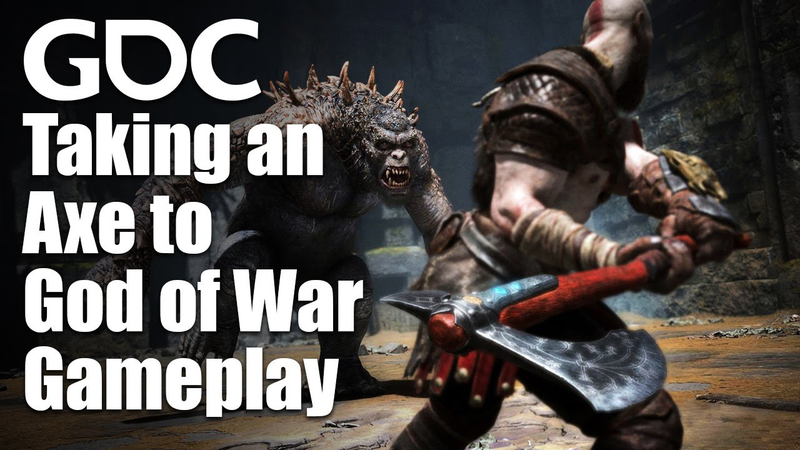
Taking an Axe to God of War Gameplay
The reinvention of the God of War combat system centers on transitioning from a wide-angle, crowd-clearing perspective to an intimate, third-person experience that emphasizes deliberate, tactical engagement.
- The combat system was redesigned from a wide-angle, crowd-clearing perspective to an intimate, third-person experience that prioritizes tactical, deliberate engagement.
- The transition from the Blades of Chaos to a recallable axe shifted the core gameplay loop toward precision, weight, and fluid, interruptible move sets.
- A new stun-based mechanic replaced traditional health-gated grabs, requiring players to manage targets strategically and utilize environmental interactions.
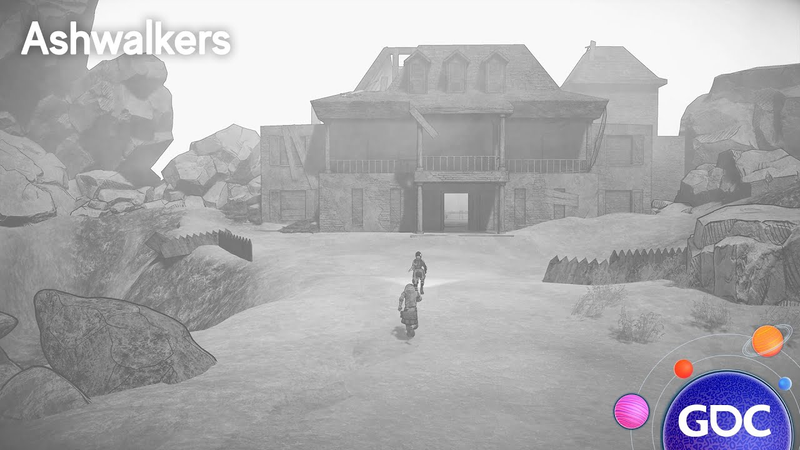
GDC Plays Ashwalkers with Herve Bonin and Matteo Gaulmier
Ashwalkers represents a strategic evolution from a student project at the École supérieure des métiers artistiques into a commercial narrative-driven survival game.
- Nameless13 developed Ashwalkers as a narrative-driven survival game that emphasizes player choice over mechanical skill, intentionally limiting the number of available options in critical moments to increase emotional tension.
- The studio maintained a lean development process by partnering with a publisher, Dear Villagers, to handle marketing and determine the optimal retail price point, which is set under $20.
- To ensure effective visual communication in a minimalist environment, the developers used a specific color palette—primarily red—to signify danger, blood, and critical points of interest.
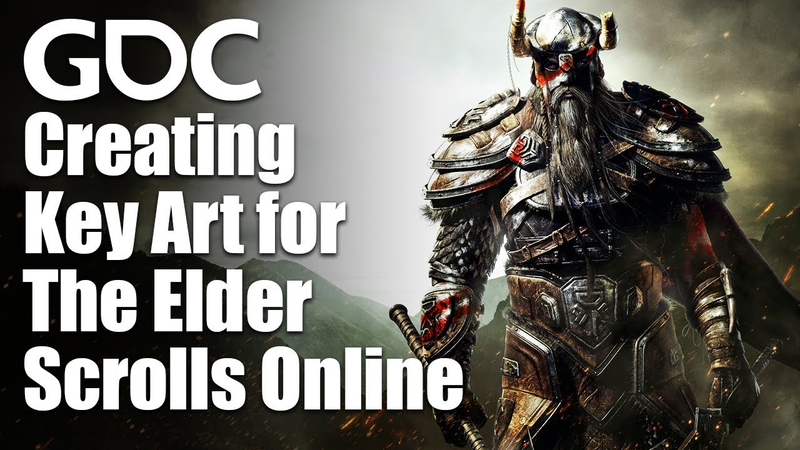
Illustrating Tamriel: Creating Key Art for The Elder Scrolls Online
The creation of high-resolution, hand-painted key art for The Elder Scrolls Online serves as a critical marketing function, requiring an eight-week production cycle to distill complex narrative updates into a single, compelling image.
- Creating key art for The Elder Scrolls Online is an eight-week process, consisting of two to three weeks of planning and compositional sketching followed by six weeks of production.
- Effective key art must distill the core narrative of an update into a single image, avoiding overly specific quest details in favor of broader role-playing themes.
- To manage the limitations of single-image storytelling, artists can use 'plot reversals' where the viewer knows more than the characters, creating dramatic tension by depicting characters unaware of an imminent threat.
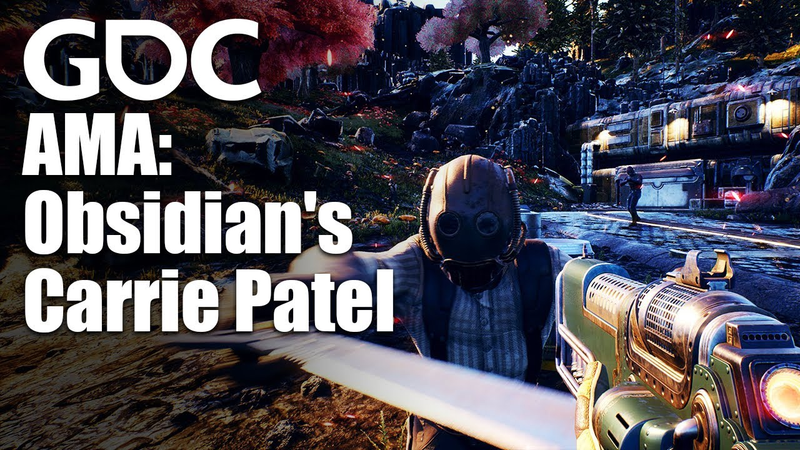
AMA: Q&A with Obsidian Entertainment's Carrie Patel
Carrie Patel, a game director and senior narrative designer at Obsidian Entertainment, outlines her approach to narrative design and game development, drawing on her experience with the Pillars of Eternity and The Outer Worlds franchises.
- Obsidian Entertainment integrates narrative design early in the development process, with writers and narrative designers serving as the same role to ensure world-building and systemic elements like item descriptions remain cohesive.
- When designing open-world RPGs, developers must account for diverse player psychographics—specifically those who prioritize combat, exploration, or deep character-driven storytelling—by providing multiple ways to engage with content.
- Narrative structure in open-world games cannot rely on a rigid three-act model because players may skip intended story beats; designers must instead focus on high-level narrative phases that remain engaging regardless of the order in which players encounter them.

The Art of FAITH: Horror at 192x160 Pixels
The development of the horror game FAITH serves as a case study in how strict aesthetic constraints and low-fidelity visuals can effectively generate dread and compete with high-budget, next-generation horror titles.
- The horror game FAITH achieves atmospheric dread by imposing strict technical constraints, including a 192x160 resolution, a limited color palette, and a 15 frames-per-second cap.
- The developer utilized rotoscoped animations—comprising 75 to 120 hand-traced drawings per sequence—to create an uncanny, lifelike contrast against the low-fidelity pixel environment.
- By leveraging the high level of abstraction inherent in early pixel art, the design successfully exploits the 'fear of the unknown' to compete with high-budget, next-generation horror titles.
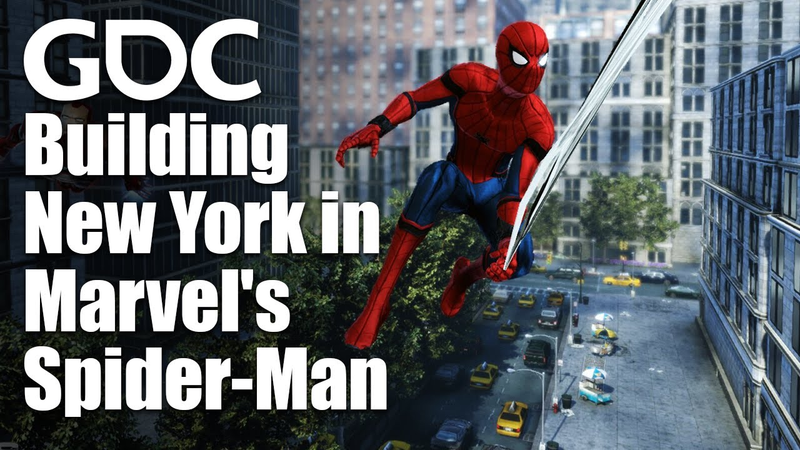
Building New York in Marvel's Spider-Man: It's Still Just Level Design
Creating a compelling open-world experience requires a rigorous, goal-oriented design framework that balances architectural realism with the demands of fluid player movement.
- Effective open-world design requires a rigorous hierarchy of objectives that balances architectural realism with the specific, fluid movement requirements of the player.
- Early-stage prototyping using scaled-down testbeds is essential to establish critical spatial metrics, such as building heights, street widths, and block sizes, before full-scale production.
- Strategic adjustment of environmental boundaries and traffic systems is necessary to resolve conflicts between realistic city layouts and the high-speed traversal mechanics required by the game.
Special: The Texas Winter Storm Episode - GDC Podcast
The 2021 Texas winter storm serves as a critical case study on the fragility of modern infrastructure and the necessity of individual and community-level resilience.
- The 2021 Texas winter storm demonstrated that prioritizing systemic efficiency over redundancy creates critical vulnerabilities in essential infrastructure like power, water, and heating.
- Infrastructure systems must be designed to handle unprecedented environmental stressors, as complex networks are inherently prone to cascading failures when capacity is exceeded.
- Community-led mutual aid and resource sharing proved more reliable than centralized systems during the total utility collapse, serving as a vital survival mechanism.

Making Magic: A Business Model for Divergent Thinkers
Velan Studios, founded in 2016 by Guha and Karthik Bala, operates on a business model centered on divergent thinking to create unique, breakthrough gaming experiences.
- Velan Studios, founded in 2016 by Guha and Karthik Bala, prioritizes divergent thinking and rapid prototyping to discover an 'atomic core of fun' before committing to full-scale production.
- The studio decouples R&D from traditional financing, favoring iterative experimentation over market studies or pitch decks to ensure projects possess a defensible 'secret sauce.'
- Projects must meet three core criteria: simplicity, technical defensibility that is difficult for competitors to replicate, and the potential for long-term player engagement.
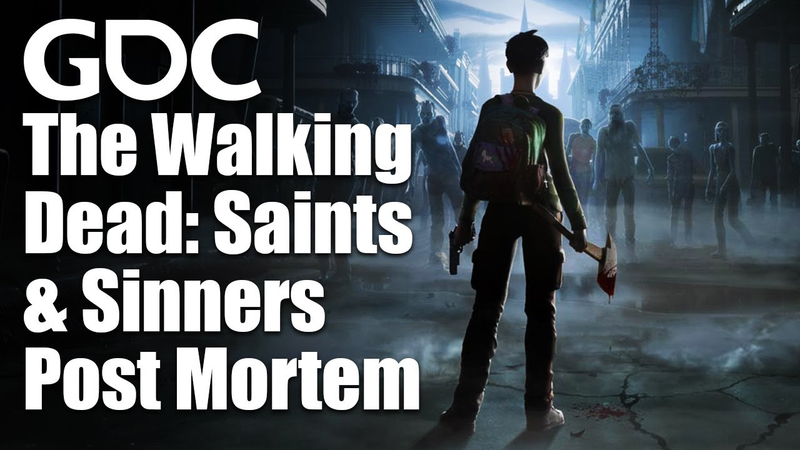
Making Great VR Games: A Postmortem on Skydance Interactive's The Walking Dead: Saints & Sinners
The Walking Dead: Saints & Sinners demonstrates that the path to successful virtual reality development lies in prioritizing player agency and physical immersion over scripted narrative sequences.
- Successful VR development requires prioritizing player agency and physical immersion through systemic gameplay loops rather than relying on scripted narrative sequences.
- Implementing a tension engine centered on resource scarcity, weapon degradation, and tactile inventory management forces players into high-stress survival cycles that enhance the game's realism.
- VR production timelines and iterative playtesting requirements significantly exceed those of traditional 2D game development due to the need for hardware-specific optimization.
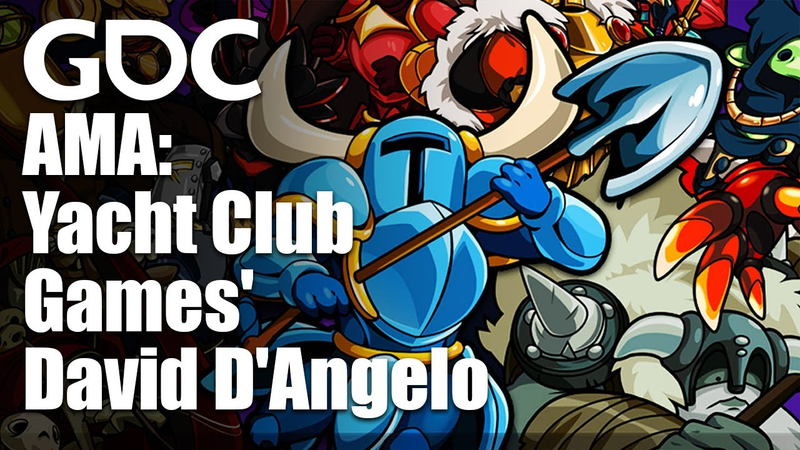
Ask Me Anything: Q&A with Yacht Club Games' David D'Angelo
Yacht Club Games operates on a philosophy that prioritizes precise, mathematically defined mechanics to ensure player movement and combat feel intentional.
- Yacht Club Games maintains a team of 24 employees and manages project workflows by holding regular meetings every one to two weeks to track task progress and team capacity.
- The studio designs gameplay mechanics using strict numerical metrics, such as jump height and tile coverage, to ensure consistent level design and satisfying player movement.
- When developing DLC like Plague Knight or Specter Knight, the studio focuses on high-level concepts—such as 'feeling cool' or solving context-sensitive button prompts—to dictate character movement and ability constraints.
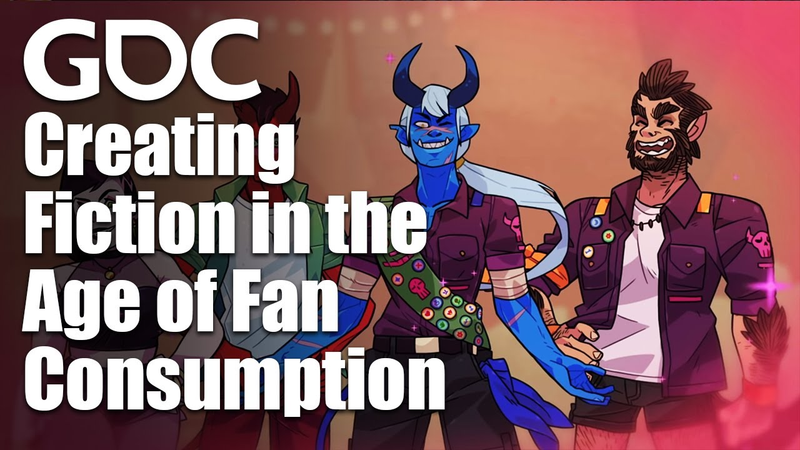
Fandom-Ready: Creating Fiction in the Age of Fan Consumption
Modern game development thrives by transitioning casual users into deeply invested participants through the creation of multi-layered, identity-driven fiction.
- The primary objective for modern game development is to convert casual users into long-term, invested participants by fostering a sense of belonging and identity-driven engagement.
- The 'first big choice' marketing technique uses identity-based decisions—such as elemental or zodiac-inspired archetypes—to allow players to project their personal identities onto the game immediately.
- Grounding complex or fantastic narratives in mundane, relatable environments like schools or workplaces reduces initial consumer apathy and increases emotional investment.