
Game Developers Conference
Game Developers Conference (GDC, now the GDC Festival of Gaming) is the professional event for the games industry. It publishes recorded talks and interviews, annual industry survey reports such as the State of the Game Industry, and news articles.
Documents
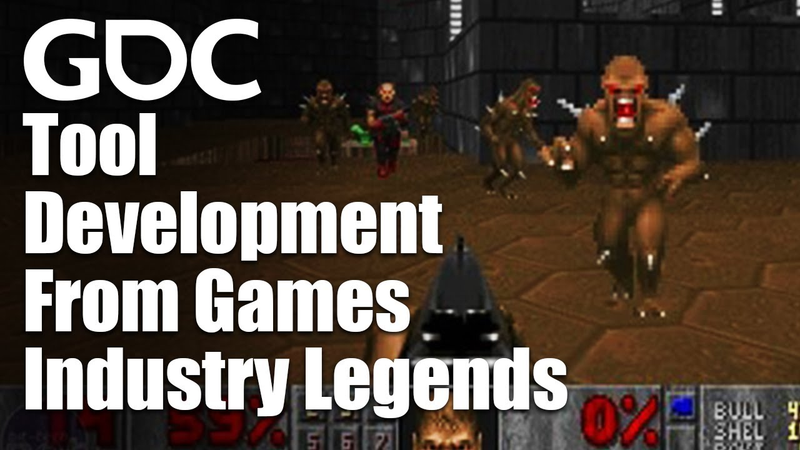
What I Learned About Tools Development From Games Industry Legends
The primary thesis of this analysis is that game development tools frequently outlive the specific projects for which they were originally created, often becoming foundational elements for future titles or independent communities.
- Game development tools often outlive their original projects, with examples like the Tile Editor (TED) being utilized across 33 different game titles.
- Developers should prioritize long-term usability and user experience because tools frequently become foundational infrastructure for future titles and independent communities.
- To ensure longevity, developers must adopt a user-centered design approach that focuses on solving core user problems rather than simply implementing requested features.

AMA: Q&A with Demon's Souls Creative Director Gavin Moore
The Demon’s Souls remake serves as a case study in balancing the preservation of a cult classic with the technical demands of a next-generation console launch.
- The Demon’s Souls remake preserved the original game's core identity by using the original code as a foundational framework to maintain specific AI behaviors, combat timing, and atmospheric design.
- Technical modernization for the PlayStation 5 launch focused on performance enhancements, specifically transitioning the game to 60 frames per second and integrating haptic feedback to deepen player immersion.
- The development strategy prioritized a disciplined creative vision that balanced the rigid constraints of a console launch-title deadline with the preservation of the source material's legacy.
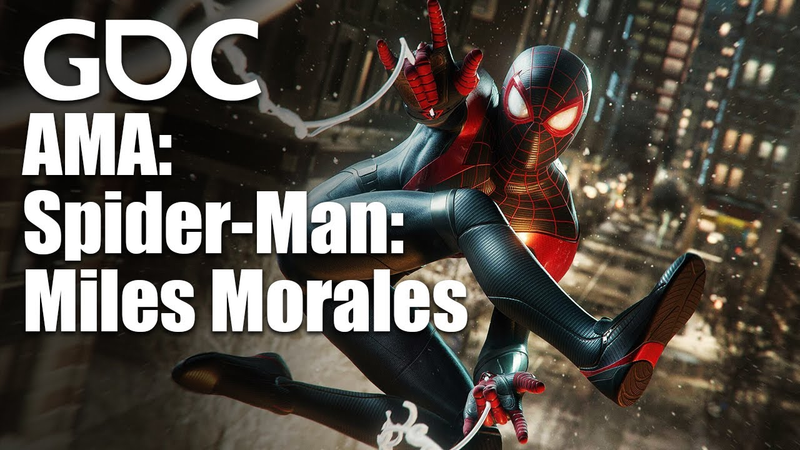
AMA: Brian Horton, Creative Director on Insomniac Games’ Marvel’s Spider-Man: Miles Morales
Marvel’s Spider-Man: Miles Morales serves as a focused character study that establishes Miles as a distinct hero through unique bioelectric powers and a narrative deeply rooted in the protection of his Harlem community.
- Insomniac Games utilized a focused, intimate narrative scope to establish Miles Morales as a distinct hero while maintaining high production quality during the logistical constraints of the global pandemic.
- The development team differentiated Miles from Peter Parker by creating unique combat styles and traversal animations, supported by specialized motion capture techniques.
- Authenticity in the Harlem setting was achieved through direct collaboration with local residents and story consultants, alongside the integration of American Sign Language via professional ASL actors.
Making Marketing Mistakes
Marketing in the game industry is an inherently experimental process where failure is not only inevitable but serves as a vital catalyst for professional growth.
- Marketing failure should be reframed as a vital resource for professional growth rather than a source of personal shame.
- Failures are categorized into three distinct types: preventable errors, system-related process issues, and intelligent failures resulting from new ventures.
- Effective post-mortem analysis requires focusing on the 'what' of a failure rather than the 'who' to identify root causes and specific skill gaps.
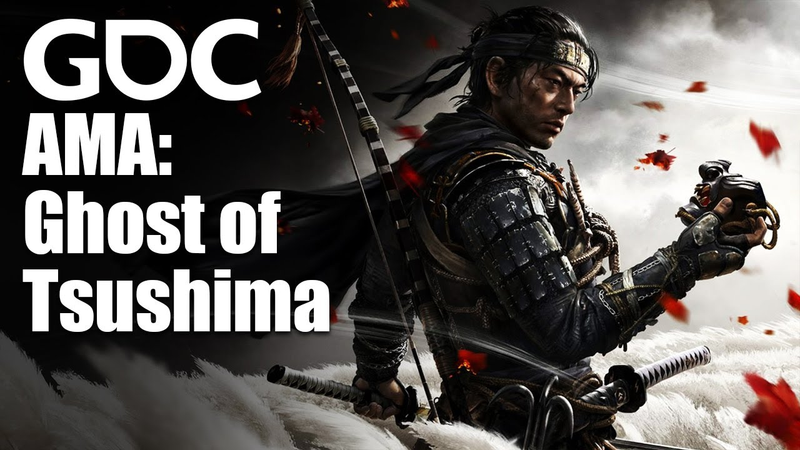
AMA: Sucker Punch Productions Co-founder Brian Fleming talks Ghost of Tsushima
The development of Ghost of Tsushima represents a masterclass in iterative design and disciplined scope management within the AAA gaming landscape.
- Sucker Punch’s development of Ghost of Tsushima was a six-year project that required a significant shift in technical infrastructure, including increasing the game's map tiles from 100 to 1,200 and quadrupling their size, which caused major instability for 18 to 24 months.
- To maintain cultural authenticity, the development team partnered with Japanese experts to ensure every kanji character used in the game existed in the 13th century.
- The studio’s primary lesson on game design is that excessive complexity in individual systems can overwhelm the player; developers should prioritize simplicity in each component to ensure the overall experience remains cohesive.

The Passion Project: Catalyst to Creativity and Cure for the Stagnate
This presentation explores the role of personal passion projects as a vital tool for professional development, creative growth, and career longevity for artists in the entertainment and game industries.
- Treating personal art as a structured project rather than a sporadic hobby builds a portfolio that emphasizes genuine passion, which is often more compelling to employers than technical proficiency alone.
- Observational sketching, such as plein air or urban sketching, functions as 'muscle building' for the mind, improving an artist's fundamental understanding of structure, lighting, and composition.
- Prioritizing the strength of a core idea over technical polish by leaving sketches intentionally rough encourages viewer engagement, as the audience projects their own imagination into the undefined areas.
Three Steps to Becoming a Better Artist Immediately
In this 2018 GDC presentation, ArenaNet Studio Art Director Horia Dociu outlines three fundamental, actionable steps designed to improve artistic output immediately.
- Artistic success in game development relies on three foundational habits: professional collaboration, intentional planning, and the disciplined use of reference materials.
- Artists must define a 'design spec' by identifying the who, what, where, and why of a project before beginning execution to ensure visual communication is purposeful rather than generic.
- Professional conduct is as critical as technical skill, as the collaborative nature of game development requires artists to be receptive to feedback and maintain a positive working environment.

Building Headquarters: The Social Hub in Call of Duty WWII
Headquarters, a 48-player social hub introduced in Call of Duty: WWII, was designed to evolve the franchise’s traditional menu-based lobby system into an immersive, persistent military base.
- Sledgehammer Games developed 'Headquarters' for Call of Duty: WWII as a 48-player social hub designed to supplement the core multiplayer experience with non-combative activities, such as character customization, minigames, and social interaction.
- The 'Orders and Contracts' system successfully increased engagement with specific game modes and new downloadable content, serving as a primary driver for community activity and daily player retention.
- The 'Social Score' system was implemented to encourage positive community behavior, allowing players to 'commend' others for their contributions, such as custom emblems or weapon paint jobs.
World Design for Different Player Types
World design requires a strategic, audience-centered approach that prioritizes specific player motivations over the attempt to satisfy every possible demographic.
- Designers should utilize the Gamer Motivation Model to categorize players into specific clusters—such as immersion, social, or mastery—to avoid feature creep and over-scoping.
- Immersion-driven players respond better to cohesive, narrative-linked zones rather than the disconnected, excessive content that caused fatigue in titles like Dragon Age: Inquisition.
- Multiplayer world design must balance activity friction, utilizing low-barrier mechanics for public spaces while reserving high-coordination, trust-based tasks for self-organized groups like raids.
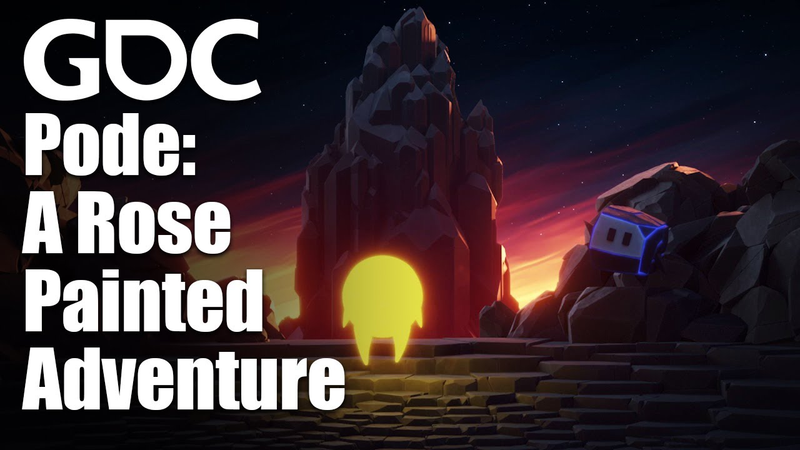
Pode, a Rose Painted Adventure
The 2019 GDC session on the development of Pode details the visual design philosophy and production strategies employed by the Norwegian studio Henchman & Goon.
- Henchman & Goon utilized a modular asset production strategy to maintain high visual fidelity despite a small team size of four to seven people and limited funding.
- The studio employed fixed camera angles to enable 'fake' lighting and optimized volumetric effects that would be computationally prohibitive in a free-camera environment.
- To communicate mechanics without text or speech, the team adopted a visual language inspired by the Norwegian national romantic movement and traditional rose painting.
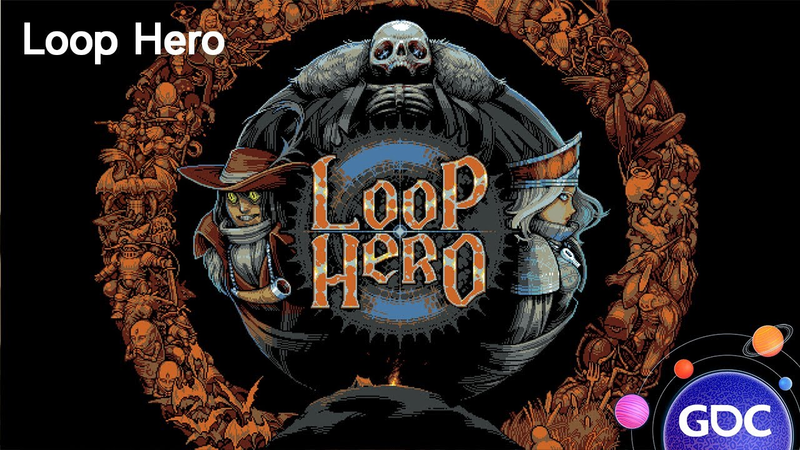
GDC Plays Loop Hero with Four Quarters team
Loop Hero centers on a unique design philosophy that shifts the player’s role from a direct combatant to an architect of the environment.
- Loop Hero originated during a 2019 Ludum Dare game jam, where the team focused on the core concept of a hero walking in circles to create an engaging 'zero-player' experience.
- The game's design relies on a 'mental training' philosophy where players act as passive observers, similar to watching a stream or caring for a Tamagotchi, rooting for the character's success despite having limited direct control.
- Developers implemented a complex enemy skill system where each chapter introduces new abilities for enemies, resulting in over 100 unique skills that required extensive coding and debugging to prevent game-breaking interactions.
Narrative Nuances on Free-to-Play Mobile Games
Successful narrative design in the free-to-play mobile sector hinges on prioritizing emotional resonance over the mere transmission of lore.
- Prioritize emotional resonance and character-driven storytelling over lore-heavy exposition to drive long-term player retention.
- Implement a sitcom-style narrative structure featuring unresolvable dilemmas and frequent, small-scale arcs to maintain engagement in fast-paced mobile environments.
- Use the 'triangle technique' to integrate player input into NPC interactions, grounding choices in character relationships to foster a sense of personal expression.