
Game Developers Conference
Game Developers Conference (GDC, now the GDC Festival of Gaming) is the professional event for the games industry. It publishes recorded talks and interviews, annual industry survey reports such as the State of the Game Industry, and news articles.
Documents
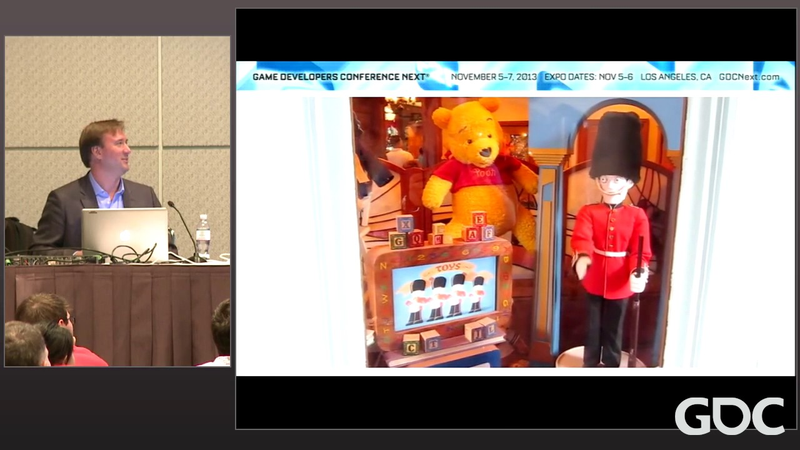
Location-Based Interactive Storytelling the Walt Disney Imagineering Way
Walt Disney Imagineering integrates core game design principles into physical theme park environments to transform passive observation into active, immersive storytelling.
- Walt Disney Imagineering transforms theme park environments into immersive narratives by treating guests as protagonists through physical exploration and agency.
- Effective location-based experiences prioritize intuitive, 30-second onboarding to ensure accessibility across multi-generational demographics.
- Designers manage high-traffic operational constraints by utilizing non-linear quest structures and tiered difficulty levels to prevent bottlenecks and excessive backtracking.
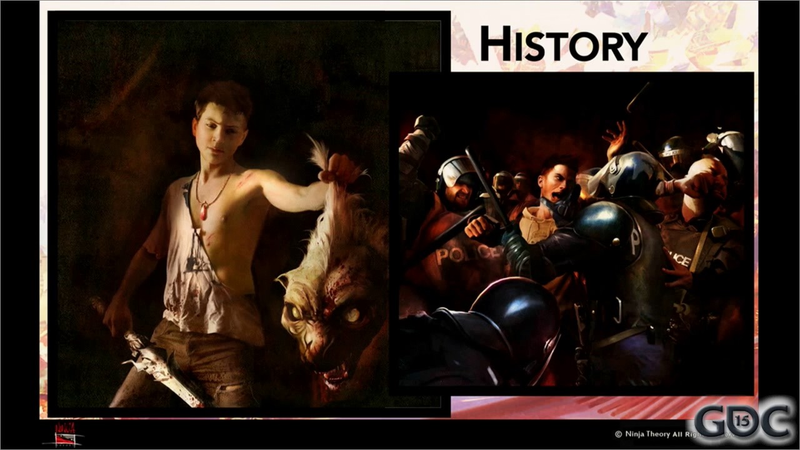
Art Direction Bootcamp: How Being Different Makes All The Difference
In this 2015 GDC presentation, Ninja Theory’s visual director Alessandro Taini outlines a philosophy of art direction centered on the pursuit of originality through unconventional creative processes.
- Art direction should prioritize originality by resisting generic industry tropes and avoiding literal keyword-based brainstorming, which often leads to clichéd visual results.
- Creative teams should derive inspiration from non-gaming sources such as fine art, experimental animation, and real-world materials to ensure a distinct and authentic aesthetic.
- Visual direction should function as a 'digital double' of the creator, incorporating personal history and diverse cultural influences to move beyond derivative design.
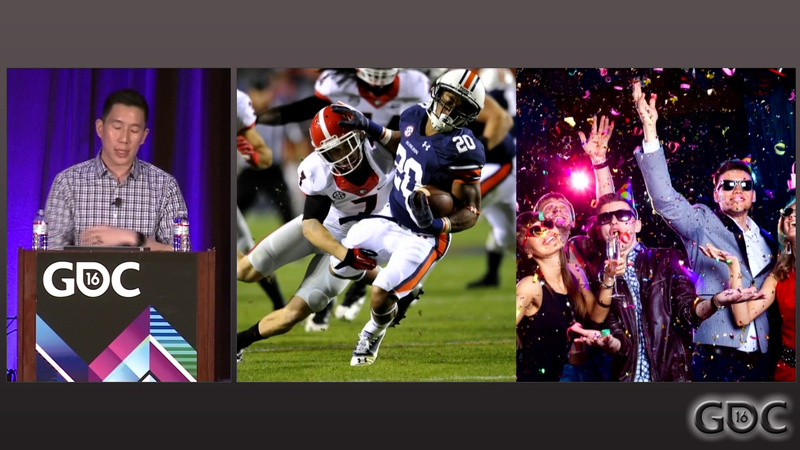
The Gamer Motivation Profile: Model and Findings
Gaming motivations are driven by 12 core factors categorized into three primary clusters: Action-Social, Mastery-Achievement, and Immersion-Creativity.
- Age is a more reliable predictor of gaming motivation than gender, accounting for twice the variance in player preferences across most categories.
- Gaming motivations are structured into 12 core factors grouped into three primary clusters: Action-Social, Mastery-Achievement, and Immersion-Creativity.
- Gender-based differences in competitive play diminish significantly after age 45, suggesting that industry design strategies should prioritize age-based segmentation over gender-based assumptions.

League of Legends: Scaling to Millions of Summoners
League of Legends maintains its position as a global gaming phenomenon by prioritizing a player-centric development philosophy that ensures feature accessibility across a massive, rapidly expanding user base.
- The platform scaled from 15 million to 32 million registered users by utilizing a Java-based stack integrated with NoSQL technologies including Oracle Coherence, Redis, and MongoDB.
- NoSQL layers are treated as primary data sources rather than secondary caches to achieve predictable, linear horizontal scaling and high-performance data management.
- Operational stability is maintained through a split-model architecture that ensures game server provisioning speed remains constant regardless of total concurrent player load.

A Course About Game Balance
Game balance functions as a critical intersection of mathematical rigor, systemic design, and human psychology, requiring designers to move beyond intuition toward quantifiable analysis.
- Effective game balance requires transitioning from intuition-based design to quantifiable analysis using mathematical modeling and statistical reasoning.
- Designers should utilize accessible tools like Excel to perform probability analysis, Monte Carlo simulations, and algebraic modeling of resource economies and loot tables.
- Formalizing balance education focuses on mastering probability and transitive mechanics before introducing complex game theory frameworks.
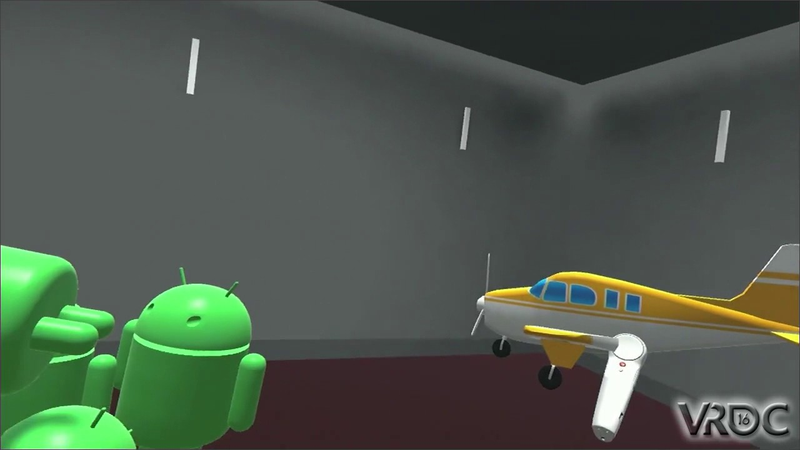
Lessons Learned from VR Prototyping
Successful virtual reality development relies on a philosophy of rapid, iterative prototyping that prioritizes experiences designed specifically for the medium rather than mere adaptations of traditional gaming genres.
- Prioritize rapid, iterative prototyping that focuses on experiences designed specifically for VR rather than adapting traditional gaming genres.
- Mitigate motion sickness by implementing constant velocity movement, blink teleportation, and dynamic field-of-view narrowing.
- Enhance immersion through high-quality spatial audio, consistent haptic feedback, and algorithmic assistance that interprets imprecise user inputs to keep physical movements within comfortable ranges.
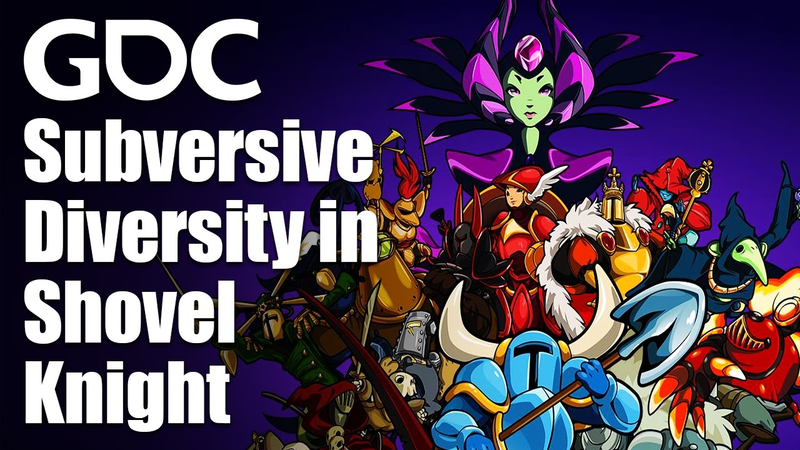
Knights, Fist Fights, Lasers & Catacombs: Subversive Diversity to Improve Our Games
Meaningful diversity in game development requires moving beyond superficial aesthetics to integrate inclusive design from the earliest stages of production.
- Diversity in game development should be an intentional design choice integrated from the beginning of production, rather than a superficial veneer added at the end, to avoid it being easily discarded or poorly implemented.
- Developers should avoid relying on lazy tropes, such as assigning specific gender roles to character stats or using 'color-swapped' character models that lack unique backstories, as seen in games like Crypt of the NecroDancer where character models were identical despite different skin tones.
- Inclusive character design requires authentic representation; for instance, developers should consult with diverse teams to avoid harmful stereotypes, such as the inaccurate depiction of black hair in Broken Age.
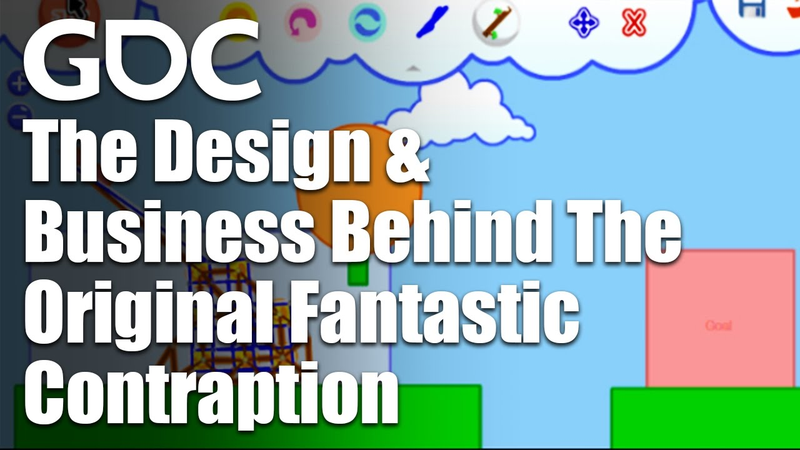
The Design & Business Behind The Original Fantastic Contraption
The development of Fantastic Contraption demonstrates that independent game success stems from prioritizing intuitive physics over strict realism and fostering community-driven engagement.
- Fantastic Contraption generated approximately $200,000 in revenue within its first three months by utilizing a viral, community-integrated model that allowed players to share unique URLs of their designs.
- The game’s growth was driven by a free-to-play model offering twenty levels at no cost, though the developer noted this strategy may have hindered long-term monetization potential.
- Objective, silent user testing is the most reliable method for calibrating puzzle difficulty and identifying gaps in the learning curve to prevent early player abandonment.
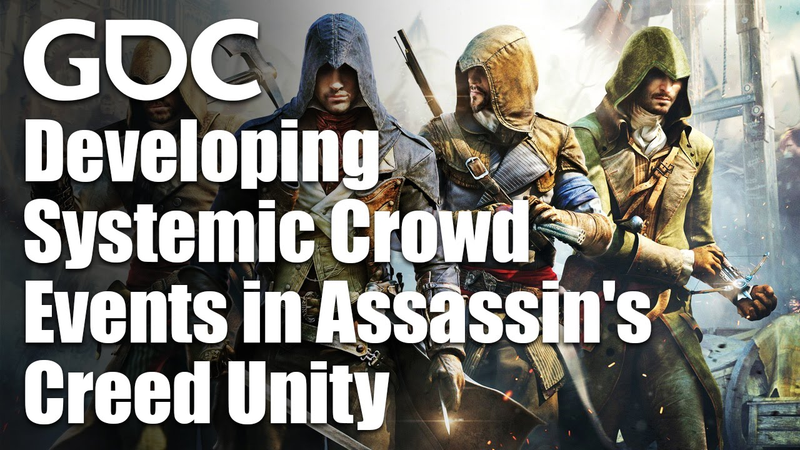
Developing Systemic Crowd Events in Assassin's Creed Unity
The development of Assassin’s Creed Unity represents a fundamental shift in open-world design, moving away from static, scripted sequences toward a dynamic, systemic ecosystem.
- The game engine supports up to 10,000 simultaneously interactive NPCs, anchored by over 500 hand-placed crowd stations that provide spatial context for emergent social behaviors.
- Systemic events are built on a modular three-part framework—introduction, challenge, and resolution—which allows for the rapid assembly of diverse, faction-based scenarios.
- To protect narrative integrity, designers use master switches and exclusion zones to tune or disable emergent events in specific areas without compromising mission-critical objectives.

Beat it: A Retrospective of Need for Speed: Hot Pursuit
Need for Speed: Hot Pursuit serves as a pivotal case study in bridging the gap between console connectivity and actual player behavior.
- Criterion Games developed the 'Autolog' system for Need for Speed: Hot Pursuit to facilitate asynchronous social interaction, allowing players to compete with friends without requiring them to be online simultaneously.
- The Autolog system utilized a 'beat it' recommendation engine that specifically targeted players with notifications when a friend surpassed their leaderboard time, creating a persistent competitive loop.
- To maximize engagement, the game featured a dynamic feed that tracked every action and provided direct, in-game calls to action, allowing players to jump immediately into events where their friends had recently set records.
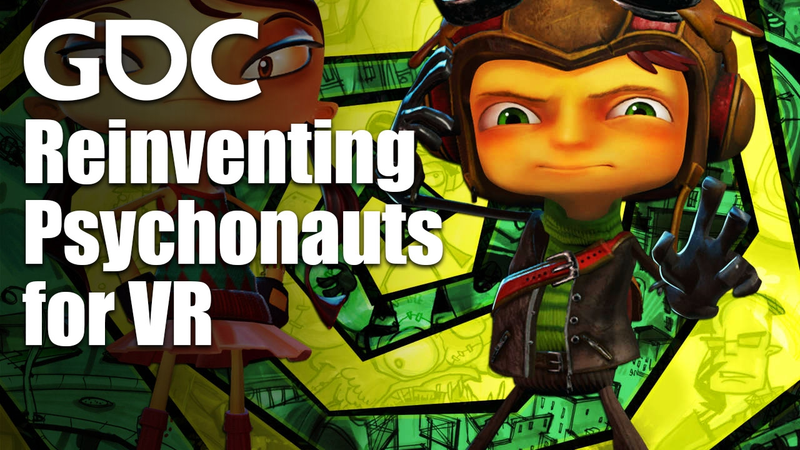
Reinventing Psychonauts for VR
Adapting the Psychonauts franchise for virtual reality necessitates a fundamental departure from traditional third-person platforming mechanics in favor of a first-person, puzzle-centric design.
- Transitioning third-person platformers to VR requires a fundamental shift to first-person, puzzle-centric design to mitigate motion sickness and ensure player comfort.
- Developers implemented a teleportation-based navigation system using the game's existing Clairvoyance mechanic, allowing players to inhabit different characters to avoid camera-induced disorientation.
- Head-tracking for targeting necessitates the use of generous, sticky selection mechanics to compensate for the lack of precision compared to traditional controller inputs.
Finding Life for Game Monetization Beyond the Megahit
The primary objective of game monetization beyond the initial "megahit" phase is to extend the lifecycle and profitability of established titles through strategic ad integration, cost-efficient operations, and community management.
- Monetizing non-paying users through in-game video advertising is a viable strategy for extending the lifecycle of games that have passed their peak popularity, as evidenced by RockYou's 100 million dollar annual ad run rate in 2014.
- Programmatic video ads now account for 90% of RockYou's video revenue, with the company serving 1 billion impressions per month across its network.
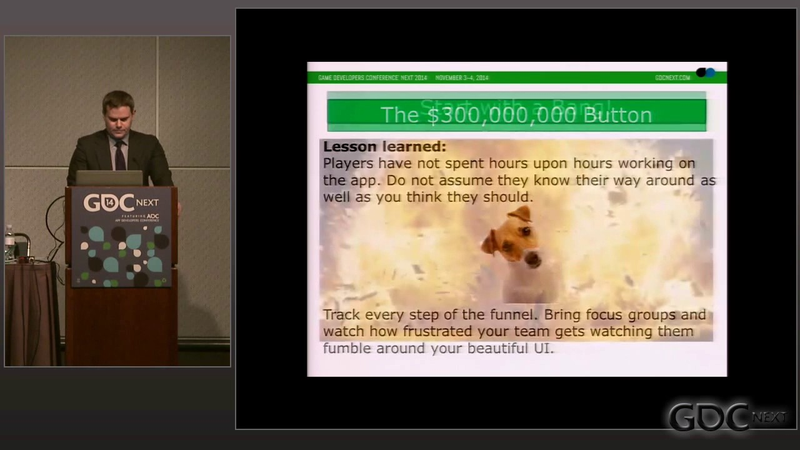
- Optimizing user flows by removing unnecessary registration steps and tutorial friction is critical, as even minor UI hurdles can significantly increase user drop-off rates.