
European Conference on Games Based Learning (ECGBL)
Annual European conference on game-based learning and serious games; its proceedings are published open access (CC BY) by Academic Conferences International.
Documents
Cultural Game Jam Model: A Quadruple Helix Intervention
The Cultural Game Jam Model presents an intervention developed under the EPIC-WE project, a Horizon Europe initiative that applies a Quadruple Helix framework linking a municipality, a games company, university researchers, and youth participants.
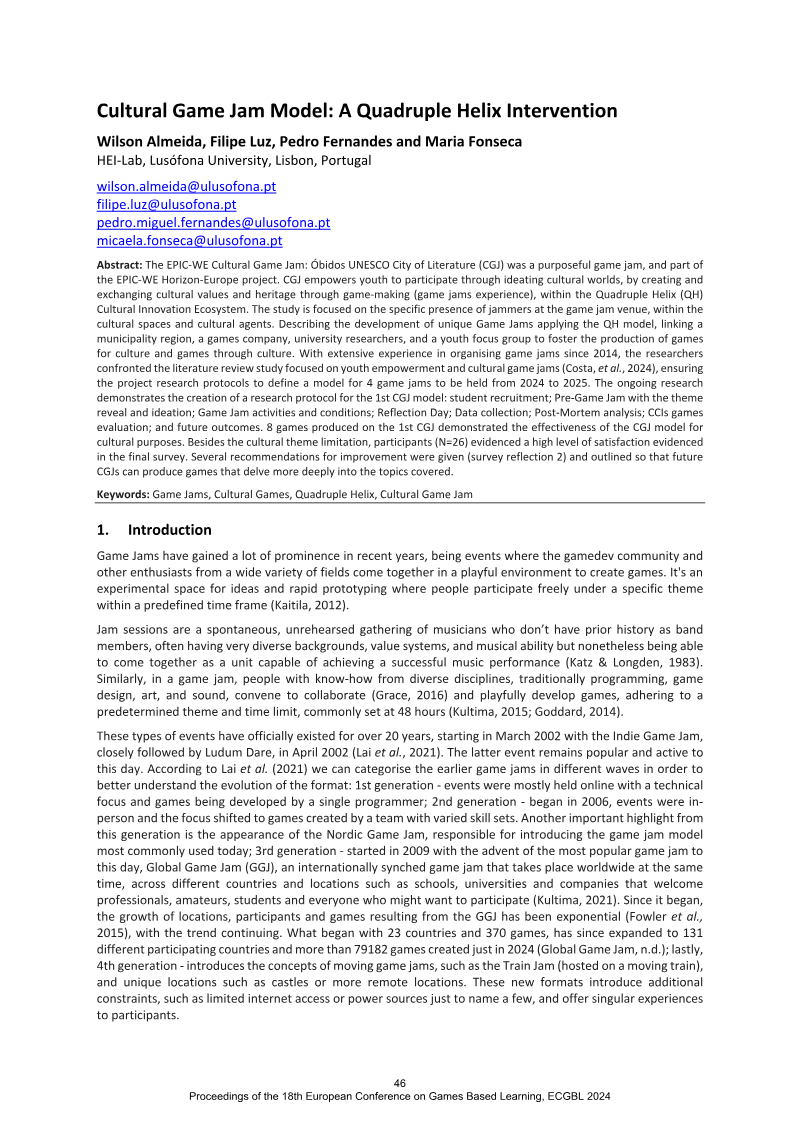
- The Cultural Game Jam Model is an intervention under the EPIC-WE Horizon Europe project that applies a Quadruple Helix framework linking a municipality, a games company, university researchers, and youth participants, testing whether a locally cultural game jam can produce culturally meaningful games while sustaining engagement.
- The first pilot in Óbidos, Portugal drew more than 26 participants, mostly first-year Videogames students motivated by portfolio building, novelty, and interest in local culture, and produced eight games, several drawing directly on the village's physical setting.
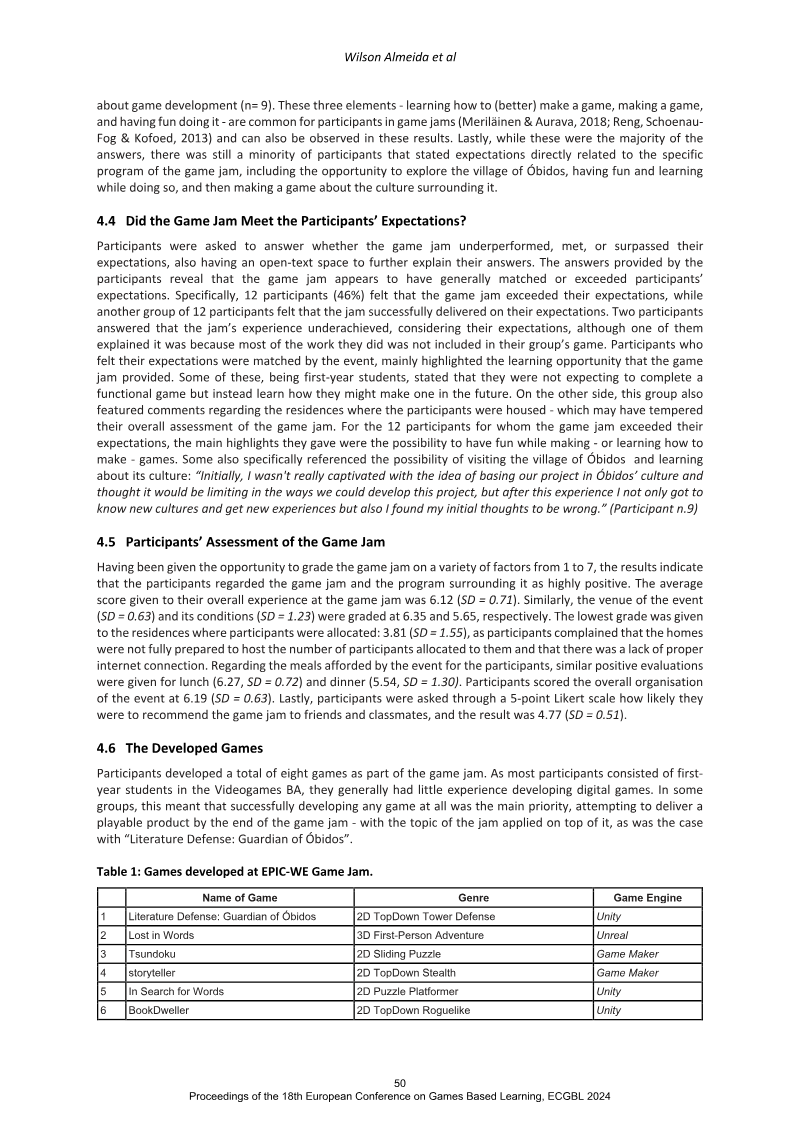
- Participants rated the overall experience highly at 6.12 out of 7, with venue and organization also scoring well, but accommodations scored lowest at 3.81 out of 7 due to poor preparation and unreliable internet access.
Leveling Up Learning: Game Based Learning Initiatives in Canadian Higher Education
Game-based learning (GBL) and gamification are increasingly visible in Canadian higher education, yet the field remains uneven and under-structured.
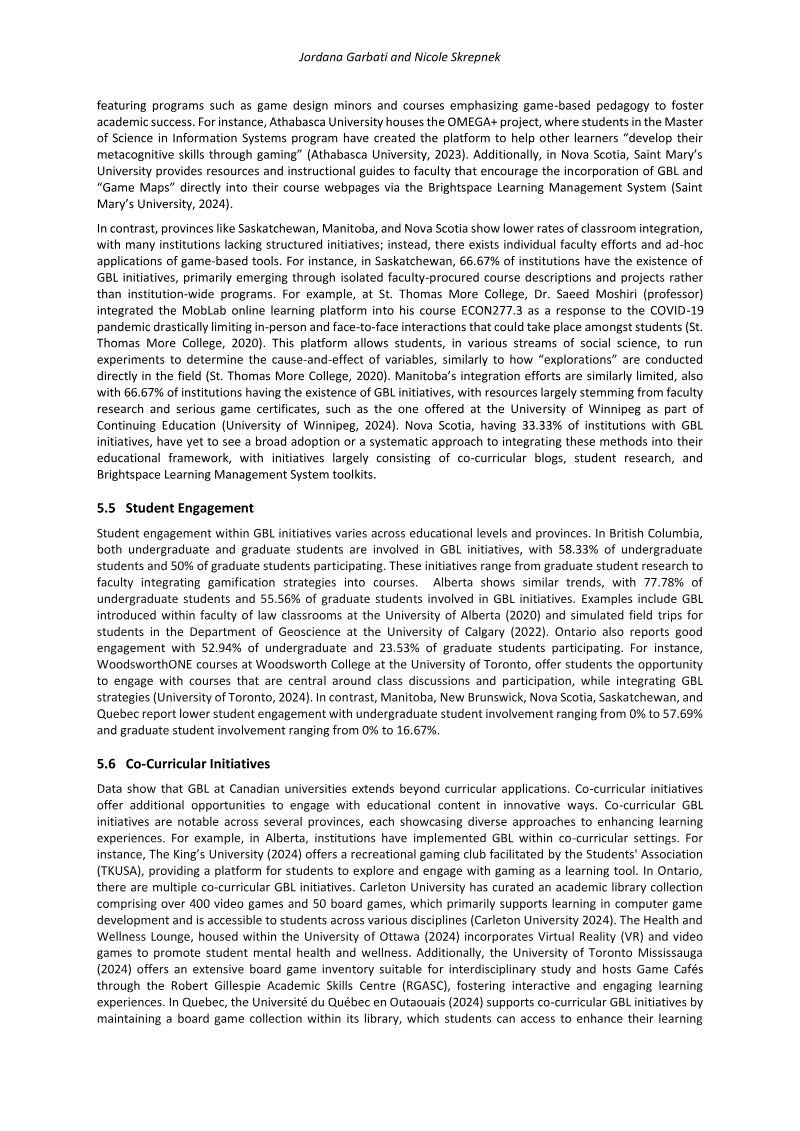
- Of 108 accredited Canadian universities surveyed, 75 reported some form of game-based learning (GBL) initiative, though none are located in the three territories, and adoption varies sharply by province.
- Activity is concentrated in Alberta, British Columbia, and Ontario, which lead in curricular, co-curricular, and research engagement; British Columbia and Alberta each report curricular integration at 66.67 percent of institutions, and undergraduate engagement reaches 77.78 percent in Alberta.
- Nova Scotia, Saskatchewan, and Manitoba show limited institution-wide adoption, and several institutions in Quebec, New Brunswick, and Nova Scotia offer no GBL programming at all.
The Open Data Newsroom: A Game Approach for Developing Open Data Competencies in Elementary School
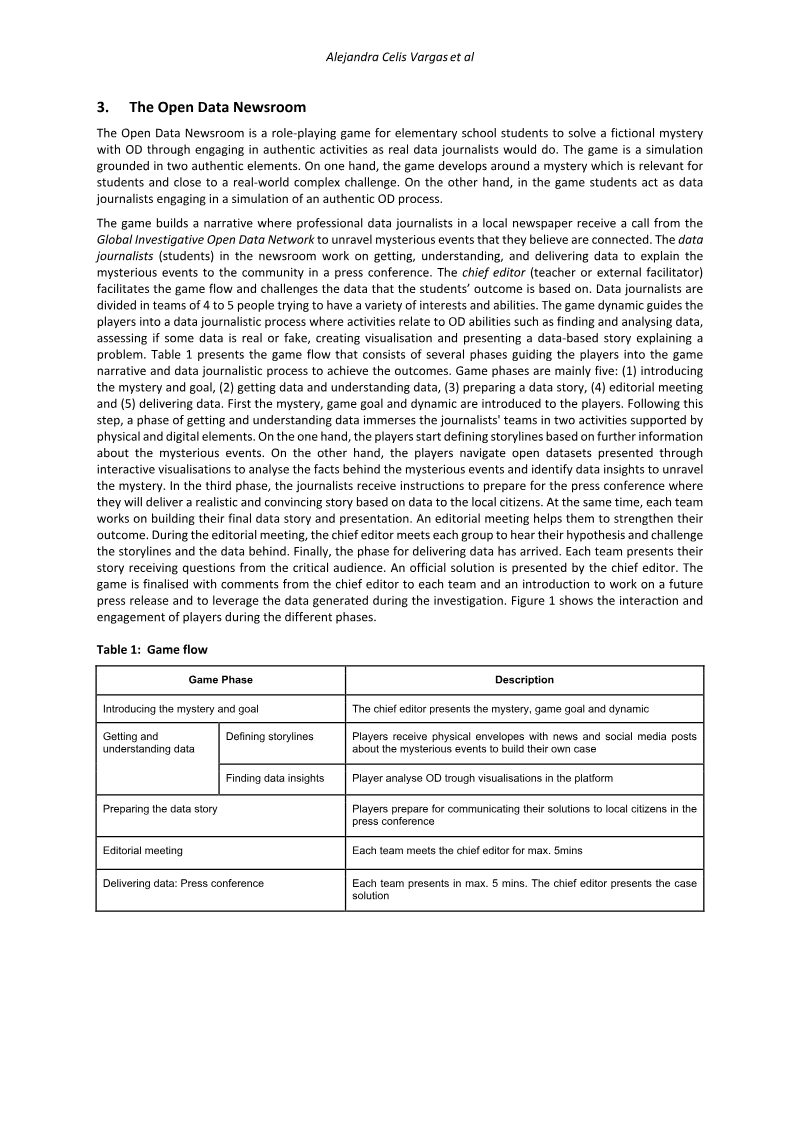
"The Open Data Newsroom" presents a role-playing game in which students act as data journalists, working through three phases of getting, understanding, and delivering open data to solve a mystery.
- The Open Data Newsroom is a role-playing game in which students act as data journalists across three phases (getting, understanding, and delivering open data) to solve a mystery, aimed at building open data literacy in elementary-age learners.
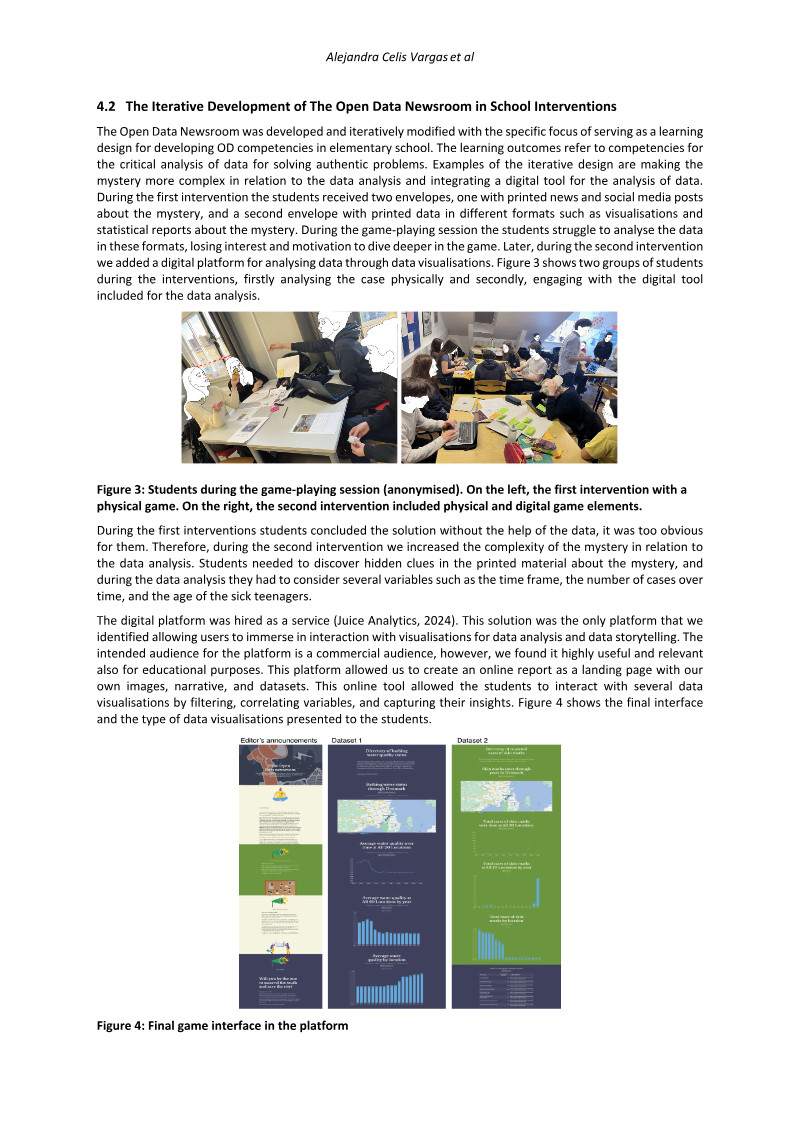
- Development used design-based research with iterative test cycles; the first intervention (physical elements only) yielded simplistic solutions, limited data use, and declining engagement during analysis, which led to adding a digital visualization platform and a more complex mystery.
- The second intervention, with students aged 14 to 16 in Danish schools, showed stronger outcomes: deeper analytical reasoning, scrutiny of dataset validity (e.g., spotting 2024 bathing-water data before the season had begun), and independent searches for additional open data sources.
Investigating the Role of Adaptivity in Video Games for Attitude Change
This paper proposes and plans an empirical test of whether video games can change players' attitudes more effectively when their persuasive content is adapted to each player's initial attitudes.
- The paper is a proposal for an empirical test of whether games can change player attitudes more effectively when persuasive intensity is tailored to each player's initial attitudes, reducing resistance from players who hold negative views; no results are reported yet.
- The core premise is that credibility bias and motivated reasoning lead negatively disposed players to discount persuasion, so softening content for them while delivering full-strength content to favorable players may reduce that resistance.
- The authors position this as a research gap: prior adaptive game work adjusted difficulty or personality-based persuasion but did not adapt to initial attitudes, and the study is framed within the APE dual-process model of explicit and implicit attitudes.
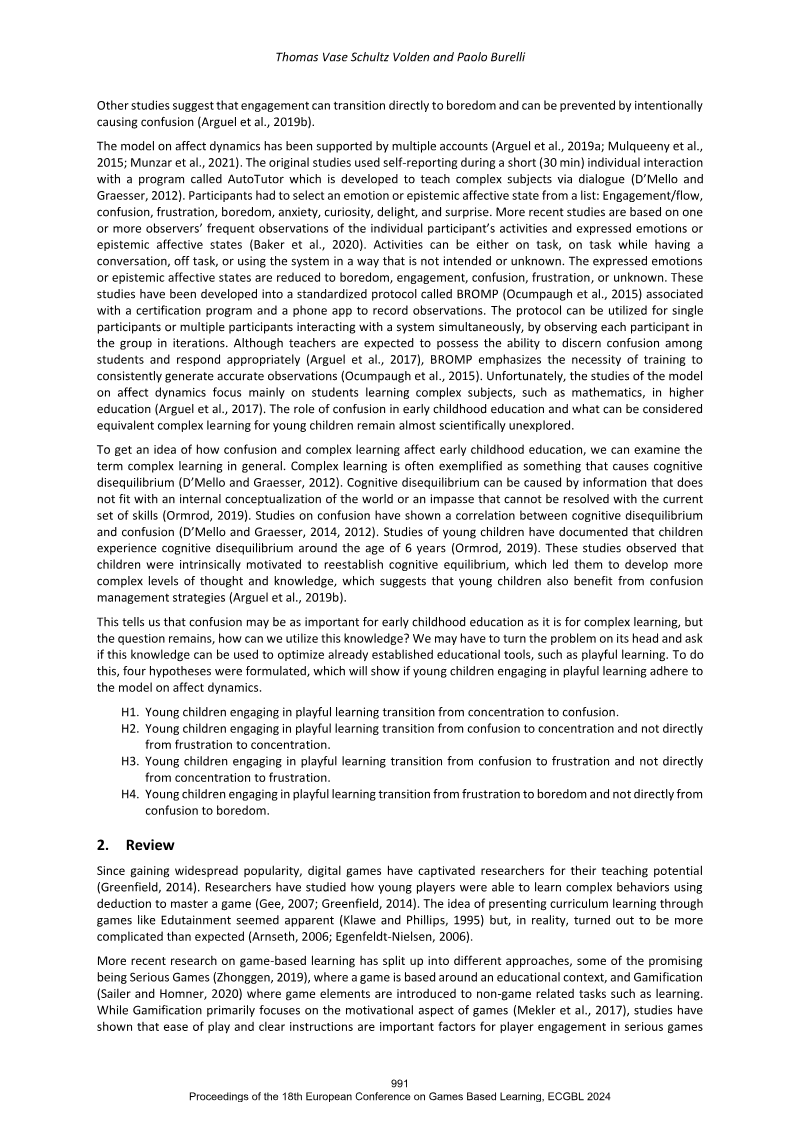
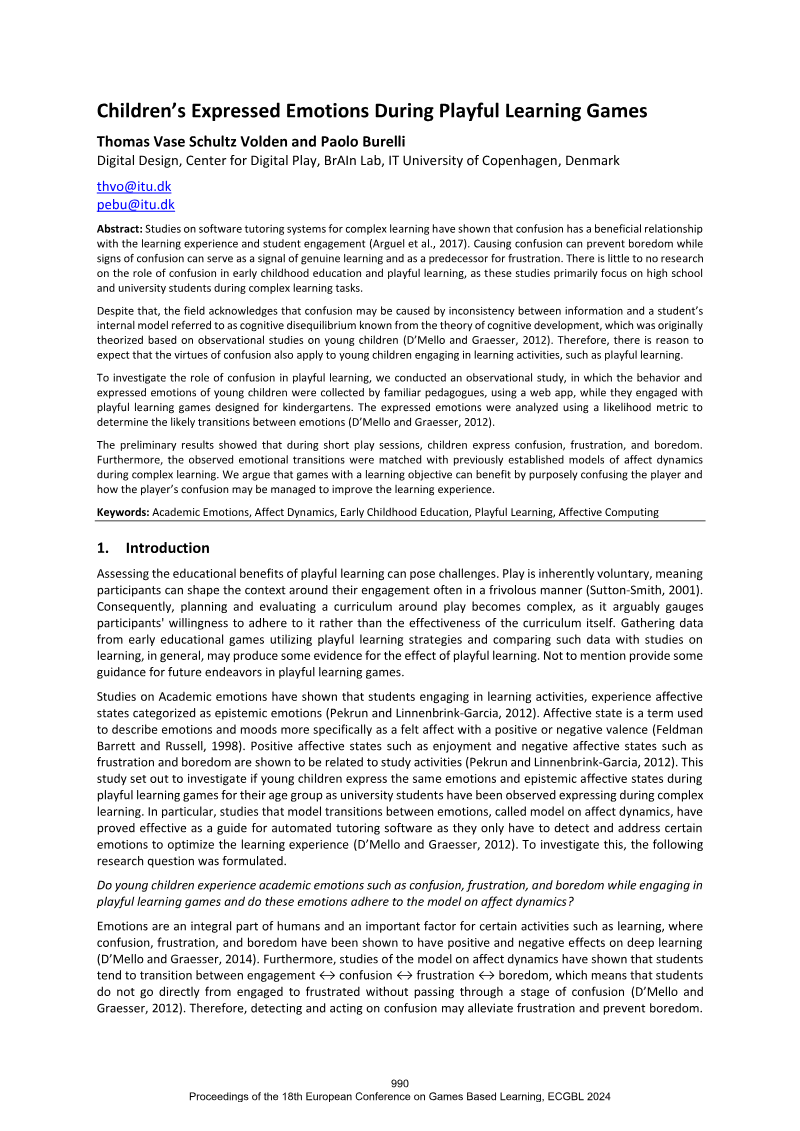
Children's Expressed Emotions During Playful Learning Games
This study investigates whether young children experience academic emotions such as confusion, frustration, and boredom during playful learning games, and whether their emotional transitions follow the model of affect dynamics established for university students engaged in complex learning.
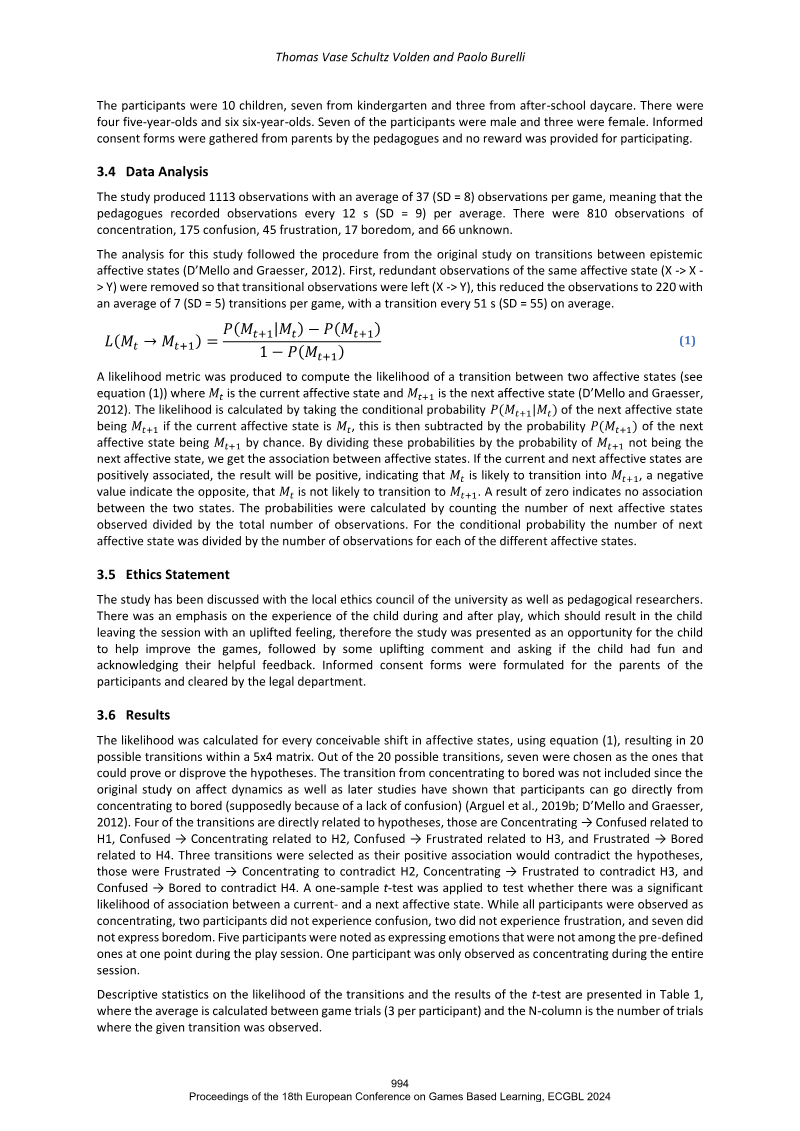
- The study recorded 1,113 expressed-emotion observations of ten 5- to 6-year-olds playing three kindergarten tile-based games, with concentration dominating at 810 observations, followed by confusion (175), frustration (45), boredom (17), and unknown states (66).
- Children moved significantly from concentration to confusion, supporting the first hypothesis, which fits the idea that confusion can be beneficial for learning when properly managed.
- A significant direct transition from concentration to frustration contradicted the expected affect-dynamics sequence, and evidence for transitions involving boredom was too sparse to draw firm conclusions.
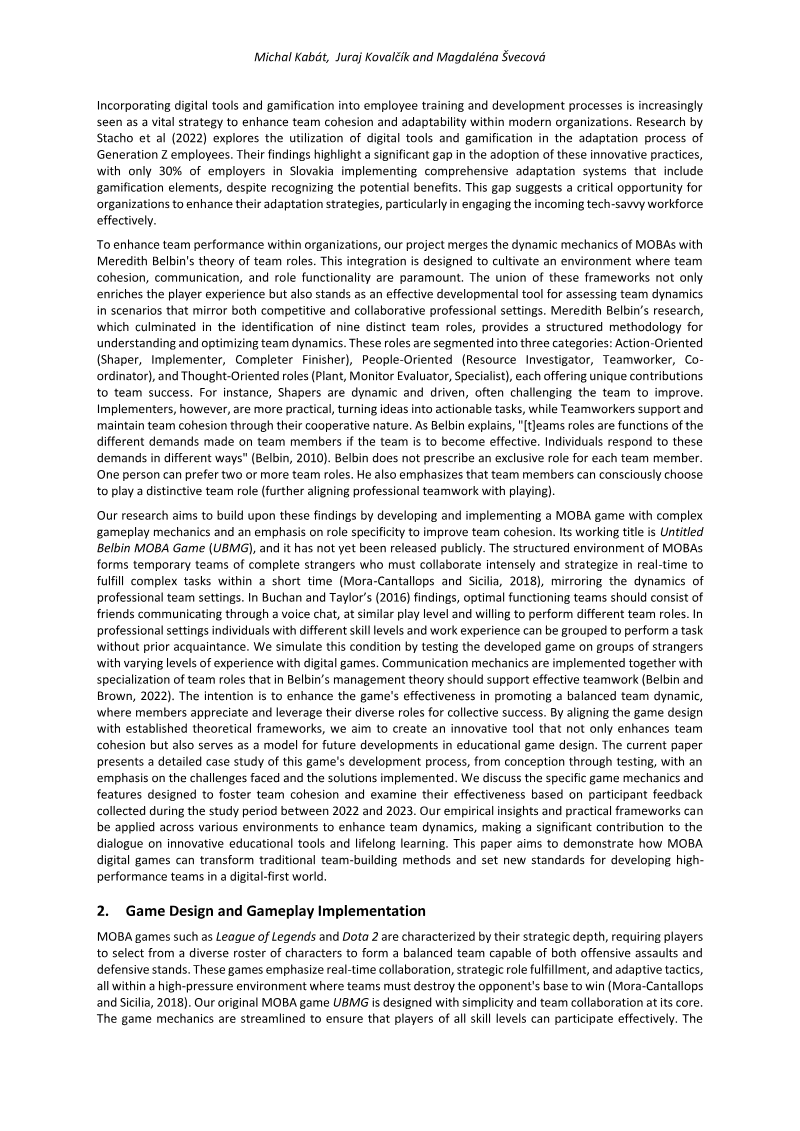
Enhancing Team Cohesion Through a Custom MOBA Game: Development, Implementation & Impact
This paper presents the development and evaluation of UBMG (Untitled Belbin MOBA Game), a simplified multiplayer online battle arena designed to strengthen team cohesion.
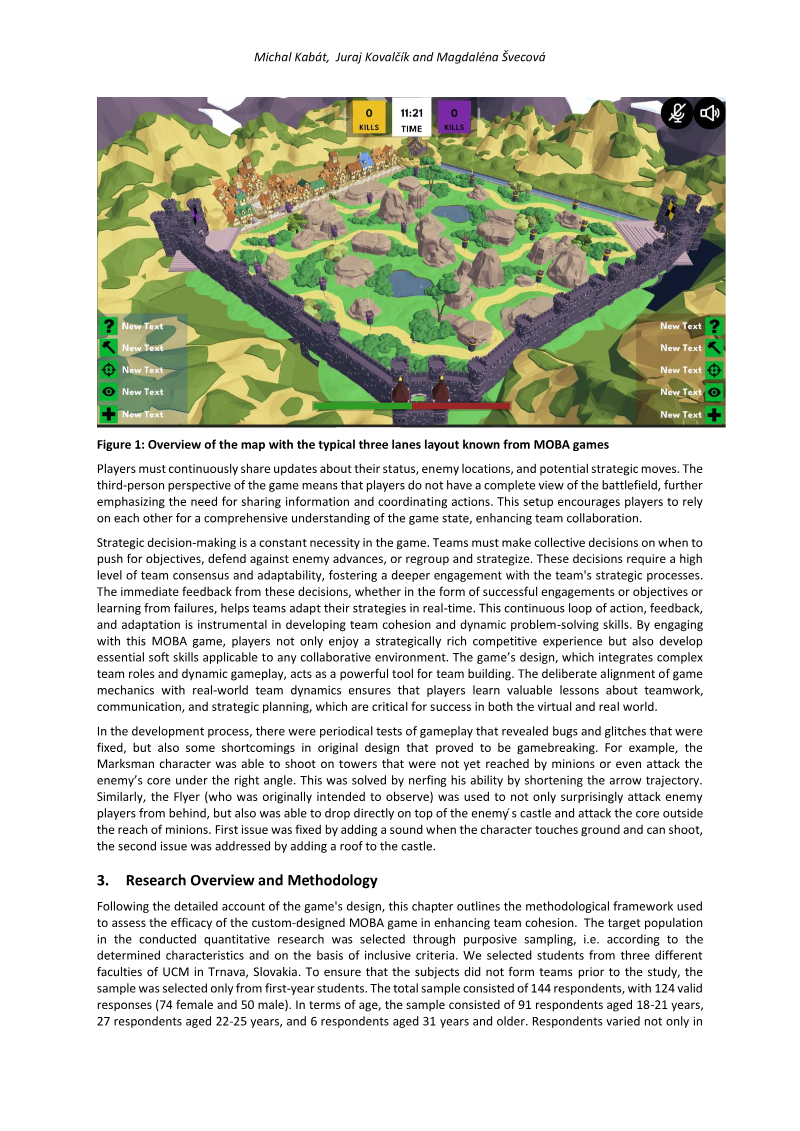
- The study introduced UBMG, a simplified MOBA that maps five fixed character roles (Healer, Flyer, Marksman, Bruiser, Jungler) onto Belbin team roles and prioritizes voice communication and shared objectives over individual mechanical skill.
- In a study of 124 valid first-year university students split into experimental and control groups, the experimental group showed significant gains in task cohesion, three dimensions of social inclusion, and four dimensions of achievement motivation after playing UBMG.
- The four achievement motivation dimensions that improved were confidence in success, flexibility, internality, and competitiveness.
Cybersecurity on the Move: Investigating the Efficacy of a Movable Escape Room as an Educational Tool for Healthcare Employees
A mobile cybersecurity escape room, delivered via a converted vehicle termed a "cyber truck," was evaluated as a training tool for healthcare employees, with the central question being whether such an intervention can measurably improve security awareness and behavior among staff who face persistent cyber threats in clinical…
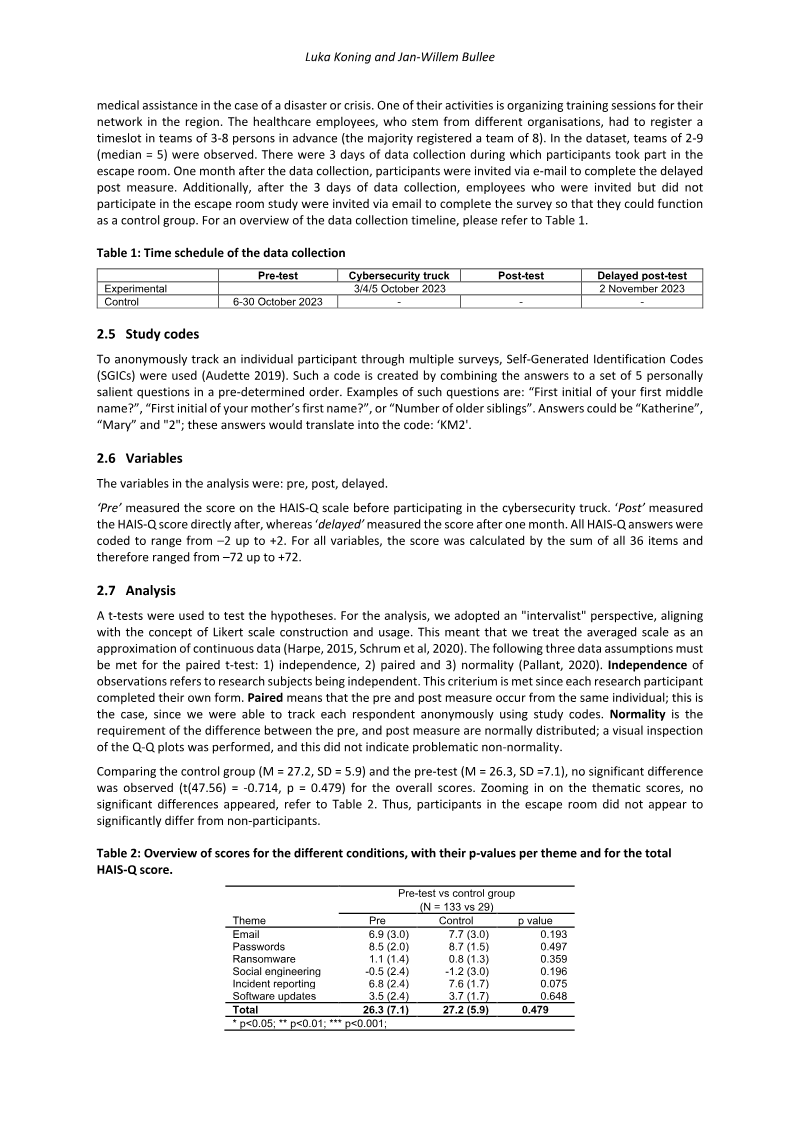
- A mobile cybersecurity escape room delivered via a converted vehicle (a "cyber truck") produced a large immediate improvement in security awareness among 96 healthcare professionals, with HAIS-Q scores rising from a pre-test mean of 16.3 to a post-test mean of 30.8 (Cohen's d = 2.16, p = .001).
- Immediate gains were significant across all measured domains, including email usage, password practices, social engineering, and software updates.
- Retention at one-month follow-up was weaker: the delayed-test effect was medium (d = 0.74, p = .006) but rested on only 26 matched participants after substantial dropout.
Gamification Powered by a Large Language Model to Enhance Flipped Classroom Learning in Undergraduate Computer Science
This study investigates whether a gamified quiz powered by a large language model can strengthen the flipped classroom model in an undergraduate software engineering course at the Colorado School of Mines.
- A browser-based gamified quiz, 'Engin-AIR-ing', used GPT-3.5 Turbo to generate multiple-choice questions from flipped-classroom video transcripts, addressing the problem that students often skip preparatory material and instructors struggle to build educational games for each module.
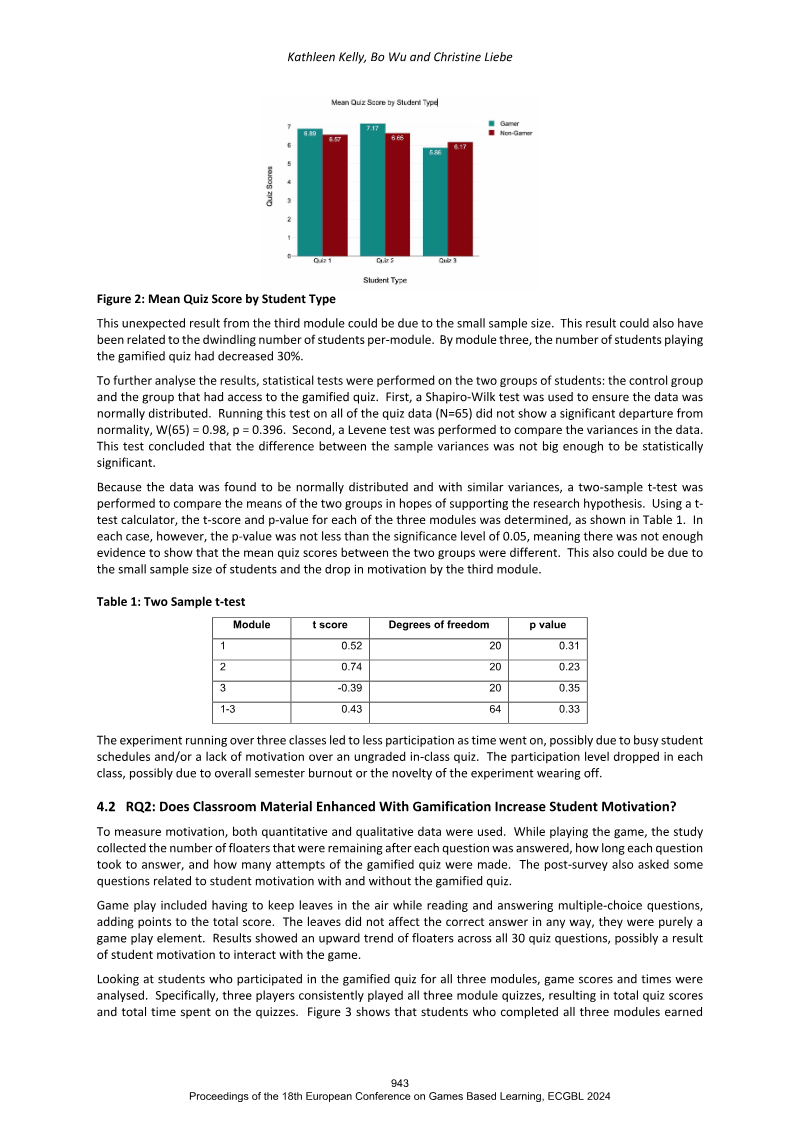
- In a small study of 23 volunteers from 161 sophomores at the Colorado School of Mines (13 game players, 10 controls) over three modules, the game group outscored controls on the first two modules but fell behind on the third, and no difference reached statistical significance (all p > 0.05).
- Participation in the game dropped by about 30 percent by the final module, which the authors attribute to burnout and the novelty effect wearing off.
Digitising a Card Game for Teaching Pragmatic Markers
This work-in-progress manuscript by Jonathan Marquez proposes digitising Mind You!, a non-digital card game designed to teach English pragmatic markers such as well, anyway, and mind you to non-native English-speaking international students in Australia.
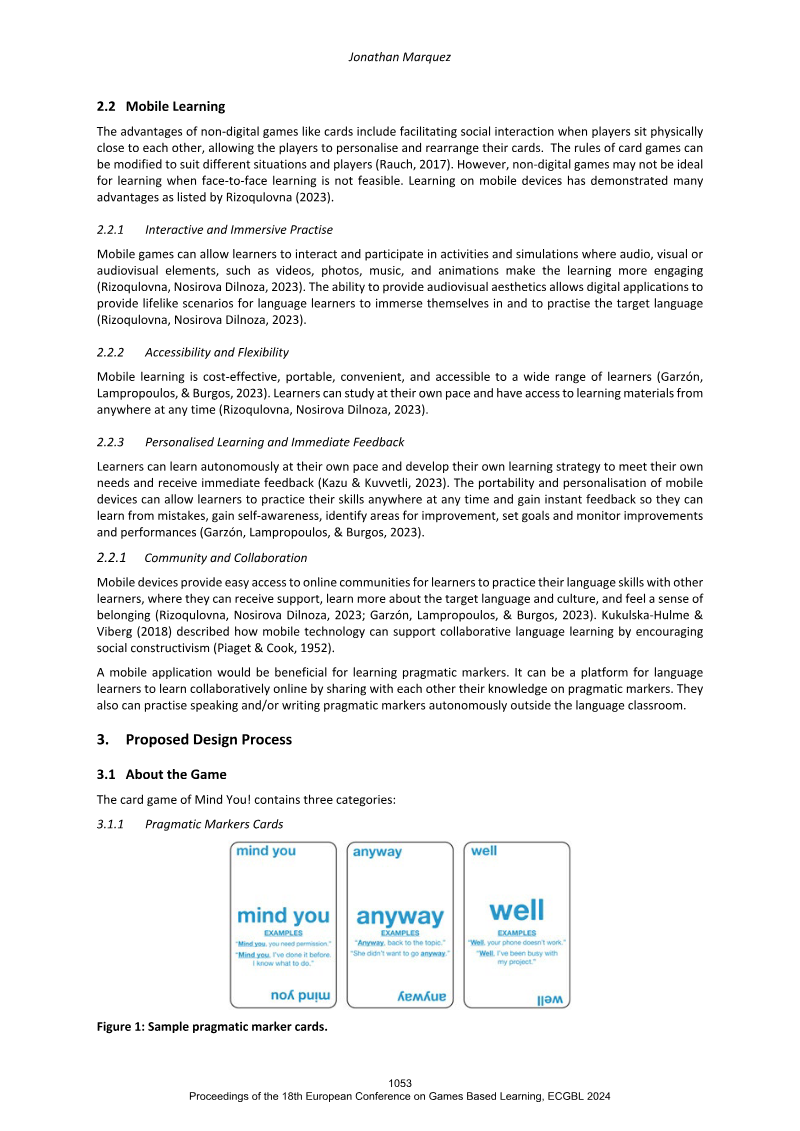
- The manuscript proposes digitising Mind You!, a non-digital card game that teaches English pragmatic markers such as well, anyway, and mind you to international students in Australia, arguing that pragmatic competence depends on interpreting context as native speakers do, unlike grammar or vocabulary.
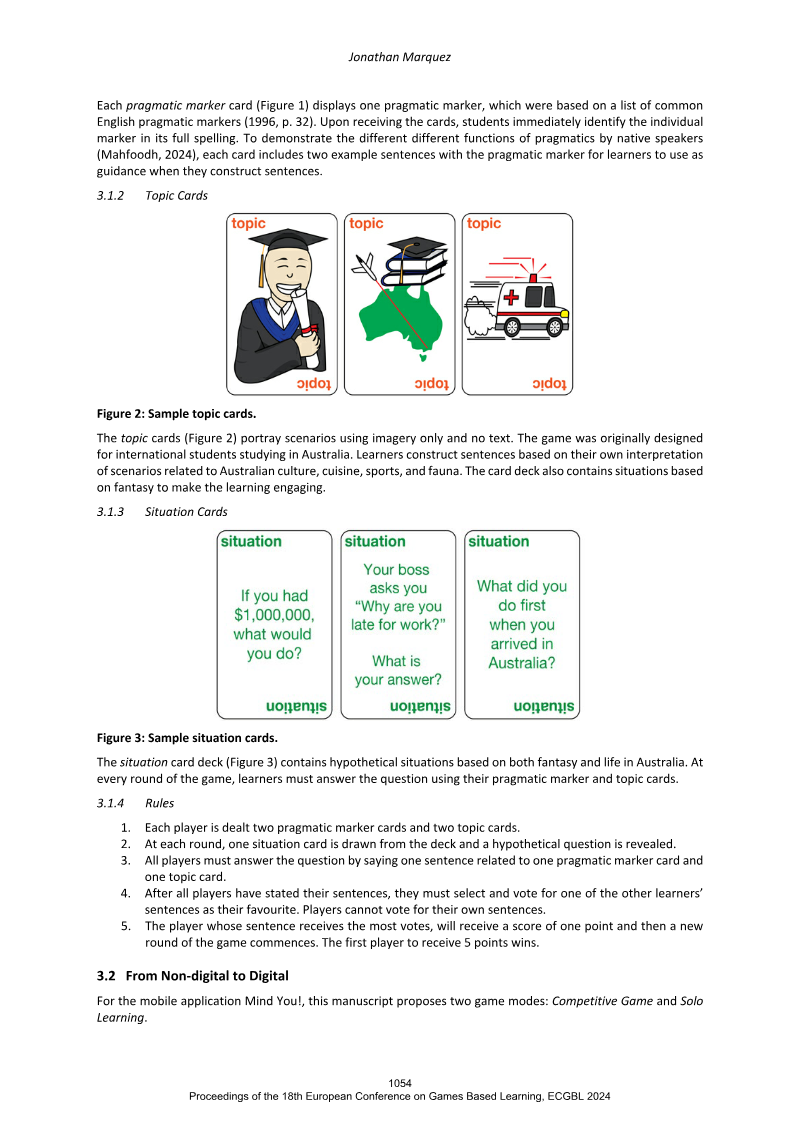
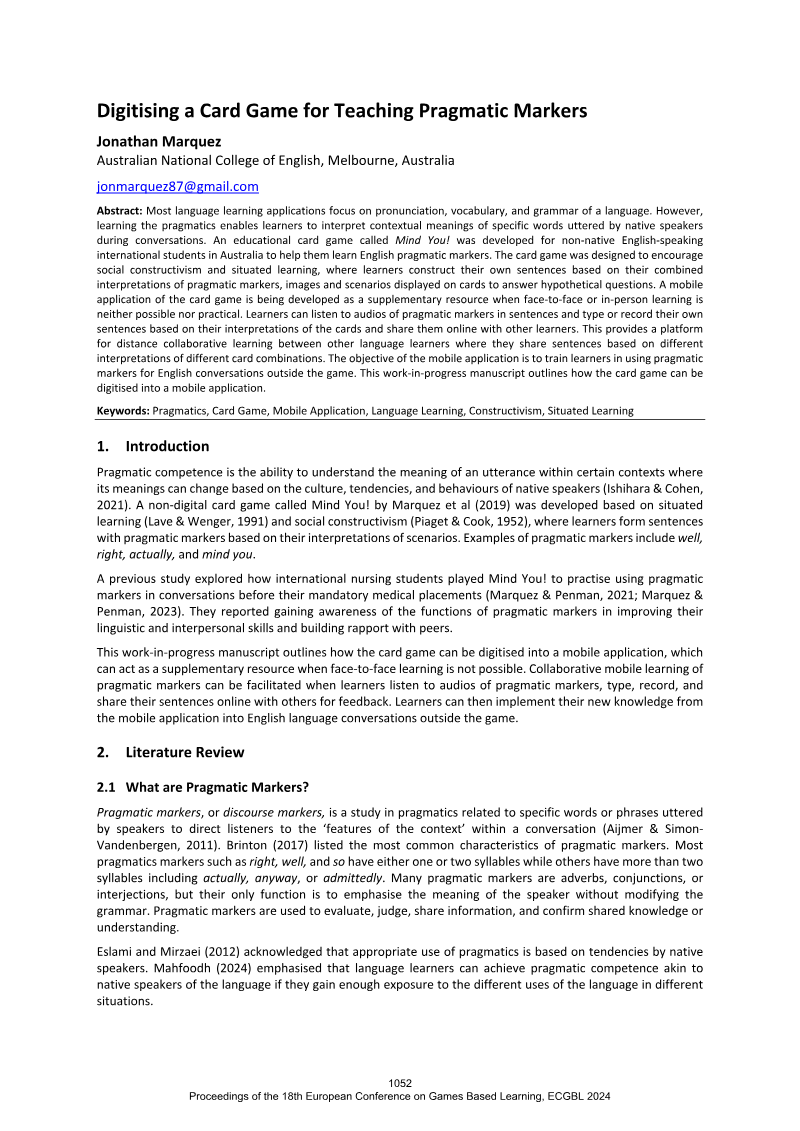
- The game is grounded in situated learning and social constructivism, asking learners to combine a pragmatic marker card, a topic card depicting an Australian or fantasy scenario, and a hypothetical situation card into constructed sentences.
- The proposed mobile app would offer two modes: a Competitive Game for up to five online players who submit and vote on sentences, and a Solo Learning mode with self-paced practice, sentence uploads, peer feedback, and audio support for pronunciation and tone.
A Literature Review: Which, How and What for the Use of Artificial Intelligence in Gamification
This literature review examines how artificial intelligence is applied within gamification and serious games in educational settings, drawing on 22 journal articles and conference papers published in English between 2019 and 2024.
- The review screened 1,163 records from Summon 2.0, Scopus, and IEEE Xplore and included 22 English-language journal articles and conference papers published between 2019 and 2024.
- AI applications in gamified education are organised into four dimensions: personalisation, adaptive difficulty, feedback and motivation, and predictive analytics with data-driven insights.
- The reviewed studies associate machine learning-driven personalised and adaptive designs with improved learning outcomes and participation, and this is the strongest evidence in the review.
Integration and Promotion: Integrating Sustainability Research into Computer Science Teaching through Serious Games Assignments
This report describes a two-year partnership at Nottingham Trent University, UK, in which final-year undergraduate Computing and Computer Science (Games Technology) students built serious games addressing sustainability research.
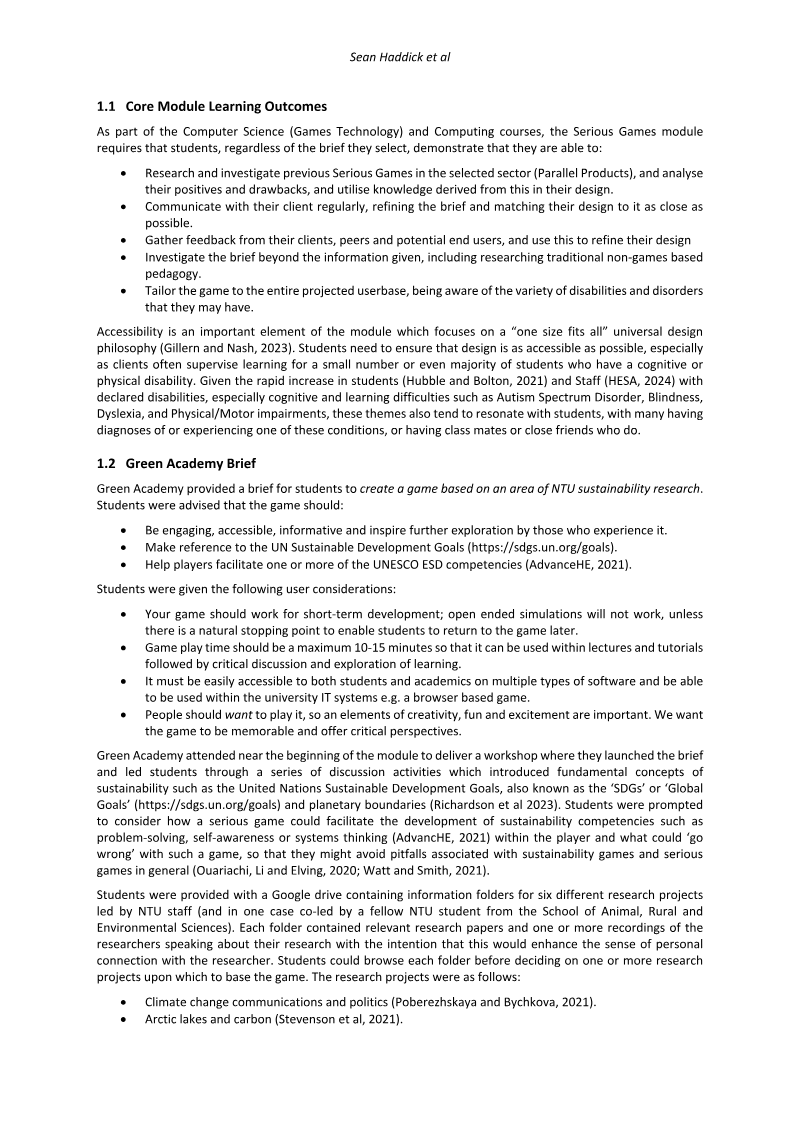
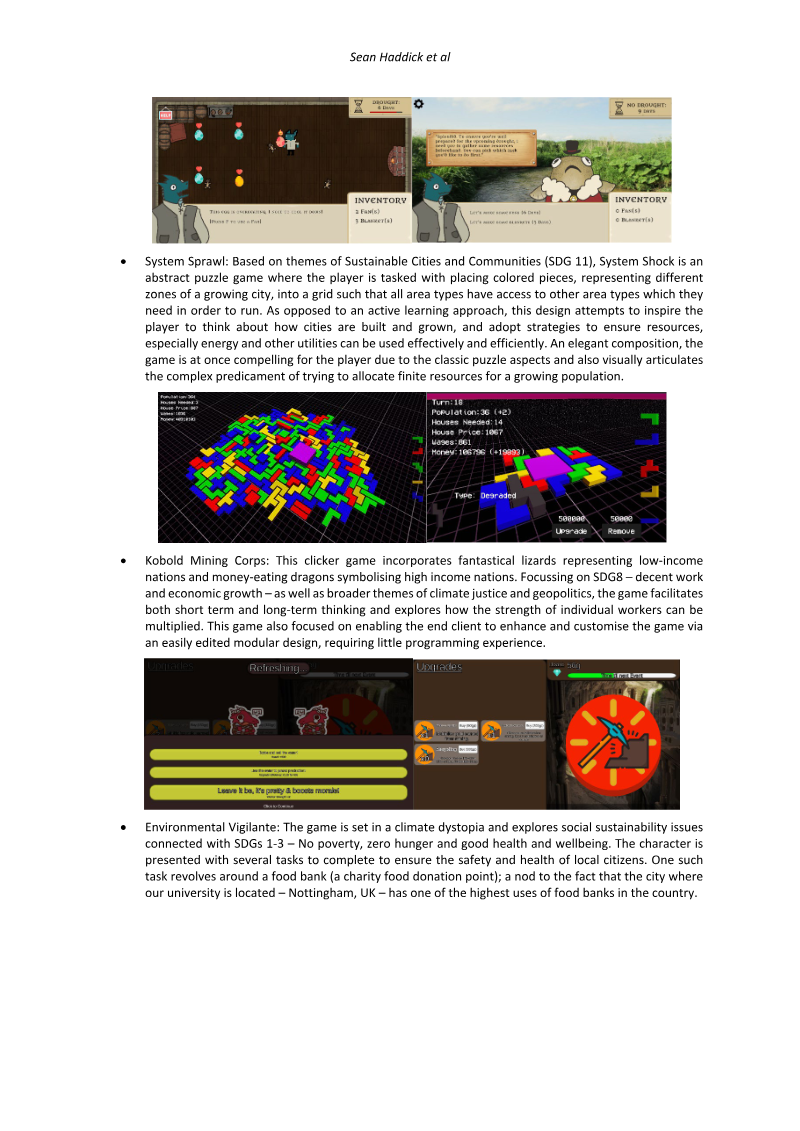
- A two-year partnership at Nottingham Trent University paired final-year Computing and Games Technology students in an optional 20-credit 'Serious Games' module with Green Academy, the university's sustainability-focused strategic team, to build games addressing sustainability research.
- Student briefs drew on university research in climate communication, Arctic carbon cycling, chalk stream ecology, and local climate policy, with designs required to align with the UN Sustainable Development Goals and UNESCO education for sustainable development competencies.
- The first cohort of 27 students had uneven outcomes due to a less structured second term, coding pressures causing crunch-style production, and confusion over a dual-brief assessment structure.
CiteSaga: Conceptualisation of a Serious Game for Citation and Reference Styles
CiteSaga is a conceptual proposal for a serious game designed to teach citation and referencing styles, including Harvard, APA, and Footnote, within higher education.
- CiteSaga is a conceptual proposal for a serious game teaching citation and referencing styles (Harvard, APA, Footnote) in higher education, motivated by the claim that citation skills are often taught poorly through limited, isolated modules.
- The paper argues that game-based learning could improve students' understanding of citation conventions, their motivation, and the quality of their academic writing, and that the game could be integrated into research-focused curricula.
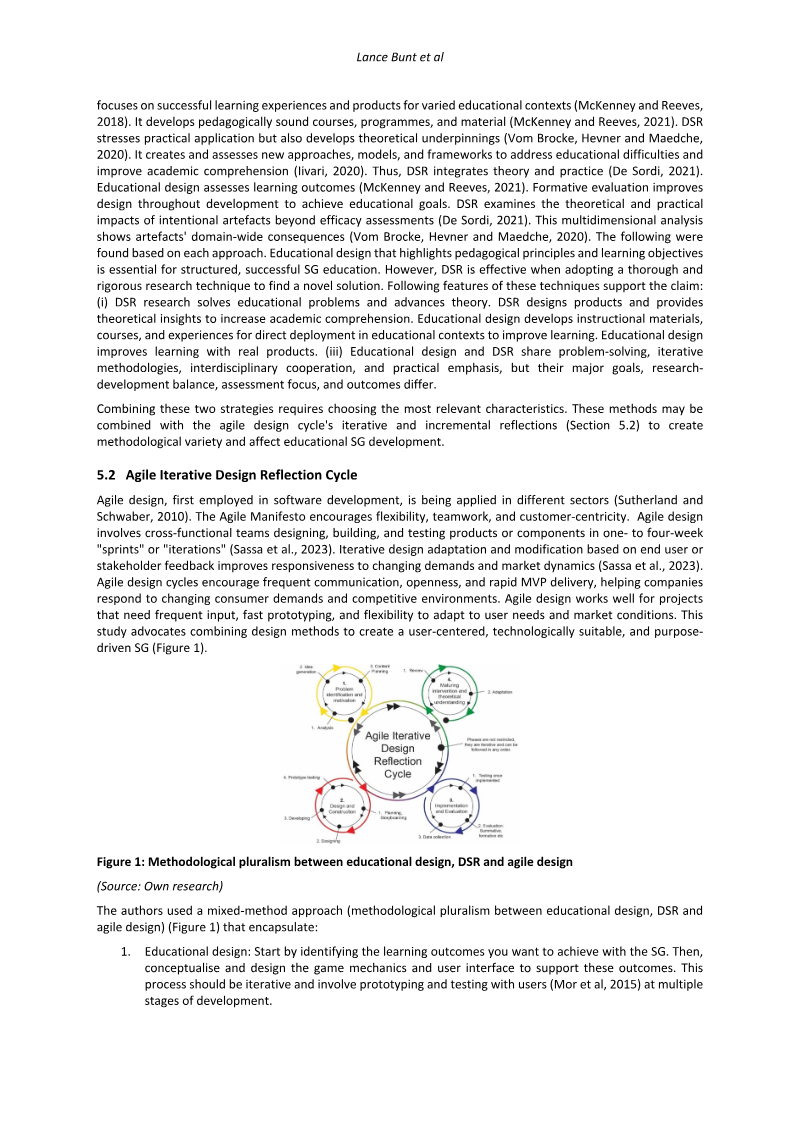
- The methodology combines educational design, design science research, and agile iterative development, following a four-phase cycle: stakeholder and curriculum alignment, design and construction, implementation and playtesting, and theoretical maturation.