
Discord
Chat and voice platform that grew out of gaming communities. It publishes safety transparency reports, including a report on child protection under Brazil's ECA Digital law.
Documents
No published documents yet
Reports about Discord
491 documents by other writers name Discord in the title or summary.
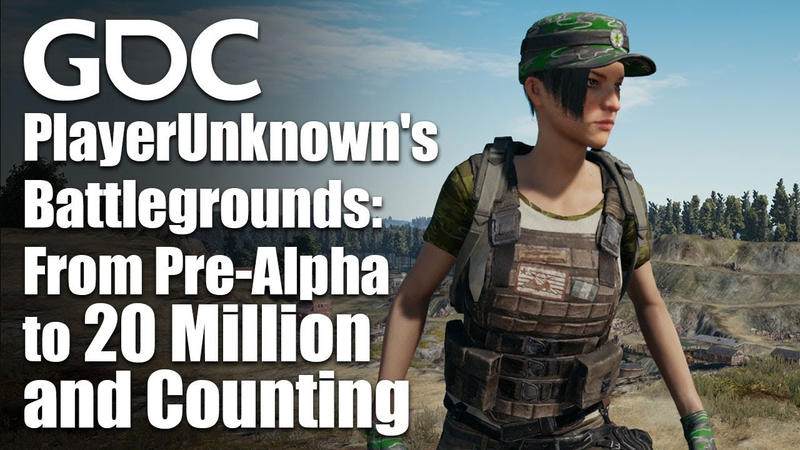
PlayerUnknown's Battlegrounds: From Pre-Alpha to 20 Million and Counting
PlayerUnknown’s Battlegrounds achieved unprecedented global success by eschewing traditional marketing budgets in favor of a grassroots community-building strategy.
- PUBG achieved massive scale by replacing traditional marketing budgets with a grassroots strategy that prioritized direct, transparent communication with players and content creators.
- The studio leveraged a small team of 25 people to foster organic momentum on Twitch, effectively bypassing the need for paid advertising or external PR agencies.
- Early development relied on a community snowballing model, using Discord for distribution and iterative feedback loops to ensure the player base directly influenced the game's evolution during Early Access.
YouTube and Game Dev - 3. Month Review - (WEEKLY VIDEOS!)
After three months of full-time independent game development and content creation, the transition from daily to weekly video uploads marks a strategic shift in production philosophy.
- The creator is shifting from a daily to a weekly video upload schedule after three months to accommodate a return to university studies in Berlin.
- The initial daily upload strategy successfully generated a library of approximately 80 videos and drove significant channel growth.
- The transition to a weekly release cycle is a three-month experiment designed to test if higher-quality, long-form content yields better long-term engagement than high-frequency posting.
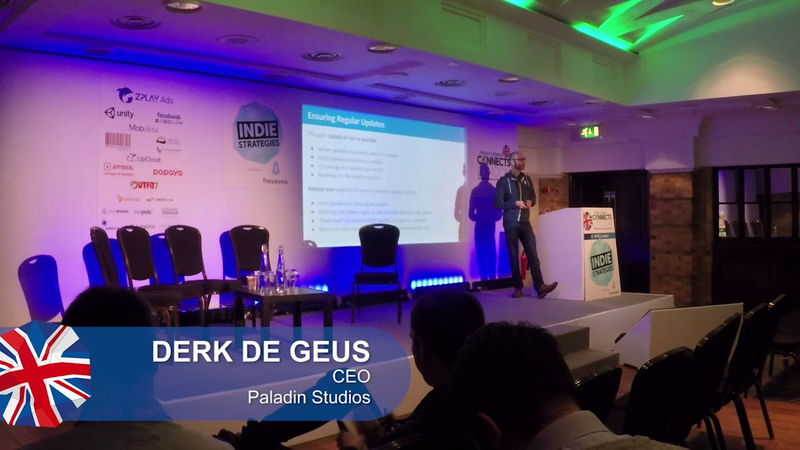
Live ops for indies – The DNA of an effective mobile team
Effective live operations for independent mobile game developers require a fundamental shift in mindset from the creative, milestone-driven development phase to a data-informed, stability-focused maintenance phase.
- Transitioning to live operations requires shifting from a milestone-driven development mindset to a disciplined, stability-focused maintenance phase.
- An effective live ops team for indie studios consists of four to eight members who balance creative vision with technical conscientiousness.
- Consistent, smaller updates generate recurring performance spikes that extend a game's lifecycle, effectively transforming a declining revenue curve into a sustainable long-tail asset.
How to Build Your Marketing System
Indie developers tend to treat marketing as a top-of-funnel exercise, and this 2018 column argues that a complete, maintained sales funnel is what actually turns attention into sales.
- Build a marketing funnel before starting any public-facing activity, such as posting screenshots or contacting the press, to ensure you can capture interest if your game goes viral.
- Use a mailing list as the backbone of your marketing system because it allows for segmented, targeted communication that social media platforms like Twitter cannot provide.
- Implement clear, singular calls to action using active verbs to guide potential fans through the funnel, avoiding the mistake of overwhelming users with too many choices or vague instructions.
Top 5 Mailing Lists of 2017
Email marketing is presented as the most neglected tool among indie developers, and this December 2017 blog post argues that studios should use newsletters for more than a single release announcement.
- Email marketing is a critical tool for direct fan engagement and sales, yet it remains underutilized by many independent game developers.
- Blue Wizard’s 'Slayaway Camp' newsletter drives high open rates and player retention by offering exclusive, monthly in-game unlock codes that are not shared on social media.
- Effective newsletters should prioritize providing consistent value and personality over simple product announcements, as demonstrated by the creative, brand-aligned content from studios like Crows Crows Crows.
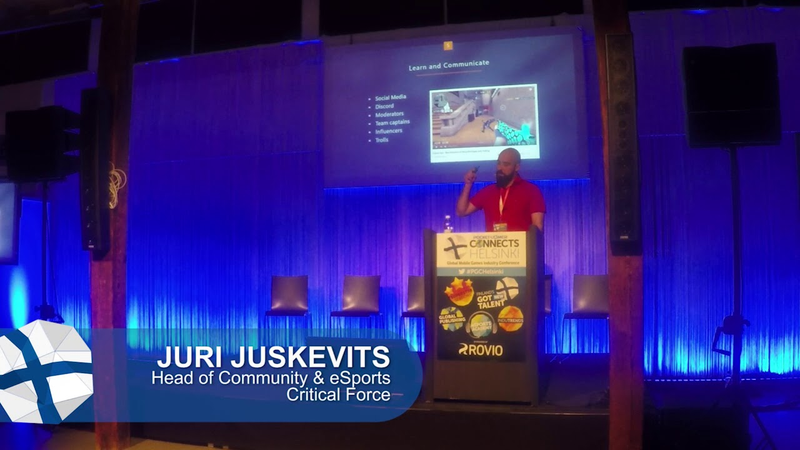
Critical Ops: A success story for mobile gaming
Critical Force achieved significant growth for its mobile first-person shooter, Critical Ops, by prioritizing community-driven development and grassroots engagement over traditional paid user acquisition.
- Critical Ops achieved over 28 million total downloads by prioritizing community-driven development over traditional paid user acquisition.
- The game sustains 65,000 to 75,000 daily organic downloads through a strategy that treats the player base as a development partner.
- Critical Force scales its community by supporting smaller content creators with resources and in-game promotion rather than relying on expensive, high-profile influencer marketing.
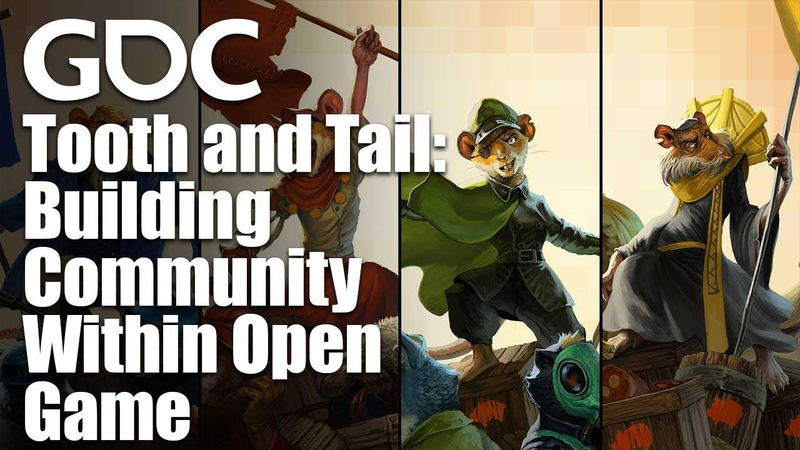
Tooth and Tail: Building Community Within Open Game Development
Pocketwatch Games successfully navigated the resource constraints inherent in small-scale game production by pioneering a model of community-integrated development.
- Pocketwatch Games utilized community-integrated development to offload critical operational tasks like quality assurance, balance testing, and tournament organization to their player base.
- The studio transformed development into a collaborative ecosystem by treating dedicated users as an extension of the internal team, allowing for faster iteration cycles.
- Access to early development builds was restricted to active participants, ensuring that testers were genuinely invested in the project’s long-term success.
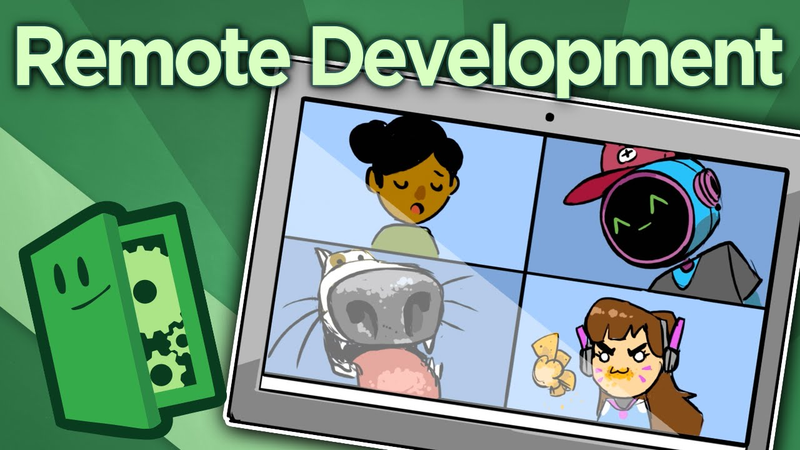
Remote Development - How to Work Effectively from Long Distance - Extra Credits
Managing a distributed game development team requires intentional structure, clear communication, and a focus on fostering team cohesion.
- Effective remote management requires replacing physical oversight with explicit expectations regarding schedules, reporting chains, and task deadlines.
- Integration into the development pipeline must be prioritized by clearly defining dependencies so team members understand their specific roles and impact on others.
- Productivity is maintained through frequent feedback loops and prompt reviews of work, which compensate for the lack of in-person supervision.
Gaming Audience Understanding
Bryter, a market research consultancy with over a decade of gaming experience, argues that deep audience understanding is the decisive factor in a crowded, global games market where thousands of titles compete and player expectations keep rising.
- Deep audience understanding is a critical competitive necessity in a saturated market, moving beyond basic demographics to analyze psychographics, emotional drivers, and behavioral patterns.
- Effective player modeling requires a layered approach that integrates demographic data with psychographic factors like values, personality traits, and motivations such as mastery, social connection, or narrative immersion.
- Success in live service gaming relies on continuous feedback loops and longitudinal research to monitor player sentiment, identify churn triggers, and ensure content updates align with evolving community expectations.
Local Mentee Directory: Berlin
IGDA Berlin is launching a sign-up drive for mentees as part of its broader effort to build a local mentor network within the Berlin game development community.
- IGDA Berlin has launched a local mentee directory to connect aspiring professionals with industry veterans across all game development disciplines.
- The program features a flexible 'Mentorship Café' model, allowing participants to schedule one-on-one sessions without the pressure of a strict timetable.
- The initiative is open to individuals working in game design, programming, art, production, QA, and marketing.
Local Mentor Directory: Berlin
IGDA Berlin is recruiting experienced game developers to join a local mentor network, aiming to support the next generation of developers in one of Europe's most diverse game development hubs.
- IGDA Berlin is launching a local mentorship initiative to connect experienced game industry professionals with emerging talent across all development disciplines.
- The program operates on a flexible model with no mandatory time commitments, requiring only participation in occasional 1-to-1 'Mentorship Café' sessions.
- The initiative aims to strengthen Berlin’s position as a major European game-development hub by fostering industry cohesion and promoting professional inclusivity.