1 free read left. Create a free account for unlimited reading + AI research.
Create free accountWhitepaper Aalborg Universitet
1 free read left. Create a free account for unlimited reading + AI research.
Create free accountWhitepaperAalborg Universitet
Brain-Computer Interface (BCI) technology often suffers from low signal recognition rates, which frequently lead to user frustration and a diminished sense of agency during gameplay. To address this, designers can implement fabricated input—system-generated positive outcomes that occur during periods of low recognition. This strategy effectively fosters an illusion of control, allowing users to attribute successful game events to their own efforts rather than system assistance. By manipulating feedback in this manner, developers can significantly enhance the user experience in non-critical applications, such as stroke rehabilitation, without necessitating immediate improvements in raw hardware accuracy.
Empirical testing reveals that perceived control is primarily driven by the frequency of user input attempts rather than the precise ratio of genuine to fabricated successes. Integrating fabricated input at rates between 15% and 30% yields a measurable reduction in frustration and a corresponding increase in perceived agency. While feedback delays can moderate these effects, the psychological benefit remains robust across various conditions. The data indicates that these positive outcomes plateau at higher fabrication levels, suggesting an optimal range for implementation that balances system-assisted success with the user’s need for authentic interaction.
Ultimately, this approach provides a viable design framework for BCI applications where user engagement is essential for therapeutic or training outcomes. Designers should prioritize the calibration of input window lengths to ensure that fabricated assistance remains subtle enough to maintain the user's belief in their own performance. By strategically managing the feedback loop, BCI systems can overcome technical limitations, ensuring that users remain motivated and engaged despite the inherent volatility of neural signal processing. This methodology offers a practical path forward for improving the usability of assistive technologies in diverse clinical and recreational settings.
Association for Computing Machinery · 2026
Association for Computing Machinery · 2026
Association for Computing Machinery · 2025
Association for Computing Machinery · 2025
Association for Computing Machinery · 2025
Association for Computing Machinery · 2025
Association for Computing Machinery · 2025
Association for Computing Machinery · 2024
Association for Computing Machinery · 2024
Association for Computing Machinery · 2024
Association for Computing Machinery · 2024
Association for Computing Machinery · 2024
NHTV University of Applied Sciences · 2025
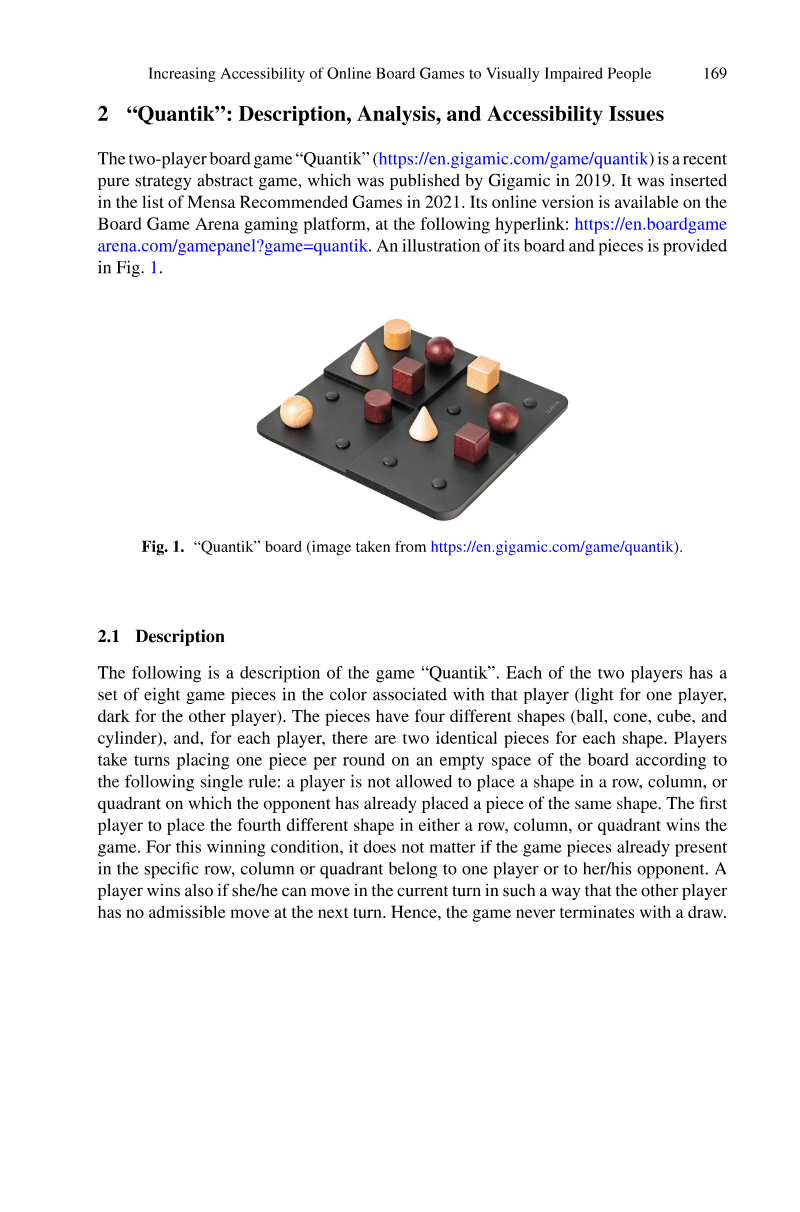
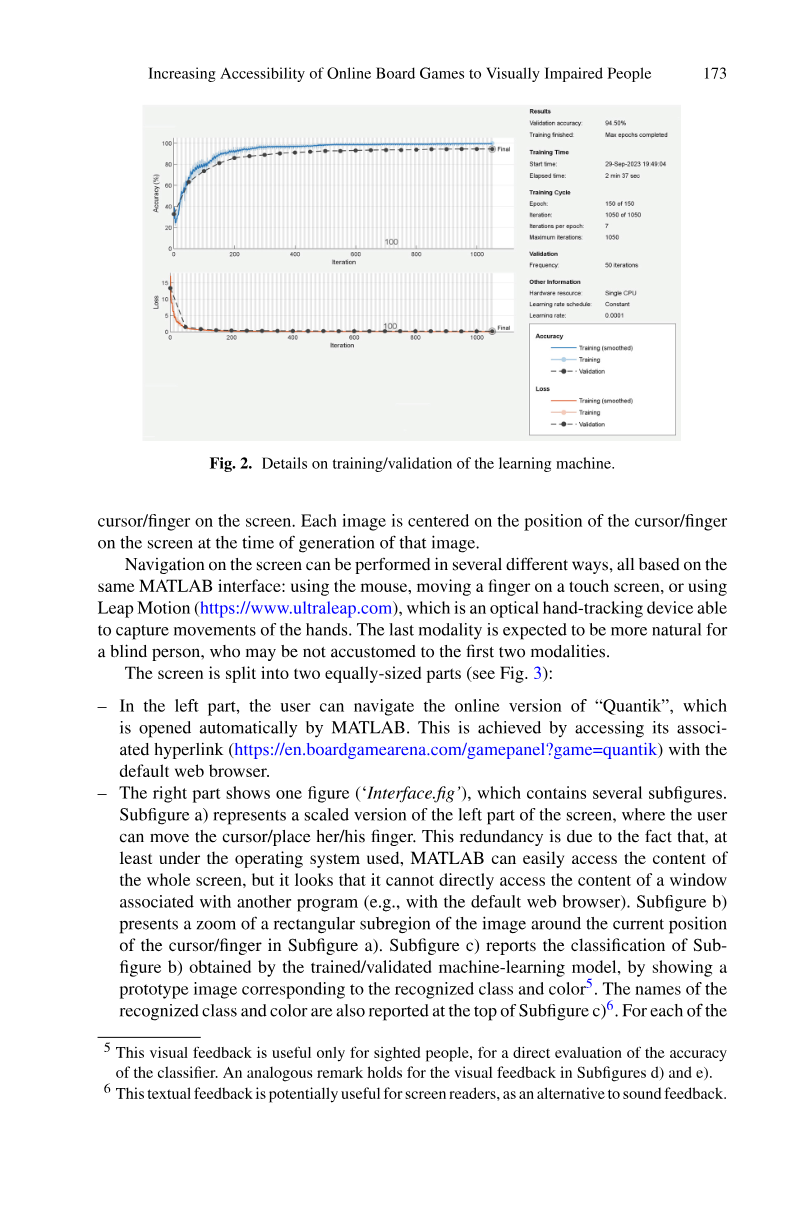
IMT School for Advanced Studies Lucca · 2024
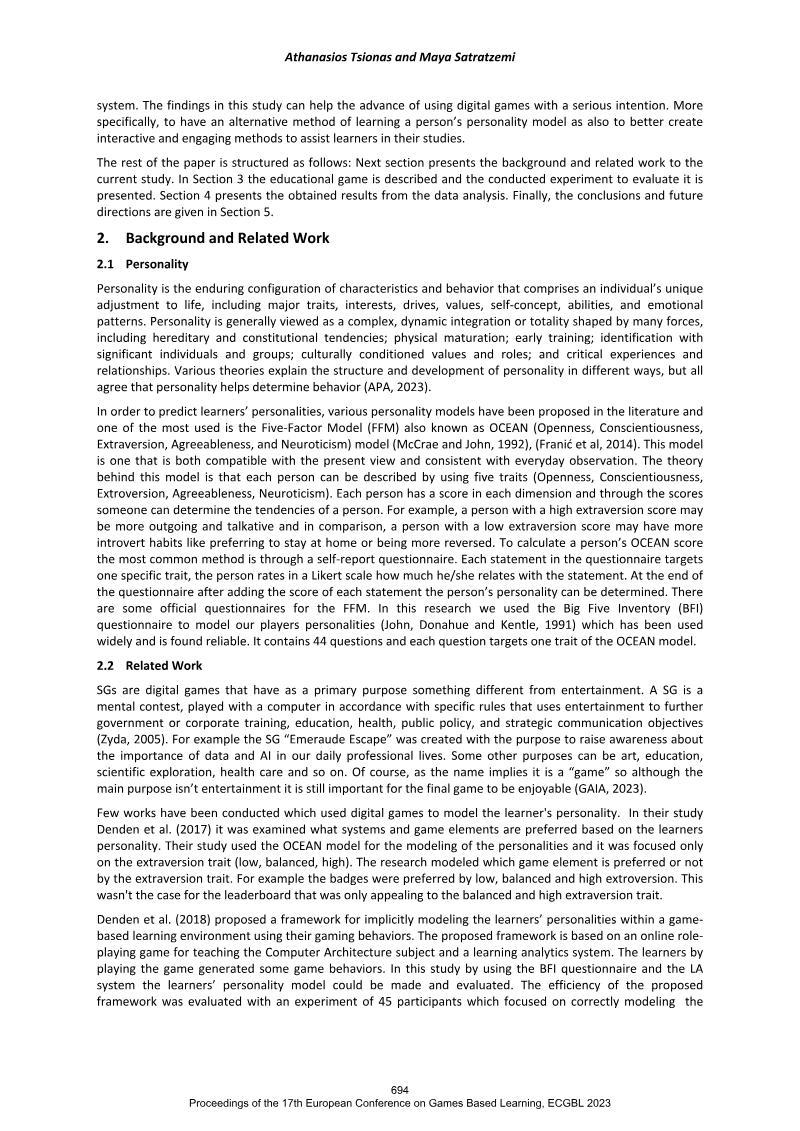
European Conference on Games Based Learning (ECGBL) · 2023