Mergers & Acquisitions reports and market data
Documents
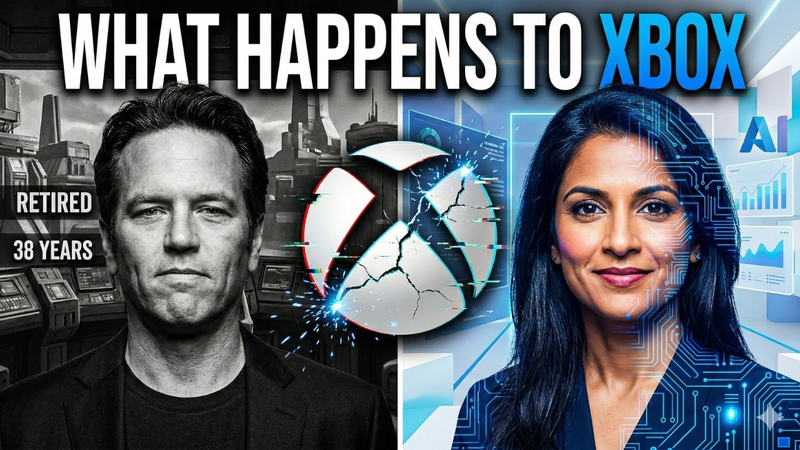
Xbox’s Next Chapter: Strategy vs Identity
The recent leadership overhaul at Microsoft’s $23 billion gaming division marks a significant strategic pivot, characterized by the retirement of long-time leader Phil Spencer and the resignation of Xbox President Sarah Bond.
- Microsoft’s gaming division is undergoing a major strategic pivot following the departure of Phil Spencer and Sarah Bond, shifting focus from console competition to AI and cloud-based corporate integration.
- The division faces significant financial headwinds, evidenced by a 10% decline in total gaming revenue and a 32% drop in hardware sales during the most recent quarter.
- Xbox is currently losing the console market share battle, with PlayStation 5 sales outpacing Xbox hardware by more than 43 million units.
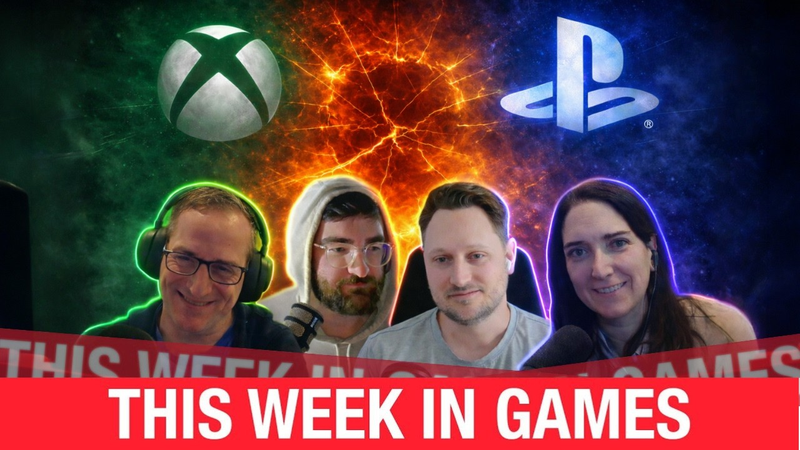
TWiG #372: Death at an Xbox Funeral & Balling Out Ball’s State of Gaming
Microsoft is undergoing a fundamental strategic pivot within its gaming division, marked by the replacement of long-time leadership with Asha Sharma, an executive from the company’s AI division.
- Microsoft is pivoting its gaming division toward AI integration and platform monetization under new leadership from its AI department, signaling a potential long-term move away from the traditional console-centric business model.
- The gaming industry has experienced a steady decline in profitability since 2019, despite overall revenue remaining at historic highs.
- Traditional Western publishers are struggling to compete for user attention against non-gaming sectors like short-form video, gambling, and social-first platforms like Roblox.
Xbox reshuffle analysis, what’s next for King, Overwatch Rush, data, jobs, more
The recent executive leadership transition at Microsoft Gaming, marked by the departure of Phil Spencer and Sarah Bond and the appointment of Asha Sharma as CEO, signals a strategic pivot toward data-driven management and artificial intelligence integration.
- Microsoft Gaming has appointed Asha Sharma as CEO, signaling a strategic shift toward AI integration and data-driven operational efficiency over traditional creative-led management.
- King remains the anchor of Microsoft’s mobile portfolio, generating $1.7 billion in projected 2025 revenue, with Candy Crush Saga alone contributing $1 billion.
- Attempts to port AAA console franchises to mobile have largely failed to achieve commercial scale, highlighting a disconnect between console-centric strategies and mobile-first consumer preferences.
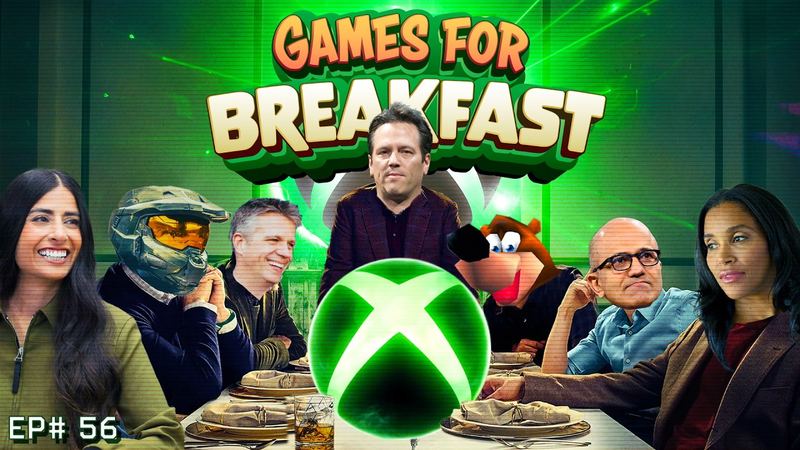
Xbox’s Line of Succession, Sony Shutters Bluepoint, and Discord Doesn’t Learn | Games For Breakfast
The gaming industry is currently undergoing a period of significant structural and leadership volatility, marked most notably by the departure of Phil Spencer as CEO of Microsoft Gaming.
- Microsoft Gaming has replaced CEO Phil Spencer with former AI product lead Asha Sharma, signaling a strategic pivot toward AI integration, monetization, and corporate efficiency over traditional hardware-centric models.
- Xbox is signaling a departure from exclusive console titles in favor of cloud-based, cross-platform expansion and hybrid hardware solutions, following the exit of Sarah Bond.
- Bluepoint Games has been shuttered after the studio was forced to cancel a mandated live-service project, highlighting the industry-wide risks of forcing established developers into unsustainable live-service models.

Scopely's $1bn Loom Games deal and Matthew Ball's big industry report | Week in Mobile Games podcast
The mobile gaming landscape is currently defined by a widening divide between established franchises and new market entrants.
- Scopely has secured a significant investment in the hybrid-casual game Pixel Flow, which has achieved daily seven-figure revenue since its October launch and is one of the few games in the last year to break into the top 20 grossing rankings.
- Activision will shut down Call of Duty: Warzone Mobile on April 17, 2026, citing a failure to meet performance expectations and the strategic difficulty of competing with other successful shooters.
- Unity shares have declined by 91% since November 2021, a trend attributed to the lingering negative impact of the runtime fee controversy, restructuring challenges, and market pressures from AI-driven competition.
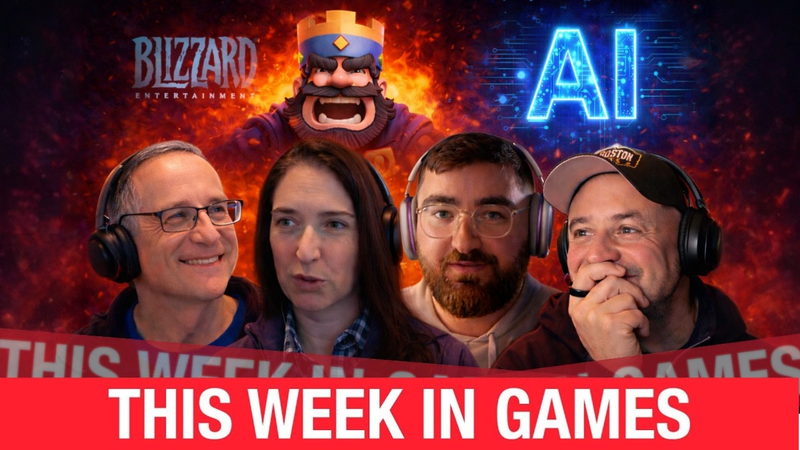
TWiG #371: Clash Royale's Death Spiral, Blizzard's Comeback, and Why AI Hype is Killing Games
The modern gaming industry is currently navigating a period of significant structural tension, characterized by the breakdown of traditional mobile growth models and the evolving power dynamics between developers and content creators.
- The gaming industry faces a structural shift where long-term success depends on integrating influencers into the product flywheel, as evidenced by Supercell’s friction with creators during the resurgence of Clash Royale.
- Aggressive monetization strategies, particularly pay-to-win mechanics, are increasingly straining community relations and threatening the sustainability of mobile titles.
- Blizzard has successfully revitalized core franchises like Overwatch and Diablo by shifting toward narrative-driven live operations and refined monetization models.

Ares' gameplan, Honkai: Star Rail drama, Moonton's Savvy sale, Rovio's write-down, DICE awards, more
The mobile games industry is currently navigating significant shifts in investment, corporate restructuring, and geopolitical influence.
- Savvy is in negotiations to acquire Moonton, the developer of Mobile Legends: Bang Bang, for approximately $7 billion, signaling a potential exit from mobile gaming for ByteDance.
- Sega recorded a $200 million write-down for Rovio, citing intense market competition and a lack of recent successful titles.
- Financial performance across the sector is polarized: AppLovin reported a 70% revenue increase to $5.48 billion and Krafton reached $1.2 billion in mobile revenue, while Embracer Group saw mobile game sales decline by 66%.

Supercell, Epic, Unity, Budge, Roblox, DICE, data, jobs and more
The mobile games industry is currently characterized by a cautious, optimization-focused environment, according to recent financial disclosures and industry sentiment.
- Supercell reported $1 billion in EBITDA for 2025 despite a 4% year-over-year revenue decline, with CEO Ilkka Paananen criticizing the industry for 'coasting' and failing to innovate.
- Supercell is increasing its headcount by 30% and doubling investment in new game development, while tripling the size of its AI innovation lab to address internal failures in fostering startup-like environments.
- Bernard Kim has returned to Unity, following the departure of key executives and reports of persistent culture clashes and bullying allegations stemming from the $4.4 billion IronSource merger.

AAA Publisher Struggles, Roblox’s Growth and Transmedia Success
The global gaming industry is currently undergoing a structural correction characterized by a divergence between legacy AAA publishers and emerging platform-based ecosystems.
- Roblox currently accounts for over 3% of total industry revenue, with a strategic trajectory aiming to capture 10% of the market.
- The gaming industry is undergoing a structural correction marked by the stagnation of traditional console hardware models, exemplified by Microsoft's ongoing struggle to balance exclusive content with multi-platform distribution requirements.
- Legacy AAA publishers are experiencing a divergence in performance, with Electronic Arts showing resilience through franchise rejuvenation while Ubisoft faces operational headwinds from management friction and pandemic-era over-hiring.
Google's Project Genie, Take-Two, Stillfront, Ares, January's top games and more
The mobile gaming industry is currently navigating a period of significant financial restructuring and technological speculation.
- Take-Two Interactive reported a 19% year-over-year increase in mobile revenue, which now accounts for 49% of the company's total net bookings.
- Google's Project Genie generative AI technology caused a temporary market sell-off in game stocks, though industry leaders like Unity and Epic Games clarified that such models are intended to supplement, not replace, professional game engines.
- Stillfront Group is undergoing a restructuring that includes further game closures and the sale of its narrative games division, despite achieving a 27% EBITDAC margin in Q4 2025 through cost savings and disciplined user acquisition.

Ubisoft turmoil and what happened to Big Fish Games? | Week in Mobile Games podcast
Aristocrat Leisure has effectively dismantled Big Fish Games, opting to divest its assets through multiple transactions after failing to secure a buyer for the company as a whole.
- Ubisoft is facing significant internal instability, including a 40% drop in share price following restructuring announcements and a proposed 200-role voluntary termination plan at its Paris headquarters, which has triggered a three-day strike by labor unions.
- Aristocrat Leisure has effectively dismantled Big Fish Games, a company it acquired for $990 million in 2018, by divesting assets into a new entity called BFG Entertainment and ceasing the development of new titles.
- Netflix is shifting its gaming strategy to prioritize cloud-first experiences centered on TV play rather than mobile downloads, a move industry analysts suggest is primarily intended to reduce subscriber churn.
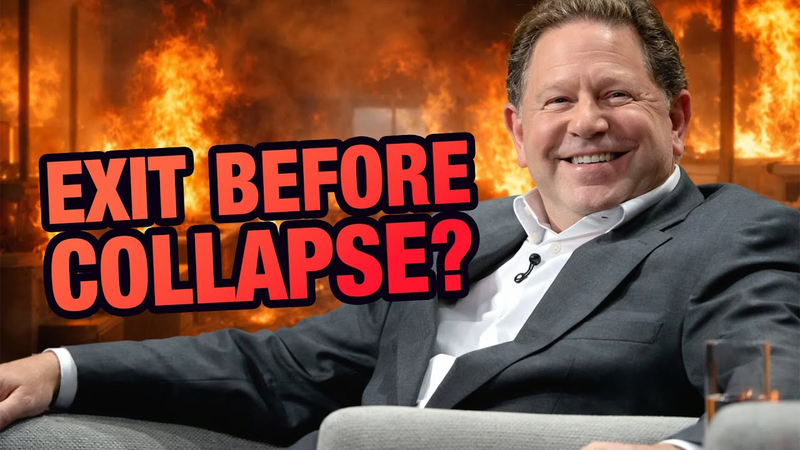
Was the Activision–Microsoft Deal a Fire Sale?
The legal dispute between the Swedish pension fund AP7 and former Activision Blizzard CEO Bobby Kotick centers on allegations that the $69 billion acquisition of Activision by Microsoft was a rushed transaction designed to secure a $400 million payout for Kotick and shield him from accountability regarding workplace misconduct…
- The Swedish pension fund AP7 is suing former Activision Blizzard CEO Bobby Kotick, alleging the $69 billion Microsoft acquisition was a rushed deal designed to secure Kotick a $400 million payout and shield him from workplace misconduct scandals.
- AP7 contends that Activision’s board breached its fiduciary duty to maximize shareholder value by failing to independently evaluate the sale or solicit competing bids from other potential buyers.
- Kotick justifies the $69 billion sale as a strategic exit necessitated by deteriorating industry fundamentals, including year-over-year declines in Call of Duty sales and a contraction in the console market.