Europe reports and market data
Documents

TWIG #352 EU Regulations, Epic Shops, and the AI Slop Machine Is this goof?
The European gaming industry faces a critical regulatory crossroads as the European Union considers the Digital Fairness Act.
- The European Union's proposed Digital Fairness Act threatens the free-to-play business model by potentially reclassifying in-game currencies as financial transactions, which would mandate strict parental consent and notification requirements.
- Industry leaders warn that EU regulatory mandates could force studios to abandon current monetization strategies in favor of more intrusive, ad-driven revenue models.
- Epic Games has launched a new web shop platform designed to serve as a cross-platform commerce backbone for developers, though its ability to compete with established white-label solutions remains unproven.

🚨 EMERGENCY EPISODE 🚨 Is EU’s Digital Fairness Act REALLY killing Free-to-Play games?
The European Union’s proposed Digital Fairness Act represents a significant regulatory shift aimed at restructuring the monetization frameworks of free-to-play gaming.
- The EU’s proposed Digital Fairness Act mandates a 14-day refund policy for virtual goods and restricts core free-to-play mechanics like multi-currency systems and dynamic economy balancing.
- These regulations threaten the operational viability of live-service games by dismantling the flexible, inflationary economic models currently used to drive revenue.
- High compliance costs and reduced monetization agility may force developers to exit the European market or shift toward ad-supported models, potentially degrading user experience.

An oral history of how PlayStation 1 conquered Europe
The PlayStation 1 achieved dominance in the European market during the mid-1990s by fundamentally repositioning video games as a sophisticated lifestyle product rather than a niche hobby for children.
- By mid-1996, the PlayStation 1 achieved an 8-to-1 sales lead over its primary competitors in the United Kingdom.
- Sony successfully repositioned video games from a niche children's hobby to a sophisticated lifestyle product targeting the 15-to-30-year-old demographic.
- The company utilized a decentralized operational model that empowered regional teams to execute 'global localization' strategies tailored to specific European markets.
Video Games Europe: Response on the General Block Exemption Regulation Revision
The European video-games sector, generating €26.8 billion in revenue in 2024 and employing more than 116 000 people, is presented as a distinct hybrid of cultural and technological activity that warrants explicit inclusion in the General Block Exemption Regulation (GBER).
- The European video game sector generated €26.8 billion in revenue in 2024 and employs over 116,000 people.
- Industry advocates are lobbying for the inclusion of video games in the General Block Exemption Regulation (GBER) to classify them as 'experimental development,' which would harmonize state-aid rules and eliminate legal uncertainty across the EU.
- Targeted state aid in Germany has proven effective, generating between €1.60 and €2.00 of additional project spending for every euro of aid while creating 1,725 new jobs.
Digital Omnibus: Digital Package for Simplification
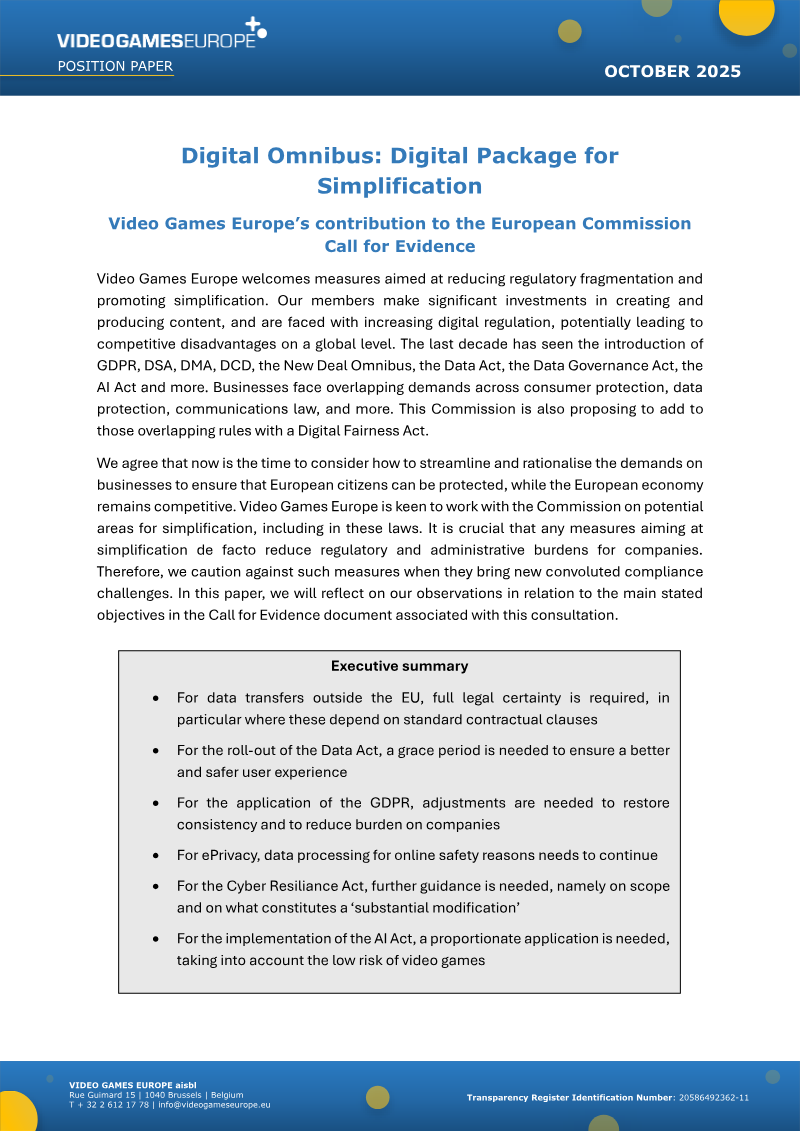
The paper argues that the European Union’s expanding digital regulatory landscape is creating overlapping and burdensome compliance requirements for the video-games sector, threatening its global competitiveness.
- The European video-games sector, valued at €26.8 billion and supporting 116,000 jobs, faces declining global competitiveness due to overlapping and burdensome EU digital regulations.
- OECD research indicates that full data localisation policies could reduce global GDP by 4.5% and decrease exports by 8.5%, highlighting the economic risks of fragmented digital rules.
- The industry is advocating for a 'Digital Omnibus' to streamline compliance, specifically requesting a grace period for the Data Act to account for long console development cycles.
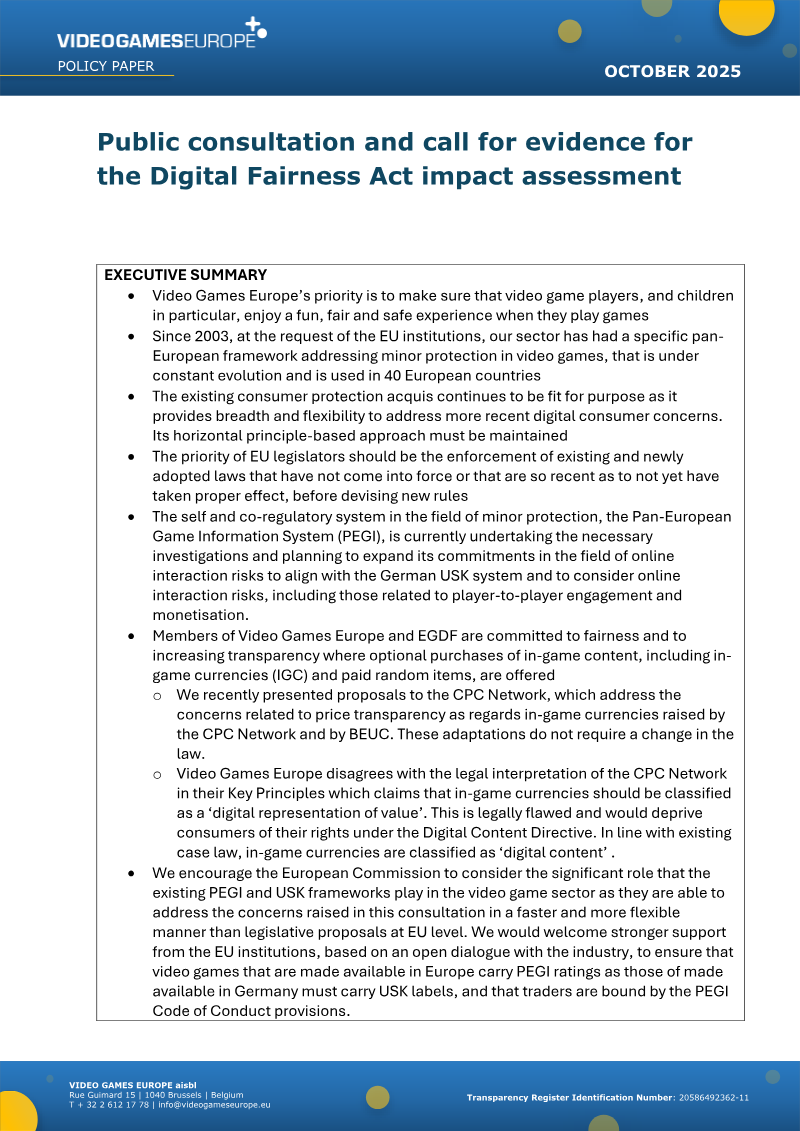
Public Consultation and Call for Evidence for the Digital Fairness Act Impact Assessment
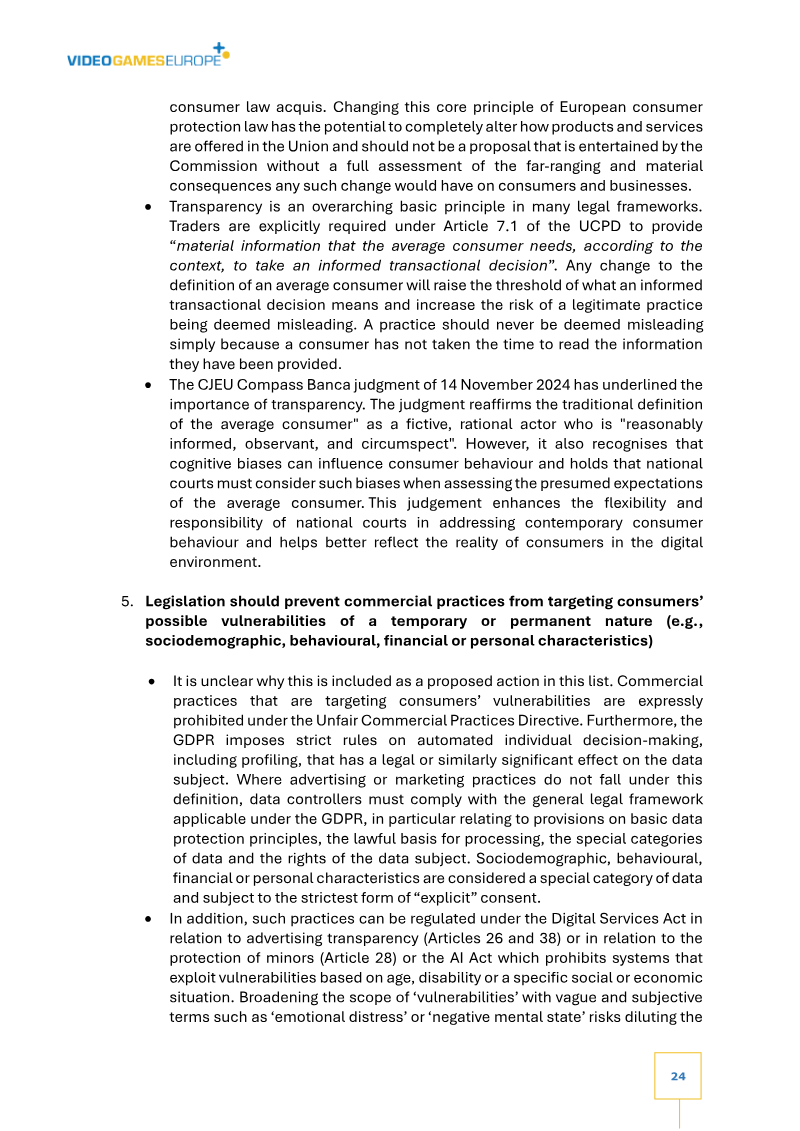
The response to the public consultation on the Digital Fairness Act argues that the European Union’s existing consumer-protection framework, together with the continent-wide PEGI rating system and Germany’s USK scheme, already delivers the breadth, flexibility and enforcement capacity required to safeguard minors and ensure…
- The European video game industry, which generated €26.4 billion in 2024, argues that existing EU consumer protection frameworks and self-regulatory systems like PEGI and USK are sufficient to address concerns regarding minors and in-game monetization.
- Current industry safeguards show high efficacy, with 79% of parents recognizing PEGI labels, 80% familiar with USK age ratings, and 95% of in-game purchases reportedly supervised by adults.
- Only 18% of children are permitted to make in-game purchases, supported by parental control tools that now allow for the management of data processing, communication limits, and content sharing.

Europe and Asia Game Industry is Booming! | Games ReCAP
The global video game industry is currently experiencing a significant geographic shift, characterized by a sharp decline in North American operations contrasted against robust growth in Europe and Asia.
- California is experiencing a disproportionate contraction, accounting for 54% of global industry job cuts despite representing only 25% of the total workforce.
- North American operations are under significant pressure, with 71% of the region's total job losses occurring between 2024 and 2025 due to high operational costs and remote work shifts.
- European and Asian markets are showing consistent growth, with annual revenue increasing by 3% to 4% and mobile gaming market share rising from 41% in 2023 to 44% in 2024.

Crunch Deaths, Mass Layoffs, Political Firings, and Global Shifts | Games ReCap | 367
The global gaming industry is currently navigating a period of profound instability characterized by mass layoffs, systemic burnout, and a fundamental shift in operational strategy.
- The game industry is experiencing a massive talent drain, with over 35,000 jobs lost since 2022 and a significant portion of experienced, 'old-school' game designers permanently exiting the sector.
- Mandatory overtime remains a systemic issue, with GDC 2025 data indicating that 60% of developers face mandatory crunch, a figure that rises to 70% at AAA studios compared to 25% at indie studios.
- The tragic death of a 35-year-old Microsoft engineer, linked to chronic stress and overwork on Azure projects, has intensified industry-wide scrutiny regarding the health risks of extreme crunch culture.
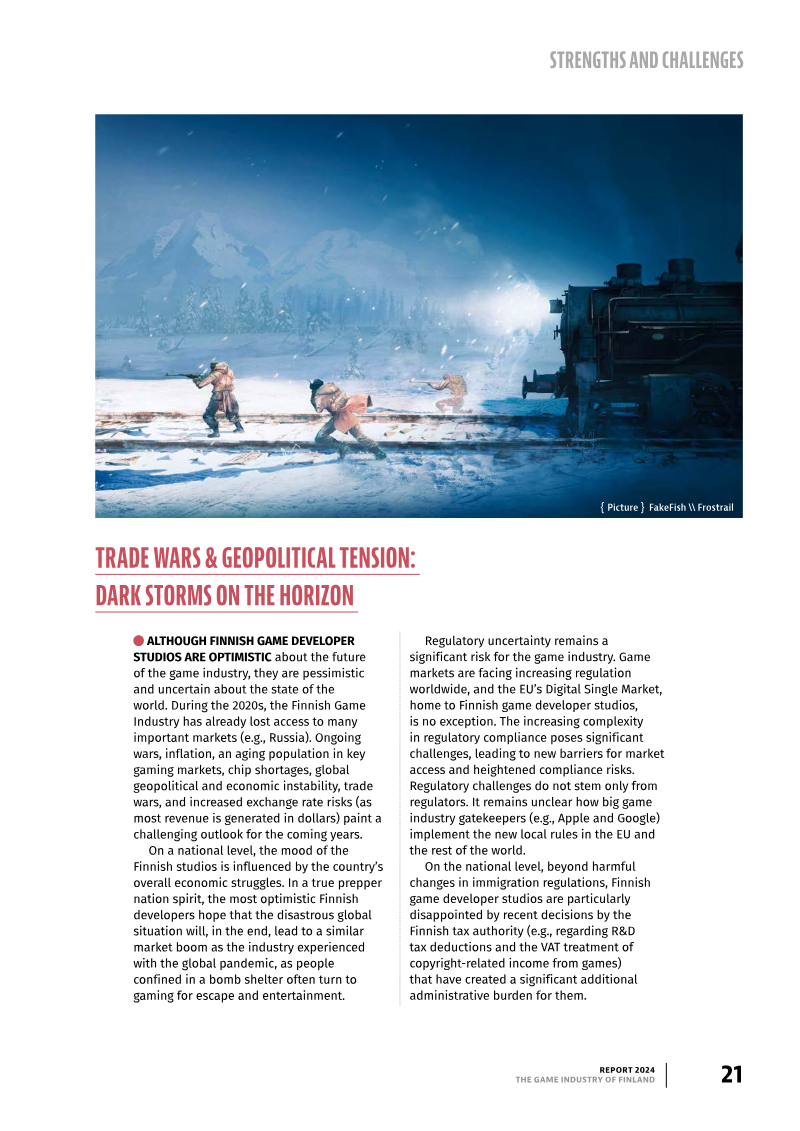
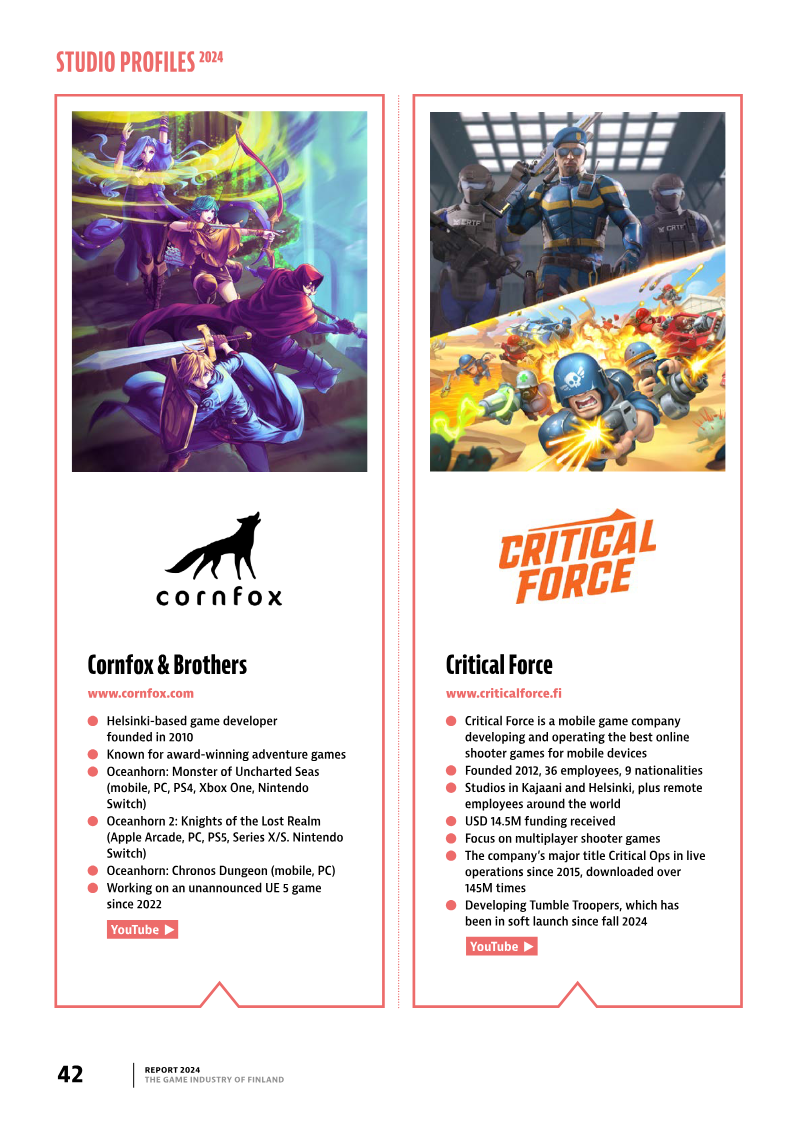
The Game Industry of Finland 2024
The Finnish game industry serves as a resilient, export-driven pillar of the national economy, currently navigating a complex global market transition.
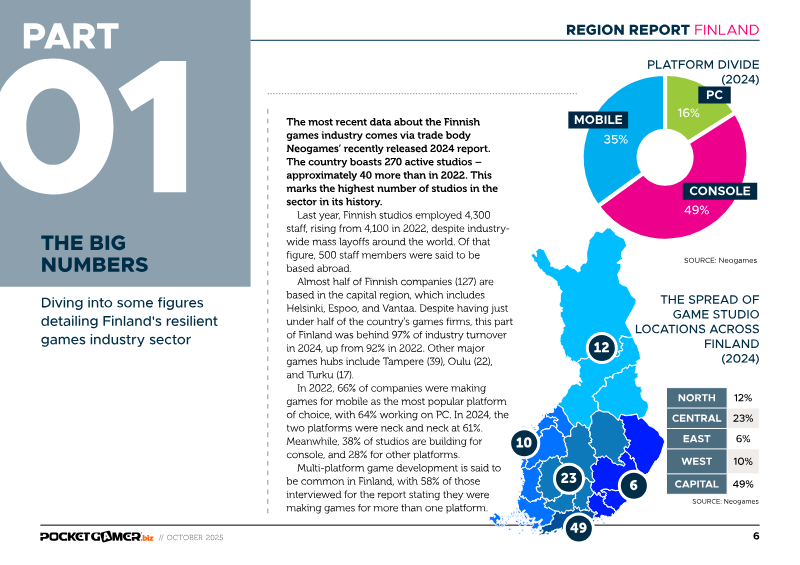
- The Finnish game industry reached a record 270 active studios employing 4,300 professionals by the end of 2024.
- Annual industry turnover contracted to €2.85 billion, with private investment slowing to €128 million.
- Studios are diversifying away from a mobile-first model, with PC development now reaching parity and increased exploration of console and VR platforms.
Finland Games Industry Report 2025
The Finnish games industry maintains a position as a global powerhouse, demonstrating significant resilience despite broader economic headwinds and a contraction in investment.
- The Finnish games industry generated €2.85 billion in 2024, supported by a record 270 active studios and a workforce of 4,300 professionals.
- The industry has set an ambitious growth strategy to double its total annual turnover by 2030 despite a current contraction in investment.
- Consumer spending in Finland is shifting toward consoles, which now capture 49 percent of the market, followed by mobile at 35 percent and PC at 16 percent.

Why Scandinavia Makes You So Happy? And Why We Chose To Leave.
Scandinavia offers a high-functioning welfare state characterized by stability, efficient infrastructure, and a strong social fabric, yet these benefits often come at the cost of high tax burdens and a cultural emphasis on modesty that can stifle individual ambition.
- High-skilled professionals are increasingly leaving Scandinavia for more dynamic regions due to high tax burdens, cultural constraints on individual ambition, and concerns over the long-term quality of public services.
- While Sweden maintains a strong economic position with a high density of unicorns and multinational corporations, other Nordic nations like Finland face economic stagnation and a political climate that prioritizes equality over merit.
- The global nature of the gaming industry enables high-skilled talent to prioritize professional mobility, allowing them to optimize their careers by transitioning between international hubs.


Wyniki Finansowe 1H25
This financial summary details the performance of PCF Group (People Can Fly) for the first half of 2025, reflecting a period of organizational restructuring and portfolio transition.
- PCF Group revenue grew to 115.3 million PLN in 1H 2025, up from 76.3 million PLN in 1H 2024.
- EBITDA turned positive at 2.9 million PLN in 1H 2025, recovering from an 11.3 million PLN loss in the same period last year.
- The company narrowed its net loss to 21.3 million PLN in 1H 2025, compared to a 33.3 million PLN loss in 1H 2024, despite accounting write-offs from the Chicago studio merger.