Unreal Tournament
Game
4 documents in the library are about Unreal Tournament, from writers such as Game Developers Conference and The Game Business. Each has a summary and key insights with the page they come from.
Connections
The documents about Unreal Tournament on the inner ring, the other games and companies they name on the outer one. Select a cover to see it up close and open it in a new tab; drag to move, pinch or Ctrl + scroll to zoom.
On Steam
Steam estimates as of 9 Oct 2026. Revenue is premium revenue on Steam only: game sales, without DLC.
- Games on Steam
- 3
- with sales
- Revenue to date
- $18.5M
- all of them
- Units sold
- 1.7M
| Game | Released | Share of the best seller | Revenue | Units |
|---|---|---|---|---|
| Unreal Tournament 3: Black Edition | 2009 | $15.3M | 1.3M | |
| Unreal Tournament 2004 | 2008 | $2.0M | 231K | |
| Unreal Tournament: Game of the Year Edition | 2008 | $1.2M | 203K |
Documents about Unreal Tournament
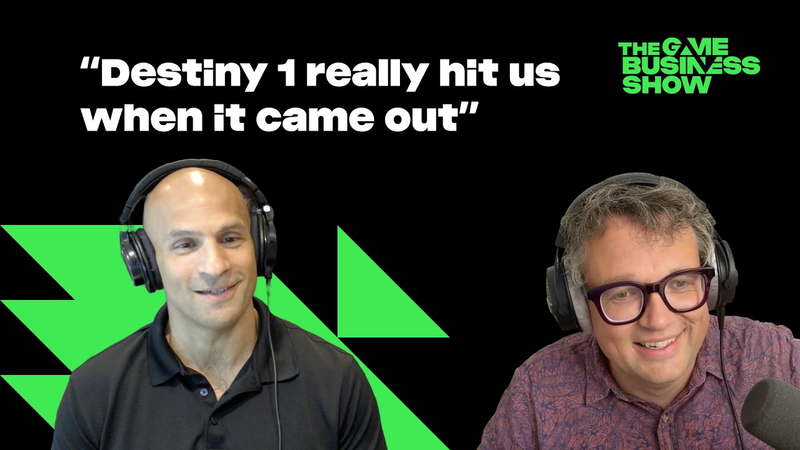
Destiny’s biggest rival Warframe has had ‘two years of massive growth’
Warframe has achieved a period of unprecedented expansion over the last two years, consistently defying internal projections that the title had reached its maturity.
- Warframe has experienced two years of massive, unexpected growth, defying internal projections that the game had reached its maturity phase.
- The studio is executing a dual-title strategy by positioning the upcoming fantasy game, Soulframe, as a parallel pillar to the science-fiction-based Warframe to capture distinct thematic audiences.
- Operational success is driven by a development philosophy of radical transparency and iterative updates, which has successfully balanced the needs of veteran players with new user onboarding.
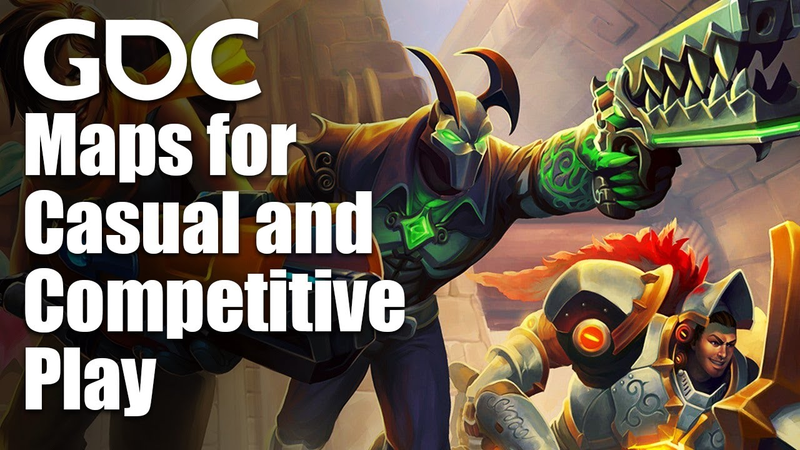
The Holy Grail of Multiplayer Level Design: Casual and Competitive Maps
The design of multiplayer maps requires balancing the distinct needs of casual and competitive players, a challenge often referred to as the pursuit of a "holy grail" map.
- Successful multiplayer map design requires balancing the needs of casual players, who seek recreational play, with competitive esports players who prioritize strategic depth and tournament viability.
- Designers should categorize player skill progression into layers: basic mechanical movement and shooting, map-specific tactical knowledge, and high-level meta-game strategy such as character bans and team compositions.
- Casual-friendly maps often rely on 'single-scan' layouts that allow players to process the entire environment quickly, whereas competitive maps require complex, multi-option layouts that prevent stale gameplay.
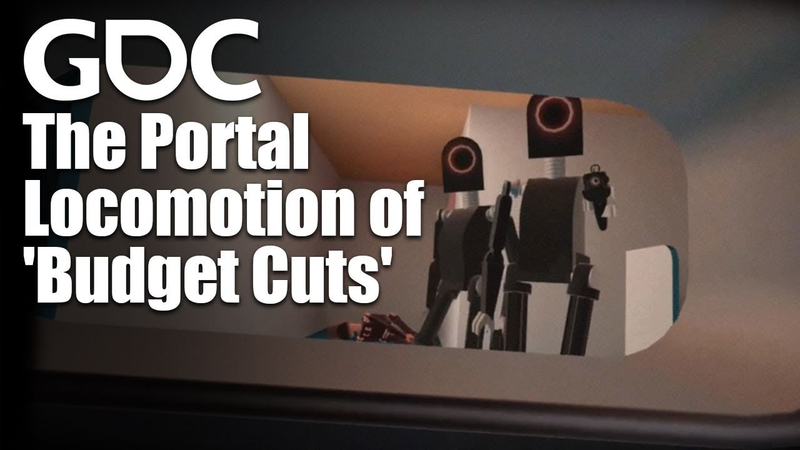
The Portal Locomotion of Budget Cuts
The development of the portal-based locomotion system for the virtual reality stealth game Budget Cuts focused on solving the inherent challenges of VR movement, specifically motion sickness, navigation predictability, and gameplay pacing.
- The Budget Cuts locomotion system uses a physical translocator beacon to naturally constrain movement speed and distance, avoiding the disorientation associated with traditional point-and-click teleportation.
- To mitigate motion sickness, the game employs a portal window that previews the destination and uses spherical linear interpolation (slerp) to provide a smooth, consistent transition regardless of player head orientation.
- The team optimized performance by replacing resource-heavy render-target techniques with Z-buffer manipulation, which renders only the necessary geometry within the portal to reduce GPU load.
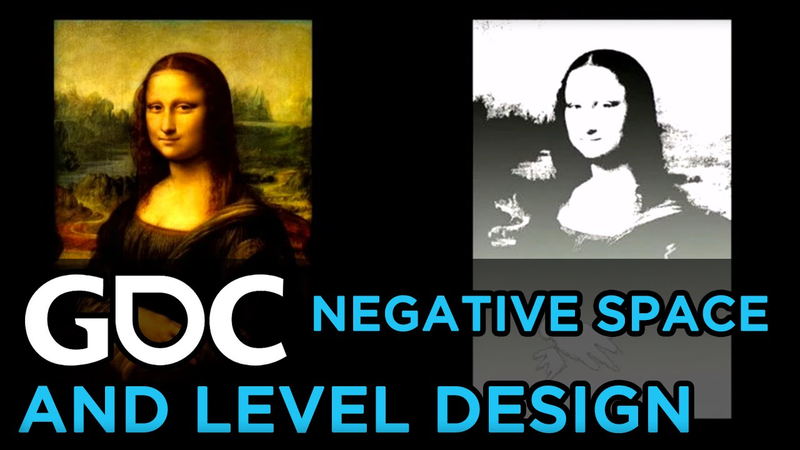
The Importance of Nothing: Using Negative Space in Level Design
Negative space serves as a foundational pillar in level design, functioning as a strategic tool to enhance visual clarity, guide player focus, and optimize gameplay flow.
- Negative space is a critical design tool used to reduce cognitive load, improve visual clarity, and guide player focus in complex 3D environments.
- Excessive visual detail in modern games often obscures navigation and combat targets, leading to sensory overload and degraded player experiences.
- Designers can evaluate environmental noise and map playability using analytical techniques such as squinting, blurring, and color histogram evaluation.
Companies behind it
As the documents state it.