
Temple Run
GameBy Imangi Studios · Released Aug 4, 2011
Documents about Temple Run

Why is Google policing how the world's top mobile games monetise? | Week in Mobile Games podcast E72
Google and Epic Games have proposed a tiered fee structure for the Play Store that distinguishes between cosmetic items, taxed at 9%, and gameplay-advantage items, taxed at 20%.
- Google and Epic Games have proposed a tiered Play Store fee structure that charges 9% for cosmetic items and 20% for items providing gameplay advantages.
- An analysis of the top 50 mobile games shows that every title currently employs monetization mechanics, such as loot boxes or boosters, that would trigger the higher 20% fee.
- Direct-to-consumer revenue streams are gaining traction, evidenced by Playtika reporting 20% growth in this sector during the third quarter through strategic entertainment brand partnerships.
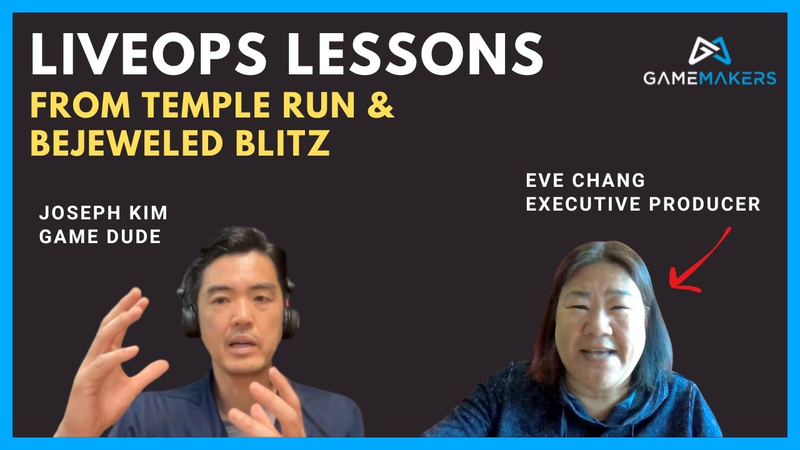
Liveops Lessons from Temple Run & Bejeweled Blitz ft. Eve Chang
The mobile gaming industry requires a strategic shift from aggressive monetization toward player-centric design to ensure long-term success.
- Prioritize player experience over purely data-driven decisions, as demonstrated by a 7% lift in retention for Temple Run after implementing visual cues that reduced player anxiety, despite initial internal skepticism.
- Successful LiveOps requires balancing quantitative data with qualitative player feedback, such as utilizing a dedicated 'Super Fan Club' of 80–100 NDA-bound players to validate features before a full rollout.
- Monetization should be naturally integrated into game design rather than forced; players are more likely to spend repeatedly when they feel they are receiving value rather than being 'squeezed' for revenue.

Biz Daily: Why iDreamSky invested $10M into Rumble
The Chinese mobile publisher iDreamSky has expanded its global footprint through a 10 million dollar investment in the United States-based developer Rumble Entertainment.
- iDreamSky has invested $10 million for a majority stake in U.S.-based developer Rumble Entertainment to expand its global footprint beyond the Chinese Android market.
- The investment grants iDreamSky exclusive rights to publish Rumble’s titles within China, securing a pipeline of high-fidelity Western content for a market that demands premium graphical quality.
- Rumble Entertainment, which has previously raised over $30 million in seed and Series A funding, required the $10 million infusion to provide the marketing liquidity necessary to scale its current soft-launch projects.
How iDreamsky made Fruit Ninja and Temple Run successful in China
The Chinese mobile gaming market presents unique challenges and opportunities that require a specialized approach to localization, monetization, and intellectual property protection.
- Ignoring the Chinese market does not prevent piracy; popular games are typically pirated on major sites within one hour of release, with clones appearing within three months and trademarks often hijacked by third parties.
- Chinese players in second and third-tier cities often provide higher lifetime value and retention than those in first-tier cities, as they have fewer entertainment alternatives and less exposure to rapidly changing international trends.
- Data costs are a significant barrier in China, where a 5GB data plan can cost 15% of a citizen's monthly income, necessitating small game sizes and low bandwidth consumption to ensure high conversion rates.

Dealing with 10 app stores is harder than dealing with 400 app stores, says iDreamcast's Jeff Lyndon
The Chinese mobile gaming market presents unique challenges for Western developers, primarily regarding localization and distribution.
- iDreamSky, a major Chinese publisher with 260 million registered users and 60 million monthly active users, specializes in localizing Western mobile hits like Temple Run 2 and Fruit Ninja for the Chinese market.
- Successful localization in China requires significant adjustments to monetization strategy and UI/UX, such as placing store buttons in prominent locations rather than tucked away, to accommodate a user base that may be new to gaming.
- The Chinese mobile market is shifting away from Western titles toward Korean and Japanese games, which offer comparable quality but higher cultural resonance with local players.