My Little Pony
Game
2 documents in the library are about My Little Pony, from writers such as Eludamos: Journal for Computer Game Culture and The Game Business. Each has a summary and key insights with the page they come from.
Connections
Each row is a game or company named alongside My Little Pony, each column a document, oldest first. A mark means that document names it. Select a row to see those documents.
Documents about My Little Pony
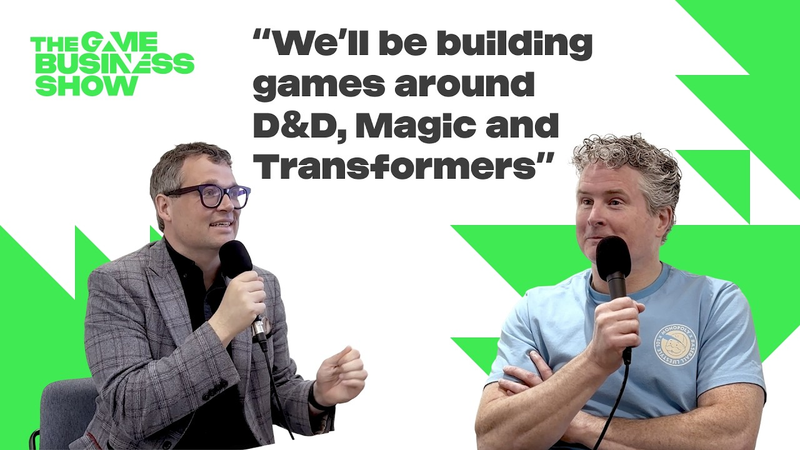
The D&D company is spending $1bn making video games, and none of them are games-as-a-service
Hasbro is currently executing a decade-long, $1 billion investment strategy to expand its footprint in the video game industry.
- Hasbro is executing a $1 billion, decade-long investment strategy to expand its video game footprint, explicitly rejecting the games-as-a-service (GaaS) model in favor of premium, single-player experiences.
- The company is prioritizing high-quality, 40-to-50-hour traditional PC and console titles to avoid the high volatility and low success rates associated with GaaS.
- Hasbro’s portfolio strategy divides development between internal studios for core brands like Dungeons & Dragons and Magic: The Gathering, and external partnerships for casual or mobile properties like Monopoly Go.
Gandalf on the Death Star: Levels of Seriality between Bricks, Bits, and Blockbusters
Nørgård and Toft-Nielsen's article argues that digital seriality in playful franchises should be understood not as a corporately controlled process of transmedia world-building but as a plural, processual, and participant-driven phenomenon.
- The article argues that digital seriality in playful franchises is plural, processual, and participant-driven rather than a corporately controlled process of transmedia world-building, using LEGO as its central case.
- The authors find Henry Jenkins's transmedia storytelling concept too narrow and propose an expanded framework of "serialities-in-use" that includes transformational and transgressive fan engagement alongside franchise-directed world-building.
- The model distinguishes intra-, inter-, and para-ludic levels of seriality, textual seriality (within immersive play worlds) from actional seriality (through embodied interaction design), and "drillable" vertical engagement from "spreadable" horizontal engagement.
Companies behind it

As the documents state it.