The appointment of Asha Sharma as the new leader of Microsoft Gaming represents a strategic pivot toward corporate synergy rather than a traditional gaming-focused turnaround. The core thesis suggests that Microsoft is prioritizing AI integration and capital allocation over the specific needs of the gaming division, which currently accounts for only 8% of the company’s total revenue. By installing an executive with a background in platform scaling and AI, Microsoft is signaling a shift toward making Xbox a more efficient component of its broader corporate ecosystem, potentially at the expense of its identity as a dedicated gaming platform.
The gaming division faces significant structural challenges, including a 32% decline in hardware sales and a substantial market share deficit compared to PlayStation. While the previous strategy centered on Game Pass and cloud-based growth, the current reality requires stabilizing a collection of major studios—such as Blizzard, Bethesda, and the Halo franchise—that are currently in a state of creative recovery. The promotion of Matt Booty to Chief Content Officer is identified as a critical move to bridge the gap between corporate leadership and the creative teams, though the long-term success of this structure depends on whether Booty is granted genuine authority to protect studio autonomy from corporate pressure.
The broader industry implications are notable, as a weakened Xbox reduces the competitive pressure that historically drives innovation within the gaming sector. Without a strong, platform-focused challenger, competitors like Sony may face fewer incentives to prioritize quality and aggressive pricing. Ultimately, the success of this leadership transition will be determined over the next 18 months, contingent on whether the new management can balance Microsoft’s demands for AI-driven synergy with the creative requirements necessary to restore the brand’s market position and internal morale.
Deconstructor of Fun · 2026
Deconstructor of Fun · 2026

Deconstructor of Fun · 2026
Deconstructor of Fun · 2026
Deconstructor of Fun · 2026
Deconstructor of Fun · 2026
Deconstructor of Fun · 2026
Deconstructor of Fun · 2026

Deconstructor of Fun · 2026
Deconstructor of Fun · 2026
Deconstructor of Fun · 2026
Deconstructor of Fun · 2026
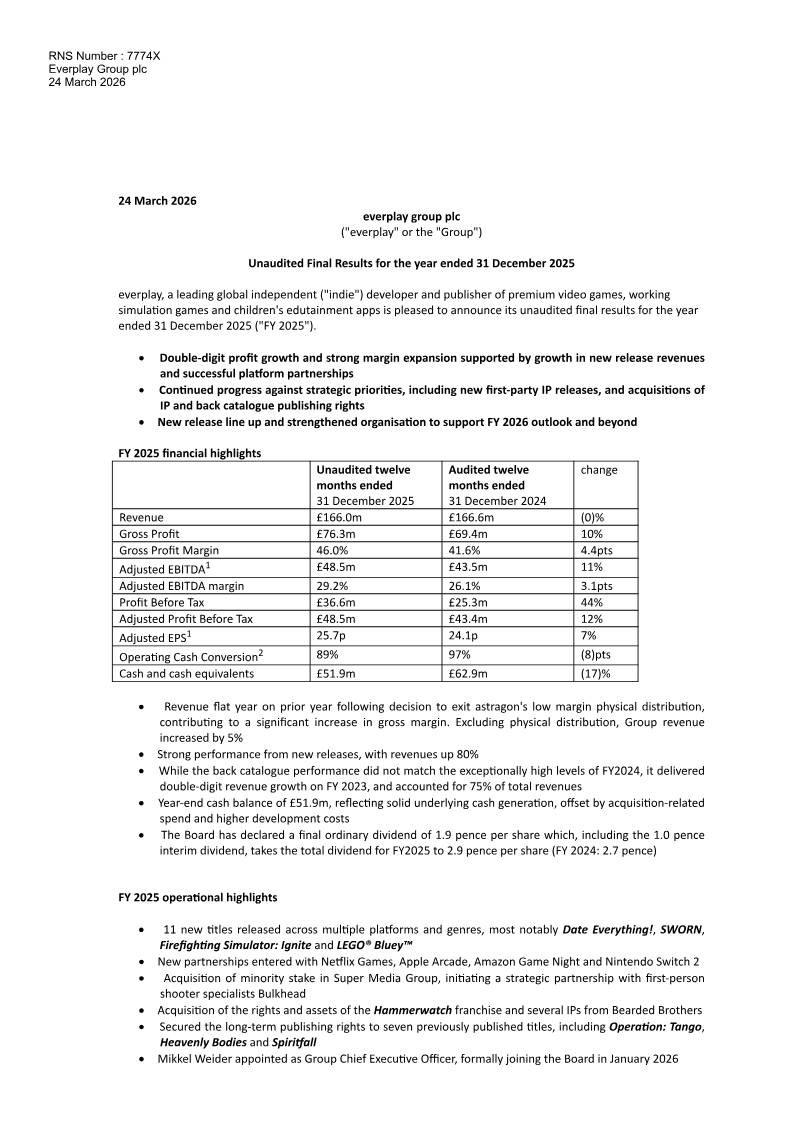
Everplay Group · 2026
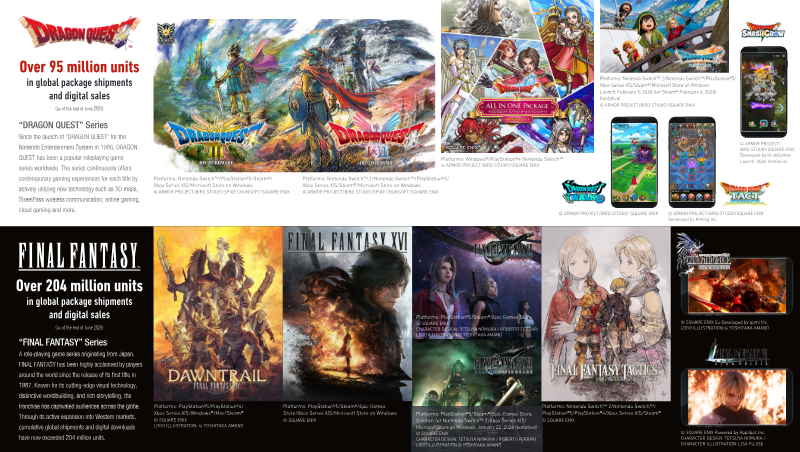
Square Enix · 2025
Thunderful · 2025
DDM · 2024
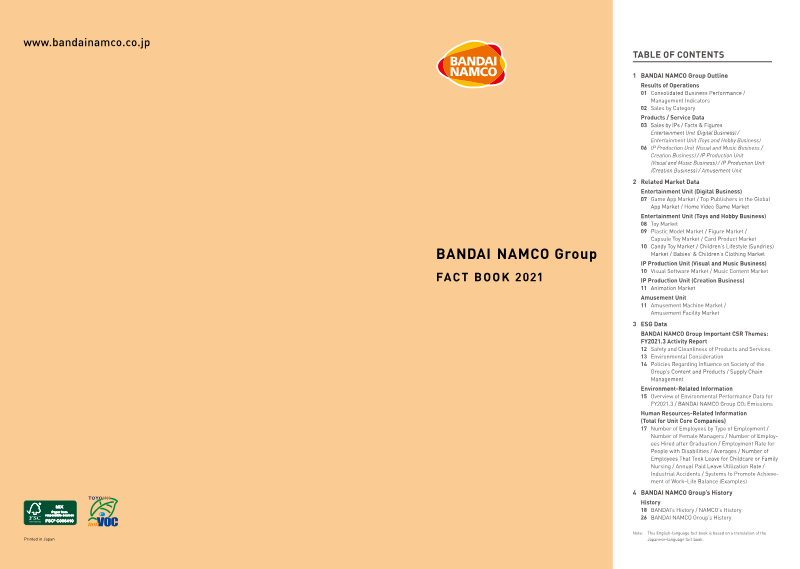
Bandai Namco · 2021
Bandai Namco · 2017
Bandai Namco · 2013

Koei Tecmo · 2010
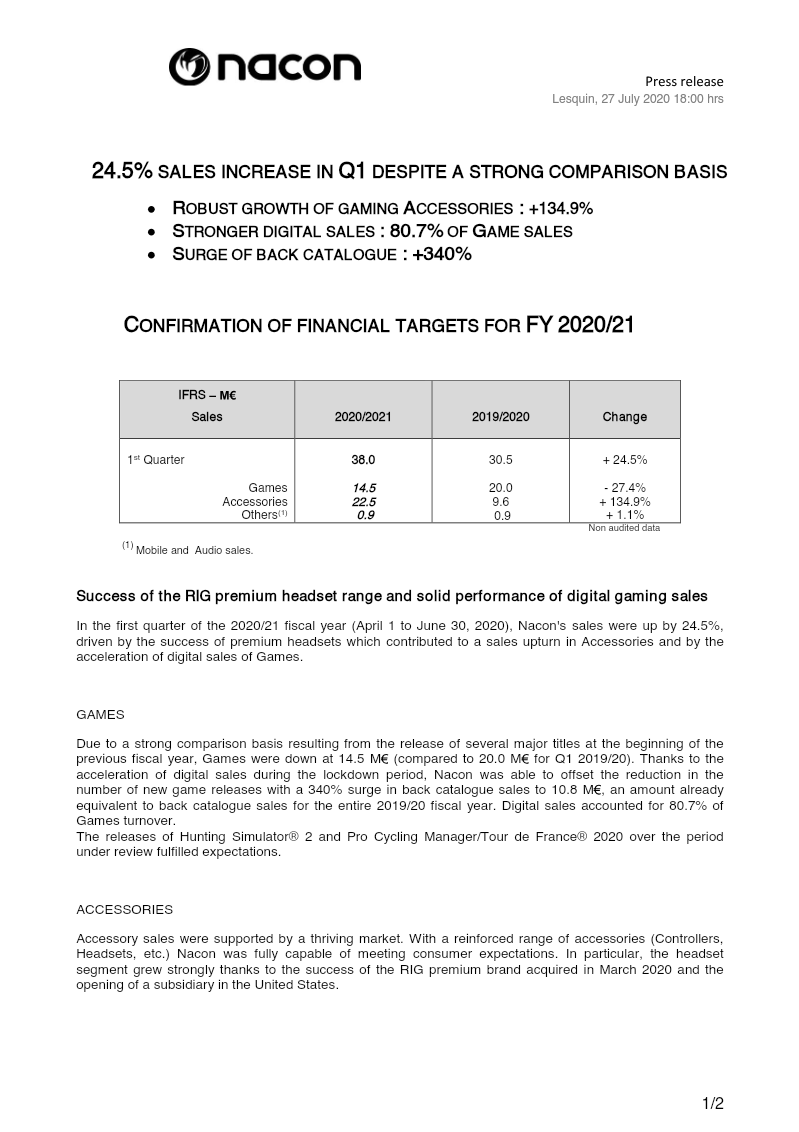
Nacon
Bandai Namco

Koei Tecmo

Koei Tecmo