1 free read left. Create a free account for unlimited reading + AI research.
Create free accountArticle GameRefinery
1 free read left. Create a free account for unlimited reading + AI research.
Create free accountArticleGameRefinery
Developers are evolving their design strategies by incorporating user-generated content and collaborative gameplay.
Design Focus. The observed market updates reflect a trend toward increased player agency and social collaboration within top-performing mobile games.
This analysis examines recent feature implementations in top-performing mobile games, highlighting how developers are increasingly integrating player-centric and social mechanics to drive engagement. The primary objective is to showcase how major titles are evolving their design strategies by incorporating user-generated content and collaborative gameplay, reflecting broader industry trends toward deeper community interaction.
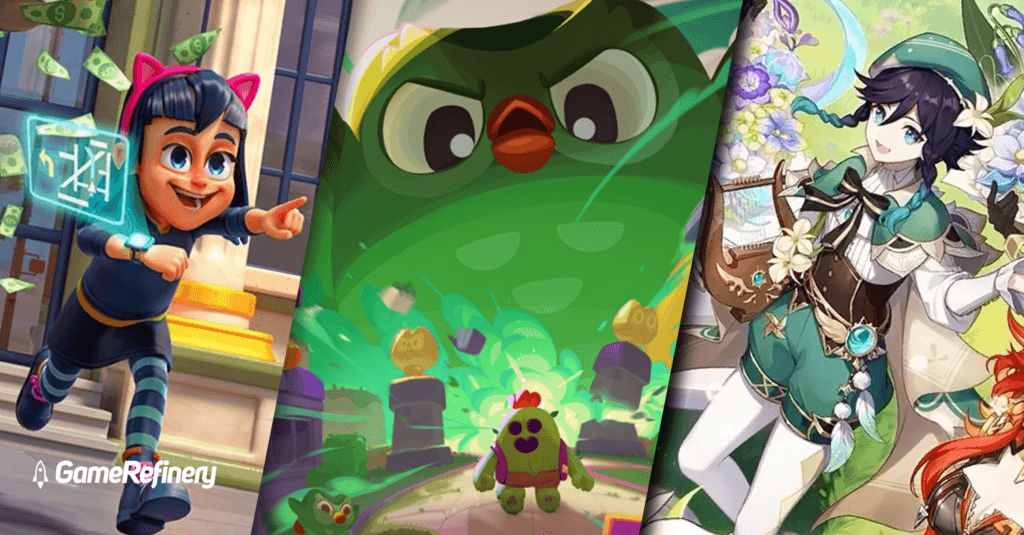
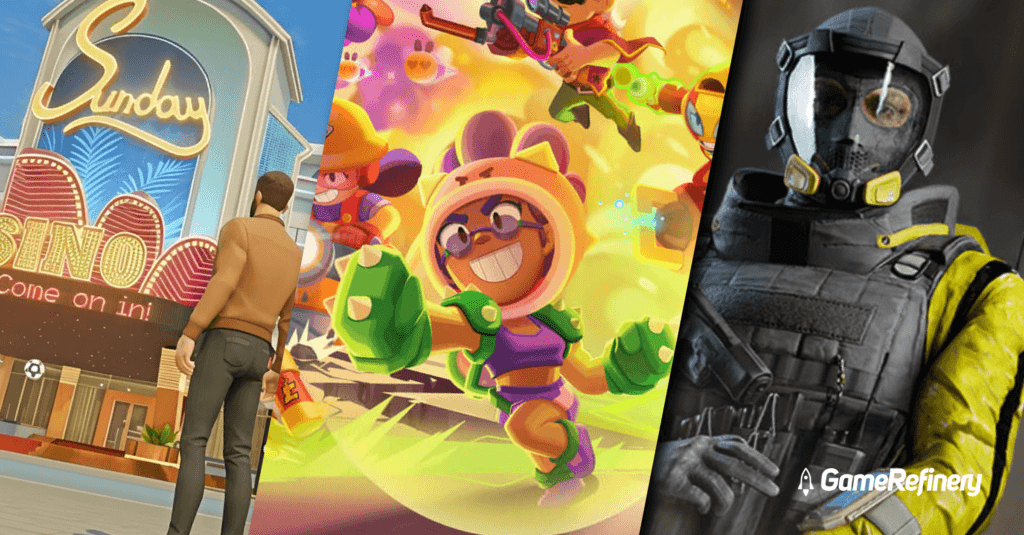
Key findings center on two prominent examples of these design shifts. Brawl Stars introduced a map maker tool, effectively empowering players to create and share their own content, which serves to increase long-term engagement through creative agency. Simultaneously, Homescapes implemented a team-based match-three mechanic that allows guild members to assist one another with difficult levels. This system fosters social cooperation, as players who provide help receive rewards, thereby incentivizing community support and strengthening social loops within the game economy.
These observations underscore a shift toward features that prioritize player autonomy and social interdependence. By moving beyond traditional solo play, developers are successfully leveraging community-driven mechanics to enhance retention and provide more dynamic, evolving experiences. The analysis highlights that these updates align with broader market movements where top-tier mobile titles are increasingly adopting sophisticated, community-focused design elements to maintain their competitive edge in a crowded landscape.
GameRefinery · 2026
GameRefinery · 2026
GameRefinery · 2026
GameRefinery · 2026
GameRefinery · 2026
GameRefinery · 2026
GameRefinery · 2026

GameRefinery · 2026
GameRefinery · 2026
GameRefinery · 2026
GameRefinery · 2025
GameRefinery · 2025
Two & a Half Gamers · 2026