1 free read left. Create a free account for unlimited reading + AI research.
Create free account
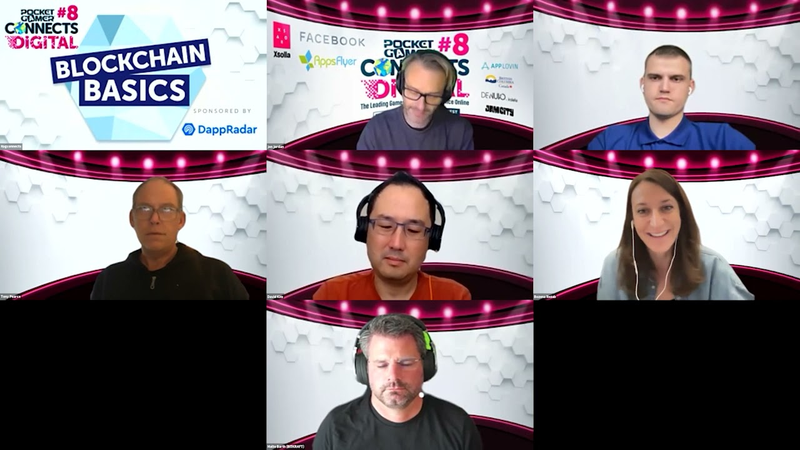
Panel:Going Mainstream: How is a Successful Blockchain Game Different to a Successful Standard Game?
Key insights
6 takeaways- 01Blockchain integration enables a shift from closed, centralized ecosystems to models featuring true digital ownership, asset interoperability, and shared economic participation for players.
- 02Successful blockchain games must prioritize core entertainment and community engagement as their foundation, using decentralized technology only as a backend economic layer to enhance the user experience.
- 03Blockchain gaming democratizes development governance through decentralized autonomous organizations (DAOs) and token-based systems, allowing players to capture value from their contributions.
- 04The sector offers alternative financing paths that provide early liquidity, shifting player psychology toward investment-oriented behaviors that bridge the gap between gaming and decentralized finance.
- 05Long-term industry success requires the technology to become invisible to the user, moving away from short-term speculation toward the legitimization of gray-market economies.
- 06The industry is currently hindered by significant technical friction, including complex wallet integration, scalability issues, and jargon that alienates mainstream audiences.
Ask AI about this video
Transcript
the headline or the um i guess the starting question for this panel um which which we'll definitely be addressing um amongst other things is is how is a successful blockchain game different to a successful standard game or traditional game which is actually quite a um quite a kind of interesting question i think to sort tease tease open um so i hope the panelists are sort of uh ready for this sort of stuff because i think clearly there are there's some aspects um of of uh blockchain games are gonna be the same as say traditional games but clearly there are some very different aspects as well and i guess that's something we've seen in the talks with uh with alexander jesse and and vlad as well um so uh and uh good so palace all here lovely um and also you know it's good that actually we have uh our panelists are sort of each has a sort of separate um uh sort of business in the blockchain game space so it's not like we've got all developers so hopefully we'll get
some different sort of um opinions and some different perspectives on on how this sector sort of playing out um because people are doing different things but anyway let's um let's get some introductions done first um samantha's do you want to just uh remind people who you are and what you do with that radar hey sure good to be here so scare mantis here ceo and co-founder of tap radar well my journey in the blockchain gaming started when cryptokitties exploded back in late 2017 and since then it was for me it was all about how to stay on top of all of this uh kind of sexy technology and all the developments that are going around so in early 2018 we founded daprader as a simple website that shows you a ranked list of dapps and now that right there is a world's leading app store with defy and ft's games and any other vertical that well you can find on the blockchain and we're sending a million users to the apps every month now so that's my little story thank you um tony tony pierce yeah hi john hi gang um yeah tony pierce i'm the co-founder of
reality gaming group we were founded back in um 2017 which um seems like decades ago in the blockchain lifespan um and we uh we create um games that integrate nfts and blockchain that was very short they're very very synced good okay david yeah i'm david kim uh i am with the company called whitney.io which helps uh you know companies bring projects to the wax blockchain uh my background actually is in more traditional game development and publishing i've worked at several major publishers and recently transitioned into the blockchain space cool good uh bezina hi everyone i'm bojina i'm leading gamey as the ceo and co-founder and gamey dedicates their time to mobile gaming platform we have been together with the team building gaming since 2015. we have launched over 80 games we have
community of 30 million people and last year we have joined animoka brands which is later in blockchain gaming and this is the moment when we started our blockchain journey as a company and since then we have launched a gaming token and last week we have launched um a new product of gaming that is powered by blockchain and that hit the top decentralized apps on depth radar so yeah happy to see the face behind the ranking yes you can download the mobile app now and i idle mine some uh some cryptocurrency well it's actually it's just a rewarded waiting line for the big thing that's coming late october so it's it's really cool to see that people are excited to what's coming and they're like there is quench a bunch of them so quite a bit i think i think i'm up to 1.2 at the moment so i'm i'm doing okay um and uh finally uh malt is it is it silently i'm sorry i'm terrible with pronunciations that's fine i'm used to different shapes what should it be though
like think of mulch whiskey that works around the globe yeah good okay uh yeah what are you what do you do at bitcraft what a bit crafty yeah we the specialized investor in the in the gaming field and every single time we see new upcoming computing platform evolve we get very excited um i'm a software engineer by training and so every single time you start having such uh platforms you gotta start coding on it to learn about a bit a bit about it and so it was back in 2015 when ethereum was pretty fresh uh in a different context there was it wasn't games we built essentially an application for uh background screening and put it on a chain on ethereum very early days was too early in terms of like cost and scalability and whatnot but you know got us hands dirty and then afterwards been involved in a few of the early days in ico land when it comes to games and then fast forward the movie a little bit uh vs
investor uh you know laser focus around gaming um we put a dedicated blockchain crypto fund into the ground to like invest on the intersection between gaming and crypto um this year we uh we made five investments into into the space uh and and try to to help the developer community to push the limits big believers on the on the theme still we feel very early days so make no mistake you think of a bigger picture there there's you know a lot of interesting growth ahead of us good so uh so we've got a a game developer we've got a sort of a blockchain um i've seen seeing you david sort of sort of equivalent to a blockchain we've got a sort of gaming platform with verzino we've got we've got multiple his uh investment strategy and then doing data and sort of a kind of discovery layer so different aspects um to discuss uh what's the difference between a blockchain game and a traditional game i
guess we'll have to start with the game developer so we'll start with you tony from a fundamental point of view what are the what are the similarities and what the difference is um well i've been in both areas really so you should know that that's why i'm starting with you yeah um well the key that what excited me about um moving into blockchain and nfts and i know every conference everyone talks about the same things but it is about ownership right and and you know if you if you look at what i call the the old style games and the fact that you're spending hundreds if not thousands of dollars in games like fortnight and actually not owning anything i think you know it's about time the industry changed and and the and it came back to the gamers as opposed to the publishers and and i think that's a great thing and i think um uh that that to me is the is the number one um uh game changer excuse the pun um that that will happen and you know i think if the big aaa games companies aren't looking at this seriously now they will get left behind and it will be it will
be gamers that that will move you know i'm going to play a game where i can own that content make my money back sell it for a profit or use it in another game and that's what we're working on the whole interoperability of of nfts that you buy from our games you can spread across i mean well looking at it from an investment point of view um obviously you know you originally started out doing a lot of investment into esports and then you moved into more traditional games then you've gone very aggressively this year into blockchain so what what do you see there on the sort of similarities differences and why do you think you know why you've gone so heavily into blockchain um yeah i i mean it's it's it's it's not uh the theme is the same the theme is called community right and so we've been building communities for a long long time in various games and we know a little bit from like specifically esports when you think about core games and they sort of like you know they are the games so say they built the game many of the esports titles being built by community in mods right when you
think they're through i mean it's ownership not in the economic sense but at least in in sort of a spiritual mental sort of sense because it's their baby they police it they run with it they really really deep into the game when it comes to like time investments and to some extent even financial investments all the items and what they're building there uh and it's nothing else that you put this on a new technology level for the committee to like actually have have you know not only economic ownership but they have governance you know and that's one of the few key moments in in our competitive life i i remember very very vividly when the first time i'm a cs go player i must admit and the first time you know valve uh essentially started to roll back and update when the community was yelling and screaming of some things they've like you know launched launched in and so that was a very key moment i think in in in community such gaming history when you see the community having that power and if you give them more tools and here
blockchain is a fantastic tool right to model an economy to to give ownership to give voting and to give and to also to share economic upside with it uh and that is just the the sort of a basic theme we've been long long behind and you only waited for the moment you you could do that right because after all like like we as an investor which is a very big novel and we invest into dows you know so this is like when you talk to like normal ordinary uh traditional m a lawyers and they they advise you on doing deals into corporations and whatnot and you you you call them and say oh by the way can you help us to invest in a dao those guys look at you like what is this right and when you think of it like you know this is something the community owns and we as investors and most part they have actually the same say like the community you know the community has the governance rights we have the same governance rights there's nothing else so it's really like the democratization of of that process and that's something to be very excited about as uh as players and communities
guys the foremost i'll try and unpick a bit of the terminology it sort of comes up for people who don't know so so the dow is a decentralized autonomous organization and effectively it is sort of the the blockchain equivalent of a company not really in the legal sense but in the blockchain sense and normally um you would have sort of um you'd normally own a token or an nft and that would give you that would make you a member of the dow and then adele would probably organize itself by having um you know people could propose things and then people with the token or the nft could vote on that and then those um those votes would be binding in terms of how the how the dow deploys its assets or it could be a dow around a game or something like that so if you're not sure what a dow is um that's that's my explanation i mean um it's a good point about community which we've sort of been discussing throughout the afternoon so far i mean uh brazil i mean you're in a slightly different situation that you're you're sort of uh you're a platform so so gaming before
the blockchain side of things where people were were playing these very simple sort of i mean almost like mini games to sort of earn rewards in the game and real money in fact um and now you're bringing the blockchain to that so i guess from that point of view i'm i'm guessing the games won't necessarily change maybe they will but but certainly how you're using blockchain to sort of um organize and and refine your community is probably the area that you're thinking about is that correct can you talk a bit about how you're thinking yeah absolutely so look looking at uh at the motivations why why people come and play and now i can i can speak from both sides because from 2015 we have been building free to play gaming platform and had nothing to do with blockchain and in the past let's say 18 months uh we have shifted into how to take it to the next level so i kind of can look at it from both point of views and now we have like dual community we have a community of 30 million of the traditional gamers and then we now we have one million of people on boarded to crypto the first very first step and and looking at how we how we work
with them and what the motivations are some of them are the same right so people come to play games uh the motivations really differ by game like compete with others collaborate uh complete a level that stays the same but just the text the fact that we can use the features of blockchain at that's what the other people have already talked about uh and other incentives like i can actually uh participate i'm a part of the community the when the values created i share the value i have a voice and all the ownership uh around it i i also have to say that we have we have seen signals that people are interested in things like that even before we started implementing blockchain into our new app because of like how the community operated right they they always voted on what the next game on the platform should be they always had opinions about the features there was a gaming currency that is possible to cash out in fiat or usd as you want to name it and we we started introducing these rewards
to people as the community grew we took percentage over revenue as a company and we gave it back to the people as rewards now they absolutely loved it and the more we give away the more we listen to the community the more our community grew and the revenue and everything so that was the moment when we really started thinking okay there is something in this how can we take it to a next level and here you go there is a tag called blockchain that can take it to the next level but but the principles essentially do not really change just make it real yeah good point yeah i think sometimes certainly some of us who have been around for a while we get a bit sort of carried away with it with the blockchain techy side and argue about which blockchain's the best and but actually looking at it from a product point of view just what features is it giving to you to in your case an existing product or what features could it add to a product project you product you want to make um the techy stuff doesn't you don't need to worry about that from the top level you need to think about you know what effective what you're what it's bringing and that's sort of
especially the gamers i'm talking about they uh they don't they don't want to know that this is watching right it's something that's like unnecessary information like like you would explain to a normal gamer what type of database the game you're holding in your hand is using it doesn't really matter it's like what you what do you do with it right yeah good okay uh john actually everyone on that points it's um it's quite good so with um like one of our games is doctor who which has a massive fan base but a fan base probably 99 of people haven't got a clue what blockchain is might have heard of nfts um but you know the most important thing is to onboard these people without confusing them without throwing loads of of our buzzwords at them and and actually when you sign up um with us your account is automatically an ethereum wallet you don't even know that right it's created for you you buy nfts with a credit card with paypal or with crypto right it's in like an e-commerce checkout you know and i think that ui is
is very important and if you want to dig deeper there are and people you know kind of engage and educate themselves you can find out about the technology you know you just dig deeper into the faqs and go oh that's else oh i can trade these oh i own them and i think it's really important that the ui is smooth and easy and and i think you know where it used to be you know john when we first started you know the ui was incredibly painful and the friction was unbelievable and you know even you know even metamask is complicated for a lot of people and and if you can try and um reduce those barriers and make it simple and fun and the game obviously being good then we're a long way there and i'm really seeing some really cool stuff coming through from other people as well that you wouldn't even know it was blockchain yeah but the feature behind it off right on that on that context and we'll just have a shout out that um we'll will wright just uh just sort of declut his his new thing he's doing which is actually using the force a platform so it's all using blockchain um but it's so
you wouldn't you know you wouldn't know about it and it will write so interesting if you know who will write this um uh david i mean you've done this transition i suppose from from kind of traditional games to to blockchain how did you know how did it how do you do you think that industry you know are you sort of in the vanguard of that industry and everyone's going to move that way or is it a bit more complicated or is it still i mean i sort of come across certain people who would silver every anti-nfc at the moment or who would still have yeah yeah i mean how do you see that sort of culture transition so i think you know first of all a lot of the anti-nft sentiment is based on misinformation um unfortunately ethereum has taken the lead in terms of defining what an nft is an ethereum is a proof of work state with you know proof-of-work architecture which means every transaction just requires a ton of energy there's other blockchains out there that are much more energy efficient they're using what's called proven stake um so you know wax is one of those blockchains and we work on that blockchain for a number of reasons but
first and foremost is that they are incredibly energy efficient the way you know like most proof-of-stake uh blockchains it doesn't take any more energy to process a transaction and proof-of-stake blockchain than it does on a regular e-commerce or game server so that eliminates the environmental problem which is what most people have an issue with um some people have an issue with the idea of owning a digital item um and you know like how do you value something that doesn't really exist and i just say well you know how is a trading card have you know physical trading card have value you know for some people it does for other people you know actually probably has negative value because it wastes space um so you know i think there needs to be education um and there is a balancing act here because it's you know like tony has said and bozina said ultimately the end of the day for a gamer blockchain should be really mostly invisible you know it's back end technology for the game developer and publisher it's not something that really should be of concern to the player um
you know the wax blockchain has an interesting feature called the wax cloud wallet which is um if you've ever tried using it it's designed to be like logging into any game or website you don't have to use blockchain keys or any of that kind of you know weird stuff uh it's got a bunch of social logins so you know you can even use things like steam or discord to log into that wallet um and those are the kind of things i think you know that are going to be developing blockchain will get easier to use as more and more people come on board and people realize the friction points um and how to fix them um now going back to your initial question about what the difference between a blockchain game and a regular game is it really is just the monetization model at the end of the day um you know and what i see coming from the traditional game space is that right now where blockchain gaming at is at is very similar to the early days of free to play and micro transaction and facebook games so if you actually look at most blockchain games um they look a lot like mafia wars honestly when
you look at the core gameplay loop um and that's what you're seeing the only difference is the monetization model um so i think what you're going to see long term is that there will be that the monetization model will be adapted by most if not all games long term just as micro transactions have become adopted by most games in the space now um you know and and different games will have different features you know and how deep the monetization model goes will vary um some games as as multi mentioned we'll have this sort of community ownership which i think is really interesting long term um but most games won't most games will use just portions of the monetization model yep no absolutely agree with that yeah yeah i think it is uh in fact it's sort of interesting i think we've just been discussing sort of dowels um i think you know we get very focused on the economics that's sort of where we are at the moment but but i see over like the next decade some really interesting stuff around sort of community and how you sort of douse how you know how sort of game girls become
dows and they become these sort of living you know kind of communities which have value attached to them and how that can help with sort of toxicity and communities and i think there's lots of really things that you're not no one's looking at now it's too far down the line but um yeah good points um i've got some questions i'm going to try and slip some questions in as well so um i think we've covered that first sort of question uh pretty well so scamantes as your i'm gonna come to you as our as our sort of uh discovery expert and we have a question um someone who is sort of new blockchain stuff sort of new to them um they're not an expert at all uh could you recommend a couple of they said mobile blockchain games but um doesn't have to be mobile games what would you sort of recommend to people who are you know obviously i guess now a lot of people in the game space are sort of hearing about this sort of stuff and it may may take a different view um than us sort of positive people but uh you know play playing is is a 99 of the understanding i've always found so so what would you recommend to people if you you know you're really not technical you just want to sort of take a taste of
what this new stuff is about yeah i think it really depends some kind of what's your goal is it really to just try out something that that kind of works or is it again gonna have to try play to earn and then figure out how to make some money so i think give us a couple of each yeah what i like for example uh for well you can do both you know you can just play for fun you can play turn on the same game uh just kind of what i tried what i liked is uh i think eos had a really good game kind of called prospectors i mean really good try um 100 sure where they are now but it was sort of like a travian like uh try and i like that approach that they were brave enough to try kind of going for this uh again obviously axis something worth going and trying for um that it's a bit of a on chain but on chain versus op chain thing so you know beware but that's also a good thing because you don't know what's where and you don't need to know sometimes i think you know just two of those there are but they're also kind of
splinterlands alien worlds uh upland the ones kind of worth trying out and pretty big names in the industry i've got a mobile game john oh yeah no done chill it schulich one so it's called reality clash right it's one of the first it's a mobile game it's on the app stores download it now um and um you can go to uh realitycash.com click on the armory and you go to the nft store so you can so the game is an augmented reality combat game and the nfts are limited edition guns right so you can go to the store buy the nft download it into the game use it look really cool because they're limited edition and when you're finished with it take it out and sell it you know it's still it's been one of the originals um it's one of the first that has nfts it's one of the first that apple have approved and and it's really fun now it isn't a true blockchain game it's hybrid because it's just connecting the nfts into an onto a blockchain for you to trade it's
not like an axi where it's attached to a blockchain to play it so so it's so it's it's kind of a hybrid version but yeah yeah sorry i just want to say one thing about that which i think is a misnomer the idea of a most games don't run on the blockchain um you don't want to run games on the blockchain because it's incredibly an inefficient way of computing uh you what you want to do is you want to run your game on a traditional platform be it web which most blockchain blockchain games are now and you use the blockchain essentially as another database for the game so you're really connect most games should really only be connecting to a blockchain via an api there's not a real reason to try and run most of your processes on a blockchain it's just incredibly inefficient i would i'm not going to go into that discussion there would definitely be some some uh some contrary uh viewpoints on that but i i think it's a as a um in general yeah running everything on a blockchain doesn't make a lot of sense
and you're sort of you're using it as a as a sort of economic layer in most cases but uh yeah we won't start talking about solar and other blockchains at the moment but we'll stick with that one um so uh yeah go back to the question i think from the mobile side i would say um splinterlands is is is on mobile now up uh upland is probably the sort of um classic sort of hybrid model on on mobile um reality clash of course um those are sort of three on mobile that i would i would recommend um so continuing on on success i'm going to approach success from a sort of a another angle now so success of blockchain games compared to traditional games uh i'll go to you so um malt or malte or whatever you're saying i don't know i'm confused yeah i know that doesn't help me um so from from an investment point of view you know obviously you're getting all these pitches all the time and people were telling you here's a game it's going to make you you know going to make you know 100 million dollars whatever if you invest now and i do kind of think um you know when you're
looking at a traditional game how that makes money and then a blockchain game how that makes money for you as the investor um what's the difference there so so i guess i'm saying is it traditional how is a blockchain game how is this sort of financial success of a blockchain game different to what we've seen in the past and how does that impact how you look at them as as investors yeah so so and i wanted to refer to one question we had in the chat earlier was the whole notion of like you know there's obviously a token you could deal with in selling and buying so to say uh but there's also the traditional equity right so it's not like either all and that's one of the like big questions which we as investors including our peers uh sort of try to figure out like you know if it's either or the combination of both or if there's even a token at a certain point you invest in you know sometimes you see teams who want to build something and they have an idea but the token hasn't been defined no
it's been built not can be generated so you can technically not really buy it or something like that so that is all sort of it's a big spectrum and there's no standard there's it's something we are in the process of figuring out conceptually i think the big difference here being and i think this is a massive upside for game developer is essentially the uh the liquidity a token provides you know if if everything goes well uh and you build something that community buys into that doesn't necessarily need to be like a full game you deliver but like there's a concept there's pre-sales on some some social concept you know some some game ideas uh and so on and so forth community buys into you'd be able to pre-sale so the same product uh even though you haven't fully delivered which is an interesting one because you can essentially create liquidity for you as a team to keep building what you wanted to build big big difference to traditional financing world where you're going to go
and you need to find precedent money and then seed money and then an a and every single time you be fundraising it's difficult and you may not make it and so on and so forth right so that is very very different here now if everything again goes well and you keep keep delivering something you'd be able to like you know through a series of like private uh sales of token to community or investors right you're gonna get to some sort of a public uh token event which essentially you'd be able to sell on mostly these days decentralized exchanges sell the token and you essentially have that that equity or like token value so to say this the locked value in the network of your tokens and that obviously you as a company or your foundation or the dao whoever else sits on top of that uh of of that assets you know owns a bunch of those tokens in in a sense of a treasury and that treasury again is something you can work
with so for you as a game developer team it changes to my mind the game completely because i'd have very different sources of funding which i hadn't had available uh prior now for us and as an investor that means we have a very different sort of life cycle business because if the game does well or like the process does well as i mentioned earlier you know there's only a smaller window to get involved as a private investor so to say you know you can get much earlier into like the public sector so to say when the token has been traded but the beauty is that you got that liquidity very early on and by the sheer numbers of buyers which is community back you know those buy you know communities like own it you air drop it you they buy it and they constitute essentially that liquidity event which you know gives you a much higher alpha so to say in the financing world people say alpha meaning the upside so to say uh to the token which uh constitutes a much much more
favorable economic for for game developer team than in the private world because when you look into like traditional funding in between like a seat round of a of of a of a game or game team sort of say to like maybe a public event we can we look at sometimes five seven ten years you know you sit on illiquid uh sort of equity which is worth something but you can sell it you know and in tokenland it's different you maybe if everything goes well you may be public with your thing in like six nine whatever 12 months and you sit on this big treasury of value you can you can work with very different game everything everything in blockchain is faster basically if ever if it goes well you know also to that point like you know it's much higher like upside alpha but it's also much higher better so like if something goes wrong you know you you're sort of off the cliff very quickly so it's a high risk high
return sort of environment yeah the other thing to keep in mind about tokens as a form of rating of raising uh financing and equity is that it's it's right now a lot of i would say unregulated and that most governments haven't dealt with it so when you are thinking about doing a token issue you really have to consider where your company is based um how are you offering the tokens because you could really trip yourself up with uh financial regulators if you don't do it right yeah absolutely there is a it is interesting that the term unregulated is sort of in between you know you know what the laws are and you know what's right and you know what's wrong unregulated is you know literally a horrible you know horrible gray area where no no one no lawyer can give you the the uh the definitive advice of what is legal and what is legal because no one no one knows there's no laws there so it's a very kind of tricky situation particularly if you're in the u.s i think that seems to be the case um so let's move on to more general question um so uh someone's asked
has blockchain gaming evolved into what you expected or has it surprised you so anyone wants to sort of jump in on you know we just sort of sort of following the trajectory we thought or maybe let's just change the question what surprised you about mobile games blockchain games trajectory in in i guess in 2021 anyone want to jump in on on a surprise all records have been broken i mean like last year did that surprise you or was it it surprised me how quickly it's gone for three years i mentioned the word nft to people and they glazed over it's like what are you talking about and then suddenly this year i finally don't have to explain what i do and you know i mean the market cap for nfts last year was i think it was about 340 million and and then i read um i read that it's gone up this year 170 1700 or something you know i think we did more there was more nft volume sales in august than there was for the whole of last year i mean that's quite exceptional you know the speed of which it's grown and and and that is the
community getting behind it's back to um back to that you know that the the tiny community and i think i read on um coin market cap that there's only i think 10 to 20 000 nft buyers a week that's it there's 4.3 billion mobile game players there's 10 to 20 000 a week and yet it's generating a lot in q1 this year a billion dollars can you imagine when there's 100 000 a week that's 10x you're into a hundred billion dollar market before you can blink and then you're into sort of mobile game stage very very quickly i mean i i it's just incredible the speed of this market i i guess there's a couple of things about that um first of all that 20 000 number is very underreported um i think that may actually only be on the ethereum us blockchain um and doesn't take into account other blockchains um so that's just a lot of the data um is can be somewhat misleading because different organizations will look at different
things and there's very few organizations that look at all blockchains and everything that's going on on all blockchains um okay the other half of the yeah the other half are right now in terms of the vault dollar volume is a lot of that is driven by hyper crypto whales on ethereum so what you're seeing is that like you know when you look at uh like a hundred million dollars in a couple of days most of that hundred million dollars will literally be driven by a couple of dozen transactions that are in the tens of millions of dollars it's it's it's like it's basically like hyper car world it's kind of like saying that the ferrari market defines the car market is what is what's literally been going on in a lot of this analysis good uh schematic should be a good opportunity for you because you know that radar oversees uh pretty pretty much how many is it now probably getting 20 20 block chains i mean how do you see that um that that sort of uh you know kind of situation i i guess we're still
in a very sort of ethereum um sort of centric world um as sort of david was sort of i guess as you'd expect him to sort of kicking back against her from from the wax point of view but i mean did you you see now the different blockchains are sort of fighting their own communities or you know or or do yeah is that how you expect it to be there'll be lots of blockchains out there and then certain sort of types of experience will be on a certain blockchain or will we all have wallets on all these blockchains how do you see that playing out what the trends are yeah i kind of think there are some you know if you're a max's bitcoin maxes and probably even wax maxes and so on and so on but the masses are kind of going where the money is flowing so where you can make some buck the masses are going there and i think like we saw that with uh we saw it with tron we saw it with finance smart chain if there is a quicker blockchain that you can quickly replicate what you have on kind of a more established blockchain everyone is just going there well not everyone but a lot of people are just going there and trying to you know make money
so getting back to the question kind of what was surprising or unexpected i think it just keeps surprising me how quickly copycats are appearing given that the complexity of of depths are increasing heavily when we had hot potatoes in 2018 it was like okay just copy paste the contract website that's it now we get to play to earn games and it's still surprising how quickly they appear like there was actually suddenly it exploded and then we have all those uh i don't know crypto blades and so on and so on and so on for technically they're not kind of copycats but a lot of those games are just kind of they have no thought into tokenomics they're just kind of okay let's put something here and there let's push it live it lives for a month for one two months and then we do another one so really do your own research that keeps surprising me but i think there's also something in there that whatever happens in this industry because of the open source and kind of everything being open it's much easier to copy therefore
yeah it's it's easier to make money it's easier to lose money as it was already said so yeah i think that yeah well do you wanna go for this one as well have you written you've written down in the in the q a that you want to answer this question live looking confused now yeah yeah sorry sorry i didn't i i i i now getting used to how you pronounce my name um you know i i was um the one thing i wanted to mention on this one and it's a bit it's a very subtle change in user psychology you know when when we think of like games and how games have been sort of monetized over a long period of time now and uh in in in the games industry um whether it's uh whether it's you know premium games or free-to-play games and so on and so forth i mean subconsciously i think users knew they would never see their money back you know even though it feels sometimes different
if you if if you play games and whatnot but subconsciously you know that money is sort of like gone right whereas i think in in blockchain and blockchain games it it feels a bit more like an investment you know which makes you spend more because you know it's not i mean you know there's a risk right you know there's a risk you lose that kind of money but if you're investing you happily put that up because you got the upside you know and and so i think that subconsciously and there's it's sort of like it sort of like taps into a belief system i would say in in a few new communities where you see them spending more in a game that than in a in an ordinary game because they know there's there's this upward trend and if i get more people involved and you know i got to make money and it's an investment that i think that constitutes a play to earn economy and the other one which i think it's a bit of a wild claim but i will still make it i think that you know games will be a blockchain based games will be a big
entry point a big gateway into decentralized finance we see we have a bunch of data points suggesting that uh the new users being created uh into a blockchain land and i'm i'm thinking like the users which actually enter blockchain then they create their own wallet they become real crypto pros so to say it's still hard to get there right you know once they sort of make their money with nfts and tokens in crypto games i don't think they would really go back to a large degree yes some of them which we see that in the philippines where we invest in yield guild gaming for example yes there's there's a bunch of uh wealth so to say they they pull out or they make a living whatever they do but the the most part they leave in and they keep jumping from there on into decentralized finance right which you think of as like a bigger theme into like a new era of virtual economies that's that's why i think blockchain game is so interesting
uh when you look at this and step back for a minute and see what's what's happening on the on the bigger picture yeah absolutely i think i think what's what will be interesting when we say to degree already is when those sort of defy sort of primitives start getting integrated into game structures as well i mean i guess you start to see it with staking and and those sort of things as well i think that there'll be a lot of overlap between those those sort of you can imagine protocols like compound and rv sort of linking into into some of the bigger games and yeah that's another another podcast uh another um conference discussion um schemantis you wanted to go for um is it more room for service providers uh wallets protocols etc yeah so i'm a believer in a multi-chain ecosystem overall and i gotta think and i hope that there's gonna be probably hundreds and thousands of them i think hundreds are already there the thing is what i wanna highlight is that don't build killers i mean ethereum killer eos killer whatever it is that's i don't think that works i don't think
that's even something that needs to be done i think what we need to build is more like how can we collaborate how can we use something that's already existing there okay build bridges make it work with your blockchain there's just a few million of people now using kind of the blockchain daily uh when we get to 50 million when we get to half a billion imagine what's the scale needed to reach that and even if all these blockchains are now evolving and kind of having more tps and so on i don't think if one blockchain that one blockchain is going to be enough so i think keep building but build with the idea not to kill something but rather kind of make it better for someone and that's it i i think the killer thing comes from us terrible journalists trying to sort of set up competitions like playstation versus xbox all over again or android and iphone um yeah um so it's sort of coming to the end um but i i want to take some one question then sort of give it give it to you all as a sort of an ending question and now i've sort of uh
lost it um it was the first one wasn't it i don't know where we're going um okay uh it has you sort of standard way of ending so so what are you excited about uh happening in the blockchain gaming world in the next year um obviously we've sort of said it moves very fast so quite sort of hard to predict um but uh what what kind of stuff uh are you are you sort of looking for which would you kind of think is going to happen whoever you want to sort of frame that question um david do you want to leave us leave yourself on that one yeah um so i don't know about the next year because um the blockchain technology evolves pretty quickly but games do not necessarily in terms of you know game development takes time usually more than a year if you're going to make anything that's substantial um so you know i'm really looking at maybe um you know two three five years down the line and what excites me is the idea that that most games will in some way incorporate this type of economy into their game um i do want to make one point that connects us back to the traditional gaming realm and and you know it's the
idea of play to earn the reality is that play to earn has been around for decades it used to be called gold farming in mmos and it was the skins trade in counter strike the thing that blockchain does is it allows all that economic activity which was all gray market right and it allows it to become above board out in the open and also allows the game companies to directly benefit economically from that trade that has existed for decades which they were just losing out on quite frankly other than you know it was good for for world of warcraft because all those chinese gold miners have to pay for monthly accounts but you know for most other mmos especially free-to-play ones gold farming you know it it doesn't really benefit the company economically in any way so i this is the to me what's exciting about blockchain is taking all this economic activity that was already happening in the game space and really making it more legitimate
yeah very good point a very very good point and obviously by legitimizing it it obviously kind of uh um uh makes it much bigger probably ten hundred exits because now it's you know you're not fiddling around on on messaging boards and stuff um uh but what are you what are you um looking for for the next six months yeah five years whatever whatever time frame you wanna for free all the time frames very funny to speak about i'm i'm personally excited about the speech of change and that's i think why we're all of us here in the business uh because we enjoy the speed and the change i also think personally i feel i feel uh challenged by the fact that you see so many things happening like popping up it's like this is a strong wave this is a strong trend but what's challenging is to see beyond um a little bit beyond because as david said it takes some time to create actually like a fully fledged game or platform and you cannot jump on any any small wave that's happening around you
you just have to focus on like what is the end value for people what is the real fun and how are you going to build it and it does not take a week so you really have to like watch the sentiment on the market like the innovation of course like what's the direction but at the same time keep focus on what what is it that you want to build so you don't get distracted and this is what we're actually doing right now so that's like a daily challenge is i'm really excited about the fact that um we have a community that has probably never uh had their hands on any blockchain or crypto and seeing them the value not through like explanation or education but just actually through the gameplay is very very exciting so now this is the game currency as you know but hey you actually own it and you have upgraded a game character but you own it you can trade it so walking them through in this story through the power of blockchain is very very exciting and i um that's probably what i'm mostly looking forward to see
lovely good stuff yeah as you should point out you can um download the download the app now um google play and android isn't it what what exactly is it arcade is that it's it's arcades it's arcade it's a waiting line for our big product that's coming end of october that's arc8 yes okay tony what are you looking forward to yeah i i agree with all of what david said actually i think i think you know play to earn and virtual currencies and all that have been around for a long time but i'm really waiting for a big well-known aaa license to come in to bring in the mass players and make the ui super simple yeah is that doctor who yeah but i'm also thinking you know things like um you know fifa call of duty you know where where where nfts could be used in it and and you know that could easily be an addition which will just make the most you know the market explode yeah it will be
fascinating okay yes commanders i'm waiting for metaverse like something that's significant enough i don't expect you know it to be ready player one kind of thing already next year but i think we'll definitely see some tries uh you know you know we already have crypto voxels decentralized in town but it's like we're not yet there that i would jump on that and spend the whole weekend i want to see that i hope that happens next week next week or yeah i think and i think it's a metaphor i think the sandbox is is quite interesting from that point of view i've i've in recent kind of weeks actually looking at the sandbox i've sort of seen how people are building in there it's sort of quite you know it's a sort of open world where people can build stuff so maybe one to look out for um clearly not investment advice um how are you gonna so for me when i zoom out a little bit on the time scale and we try to compare different computing platforms in the
evolution and games um i i always refer to like to the mobile gaming ecosystem right and and my first touch point with it back in 2000 was when we built mobile games for symbian i don't know if you remember nokia 33 something it was and for me one of those iconic moments was snake i don't know if you remember snake right and and as a gamer back then you look at this like you know what is it like is that even a game and you don't i mean whatever right but you know back then i should have known what this means right and i didn't you know i completely missed the point of what this actually meant and then you go through the history then uh which he lived through all of a sudden there was an iphone moment coming after the snake moment and then there was a um clash of clan moments and so on and so forth right so i think we're sort of in between snake i'm not one i don't want to compare like xc to snake in any way possible and uh but you know we a little more advanced but we we still
yes out for the iphone moment for for crypto as a platform and i you know the thing i'm expecting is that you know usability and the biggest challenge we and have is still having scalability and all of that it's just you know we'll be you know getting to a point where we can claim that an eiffel moment sort of comes inside you know and everybody who sort of gets in this will the the know like you know this is so difficult like if i today you know if my grandmother would still be alive i think i could give her an iphone and she could play a mobile game you know if i would give her like crypto i don't think she would be able to get into crypto at this point even i struggle uh sometimes you know to get this all going you know what i mean and and and i'm probably more one of the more more technical guys here but like that's sort of what i'm expecting that we get like infrastructure wise too wise usability wise to level we could start really scaling at uh at larger uh uh larger scale
absolutely good and there's a few very interesting projects on the horizons i i say to them oh you're going to get into that give me give me hope we get it you can't say that in the knockouts tell us what they are which ones are they i mean there's a i mean one of the so when we see many uh sort of crypto games companies coming to us and when you when you see every single of them uh starts in their roadmap to build your own wallet what does that tell you it tells me there is still this bottleneck and there's obviously a few interesting wallet projects uh which i think makes make it a much much easier thing to to get in uh so for example right so that's in interesting nft scaling solutions right so we invested in immutable for example which really makes it uh scalable at peak and so on and so forth that's the kind of stuff which we really excited about which is all for like still underlying things sort of in the basement nobody really looks in but you know unless the whole machinery in in the piping works in the basement you can't get the whole building to work you
know good lovely excellent thank you very much everyone for your uh for your presentations for your uh opinions and your uh expertise in this field as uh i guess we're pointing out throughout the whole afternoon it is it is very early and a lot of this stuff is still sort of being being worked out and and so uh you know if you're getting in now uh now now is the time now it's always the time to get more involved with blockchain and the you know find these people on on linkedin and twitter and and kind of make your connections there so thank you everyone for your time
Summary
The integration of blockchain technology into the gaming industry represents a fundamental shift in the relationship between developers and players, moving away from closed, centralized ecosystems toward collaborative, decentralized models. The primary thesis posits that while successful blockchain games must prioritize core entertainment and community engagement—mirroring the standards of traditional titles—they distinguish themselves by enabling true digital ownership, interoperability, and shared economic participation. By leveraging decentralized autonomous organizations and token-based systems, these games democratize development governance and allow players to capture value from their contributions, effectively evolving the traditional free-to-play model into a more equitable, user-centric economy.
From a development and investment perspective, blockchain gaming offers alternative financing paths that provide early liquidity, contrasting sharply with conventional equity-based funding. This shift has begun to alter player psychology, moving users toward investment-oriented behaviors that bridge the gap between gaming and decentralized finance. While this environment remains high-risk and currently suffers from market volatility and a proliferation of derivative projects, it holds significant potential to legitimize existing gray-market economies and foster multi-chain ecosystems that prioritize long-term value creation over short-term speculation.
Despite this potential, the industry remains in an early, experimental phase characterized by significant technical friction. Widespread adoption is currently hindered by complex wallet integration, scalability issues, and a reliance on technical jargon that alienates mainstream audiences. For blockchain gaming to achieve its "iPhone moment," the underlying technology must become invisible, serving merely as a backend economic layer that enhances gameplay without requiring users to navigate the complexities of decentralized infrastructure. Success ultimately depends on prioritizing seamless user experiences that deliver tangible value through gameplay rather than technical novelty.