More on Serious Games
View all
Whitepaper
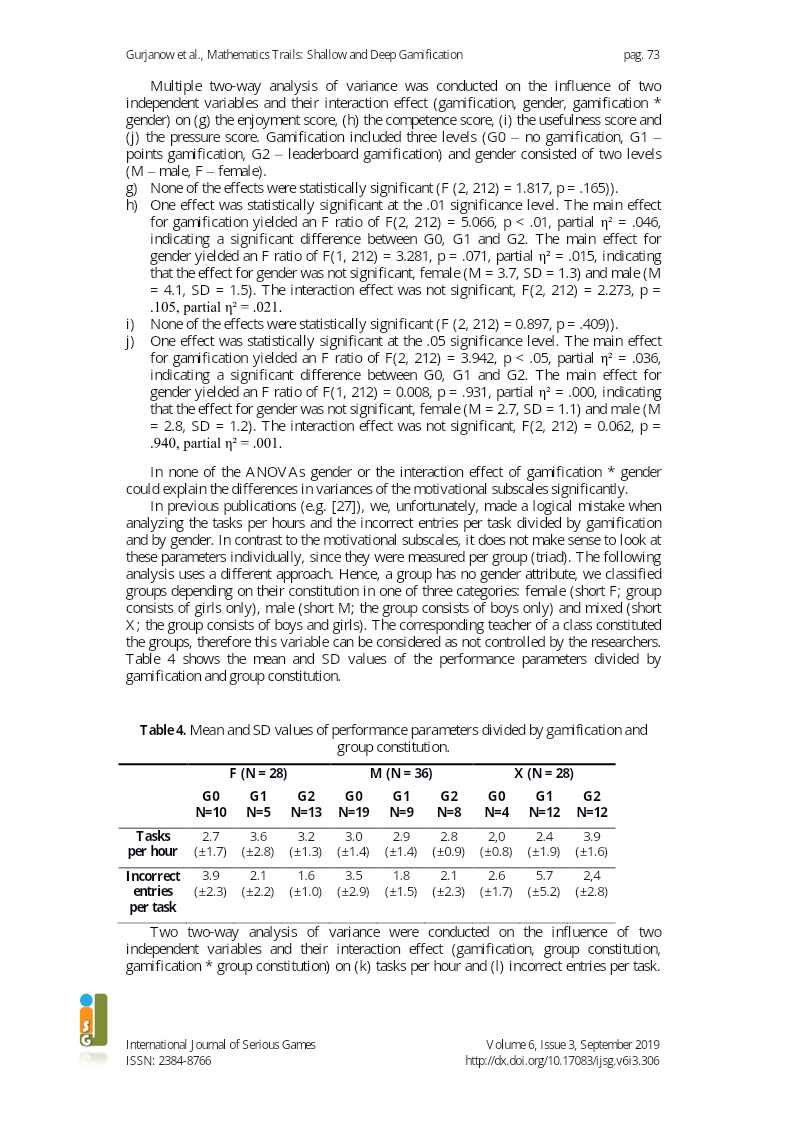
Mathematics Trails: Shallow and Deep Gamification
International Journal of Serious Games · 2019
Whitepaper
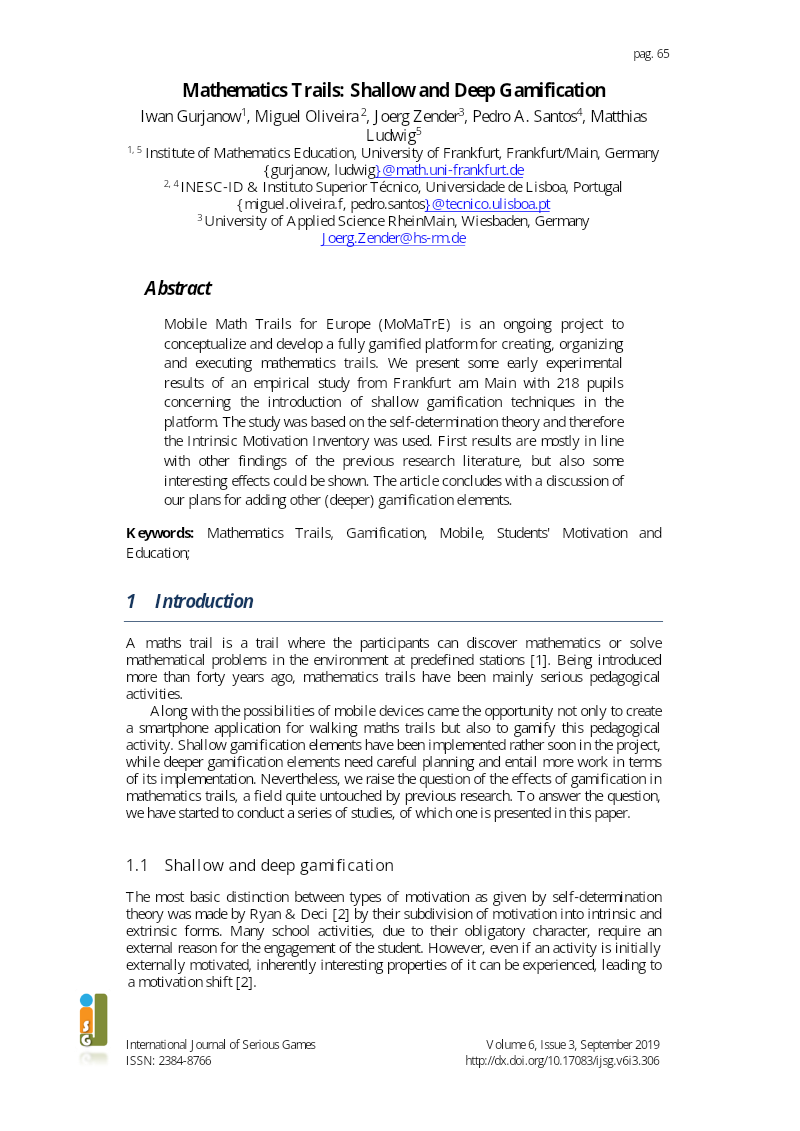
Playful Crowdsourcing for Energy-Efficient Automotive Navigation
DiGRA · 2011

Whitepaper
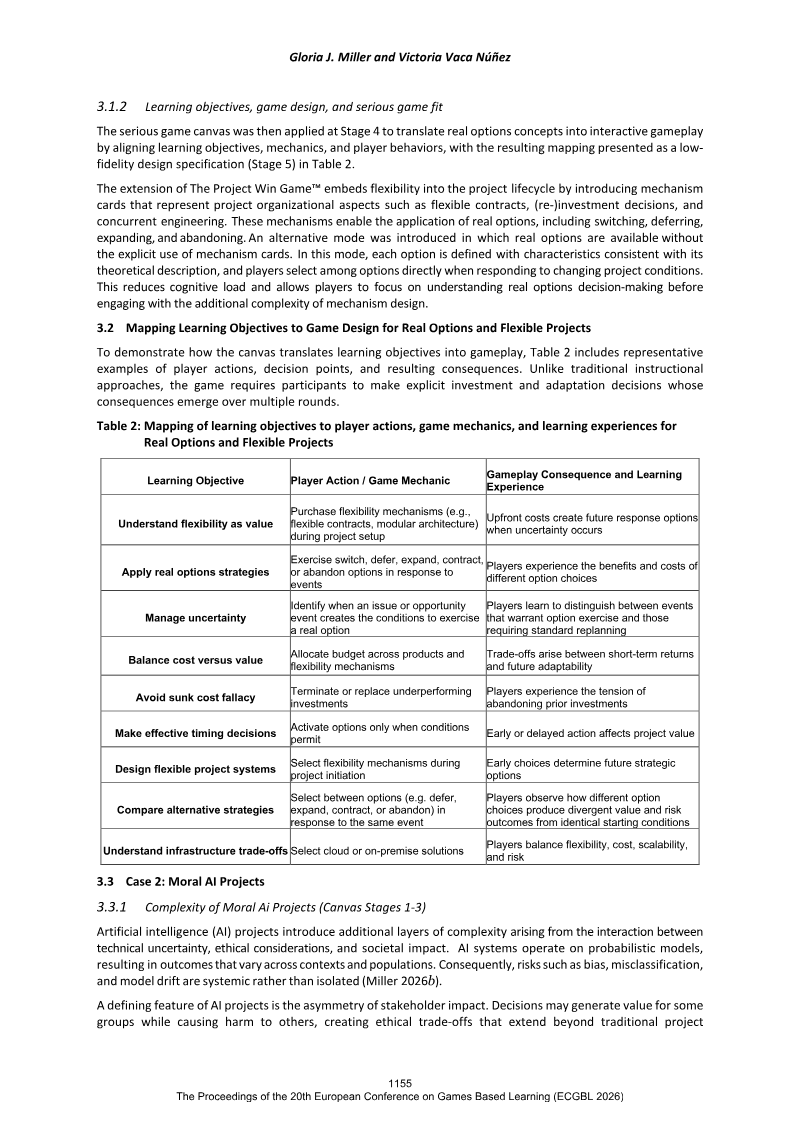
Extending The Project Win Game: Teaching Real Options and Moral AI Project Decision-making
maxmetrics · 2026



Whitepaper
Design and Evaluation of a Digital Educational Escape Game for AI Literacy
European Conference on Games Based Learning (ECGBL) · 2026
Whitepaper
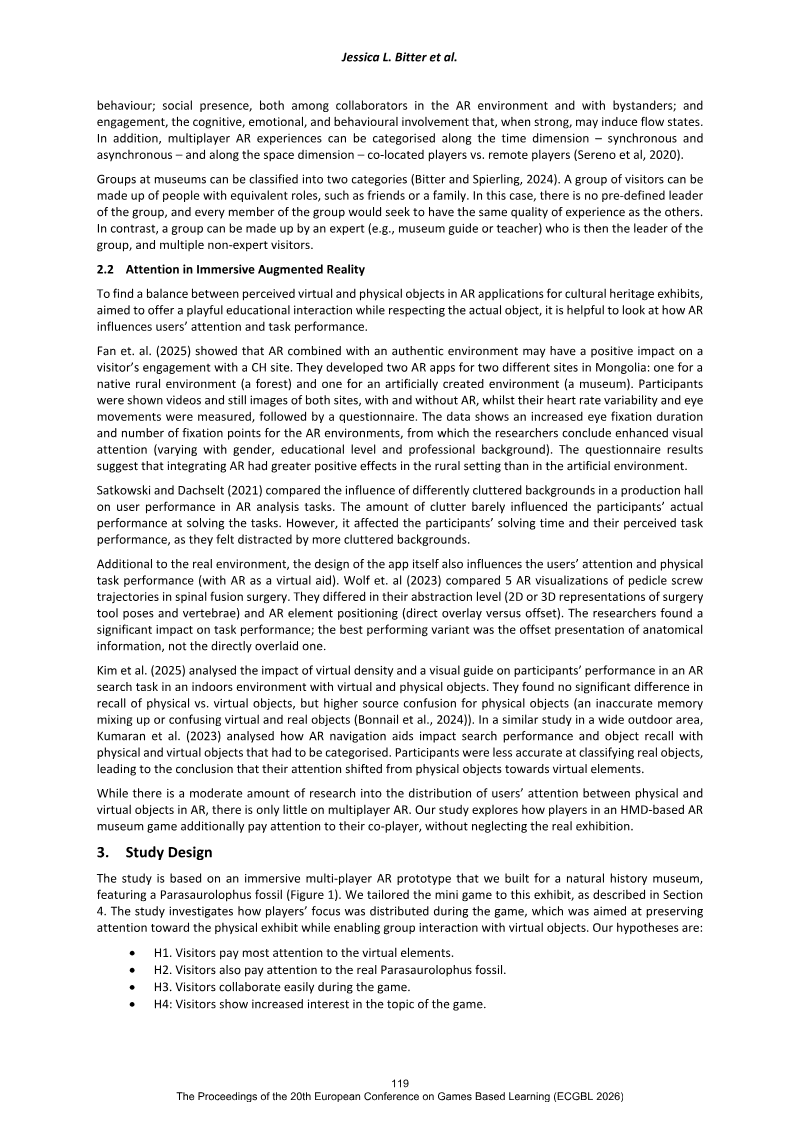
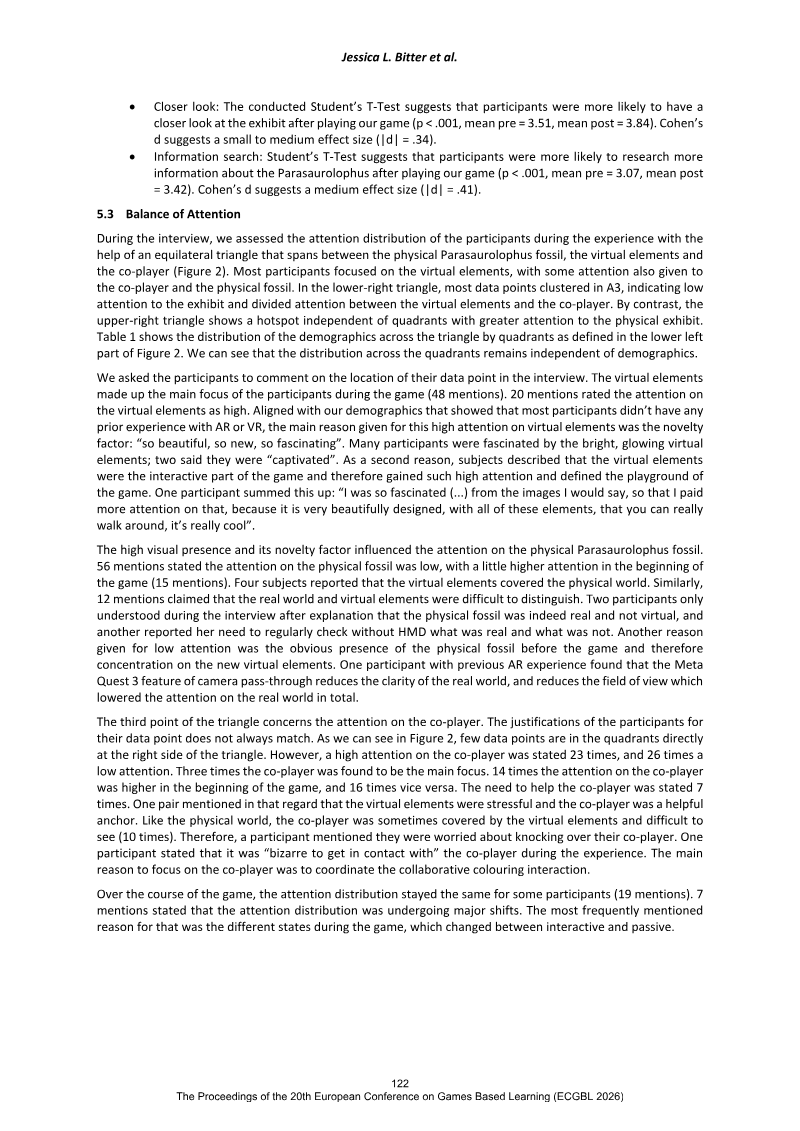
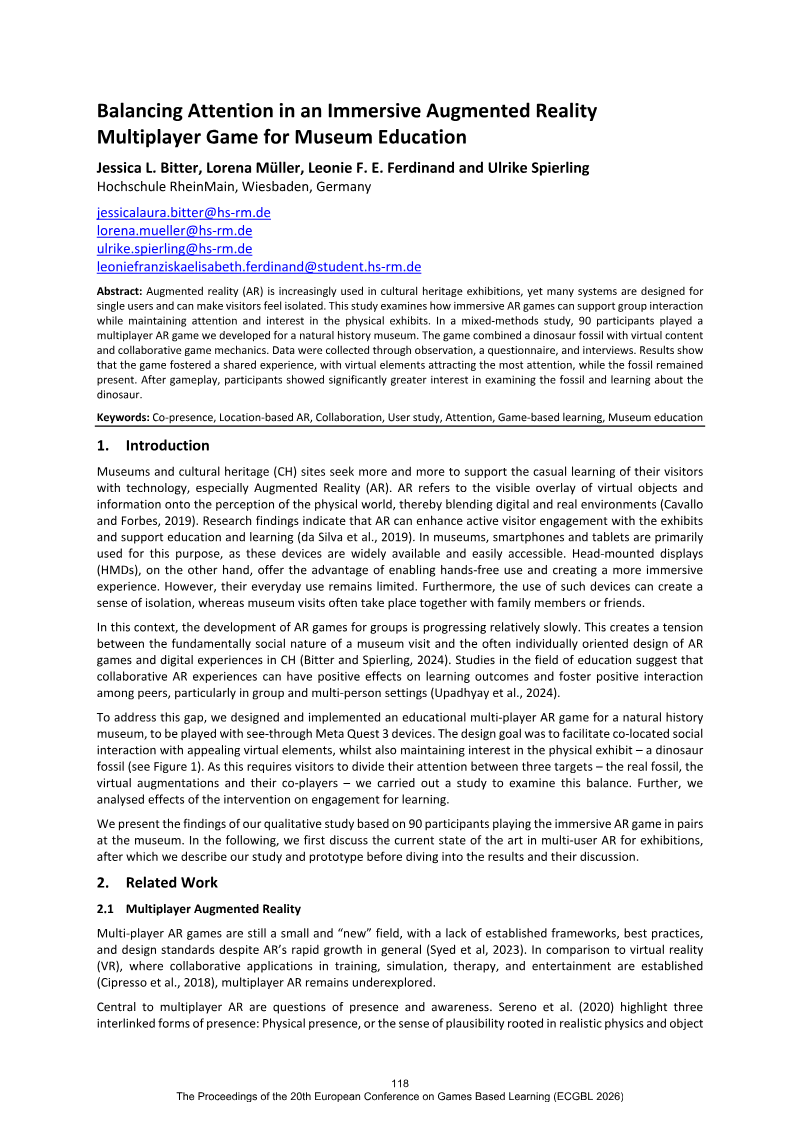
Balancing Attention in an Immersive Augmented Reality Multiplayer Game for Museum Education
European Conference on Games Based Learning (ECGBL) · 2026



Whitepaper
AI-Assisted Scene Synthesis in the 3D Educational Game Authoring Tool GameTULearn
European Conference on Games Based Learning (ECGBL) · 2026
Whitepaper
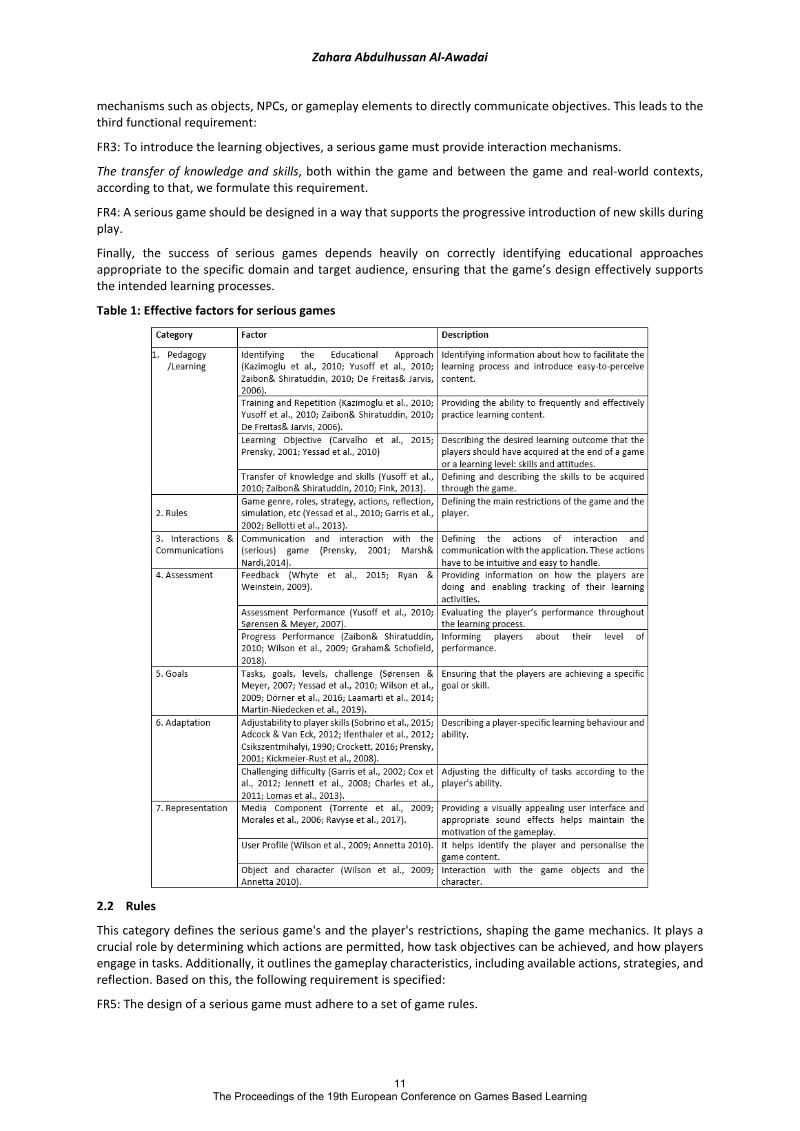
A Structured Approach for Designing Effective Serious Games for Learning: Analyzing Requirements to Derive Key Components
European Conference on Games Based Learning (ECGBL) · 2025
Whitepaper
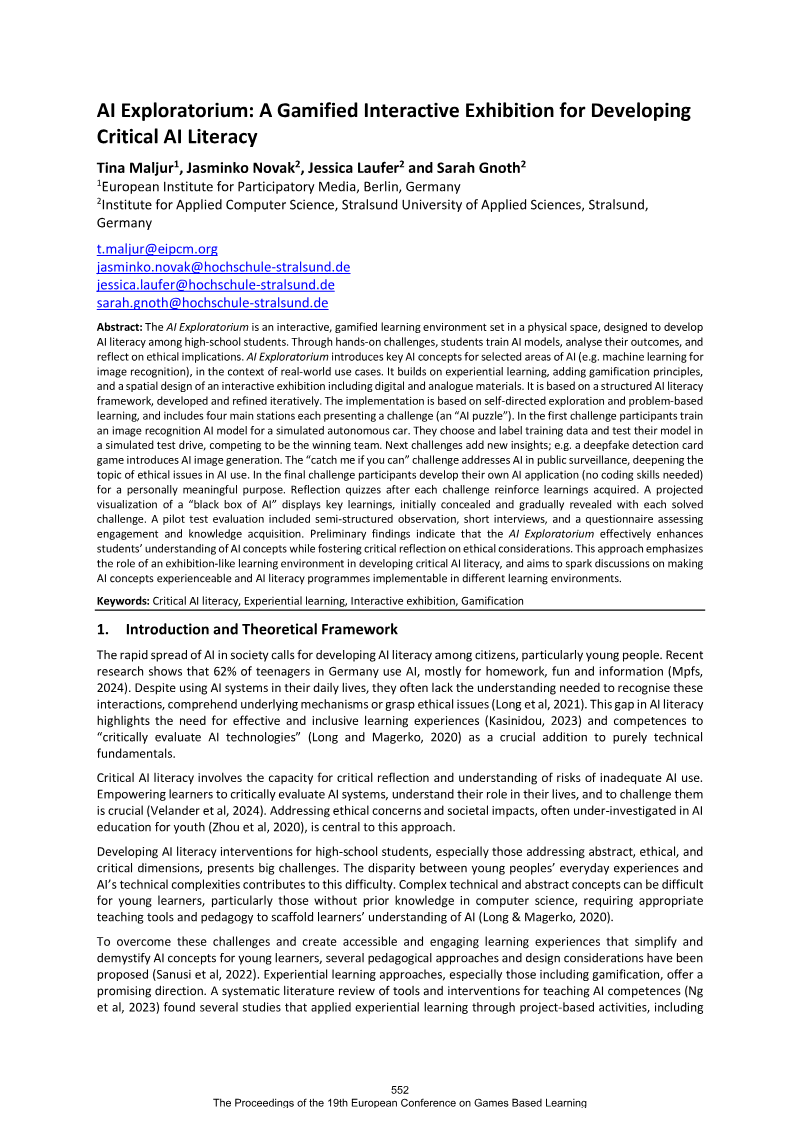
AI Exploratorium: A Gamified Interactive Exhibition for Developing Critical AI Literacy
European Conference on Games Based Learning (ECGBL) · 2025
Whitepaper
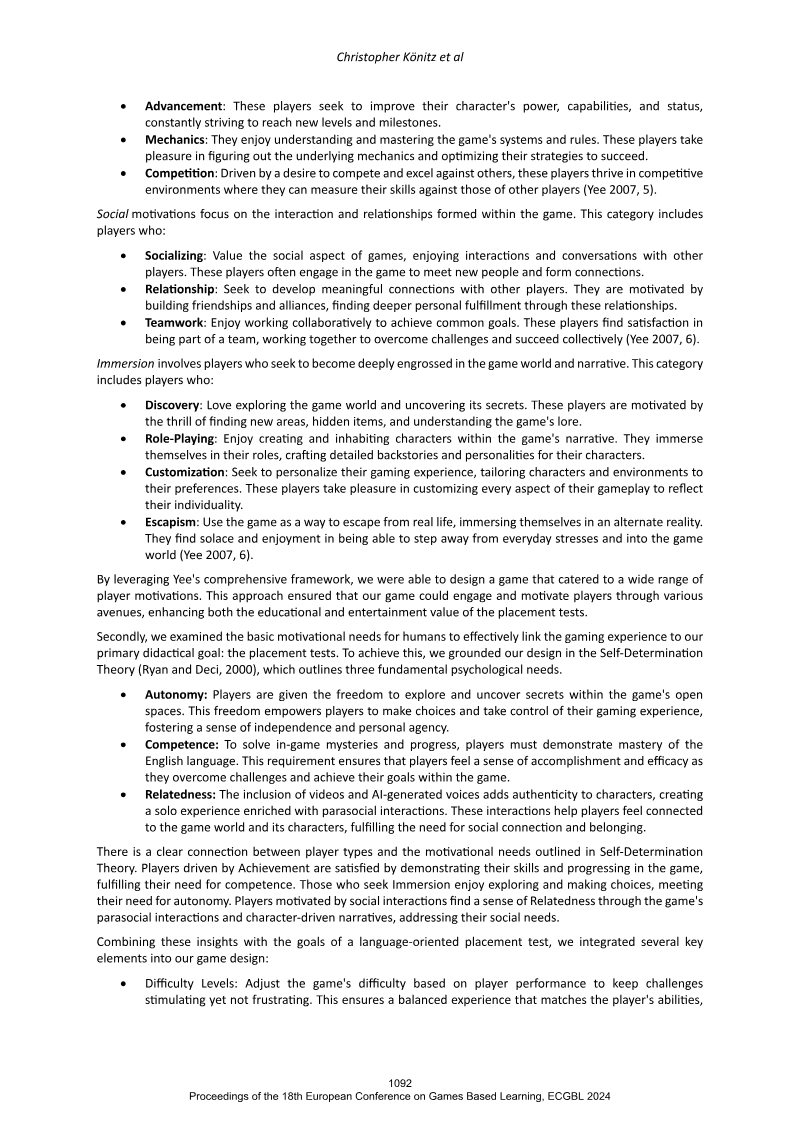
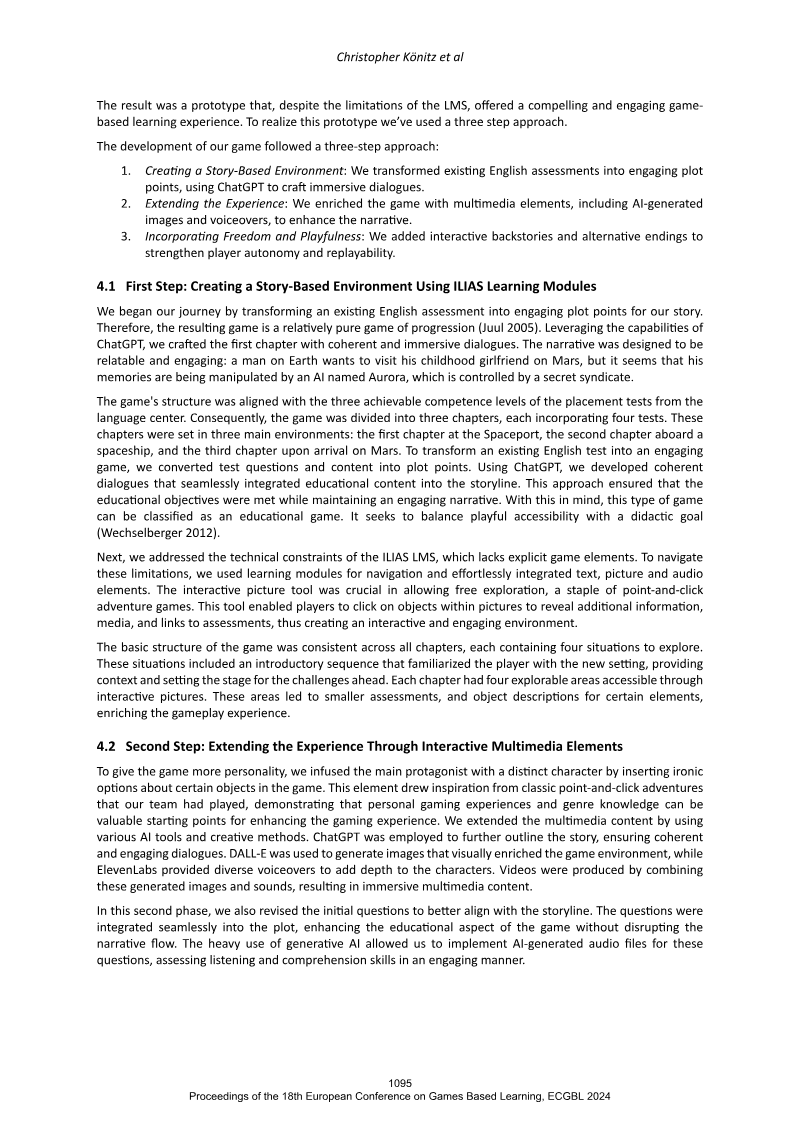
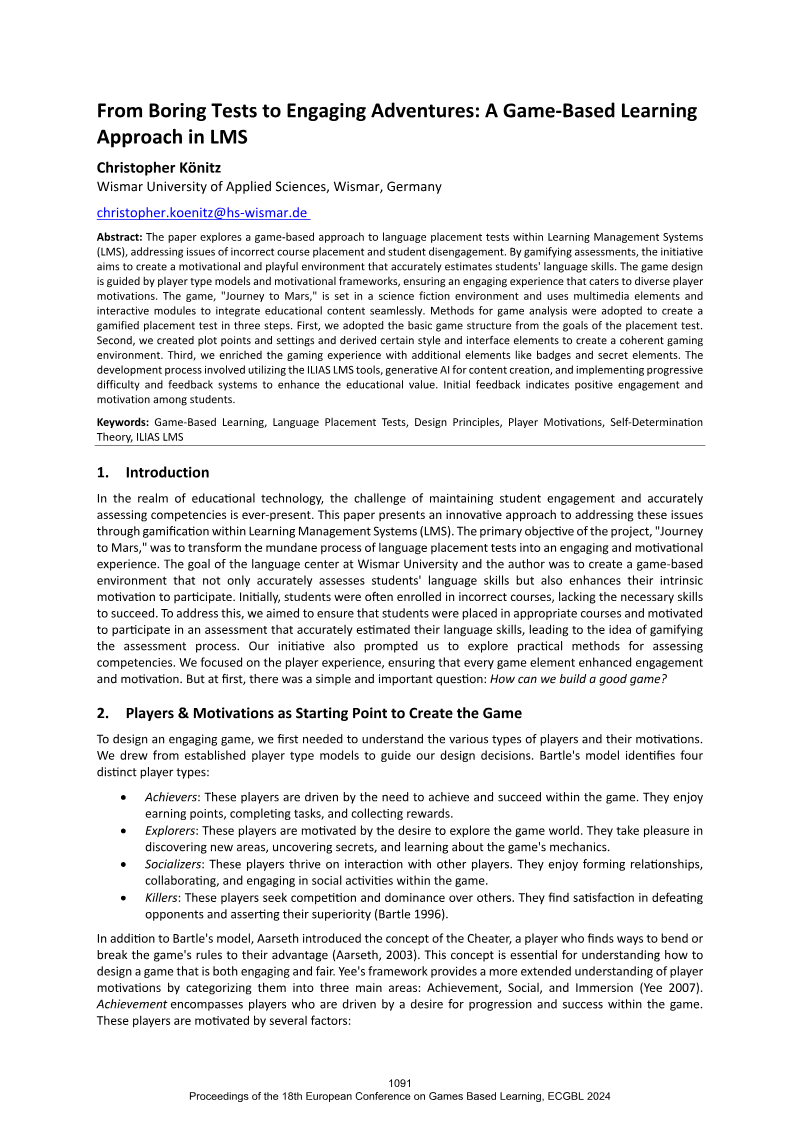
From Boring Tests to Engaging Adventures: A Game-Based Learning Approach in LMS
European Conference on Games Based Learning (ECGBL) · 2024
Whitepaper
Analysing Game Data to Evaluate Children's Learning Progress with the EDURINO App
European Conference on Games Based Learning (ECGBL) · 2024
Whitepaper
Educational Story-Based Game for Capturing the Learner's Personality
European Conference on Games Based Learning (ECGBL) · 2023



Whitepaper
Different Performance, Full Experience: A Learning Game Applied Throughout Adulthood
International Journal of Serious Games · 2020