More from NHTV University of Applied Sciences
View all

More on Serious Games
View all
Whitepaper
Increasing Accessibility of Online Board Games to Visually Impaired People via Machine Learning and Textual/Audio Feedback: The Case of "Quantik"
IMT School for Advanced Studies Lucca · 2024
Whitepaper
Educational Story-Based Game for Capturing the Learner's Personality
European Conference on Games Based Learning (ECGBL) · 2023
Whitepaper
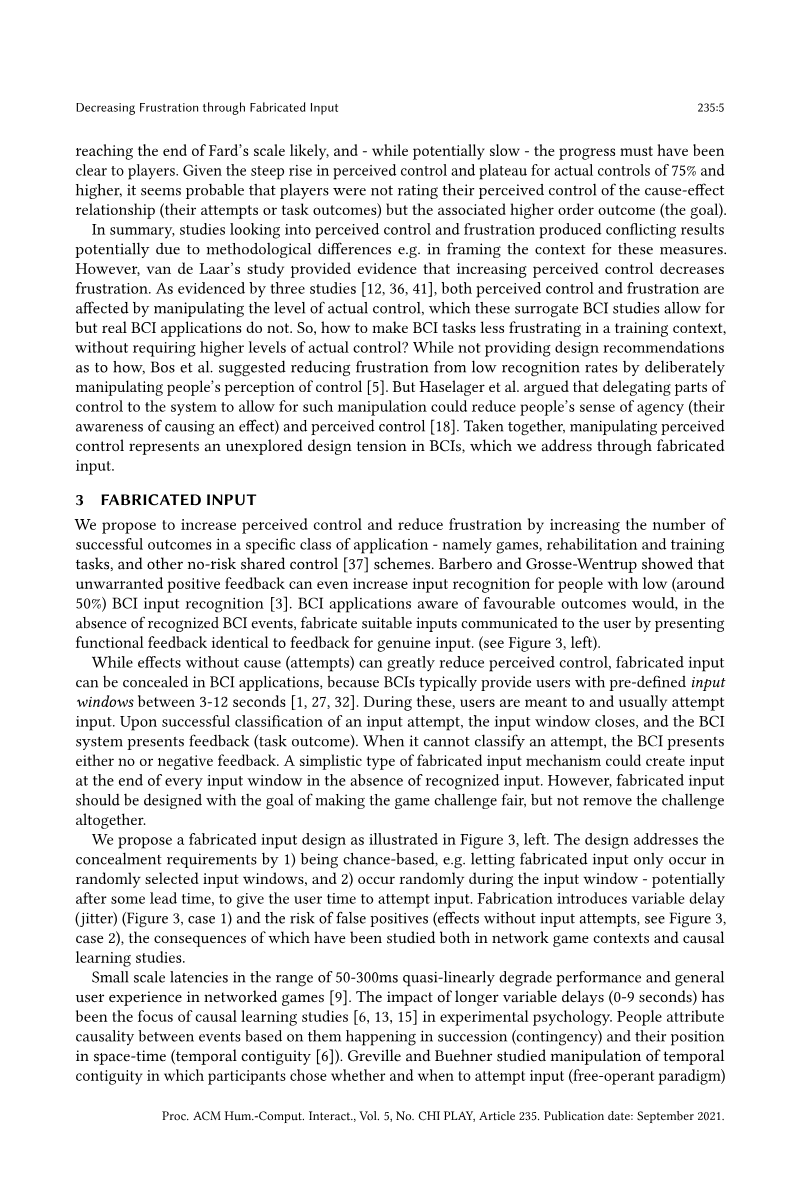
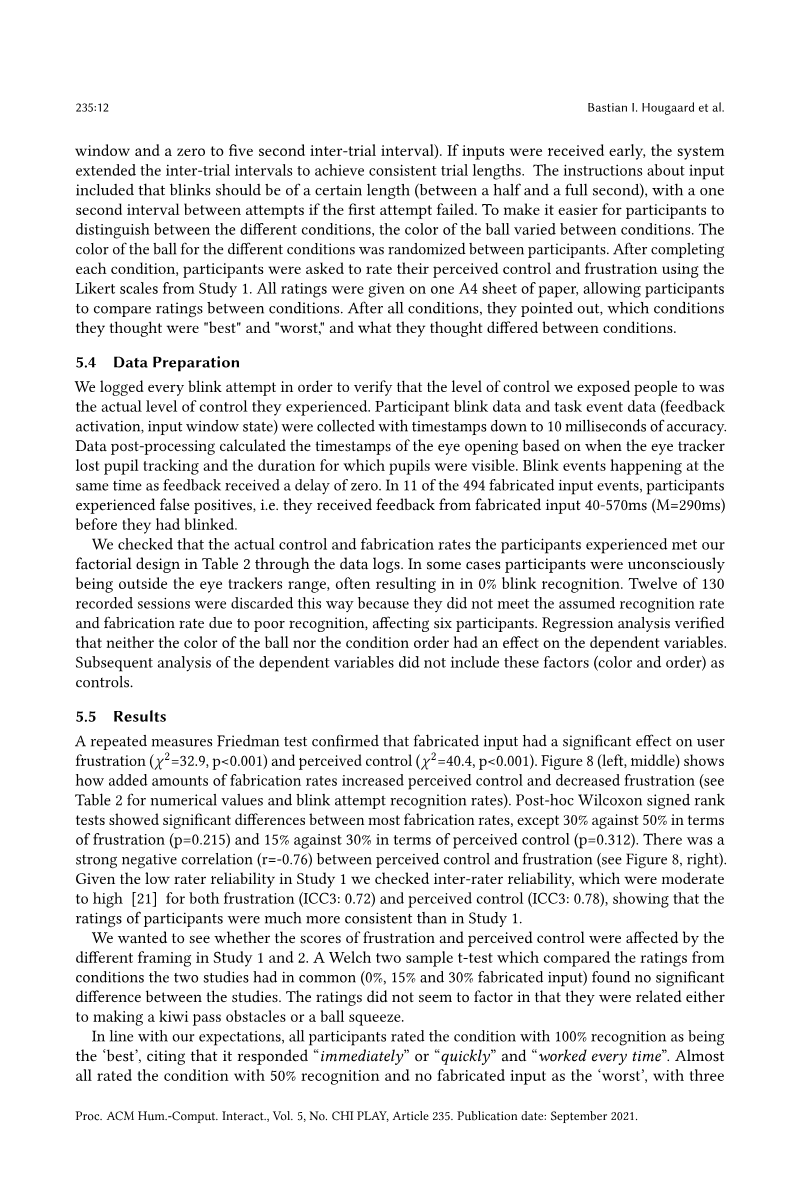
Who Willed It?: Decreasing Frustration by Manipulating Perceived Control in BCI Games
Aalborg Universitet · 2021
Whitepaper
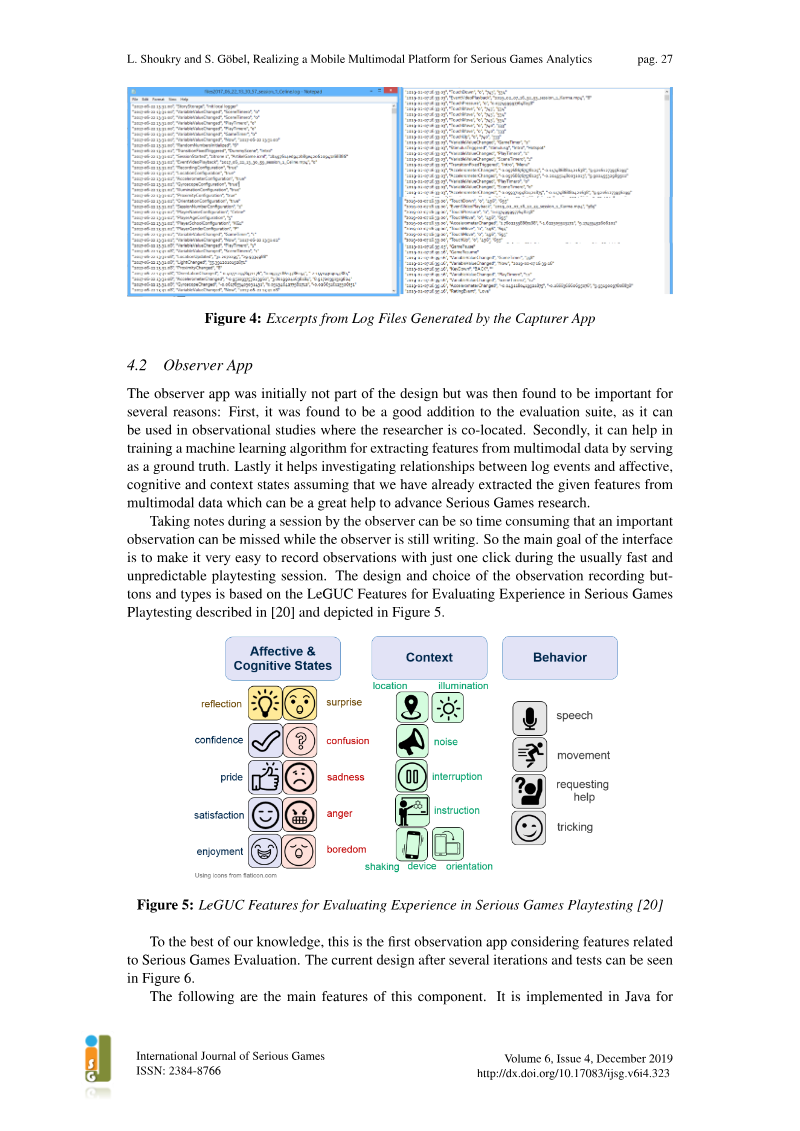
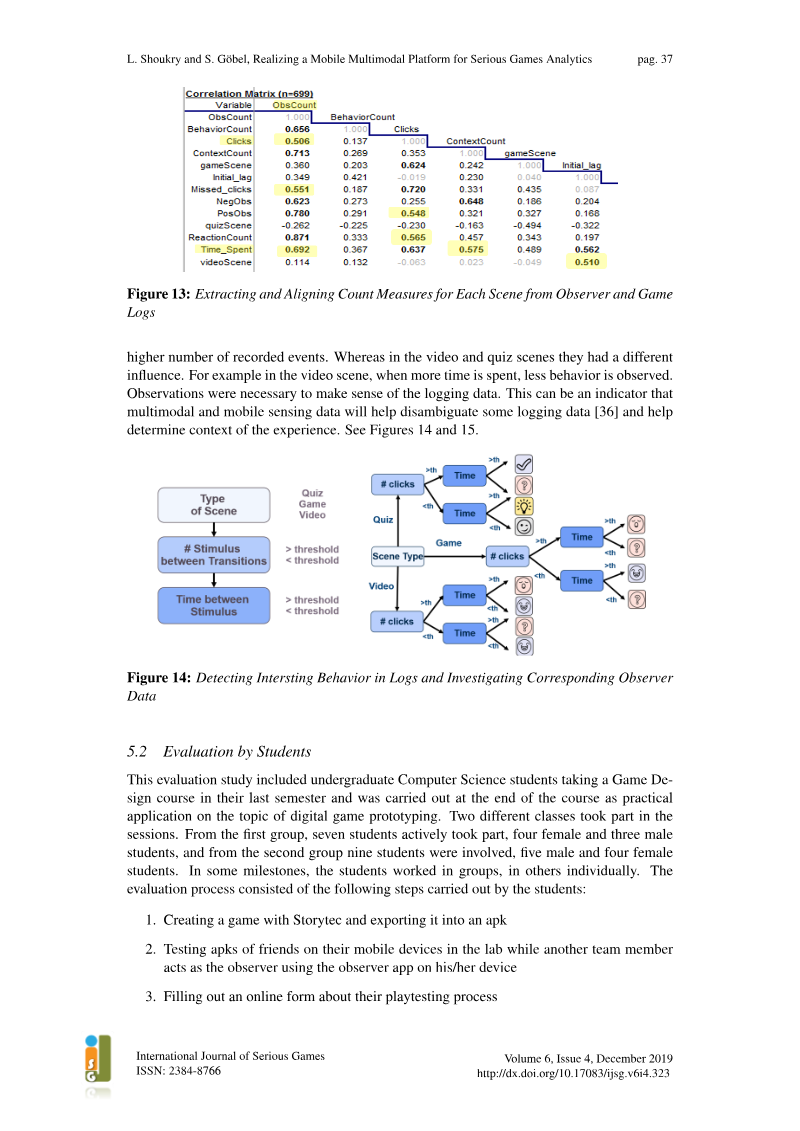
Realizing a Mobile Multimodal Platform for Serious Games Analytics
Technical University of Darmstadt · 2019
Whitepaper
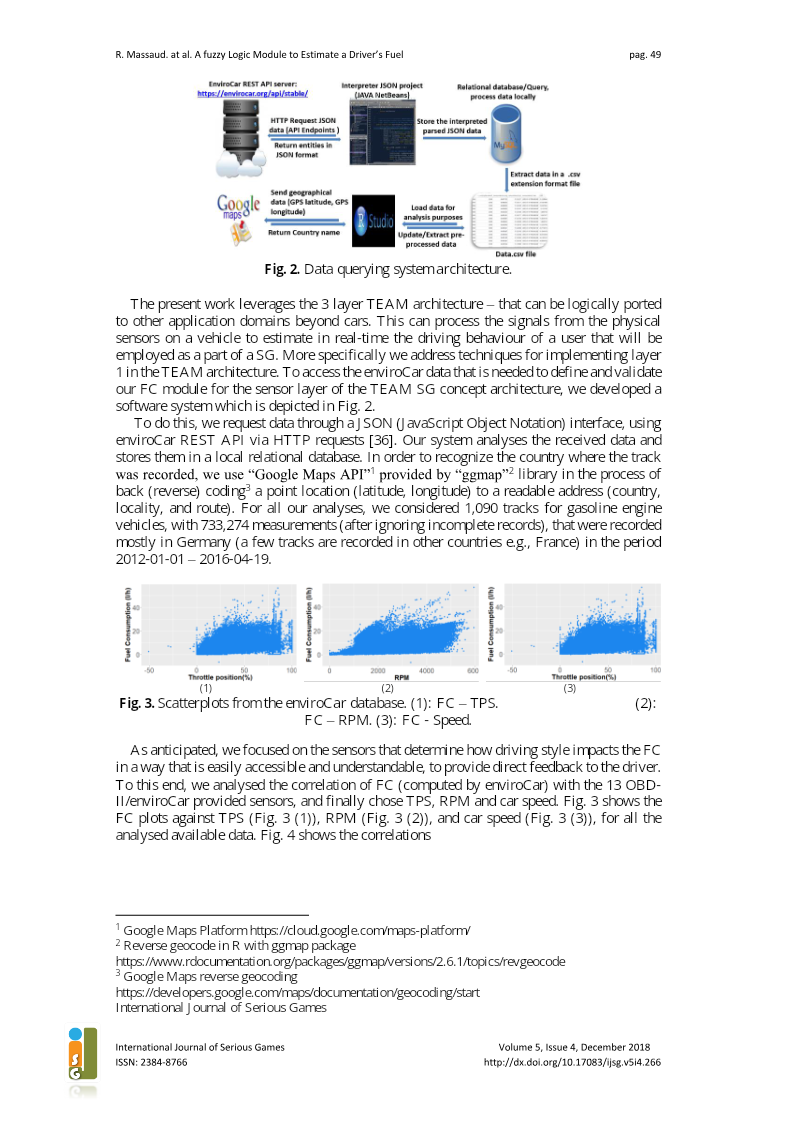
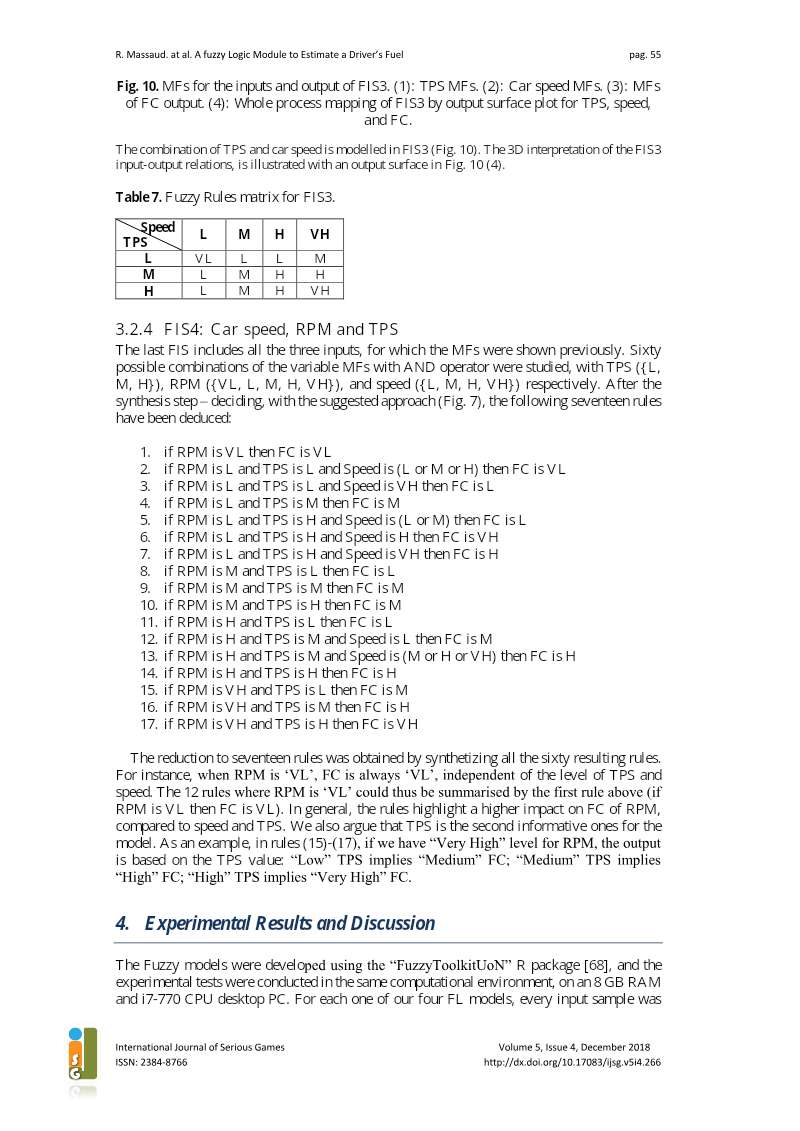
A Fuzzy Logic Module to Estimate a Driver’s Fuel Consumption for Reality-Enhanced Serious Games
International Journal of Serious Games · 2018
Whitepaper
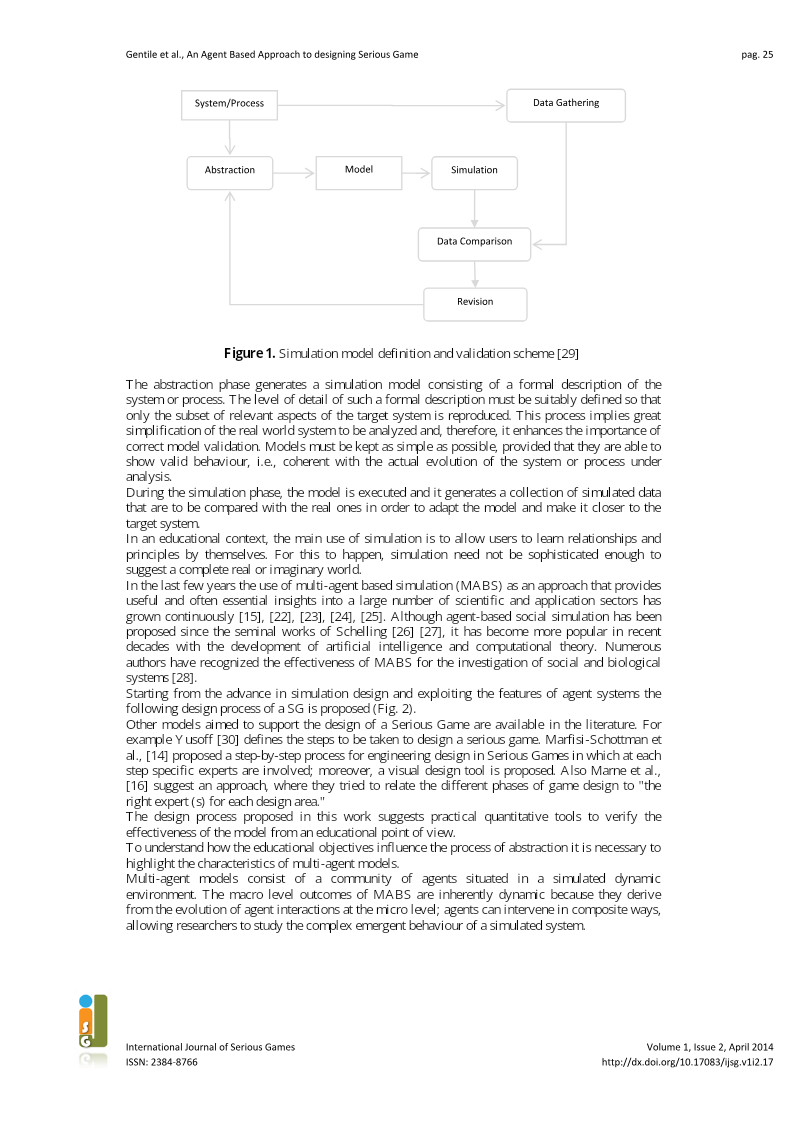
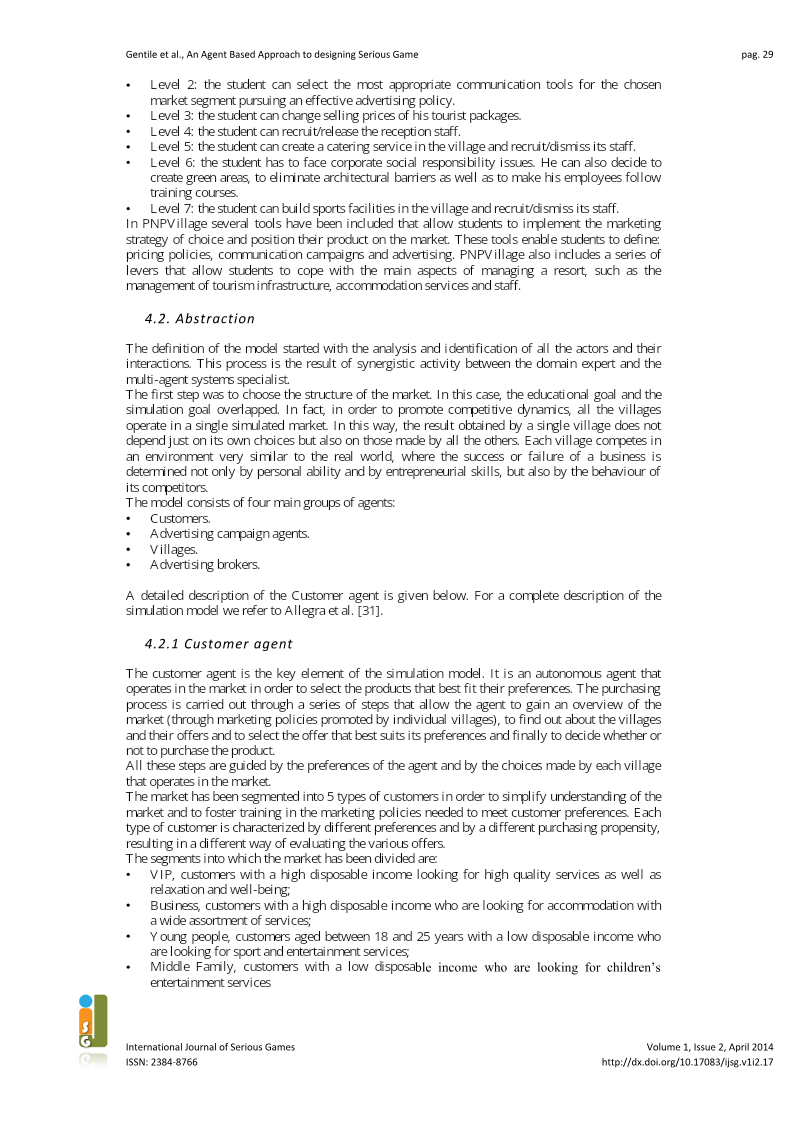
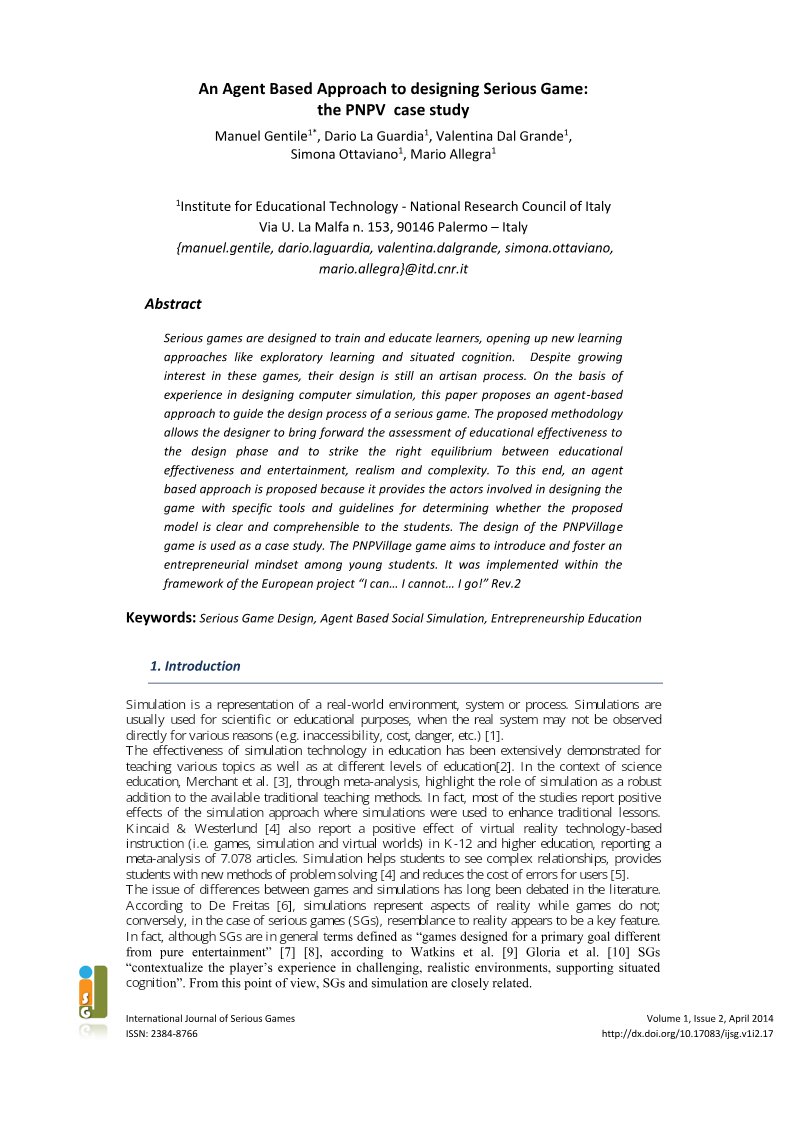
An Agent Based Approach to Designing Serious Games: The PNPV Case Study
Institute for Educational Technology · 2014
Whitepaper
Steady State Visual Evoked Potential Based Computer Gaming: The Maze
KU Leuven · 2012
Whitepaper
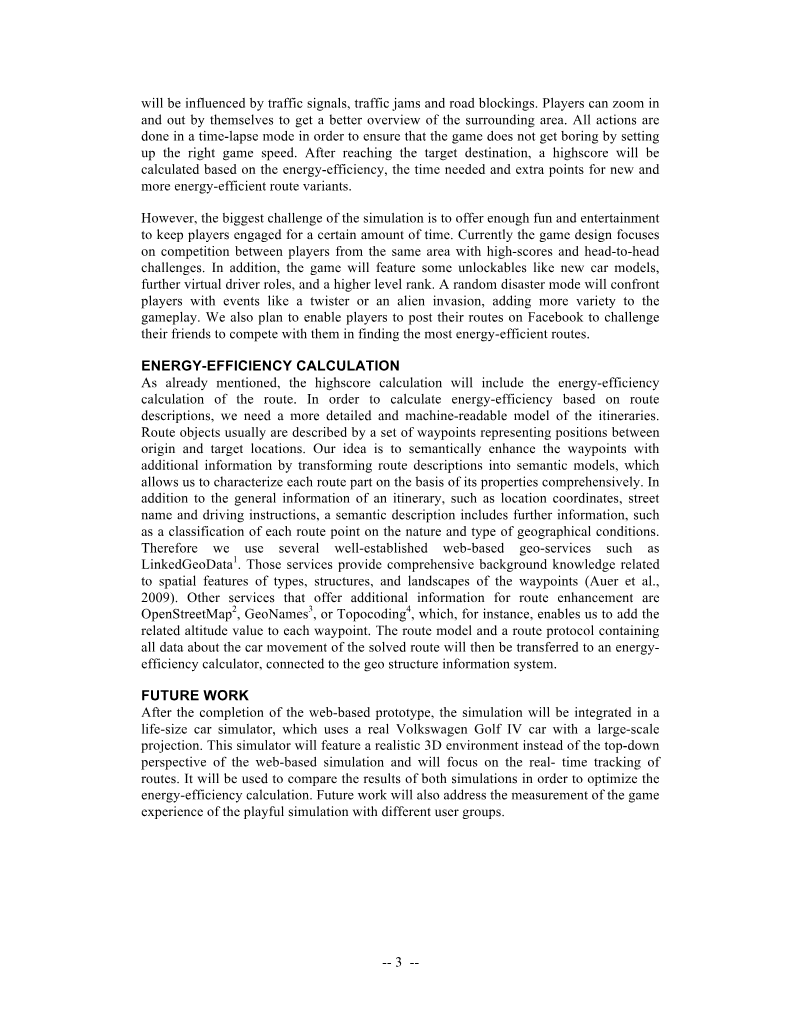
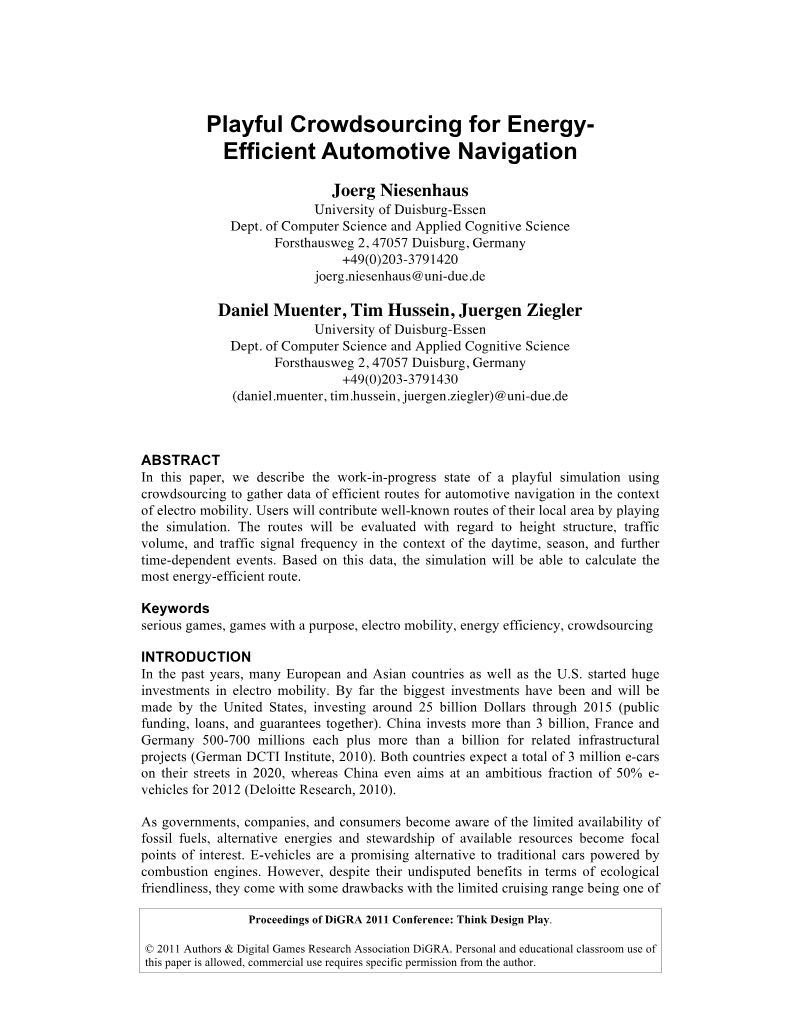
Playful Crowdsourcing for Energy-Efficient Automotive Navigation
DiGRA · 2011
Whitepaper
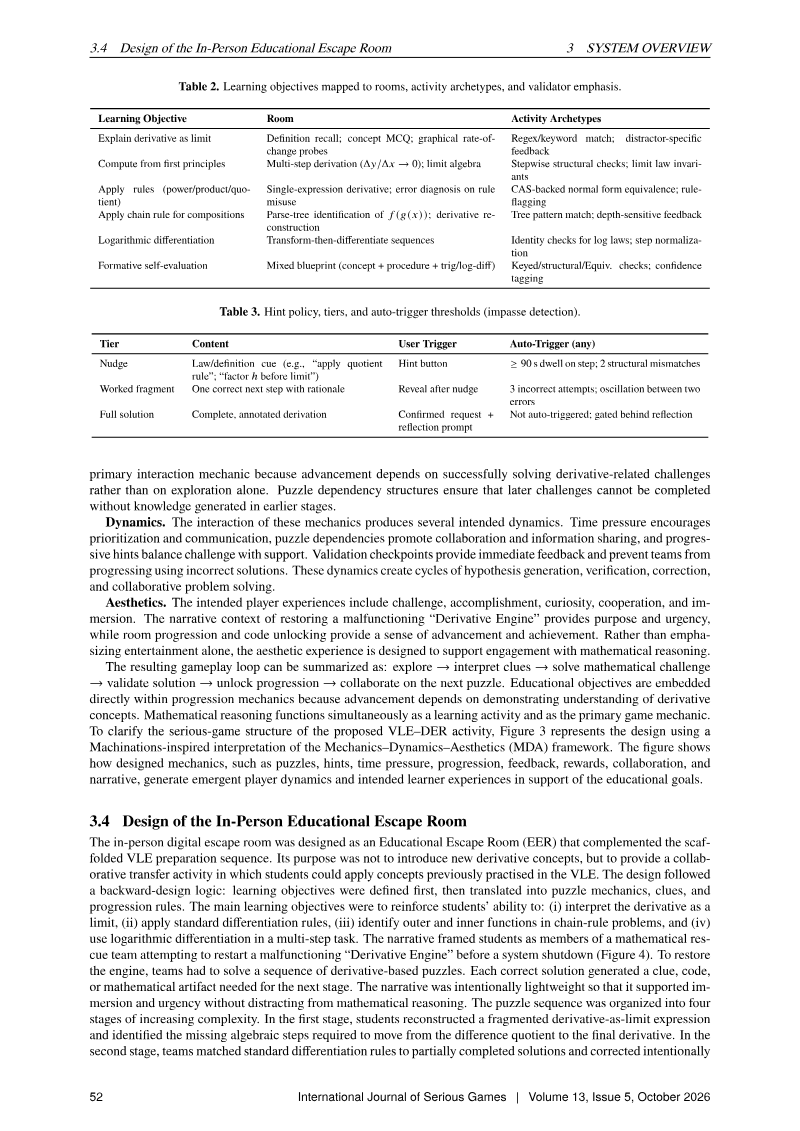
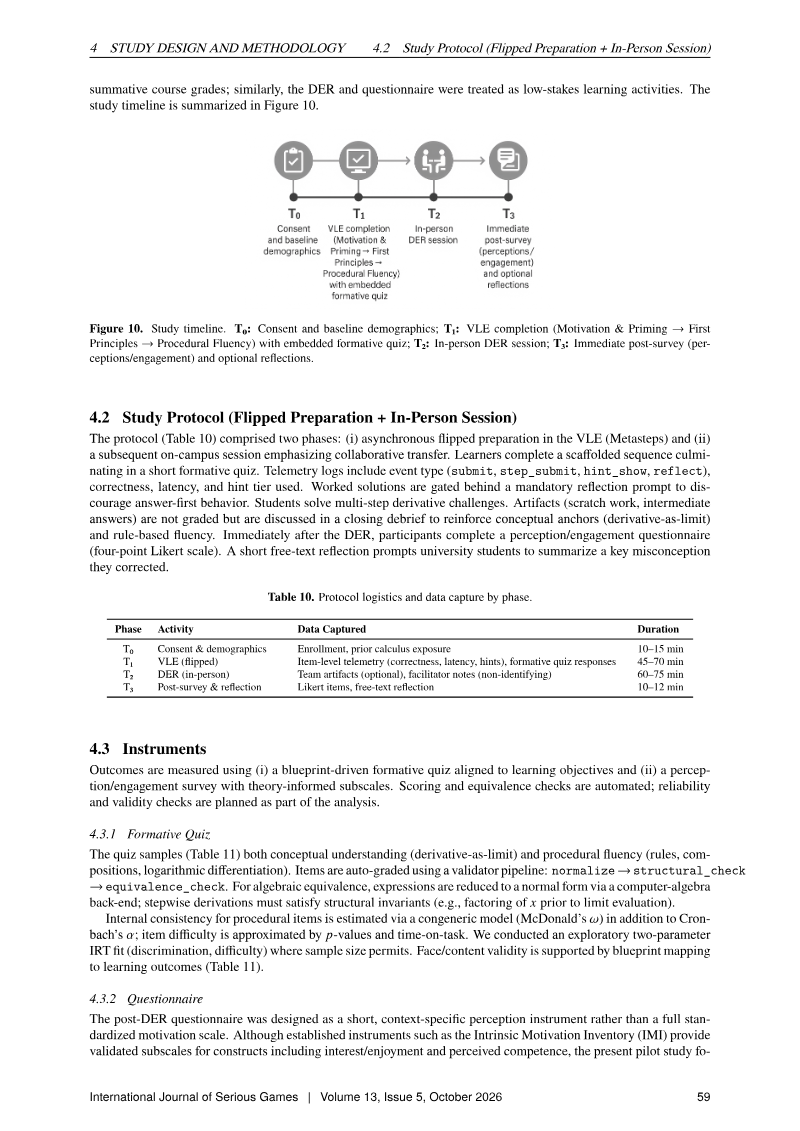
Learning Mathematical Derivatives Through a Virtual Escape Room Application
International Journal of Serious Games · 2026



Whitepaper
Mission Profiles and Interaction Patterns in Gravitas: Evidence from a Simulation-Based Physics Learning Game
European Conference on Games Based Learning (ECGBL) · 2026



Whitepaper
An Early-Stage Feasibility and Usability Pilot for an Immersive Serious Game to Support English Spelling and Semantic Skills
European Conference on Games Based Learning (ECGBL) · 2026



Whitepaper
AI-Assisted Scene Synthesis in the 3D Educational Game Authoring Tool GameTULearn
European Conference on Games Based Learning (ECGBL) · 2026