1 free read left. Create a free account for unlimited reading + AI research.
Create free account
What do movie directors, motorcyclists and historians know about making games?
Key insights
5 takeaways- 01Designers can improve narrative and thematic communication by adopting techniques from classic cinema and religious art, such as using lighting and composition to convey moral stakes rather than relying solely on binary win-loss mechanics.
- 02Developers should re-evaluate player engagement strategies by studying the meditative qualities of wellness applications, acknowledging that many users seek relaxation rather than competitive achievement.
- 03Quality in game design should be defined as the 'texture' of an experience, focusing on tangible nuances similar to the emotional intensity found in vocal performances or the brushstrokes of a painting.
- 04Game studios should integrate external creative disciplines like film, literature, and art to break free from insular industry tropes and enhance the emotional depth of their products.
- 05Broadening the scope of inspiration beyond the gaming ecosystem improves problem-solving capabilities and allows studios to create products that resonate more effectively with the real-world experiences of their audience.
Ask AI about this video
Transcript
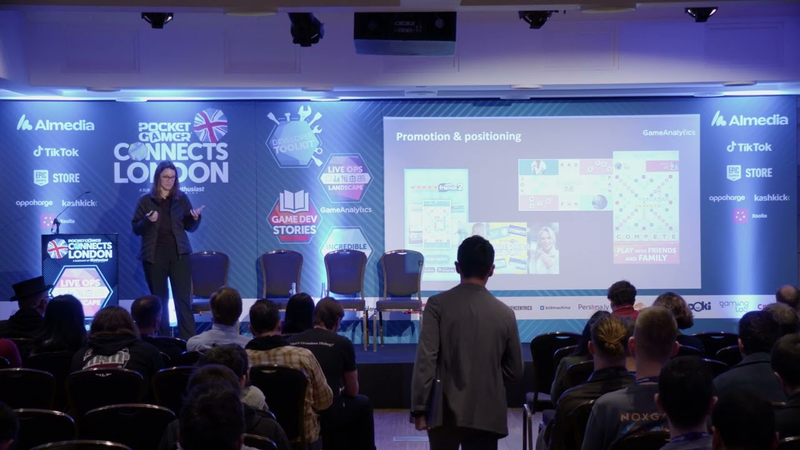
[Music] everybody nice to see you all today including some familiar faces alright so we've got a just under 20 minutes what I want to talk about today is inspiration where do we get inspiration from to make games and the core of the presentation if anybody wants to nip out early to stay for 30 more seconds the call the presentation is essentially that there are plenty of places where inspiration can come from to make games and that sometimes as an industry we look very much internally and forget to look outside into the wider world alright so can I have the presentation mark thank
you Oh brilliant ok so mark has been an absolute hero trying to get everything sorted out here some last-minute excitement if I need to improvise that can be done so shame I was just about to spill all the beans don't worry I'm sure it will be in the in the press soon alrighty so let's get going this is a piece of artwork from Terry Pratchett series there's a fantastic trilogy that he's written called the bromeliad trilogy so our three books truckers diggers and wings and series follows a sort of community of gnomes they start out living in the floorboards in a department store and they come out and they start to learn all about the world around them it was written from their point of view now the title the bromeliad trilogy I was curious where that come also looked it
up bromeliad flower is a plant that you might find commonly in the rain forest and in the bromeliad flower water collects are tiny frogs this is definitely not to scale substantially smaller than this there are tiny frogs who live inside a bromeliad flower some of them live there their entire lives so they can live there exist food comes in they have water there they get a mate they can reproduce but their whole lives are lived inside they never look outside so here there's a two ways in which I think this can apply to game so firstly is that there are other art forms that see game somehow as lesser literature movies are music very often participants in those art forms and commentators on those art forms will talk about games are something that sort of it's something else and that I don't believe to be true my view games as an art formulas of businesses be on a par with with
literature and art movies music the second thing is somehow self-imposed so the second way this is relevant to me is that I think we we also impose this on ourselves sometimes we look inside only we only look inside the games industry for I'd inspiration for reference points and that closes us off to new ideas so the games industry it might be bromeliad flower today but i don't think that we should be frogs all right so let's ample so I'm I'm gonna use King examples here and when we hop out of the bromeliad flower when we look outside of the games industry it really makes a difference where we land so this is the the wind screen from a game called farm heroes sonic games that we make in London and actually I've got two pictures here but really this runs together there's animation so really you're seeing sort of one view now we're compressing multiple things into a single place here you win the game and then you see this you and level you see this and the reference point that we're using there
it's pretty standard like it's every UX textbook ever written probably a bit like Amazon if you're using the Amazon mobile app this is really living this UX pattern want minimize frictions that's the idea try to maximize outcomes but and that's how a lot of games are made including the way that we sometimes make our games you try to minimize the number of interactions that you need the number of things that happen now if we could see this in the time so let's imagine for a second we're in the middle of the Rio Carnival it's very easy to imagine in this room I think if you look around yourselves it's it's like I'm there if we designed this flow instead of when reading our UX textbook if we would be sitting looks dressed up with in the middle of the Rio Carnival we would probably take a different approach maybe we'd make every single celebratory element stand out so there'd be a celebration here's your score here your stars here's this feature feature these
would all be separate wonderful moments of experience so these reference points matter right that's what I'm trying to get across here the reference points matter because they affect what we do today is an industry we often use internal reference points and I think that limits our creative problem-solving so many game teams or many teams outside of games are solving similar problems but in very different ways so I'm going to run through a couple of examples we're going to talk about some game reference points and some non game rates so I'm going to look at these three areas a clear good versus bad meditation and quality now for context or we're on of course one's personal experience affects very much hi topics so my personal experience just past six years at King I helped to launch farm hero saga mobile I spent two years in Stockholm running candy crush saga and now I'm back in London running the London studio so take it as subjective
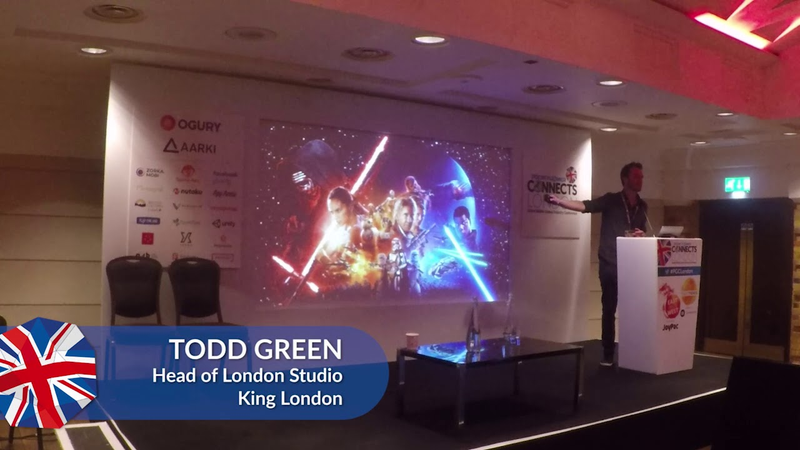
of course my views of course based on my experiences your mileage may vary so let's start with a clear good versus bad what does that mean well if we user external examples Star Wars gives us a really really clear storyline and in a lot of the arts and a lot of the symbolism that is used in Star Wars you can see pretty clearly which are the good ones and which are the bad ones so typically the good ones have a sort of light lightsabers of white or blue lightsaber the bad ones wear masks and they have red it's not hard to tell which are good and which are bad this gives you a really simple way of understanding the story a kind of cue now in casual games and here I'm going to talk I'm going to focus on casual games right here in casual games we often have similar binary States so here on the Left u1 and here on the left on the right from your point of view you lost but it's tempting to try to play a
lot of stuff that audio works I think that's great because we're going to use that in a minute thank you we're something to try and tell the player a lot of stuff but I wonder if we can be again take some inspiration from elsewhere so if we look at a couple of other references rather than bundling things up what we can see here on the left again a very very clear depiction you just need to look for five seconds or five milliseconds probably to understand what's going on here the characters in the middle in the Snow White poster would be the good ones because they're lit up there's all nice shiny colors then they look happy and sunny the ones at the top and at the bottom not so much not so much lots of sort of scariness going on there they're in the shadows that implies the bit a bit nasty now here you can see this even like hundreds of years ago in religious art roughly the same idea this is a good place to be being at the top that's where you want to be that's where you want to end up being at the bottom where it's kind of scary that's easy to read
that that's not a good place to be so we get a very very clear binary distinction a very clear binary view of the world and it can be that this is even more important today when I guess the real world outside of media and art you know it's mostly not binary like it's normally not obvious what's going on in the real world and so having players be able to dive into these much simpler binary models of the world that can be something that's very appealing for for players today before okay so clear good versus bad we can take some cues from there if we look at meditation okay to a little about meditation so this is a second area for inspiration outside of games so I mean you know again your mileage may vary first this has been a sort of important minor important part of my life the last few years I guess I've you can see my sort of faltering efforts on using the comm app here I wouldn't say that I'm you know I've got
two kids or four so the time to sit still and meditate on a mat is less than maybe it could be my wake-up time tends to be between 5:30 and 6:00 in the morning including this morning then I don't get on there that's a human alarm that screams in my face so let's just say this is easier for some now but calm now this was an interesting one for me this was the app of the year for Apple in 2017 a wave of interest very good product and the to the extent that I have used it I find it does make a difference me I find myself feeling a bit calmer I come and stand on stage in front full of you and I feel like okay this is cool now why is this important for games what we found is that when we're talking to players we use candy as an example some there's a very very wide range of people playing casual games and probably playing most of your games as well and some people don't really think about winning and losing in the way that
we assign us or product designers do they don't really think about the mechanics or the features they don't really think about the boosters or the social elements or anything else so then it's just a color matching puzzle and it's fun and it's relaxing and it's a somehow amazing maybe it takes you a little bit again out of the real world and it gives you a different place to spend some time now this like the closest analogy I can think of is this an adult coloring book I was shocked when I searched I wonder how many adult case I'm going to get on Amazon over 50,000 that's the answer there's something there about that relaxation that meditation which is powerful and important in particularly probably in in puzzle games and which exist but which example places too and if I think really about how we design casual games we this is somewhat counterintuitive you know what to think how do we serve meditative players better not to think about how do we teach or how do we call attention to
this or how do we explain X Y or Z maybe there are some players too just aren't looking for that at all and they're not looking at the game in the way that we working inside the games industry look at the game this is probably one of many ways in which that happens a retention hook in calm at the end of meditation it's the same phrase every time I'll see you back here tomorrow and that to me is a really nice one because it sort of encourages return but it presents a sort of gentle expectation reminds me a bit of a well miss you or we'll see sign and that to me feels quite different to how some games are executing that sort of retention hook okay so we take some we have a look at this this idea of a clear good and bad we have a look outside of games at some Medical T's that might be present in the games even if we don't really think too much about them now we're going to talk about quality so this is the third and final area for inspiration outside of games I wanted to cover today so talking about quality hmm that's hard spend hours particularly in
the candy team we talked a lot about this topic what does quality mean we all felt that we're talking about the same thing intuitively but often from different angles different perspectives so this is but this is really a king like many other games developers we pride ourselves on quality was with trying to make things that we believe are genuinely very good products so having that understanding is is really critical so for me it's hard to explain that only using games references I wanted to stretch a bit outside the best explanation that I've come across is from this book on the left is n and the art of motorcycle maintenance there's a line in there and it's a bloody long book took me several attempts to finish that bad boy but I finally did it at the end of last year and I was rewarded with this one line quality is texture quality is texture and I love that it really captured the sense of a paper in a physical book that grooves in a wreck or
the brush strokes Van Gogh oil or indeed the emotion intensity in the vocals of my eldest daughter's favorite singer Lady Gaga now we're trying to capture something to his texture in games a soldier on the left and candy friends that we released late last year on the right but it's still hard to talk about what quality means I think and how to pursue it so instead what I'm going to do is to try to help you understand feeling by feeling and now I'm having some deep second thoughts about this idea because this really seemed like a very good idea when I came up with it and now I'm not sure so if quality is something that I'm gonna try to help you feel it or maybe even to hear it so I'm going to play a short amount of video here I've managed to get Lady gaga to agree to duet with me very gracious of her it doesn't have much on today thankfully so who's going
to play a little bit of I'm gonna share with you a little bit of the low quality version and then we're gonna switch with the help of Mark we can switch to the video now and I'll give you a plastic point when it's time to play so this is ascent romance which you might know not the pop version you know I'm cool this is the piano version and this was recorded a couple of years ago I found this in the Netflix documentary those of you who've seen it I think would be most you haven't seen it will be well worth watching now oh wait we're not ready yet okay let's go back to that two minutes so are you ready for the comparison I'm gonna feel some quality starting with a low-quality version and moving to a high quality version if we can get the video up that's great but if not it's fine don't worry everybody here has ears and you can hear okay so no pressure you
ready okay and I'll point to you when I'm ready I want your ugly i want your disease i want your everything as long as it's free i want your love love love i want your love was the religion your love and i want your revenge i want your love i wanna be friends she were torn at moon Asia our bones guitar now I don't wanna be friends [Music] my friend [Music] watch your bedroom
okay thank you yeah she's just had a bit more practice alright let's wrap up the presentation okay well hopefully you got the understanding there I don't really know still had to describe quality but hopefully the comparison is is extremely obvious yeah this is cheating with the piano and everything I mean that's really unreasonable okay I tell you what we can wrap this up one way or the other so we talked a bit about quality we talked about meditative qualities of games we talked about a kind of clear good versus bad and in all cases we're picking out areas in games where we can find reference points from outside so we
had the examples from all right so we had the examples from from Snow White movies literature arts other products outside of games and what we can see there is this there are many bridges between games and other air connect to other areas of creative life here I'm trying to show you the connections and trying to put games on the same page as those other forms of art that's important both for those outside this room who I think in some cases appreciate what we do here with games and also for us inside the room to remember now last point when we're looking outside of games it's not just for fresh inspiration it's because games are part of the society of fabric and pop culture so Eames is a niche when we in the games industry see them as a niche we see them as special or different or other somehow that affects our problem-solving hiring marketing it reduces our ambition as well one of the things I've really benefited from we've
been very fortunate to be part of it King is word which are part of pop culture but something that feels very special and so the message I'm trying to get across here is this we should see our games in the same way as our players in the same way as our players part of the rich and complex fabric of deep and in my view we can draw a lot of strength and inspiration from the Wonder and beauty in the world around us to inform and improve the games that we make every day that's it thanks very much balls for mark at the back as well [Applause] [Music] you
Summary
The game industry often suffers from an insular perspective, functioning like a closed ecosystem that limits creative potential by relying solely on internal references. By drawing inspiration from broader cultural touchstones—such as literature, film, art, and music—developers can move beyond standard industry tropes and enhance the emotional and functional depth of their products. This approach treats games not as a niche medium, but as a significant component of the broader cultural fabric, on par with established art forms.
Key areas where external inspiration can transform game design include narrative clarity, user experience, and the pursuit of quality. For instance, while many games utilize binary win-loss states, developers can look to classic cinema and religious art to better understand how visual cues, lighting, and composition communicate moral or thematic stakes to players. Similarly, the industry can learn from the meditative qualities found in wellness applications and adult coloring books, recognizing that many players engage with casual games for relaxation rather than competitive achievement. This shift in perspective encourages designers to reconsider retention hooks and engagement strategies to better align with the player's actual intent.
Defining quality remains a persistent challenge for developers, yet it can be understood as the texture of an experience—the tangible nuance found in the brushstrokes of a painting or the emotional intensity of a vocal performance. By looking outside the industry, developers can better articulate and pursue this elusive quality. Ultimately, the thesis is that by breaking down the barriers between game development and other creative disciplines, studios can increase their creative ambition, improve problem-solving, and create products that resonate more deeply within the complex, real-world experiences of their audience.



















Comments