1 free read left. Create a free account for unlimited reading + AI research.
Create free accountWhitepaper ETC Press
1 free read left. Create a free account for unlimited reading + AI research.
Create free accountWhitepaperETC Press
Distilling the key insights…
Intergenerational play functions as a critical site for communication, emotional development, and relationship-building, moving beyond the mere consumption of rules to prioritize shared experience. By analyzing a diverse range of media—including open-world video games, escape-room board games, karaoke, and narrative-driven titles—the research demonstrates that games act as "opportunity spaces" where families can navigate complex topics, resolve social friction, and foster mutual understanding. The central thesis posits that the meaning of a game is not fixed by its design but is instead constructed through the situated, embodied, and collaborative practices of the participants.
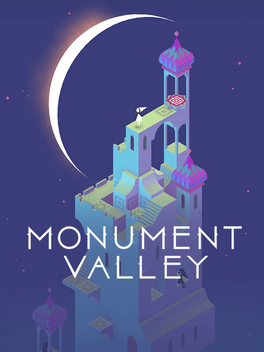
The findings emphasize that successful intergenerational engagement often relies on "naïve operation," where games prioritize accessible, collaborative tasks over specialized knowledge or rigid competitive structures. In digital environments like Minecraft or Monument Valley 2, the shared interface allows for the negotiation of power dynamics, helping to bridge the traditional hierarchy between parent and child. Similarly, in board games such as Gloomhaven or escape-room kits, the necessity of collective coordination encourages players to balance individual goals with group survival, effectively leveling the playing field and promoting inclusive problem-solving.
Furthermore, the research highlights the role of parents as active mediators who use games to scaffold learning and discuss sensitive real-world themes, such as grief, identity, and morality. By engaging with mature-rated content through guided, reflective play, families can transform potentially challenging media into tools for critical thinking and empathy. Ultimately, the study concludes that when games are approached as objects of shared inquiry rather than tools for control, they become powerful vehicles for personal growth, allowing participants to project new identities, confront vulnerabilities, and strengthen their interpersonal bonds across generations.
Each row is a game or company this document names, each column a document, oldest first. A mark means that document names it. Select a row to see those documents.
ETC Press · 2023
ETC Press · 2023
ETC Press · 2022
ETC Press · 2022

ETC Press · 2022
ETC Press · 2022
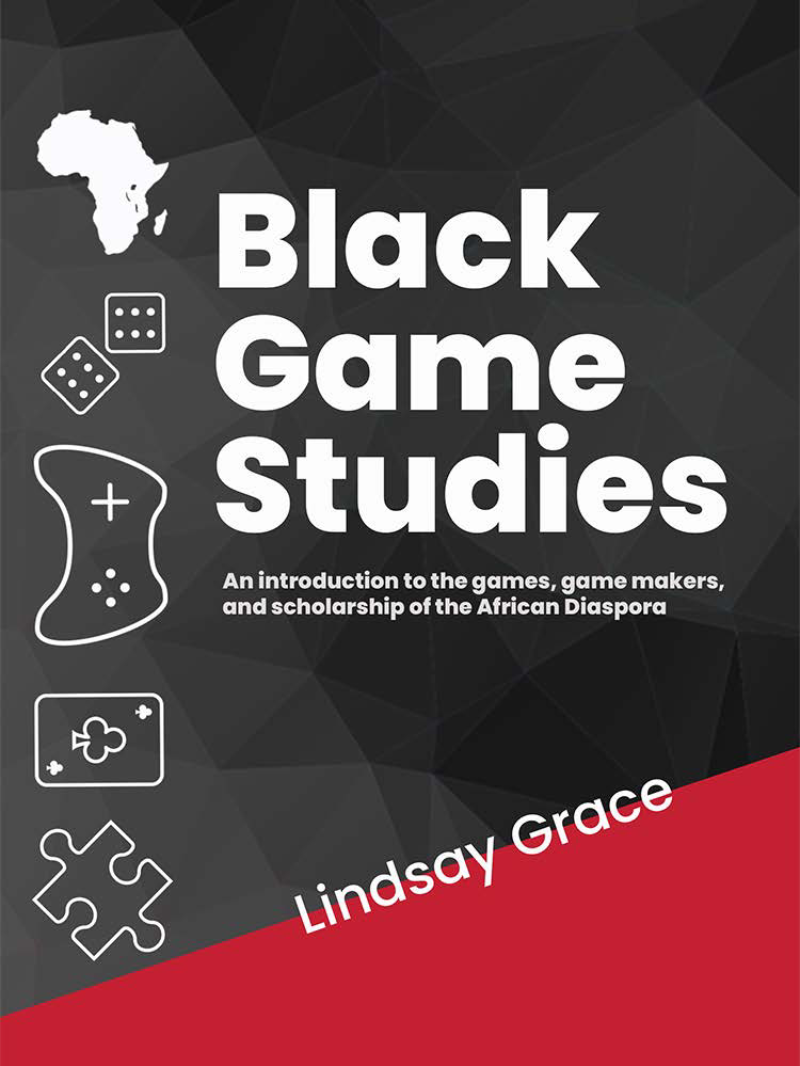
ETC Press · 2021
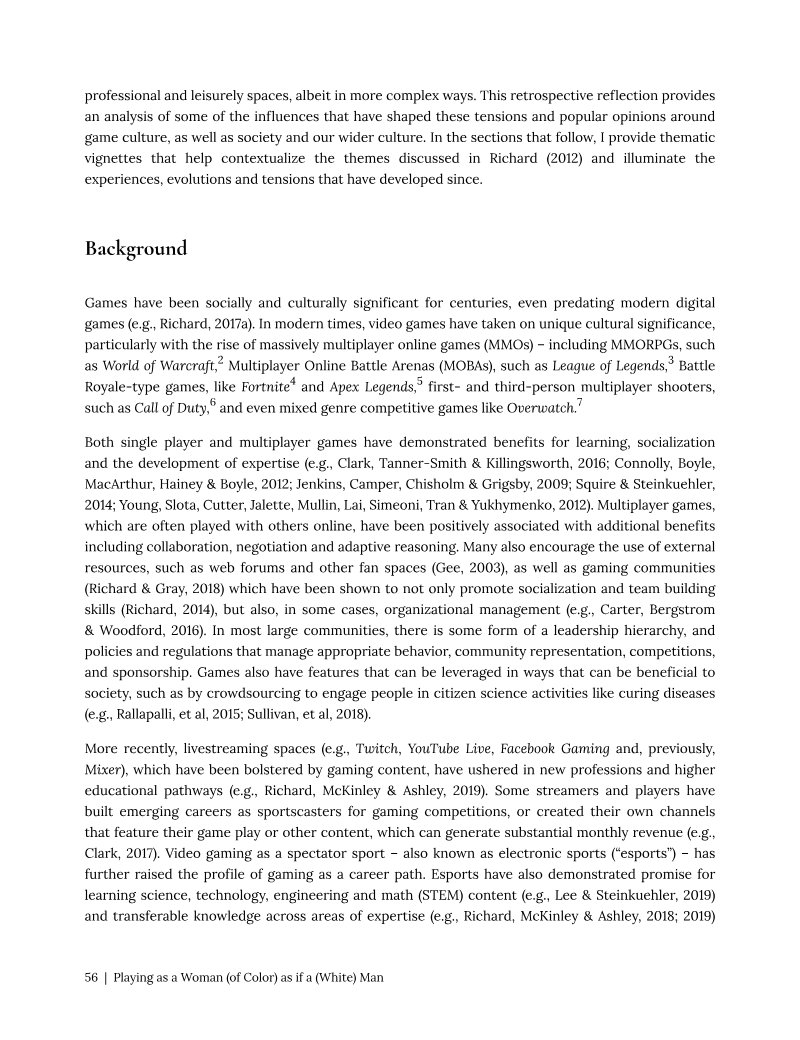
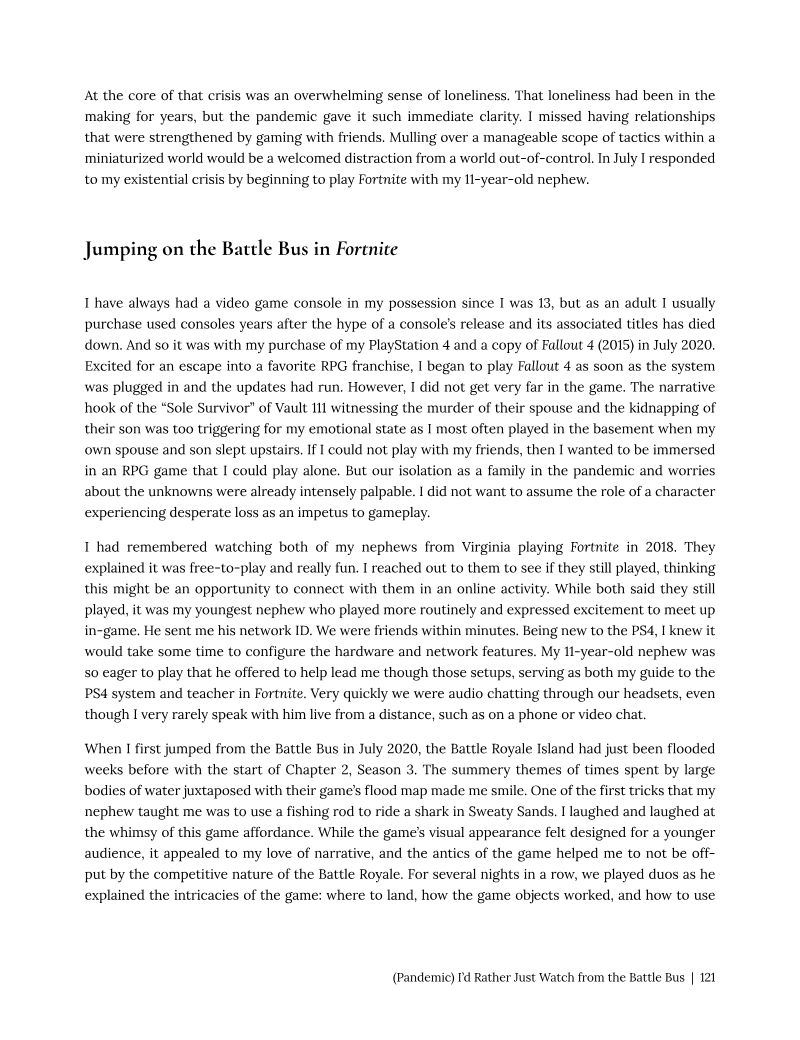
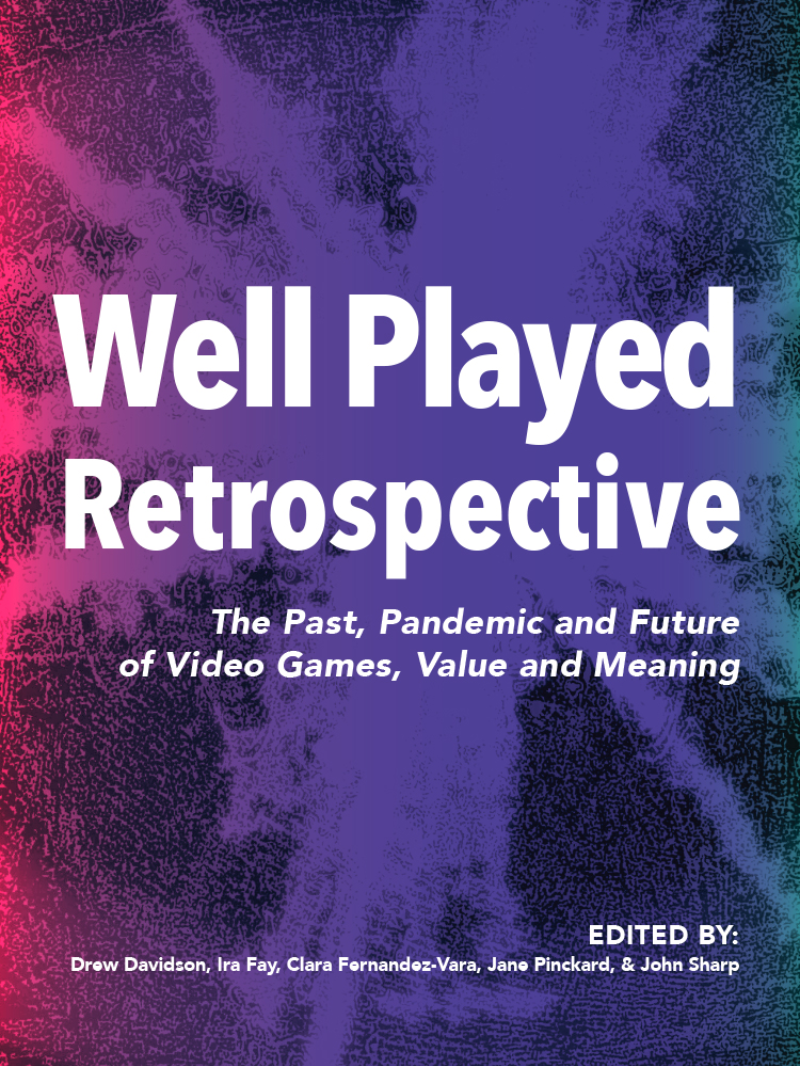
ETC Press · 2021

ETC Press · 2021

ETC Press · 2021
ETC Press · 2021
ETC Press · 2020
International Journal of Role-Playing · 2026