ArticleGameDev Reports
Weekly Gaming Reports Recap: October 5 - October 9, 2026
9 Oct 20261 page~34 min full read
PC and cloud gaming are key drivers of this expansion.
The global gaming market is poised for steady expansion, with projections indicating a total valuation of $229.1 billion by 2030. While overall growth remains conservative at an annual rate of 2.3%, PC and cloud gaming segments are emerging as the primary drivers of this upward trajectory. Despite this long-term optimism, the industry currently faces a period of stabilization, characterized by an investment winter in Europe that has stalled headcount growth across the region’s 6,600 studios. The European landscape, led by the United Kingdom in both workforce and studio density, remains heavily focused on PC development, though the sector faces potential contraction heading into 2025.
Mobile gaming is undergoing a structural shift as top-tier titles experience revenue declines and user acquisition costs remain highly polarized. Advertisers are contending with a significant disparity between platforms, where iOS installs cost $3.90 compared to $0.70 on Android, with the United States representing the most expensive market for acquisition. To combat these rising costs, large-scale studios are increasingly utilizing artificial intelligence to generate thousands of creative variations. This strategy is highly concentrated, as the top 2% of video creatives now command over 60% of total marketing expenditure, favoring gameplay-focused and high-energy content to drive engagement.
Consumer behavior is simultaneously pivoting away from traditional free-to-play models on consoles toward premium live-service experiences and platforms like Roblox. While gacha-based progression games have seen a massive surge in popularity on PC—recording a 92% increase in playtime between 2021 and 2025—this engagement has yet to translate into a proportional revenue windfall. Although PlayStation remains a stronghold for high revenue-per-hour efficiency in the gacha genre, the broader industry continues to navigate the complexities of balancing high player engagement with sustainable monetization strategies in an evolving digital ecosystem.

GameDev Reports · 2026
GameDev Reports · 2026

GameDev Reports · 2026
GameDev Reports · 2026
GameDev Reports · 2026
GameDev Reports · 2026

GameDev Reports · 2026
GameDev Reports · 2026

GameDev Reports · 2026

GameDev Reports · 2026

GameDev Reports · 2026
GameDev Reports · 2026
PocketGamer.biz · 2025
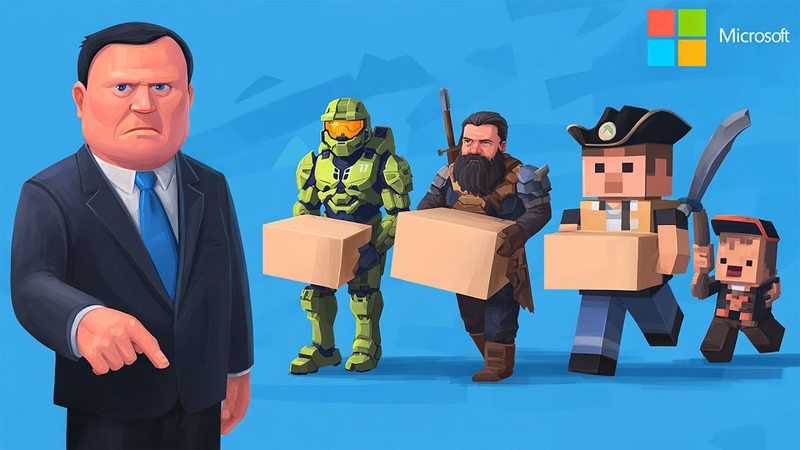
Game Dev Unchained · 2025

PocketGamer.biz · 2025

PocketGamer.biz · 2025



Metaplay · 2025

Deconstructor of Fun · 2024

Naavik · 2024
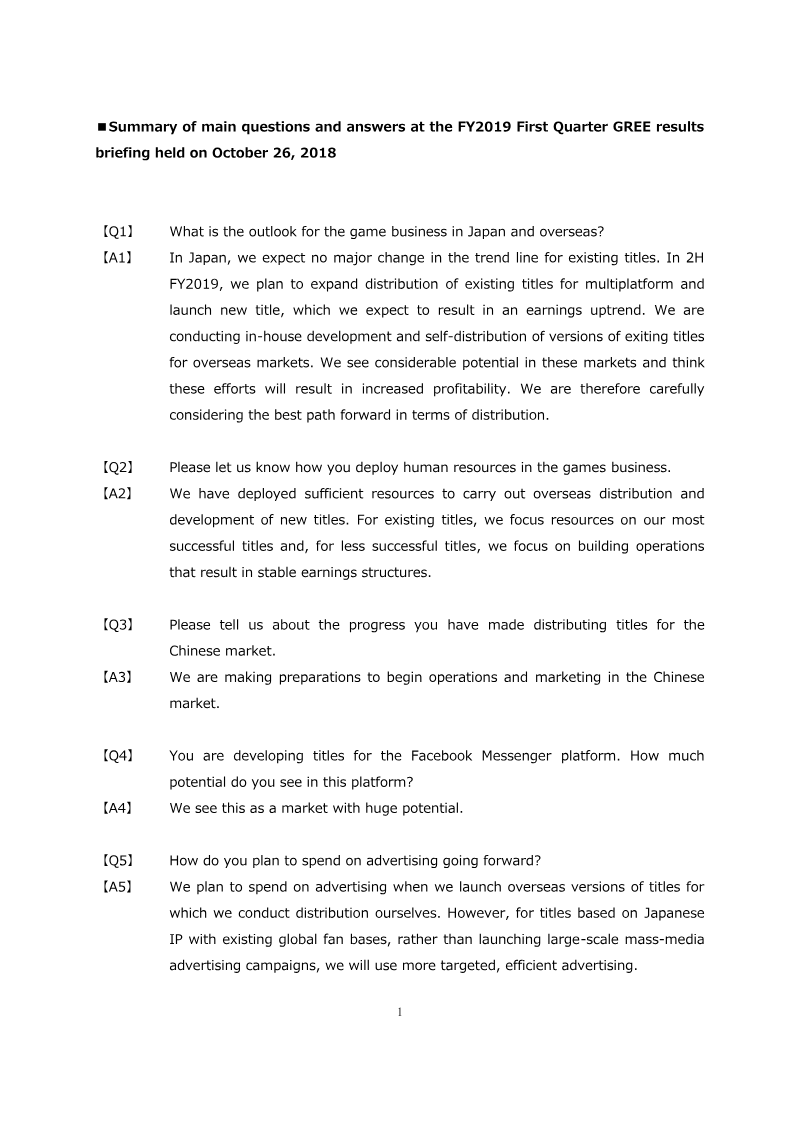
GREE

Extra Credits · 2026

Thomas Brush · 2026

PocketGamer.biz · 2026

Jason Schreier · 2026
Comments