ArticleGameDev Reports
Weekly Gaming Reports Recap: September 14–18, 2026
18 Sept 20261 pages~25 min full read
The global gaming market is projected to reach $213.9 billion in 2026, marking a 6.1% year-over-year increase. Despite this growth, the industry is entering a phase of decelerating expansion, prompting a strategic pivot from aggressive audience acquisition toward deeper monetization of the existing 1.65 billion spenders. While the PC segment currently leads in growth potential, the broader landscape faces notable volatility, evidenced by a 4% revenue contraction across the five largest European markets in 2025, largely attributed to a significant downturn in console performance.
Operational challenges are intensifying across the sector, characterized by a disconnect between corporate revenue growth and internal workforce stability. Although the top ten public gaming companies reported a 6.7% revenue increase in early 2026, the industry is grappling with record-low hardware shipments and declining subscription service engagement. Simultaneously, the European labor market is experiencing a marked decline in employee sentiment, with an eNPS of -9.8 reflecting widespread job insecurity. This instability is compounded by a structural transition toward project-based hiring and the integration of artificial intelligence, which has complicated talent acquisition and professional development.
Regulatory and consumer behavioral shifts are further reshaping the industry’s operational framework. PEGI has implemented its most substantial reforms since 2003, introducing stricter age-rating mandates for titles that utilize loot boxes and engagement-driven monetization mechanics. These regulatory pressures coincide with a notable shift in consumer spending habits, as average expenditures among children have declined for the second consecutive year. Despite this, parental oversight remains robust, with a vast majority of guardians actively utilizing control tools and monitoring online interactions, signaling a more cautious and regulated environment for youth-oriented gaming content.

GameDev Reports · 2026

GameDev Reports · 2026
GameDev Reports · 2026
GameDev Reports · 2026

GameDev Reports · 2026
GameDev Reports · 2026
GameDev Reports · 2026

GameDev Reports · 2026

GameDev Reports · 2026
GameDev Reports · 2026
GameDev Reports · 2026
GameDev Reports · 2026
Newzoo · 2026
Aream & Co · 2026
Take-Two Interactive · 2026
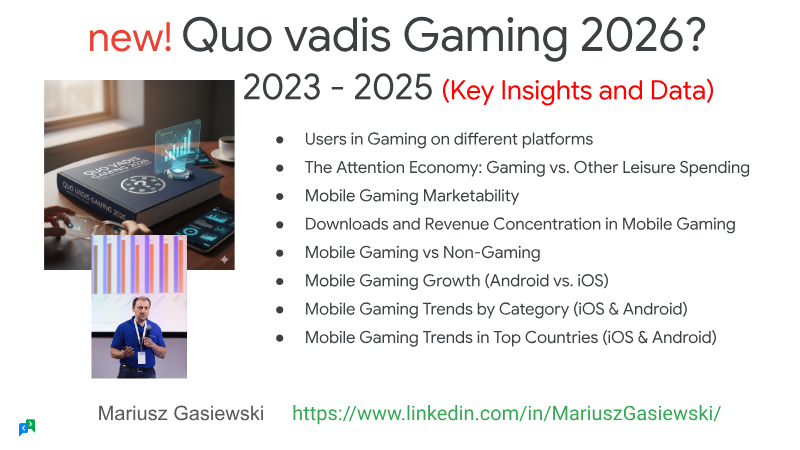
InvestGame · 2026
Epyllion · 2026
Basic Roots Consulting · 2025

AlixPartners · 2025

Boston Consulting Group · 2025
Take-Two Interactive · 2025
Newzoo · 2025

Xsolla · 2025

Aream & Co · 2025