The Polish gaming industry is currently undergoing a period of significant contraction and structural adjustment. According to the 2025 industry report published by the Polish Agency for Enterprise Development (PARP), the sector has seen approximately one in four studios close or cease operations over the past two years. As of October 2025, there are 824 active studios and publishers in Poland, employing 14,568 people, a decline from the 15,290 recorded in previous assessments.
Financial performance reflects this downturn, with total industry revenue reaching PLN 5.52 billion in 2024, an 8% year-over-year decrease and a notable drop from the 2022 peak of PLN 6.48 billion. While major entities like CD Projekt and 11 bit studios continue to report strong financial results, the broader industry—particularly smaller studios—faces stagnation. Access to capital has become increasingly restricted, exacerbated by the expiration of state support programs at the end of 2023 and a general climate of investor caution. This lack of funding has forced many developers to release titles prematurely or pivot to smaller, lower-risk projects.
The industry’s competitive standing has also shifted. Poland has fallen from first to seventh place in Steam’s Top 200 most-anticipated games list, a decline attributed to both the current development cycles of major studios and the loss of state-backed development incentives. Despite these challenges, the sector remains heavily export-oriented, with 97% of revenue generated outside of Poland. While the immediate outlook suggests continued stagnation, there is cautious optimism regarding renewed interest from international investors in Japan, South Korea, and China, alongside government efforts to establish a new long-term development strategy for the domestic gaming sector.
GameDev Reports · 2026
GameDev Reports · 2026
GameDev Reports · 2026
GameDev Reports · 2026
GameDev Reports · 2026
GameDev Reports · 2026
GameDev Reports · 2026

GameDev Reports · 2026
GameDev Reports · 2026
GameDev Reports · 2026
GameDev Reports · 2026
GameDev Reports · 2026
8Bit · 2026

Ukie · 2025

Direcció General d’Innovació i Cultura Digital · 2025
PCF Group · 2025

Departement Cultuur · 2025
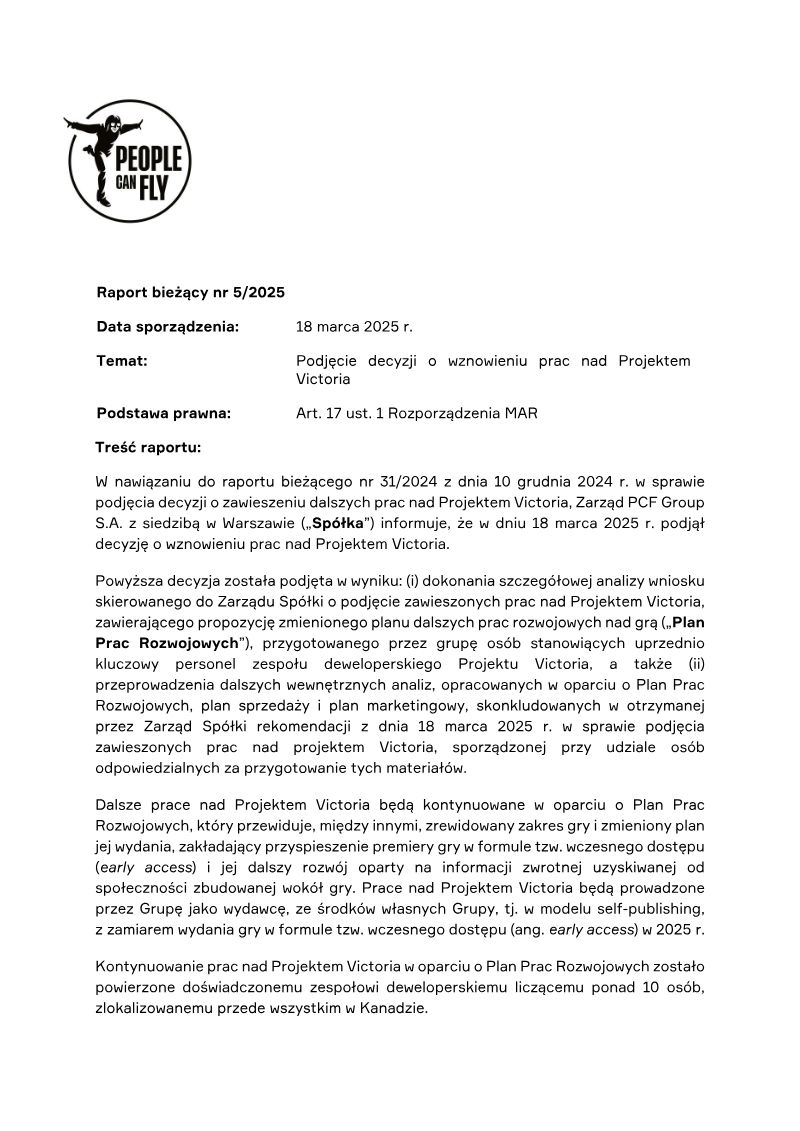
PCF Group · 2025
InGameJob · 2025

VG Insights · 2025

Video Game Insights · 2025
Polish Agency for Enterprise Development · 2025

AEVI · 2025
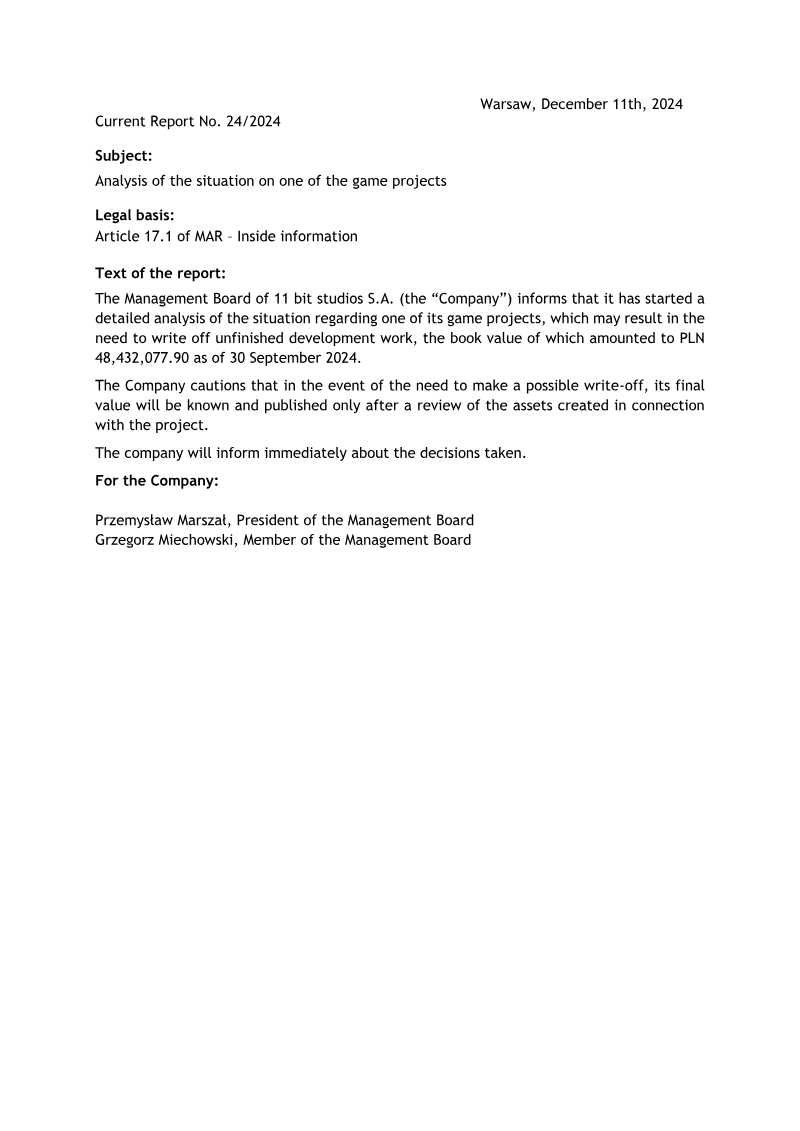
11 bit studios · 2024